













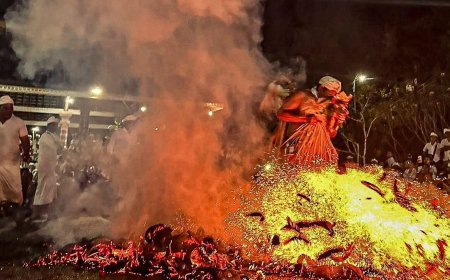










Though Hidden in a Narrow Alley, Sanggar Taman Suci Tirelessly Echoes the Eternal Spirit of Balinese Dance
Sanggar Taman Suci is a living testament to how one family has preserved Balinese art across generations. From its humble roots as Dharma Suci, the sanggar has endured challenges, including the pandemic, and embraced change. Today, it stands as an inclusive space where both men and women can learn dance, gamelan, and gender wayang. From a small alley in Baturiti, Taman Suci proves that Balinese art is not merely tradition, but a breath of life sustained with love and dedication.
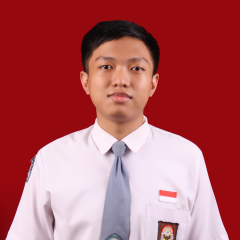
At the heart of Sanggar Taman Suci stands Putu Gde Chaksu Raditya Uttama, fondly called Kak Tude. More than just a teacher, he is a cultural guardian who has dedicated his life to preserving and nurturing Balinese arts. Together with his family, Kak Tude continues the legacy of the sanggar, ensuring it remains not only a place to learn but also a home for creativity and tradition.
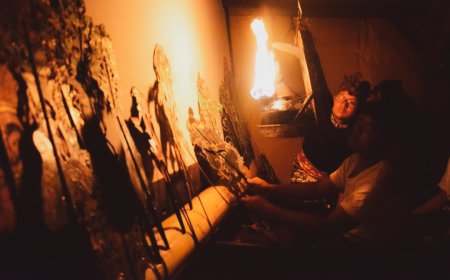
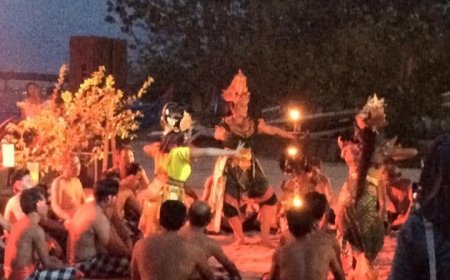
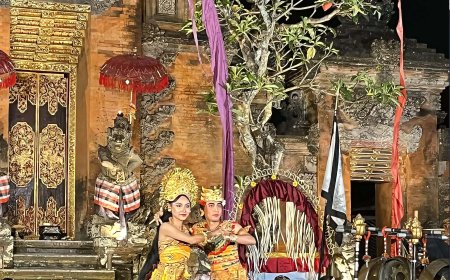
Taman Suci is not simply a dance studio—it is a multifaceted art space. Here, children and youth learn Balinese dance, tabuh (gamelan), and gender wayang. The sanggar emphasizes both traditional repertoire and modern needs, such as competition preparation. By balancing heritage with innovation, Taman Suci thrives as a hub where art is both preserved and reimagined.
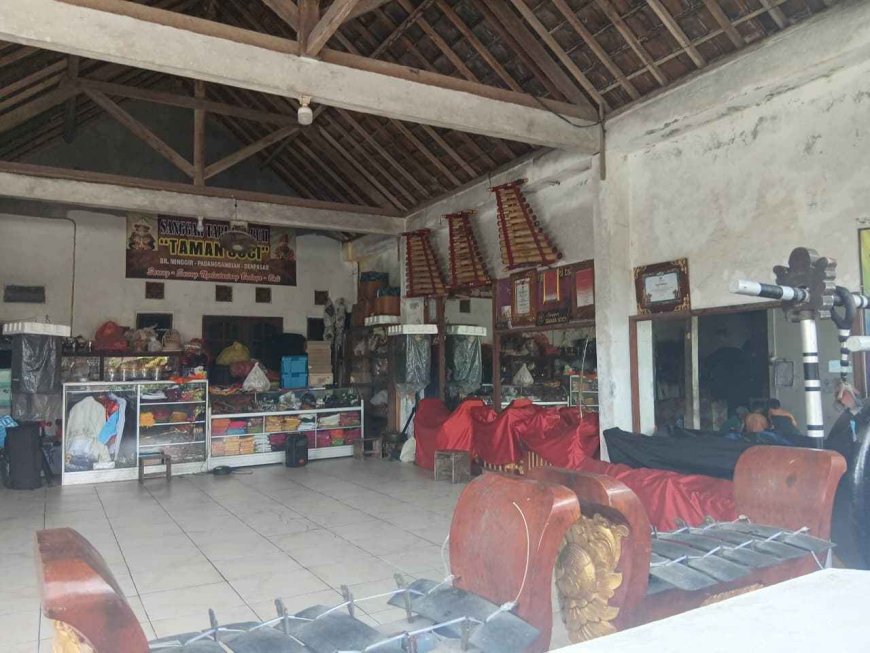
Practice area of Sanggar Taman Suci (source: personal collection)
The journey began in the late 1980s, when Kak Tude—then still a student at a vocational arts school—started teaching under the name Dharma Suci. In 2008, the family founded a new chapter with Sanggar Taman Suci, marking a significant turning point.The journey was not without struggles. When the COVID-19 pandemic struck, Taman Suci had to pause its gamelan classes due to limited human resources. Some students even moved to other studios. Yet, the sanggar remained resilient, continuing its dance and gender wayang lessons with fewer students.
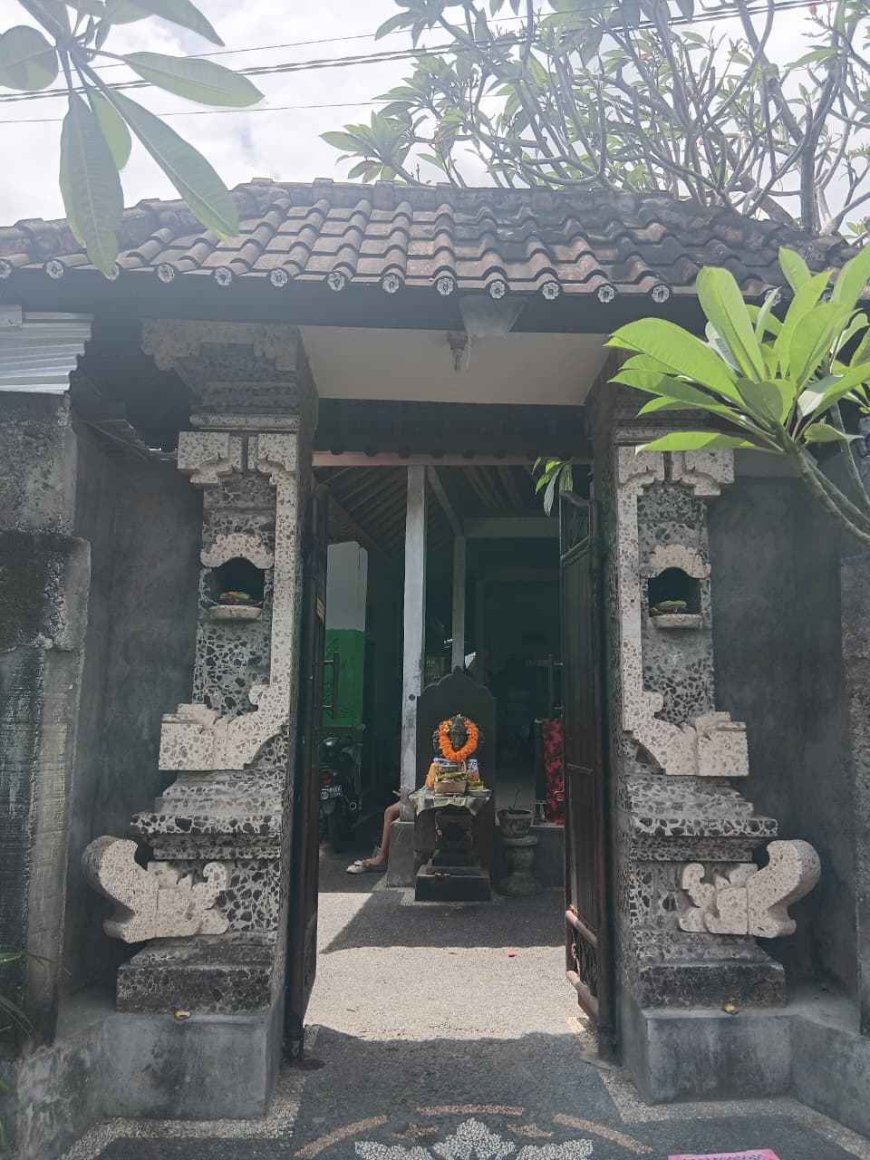
Though located in a small alley of Padang Sambian, Sanggar Taman Suci radiates an influence far beyond its modest setting. The sanggar is managed by three core family instructors, with Kak Tude as the guiding figure. Lessons are conducted in two ways: regular classes for foundational training, and private sessions for students preparing for competitions. This dual system ensures that both casual learners and aspiring champions can find their place. Despite challenges, from limited resources to pandemic disruptions, Taman Suci has endured thanks to family commitment, community spirit, and Kak Tude’s unwavering dedication.

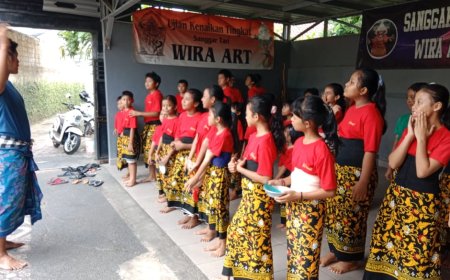
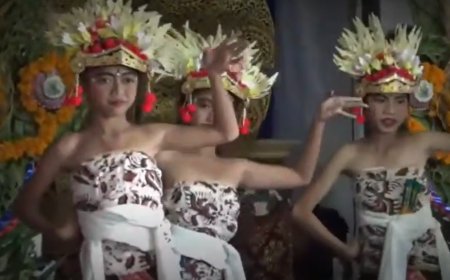
Students of Sanggar Taman Suci during practice (source: personal collection)
One of the most striking aspects of Taman Suci today is the presence of female students in its gender wayang classes. Traditionally, the instrument was almost exclusively played by men. Now, that boundary has dissolved. This signals a shift in the mindset of the younger generation, where Balinese arts are no longer confined by gender roles.
Dance at Taman Suci has also evolved with the times. While in the past students were encouraged to learn multiple repertoires, today many focus on competitions. To address this, the studio established two systems: regular classes for foundational learning, and private classes for competition preparation.
Through private sessions, students receive intense guidance, enabling them to shine on stage. Many young dancers from Taman Suci have gone on to win regional and provincial competitions, bringing pride to the sanggar and proving its relevance in the contemporary scene.
Currently, Taman Suci is managed by three core instructors, all from the same family. While they occasionally invite relatives or peers to step in, the heart of the studio remains within the family. This ensures that the atmosphere of warmth, discipline, and togetherness continues to define Taman Suci.
Every Sunday, the studio comes alive with the sound of gamelan and the rhythm of dancers’ feet. From this small space, the flame of Balinese cultural heritage is kept burning, showing that art does not fade as long as there are those willing to nurture it.