



The Last Great Battle of Rama's Army Against Ravana's Army
Yuddha Kanda, or War Kanda, is the fourth part of the Indian epic Ramayana that depicts the culmination of the conflict between Rama and the giant king Ravana. After Sita, Rama's wife, is kidnapped by Ravana and taken to Lanka, Rama along with his allies, including Hanuman and Sugriva, prepare for the great battle that will decide their fate.

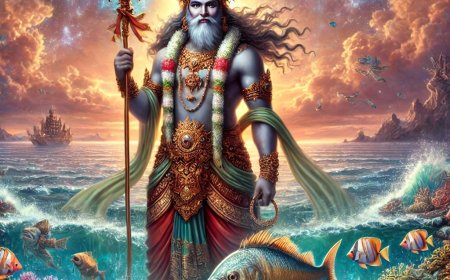
Yuddhakanda begins with the preparations for the great war between Rama and Ravana. After learning of Sita's location in Lanka, Rama, along with an army of vanaras, attempted to reach the island. One of the major challenges was how to cross the huge ocean that separated the mainland from Lanka. To overcome this, Rama prayed to Samudra Deva, the ocean god, but his prayers were not answered. Finally, Rama showed his power by shooting fire arrows into the sea, forcing Samudra Deva to appear and provide a solution. With the help of the gods, Rama and his army built a giant stone bridge called Setu Rama or Rama Bridge to cross the sea and reach Lanka.
Meanwhile, Ravana recognized the impending threat and prepared his army. He mobilized the strongest giants in his kingdom to prepare for Rama's attack. Although many of his advisors, including his wise brother Vibhishana, advised him to surrender Sita and end the war, Ravana remained stubborn and refused.
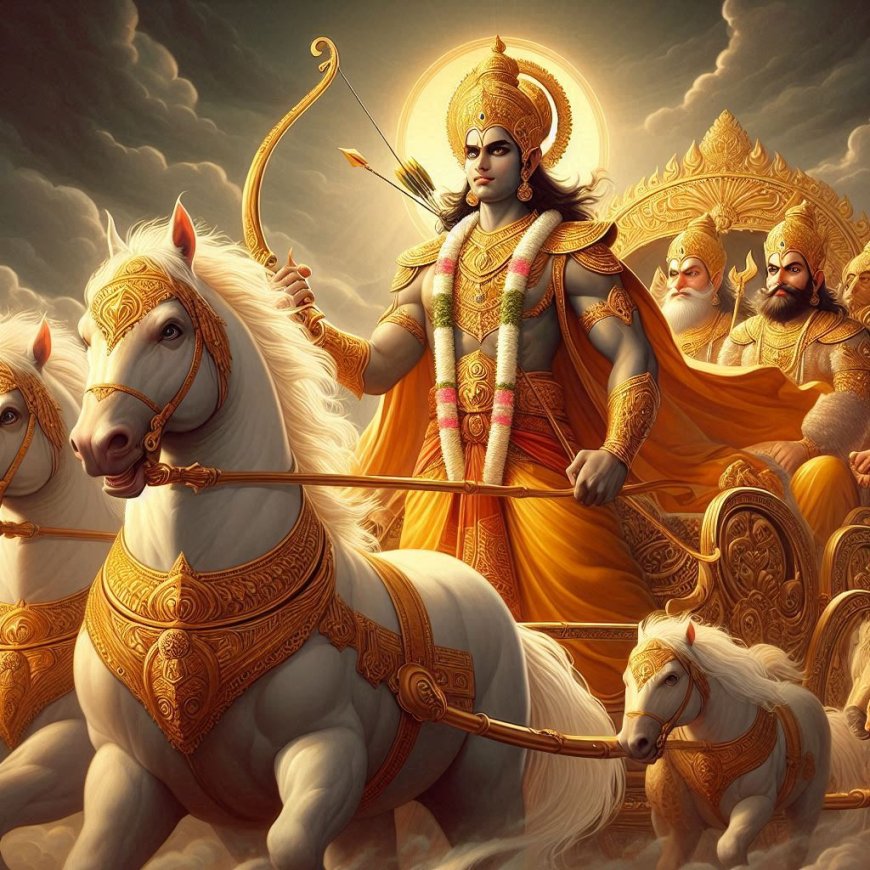
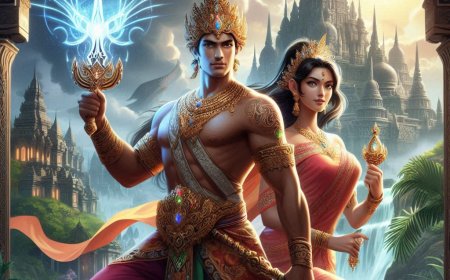
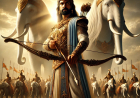
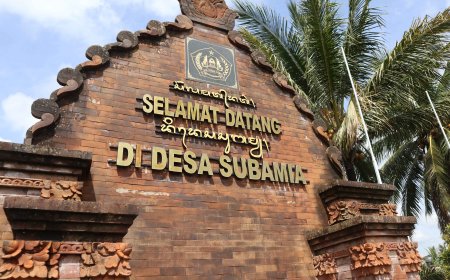
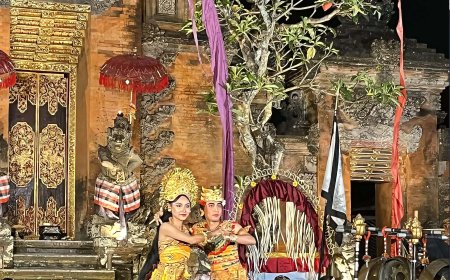
Rama Preparing the troops to attack Lanka (Source: Personal Collection)
The battle began with great intensity. Ravana, known for his immense strength and strategic intelligence, mobilized all his forces to confront Rama. The fight was fierce, and many skirmishes took place before the main conflict.
Hanuman played an important role in this battle. He provided moral support and was directly involved in various heroic acts, such as burning down a large part of the city of Lanka with the power of fire that emerged from his body after he was overwhelmed by Ravana's army.
Among the major battles, Rama faced various giants and warriors from Ravana's side. Some prominent battles include the fight between Rama and Ravana's brothers, such as Kumbhakarna and Meghanada (Indrajit). Kumbhakarna, with his gigantic body size and terrifying physical strength, put up a huge fight. While Meghanada, who possessed great magical abilities and military strength, also threatened Rama and his army with her magic.
After Kumbhakarna's defeat, Ravana's hopes of victory began to fade. His favorite son, Indrajit, was his last stand. Indrajit was a tough warrior known for his magical abilities and divine powers. He once managed to injure Lakshmana with a magic weapon, but thanks to the medicinal power of the Himalayas, Lakshmana recovered.
Indrajit used deceitful tactics against Rama and his army. One such act was when he created the illusion of a fake Sita and killed her in front of Rama's eyes, hoping that it would demoralize him. However, his deception was exposed thanks to the wisdom of Vibhishana, Ravana's brother who had switched sides and supported Rama.
The battle between Lakshmana and Indrajit was fierce. Lakshmana was finally able to defeat Indrajit using a magic arrow given by Lord Agni. Indrajit's death marked the beginning of the downfall of Ravana's army.
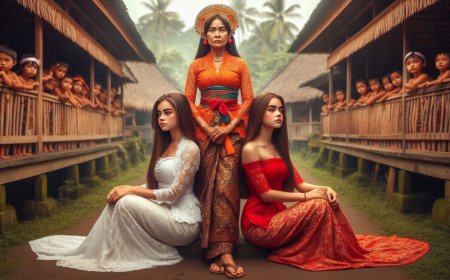
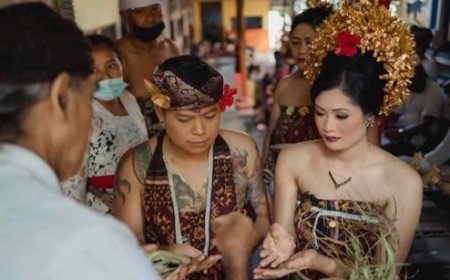
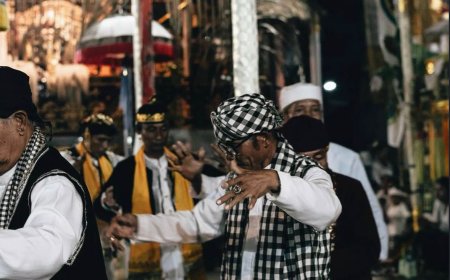
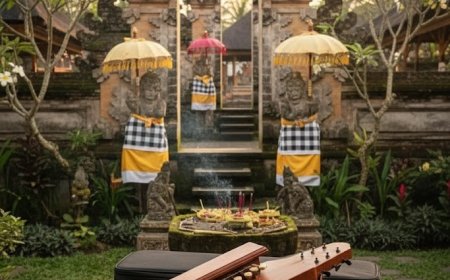
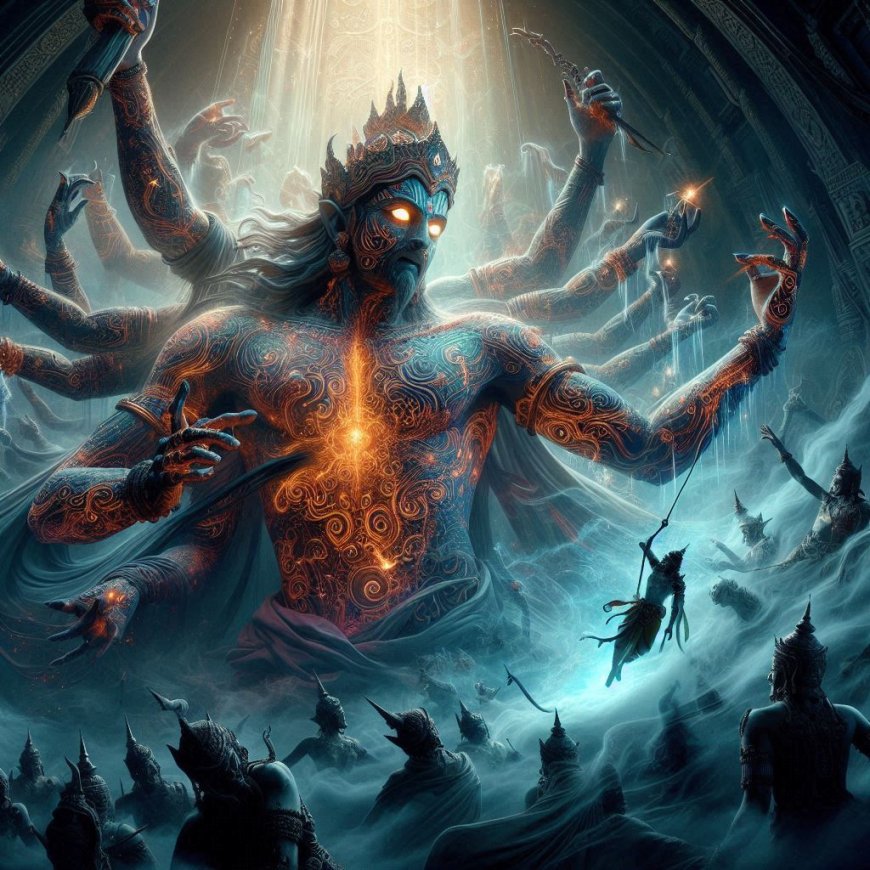 Indrajit's Magic Power (Source: Personal Collection)
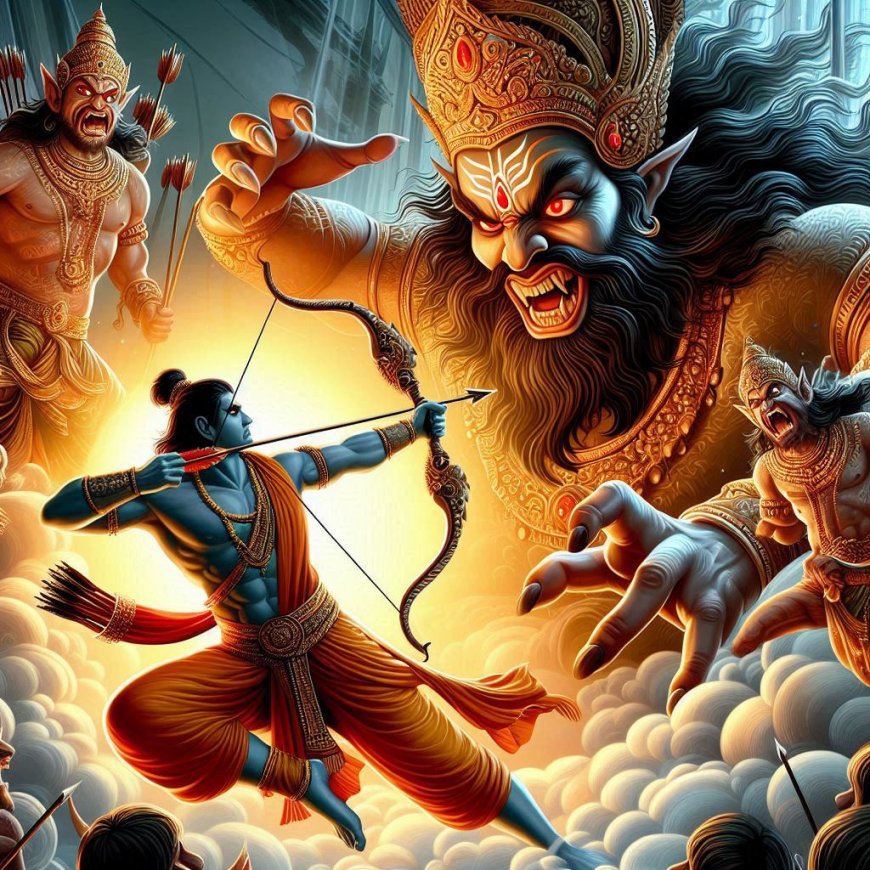
Finally, in a decisive fight, Rama faces Ravana himself. This fight is the culmination of the entire story, where Rama had to overcome various obstacles and gain victory through courage and strategy. However, despite Ravana's power and magic, Rama fought with great calmness, focus, and awareness of dharma. Rama used the magic arrow weapons given by the gods Brahma and Vishnu. During this battle, Ravana repeatedly summoned his magical powers to fend off Rama's attacks, but every time he lost a head, a new one would grow back.
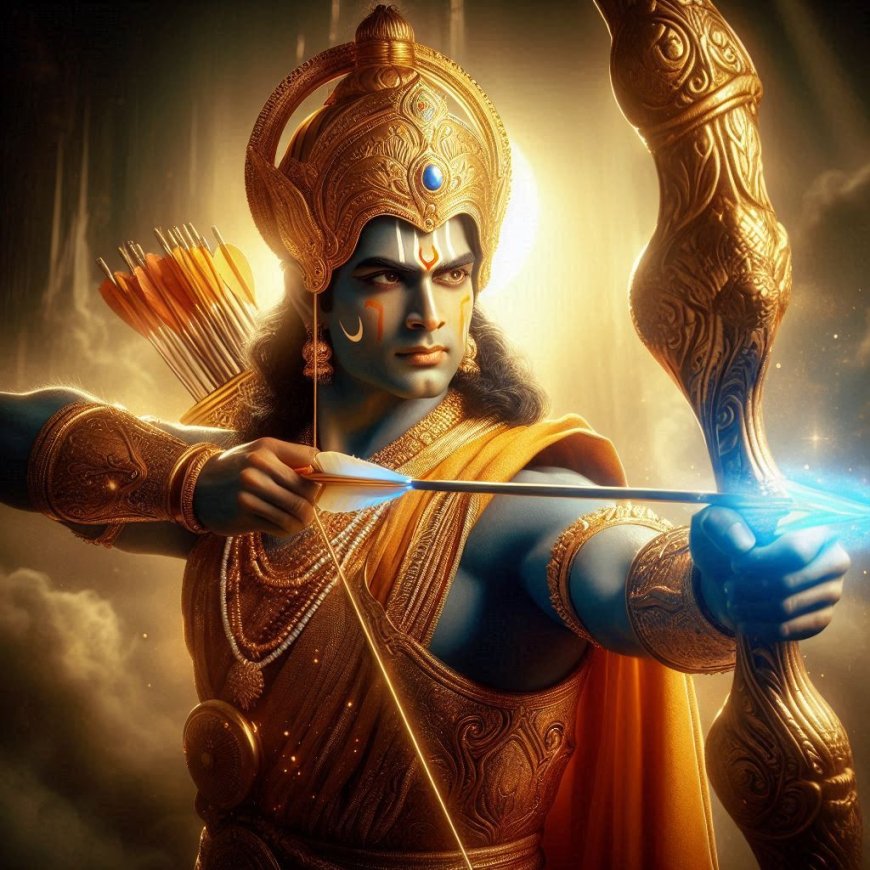
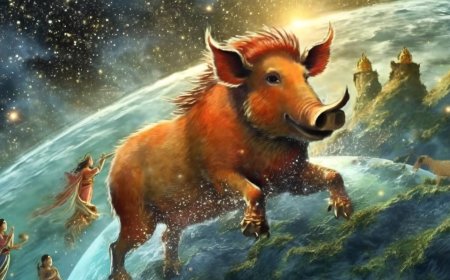
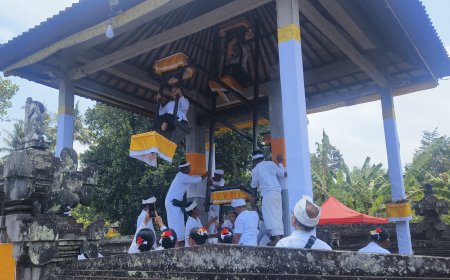
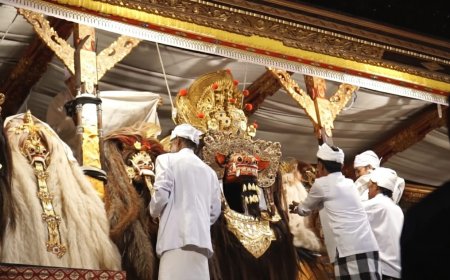
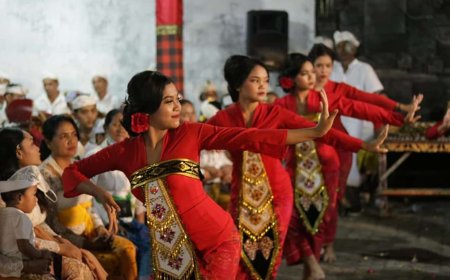
Lord Rama Using the Brahmastra Arrow Gifted by Lord Brahma and Lord Vishnu (Source: Personal collection)
After a long and grueling struggle, Rama managed to defeat Ravana with the help of a magic arrow given by the gods. Ravana's death marked the end of Sita's suffering and the triumph of justice.
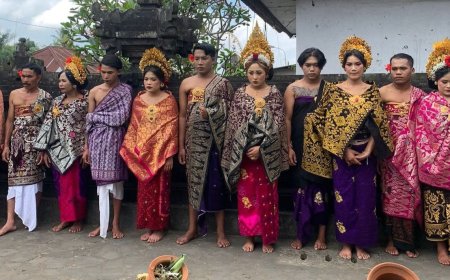
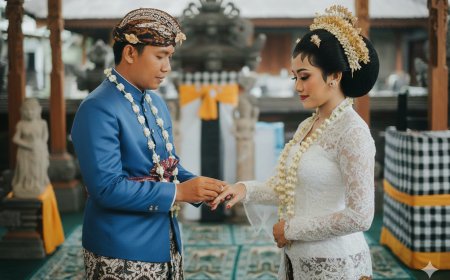
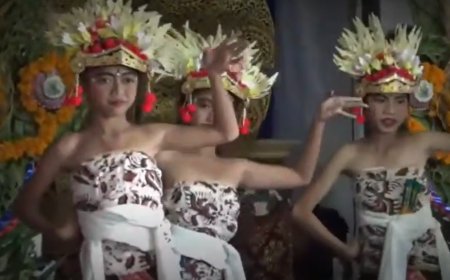
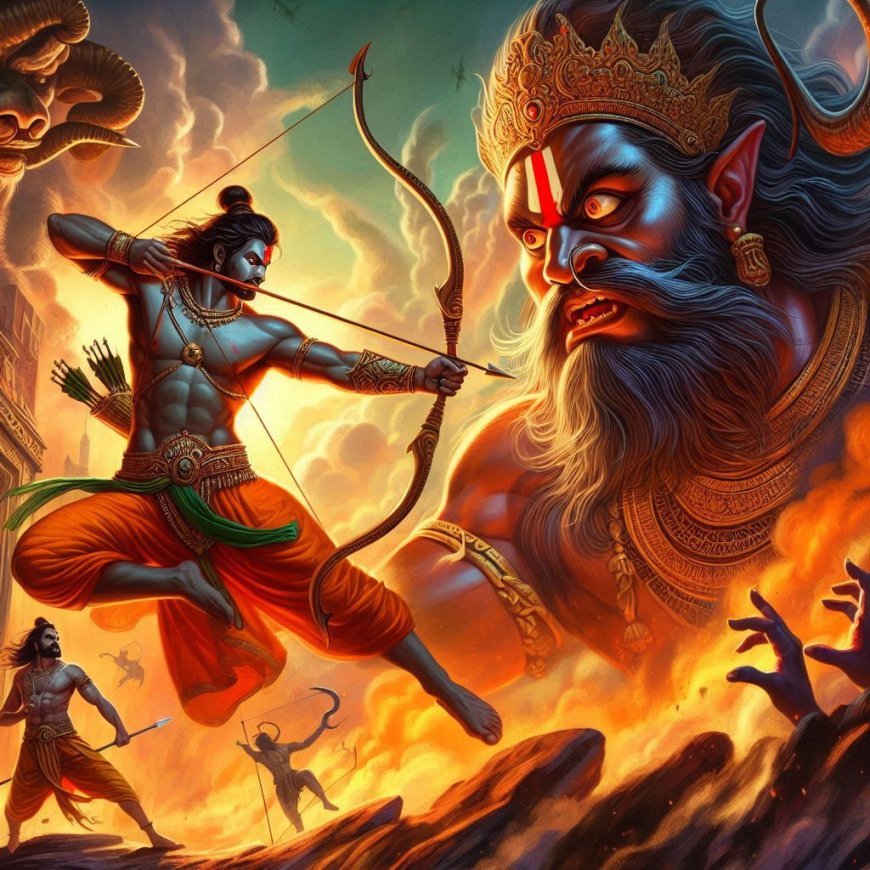 The Rama Facing Ravana (Source: Personal Collection)
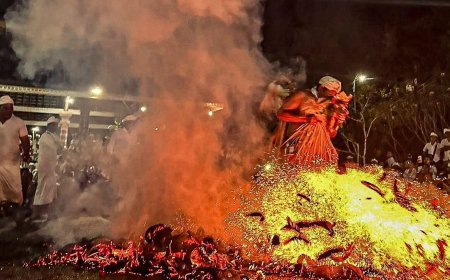
After Ravana was killed, Vibhishana was crowned the new king of Lanka, and he ruled with justice and wisdom. Sita was finally freed, but before they returned to Ayodhya, Rama tested Sita's purity. He asked Sita to prove that she had remained pure during her time in Lanka. Sita performed the Agni Pariksha, or fire test, where she walked into the flames unharmed, showing that she was untainted.
With victory in Lanka, Rama, Sita, and Lakshmana returned to Ayodhya. They were greeted with great joy by the people, and Rama was crowned the rightful king of Ayodhya. His reign was known as “Rama Rajya,” symbolizing a golden age of justice and prosperity.
Yuddhakanda is a part of the Ramayana that not only narrates the victory of good over evil, but also presents a variety of profound moral and philosophical lessons. Loyalty, sacrifice, love and righteousness are the main themes reflected in this battle.
Rama, though an unrivaled hero, sticks to dharma and never deviates from the path of righteousness. Ravana, though strong and intelligent, eventually fell due to his arrogance and uncontrollable desires.
Overall, Yuddhakanda provides a lesson that truth and justice will ultimately always prevail, no matter how powerful the evil faced. The battle between Rama and Ravana remains an enduring symbol of the human struggle to achieve virtue and justice in a world filled with temptations and obstacles.
The story is not just about physical battles but also about the moral and ethical struggles faced by the characters in the face of great challenges.