









Goddess Pertiwi: Story About Sacrifice of the Goddess of the Earth for the Balance of the World

Goddess Pertiwi that meet with Lord Vishnu who was incarnate as a wild boar gave birth to Bhoma, a demon figure who threatened humanity. Meanwhile, in the Sunilatmaja Kingdom, the wise King Pretu had to face a terrible drought that hit his country. His anger at the Goddess Earth triggers a dramatic chase across three universes. Will Krishna and Satyabhama (Goddess Pertiwi) succeed in defeating Bhoma? Can King Pretu find a way out of disaster without sacrificing Goddess Mother Earth?

Dec 1, 2025 - 14:00
Nov 20, 2024 - 18:29
Goddess Pertiwi: Story About Sacrifice of the Goddess of the Earth for the Balance of the World
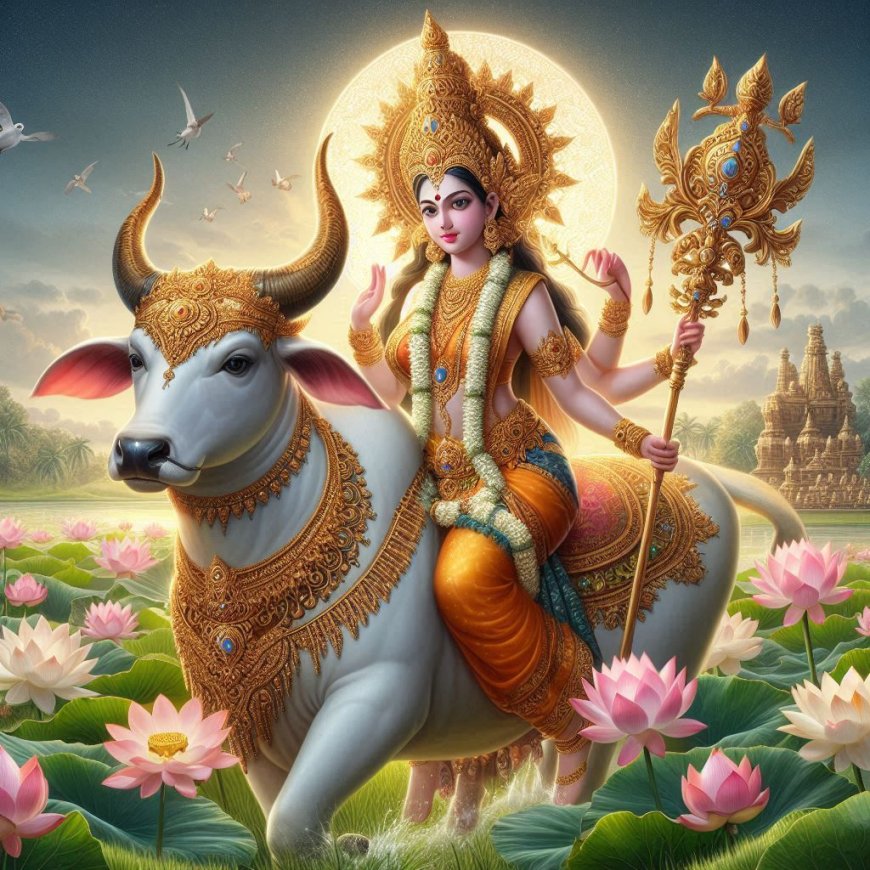
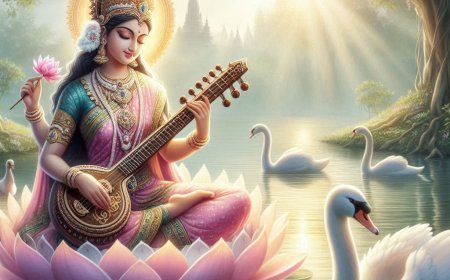
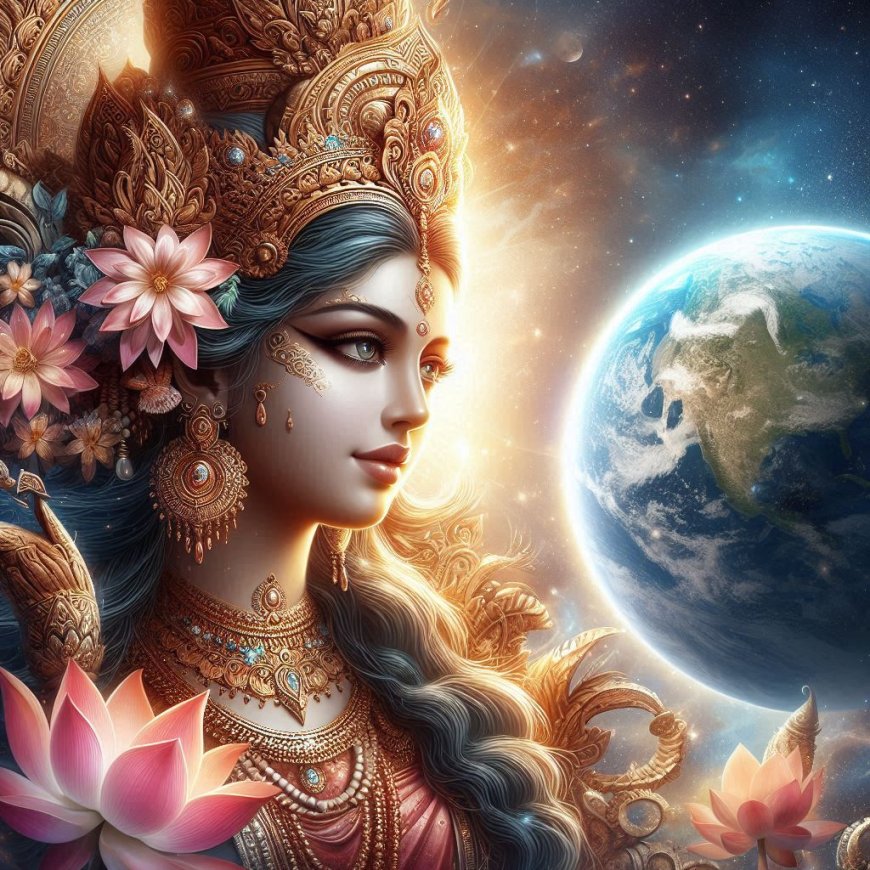
Goddess Pertiwi: Goddes of the Earth (Source: Private Collection)
Goddess Pertiwi: Story About Sacrifice of the Goddess of the Earth for the Balance of the World

In Hindu tradition, Goddess Earth is known by various names such as Prthvi Devi, Dhra, Dharti, or Dhrthri, a significant figure who holds everything. It is a manifestation of the earth, where all living things, including humans, animals, plants, and cosmic objects, live and develop. In the Regveda, Goddess Earth and Dyaus Pita, which means Father of Space, are often referred to as a complementary couple. This relationship reflects the harmony and balance of the cosmos, where the earth and sky depend on each other to create and maintain life.
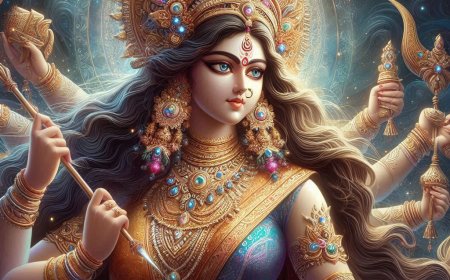
Goddess Pertiwi in mythological depictions is depicted as a very graceful and majestic figure. She is often depicted sitting on a lotus, surrounded by beautiful jewels that symbolize purity and beauty. As the Goddess of the earth, Goddess Pertiwi is revered and sacred by her followers, who see her as a manifestation of the earth that supports all forms of life. As the mother of gods such as Indra and Agni, she has a very high position in the Hindu hierarchy of gods and goddesses.

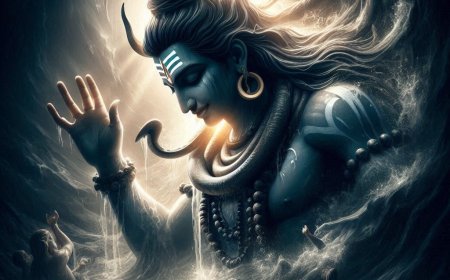
The story of the Goddess Earth, as well as her role in mythology, can be found in the Varaha Purana, one of the important puranic texts in Hinduism. This story begins with a challenging debate between the two main gods, Lord Brahma and Lord Vishnu. Both want to know who is superior in the search for the end of the world. As a result of this debate, Lord Shiva, as the main god and ruler of the cosmos, decided to assign tasks to each god.

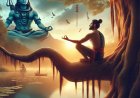
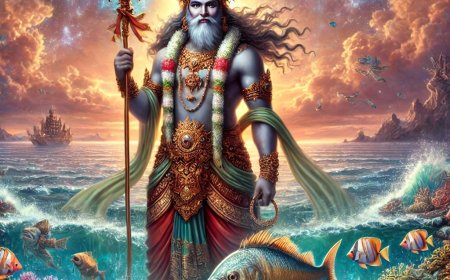
“Lord Brahma, you will search to Saptaloka, the seven highest layers of heaven. "And you, Lord Vishnu, will explore Saptapatala, the seven deepest underground layers," said Lord Shiva. Lord Vishnu, known as the protector and preserver of the cosmos, accepted his duties with zeal. "I will do my best in my search," said Lord Vishnu with determination. In his search, Lord Vishnu transformed into a boar (Varaha Avatara), a form that symbolically represents strength and determination. In his form as a wild boar, Lord Vishnu descended to earth and began digging the ground to find the base of Lord Shiva's phallus.

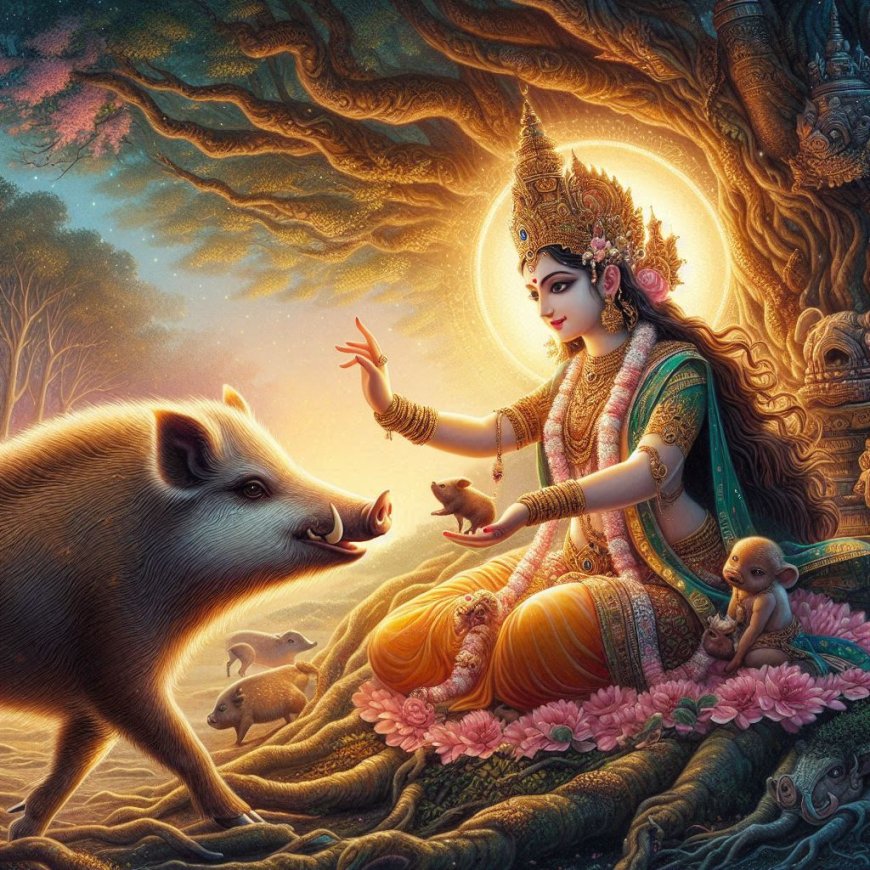
Meeting of Varaha Awatara with Goddess Pertiwi (Source: Private Collection)

In his form as a wild boar, Lord Vishnu descended to earth and began digging the ground to find the base of Lord Shiva's phallus. He dug with great perseverance and enthusiasm, penetrating layer after layer of deep soil. However, in the process of digging, he arrived at the bottom of the earth and met the Goddess Earth.

The meeting between Lord Vishnu who incarnated as a wild boar and Goddess Pertiwi was a meaningful moment. Goddess Pertiwi, who is the personification of the earth, accepts the presence of Lord Vishnu with great respect. At this moment, it was as if rain absorbed into the ground, giving birth to a son named Narakasura, better known as Bhoma. Bhoma, which in the real world is a manifestation of plants that develop on earth, was born from this meeting and became a symbol of vegetation life.

However, this story does not have a happy ending. Bhoma, the son of Lord Vishnu and Goddess Pertiwi, turns out to have very different characteristics from what was expected. Bhoma became the strongest and scary demon. With the power he obtained from Lord Vishnu, Bhoma began to torture humanity and create deep suffering on earth.

Lord Vishnu, who felt responsible for his son's actions, gave a special gift to Bhoma. In this gift, it is stated that only the Goddess Earth can kill him. Bhoma, who knew about this gift, used its power to further oppress humans and spread suffering throughout the world. In an attempt to overcome this problem, Krishna as the reincarnation of Lord Vishnu was born into the world. Krishna, the incarnation of Lord Vishnu, came with the noble goal of restoring balance to the cosmos and defeating evil. Krishna married Satyabhama, a woman considered a manifestation of the Goddess Earth. Satyabhama, who knew of Bhoma's evil actions, felt strongly called to act.
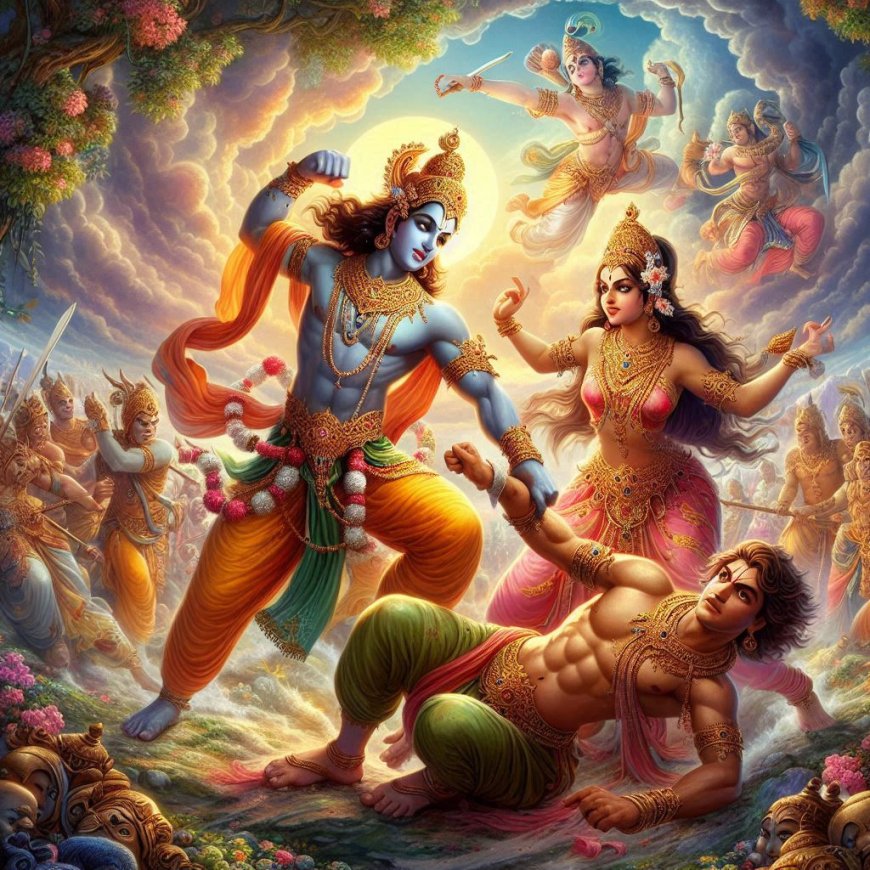
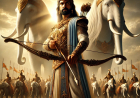
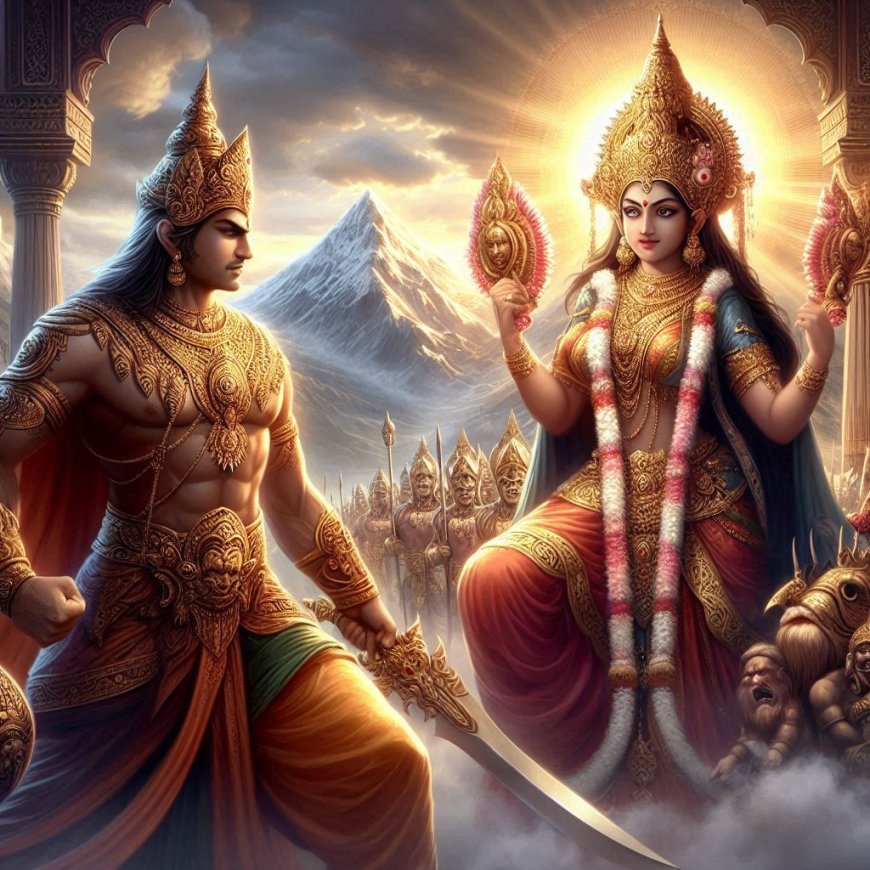
Krishna and Satyabhama Fight Against Bhoma (Source: Private Collection)

Krishna and Satyabhama, working together, confront Bhoma in an epic battle. Satyabhama, with his courage and determination, along with Krishna, finally succeeded in defeating and killing Bhoma. This victory not only ended the suffering caused by Bhoma but also restored peace and balance on earth. 
This story in the Varaha Purana describes the deep and complex relationship between Goddess Earth and Lord Vishnu. Through this story, we can see how important the role of Goddess Earth is as guardian and protector of the earth, as well as the challenges faced in maintaining the balance of the cosmos. It also shows how the gods, through their various incarnations and struggles, worked together to overcome evil and restore harmony in the world. In the Brahmanda Purana, there is a story filled with intrigue, anger, and ultimately, redemption through sacrifice. This story begins in the Sunilatmaja Kingdom which was ruled by King Wena. King Wena was known as a ruler who had a bad character and often acted arbitrarily. King Wena's bad actions aroused anger and resistance from the sages, who were respected wise men and priests. The battle between King Wena and the sages took place fiercely and fiercely. Finally, King Wena was defeated by the strength of the sages who had united against his evil. However, King Wena's defeat was accompanied by strangeness. His two hands appeared as two very different figures, namely Nisada and Pretu.

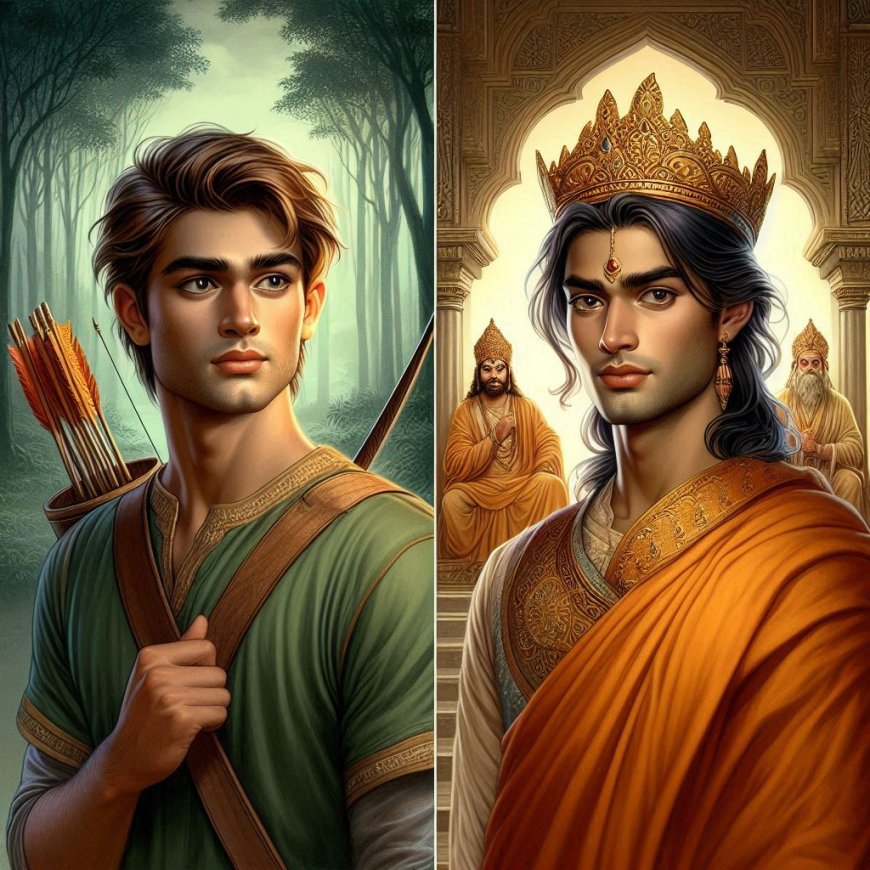
Descendants of King Wena (Source: Private Collection)

Nisada, who emerged from the hands of King Wena, is a hunter figure. He later became the forerunner of the Nisada tribe, but his story is not told further in this text. On the other hand, Pretu is a knight who is also a descendant of King Wena but has different characteristics. The angry nature of King Wena that existed within Pretu has been changed and "thrown away". The sages, after seeing good potential in Pretu, ordained him king in place of his father.

Under the reign of King Pretu, the Sunilatmaja Kingdom experienced significant changes. The kingdom became better and more prosperous, and the people and sages lived in prosperity. King Pretu, with newfound wisdom and thoughtfulness, rules his kingdom with justice and compassion. One day, King Pretu held a yadnya ceremony which was a grand sacrificial offering ceremony. During the ceremony, two Brahmin figures magically appeared from a stain of oil used in the purification of sacrifices. Both Suta and Magada were born from the prayers and praises of the sages, marking their presence as part of the ceremony. However, the happiness and prosperity enjoyed by the Sunilatmaja Kingdom did not last long. Once, the kingdom was hit by a severe drought, causing widespread suffering among the sages and the people. Seeing the situation getting worse, King Pretu felt deep anger. As the priests have said, “Asih maweh ilik,” which means “From love can arise hatred.” This phrase expresses how anger can arise from an imbalance in affection.
King Pretu Who Is Angry With Goddess Pertiwi (Source: Private Collection)

Most likely as a result of the difficulties he faced, King Pretu vented his anger on Goddess Earth. He thought it was Goddess Pertiwi who had caused drought in his kingdom, even though he had carried out the yadnya ceremony so that his kingdom would prosper. Goddess Pertiwi is a worshiped deity or bhatari figure, usually associated with the fertility and wealth of the land.

Dewi Pertiwi, who knew King Pretu's anger, tried to escape from the king's pursuit. To avoid the king's anger, Dewi Pertiwi penetrated the Tri Loka (three realms) and transformed into a female cow known as Sang Hyang Wasundara or Basundari. Despite trying to hide from King Pretu, Goddess Pertiwi was finally advised by the sages to ask for mercy from the king. In the end, Goddess Pertiwi was captured by King Pretu. With great respect, Goddess Pertiwi prostrated herself before King Pretu and asked for mercy according to the instructions of the sages. In exchange for saving her life, Goddess Pertiwi offered to be milked. The milk produced by Goddess Pertiwi is a symbol of fertility and prosperity and is then used to fertilize the royal land. This milk made the land of the Sunilatmaja Kingdom fertile again and its people again experienced prosperity and happiness. This story, as written in the Kakawin Brahmanda Purana, which was composed on the island of Bali during the reign of Queen Dewa Agung Istri Kanya of the Klungkung Kingdom (1822–1860 AD), provides a deep picture of the relationship between humans and divine power, as well as how anger and sacrifice can affect the balance and prosperity of a kingdom. In this story, Goddess Pertiwi acts as a savior, reminding us of the importance of fertility and balance in life, and how wisdom and mercy can change the fate of a nation.
Files