





Preserving the Breath of Palegongan: The Role of Sanggar Tasik Kula Ghita in the Heart of Denpasar
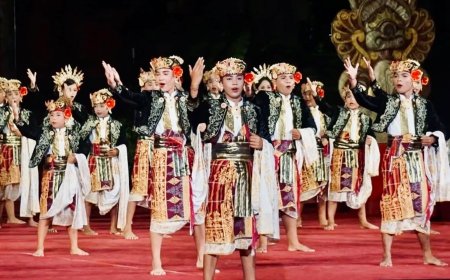
Sanggar Seni Tasik Kula Githa, located in Banjar Suwung Kangin, Sidakarya, South Denpasar, is an arts collective dedicated to preserving Classical Palegongan and the Semar Pegulingan gamelan tradition. Led by I Ketut Adi Aryawan, the sanggar is recognized as a stronghold of classical Balinese arts as well as a creative space for the younger generation. They regularly perform at the Bali Arts Festival (PKB) as representatives of Denpasar City. During the 2021 PKB, the sanggar presented a variety of works, including Tabuh Sumambang Bali, Classical Legong dances (such as Legong Kuntul), new Legong creations, and the Jauk Manis mask dance. Preparations for the festival begin early in the year and involve dozens of dancers, musicians, and instructors. Beyond performing, the sanggar also serves as a training hub and a center for the regeneration of young artists, ensuring continuity in classical dance and gamelan techniques. Through a balanced commitment to tradition and innovation, Tasik Kula Githa has become an important cultural pillar in Denpasar.

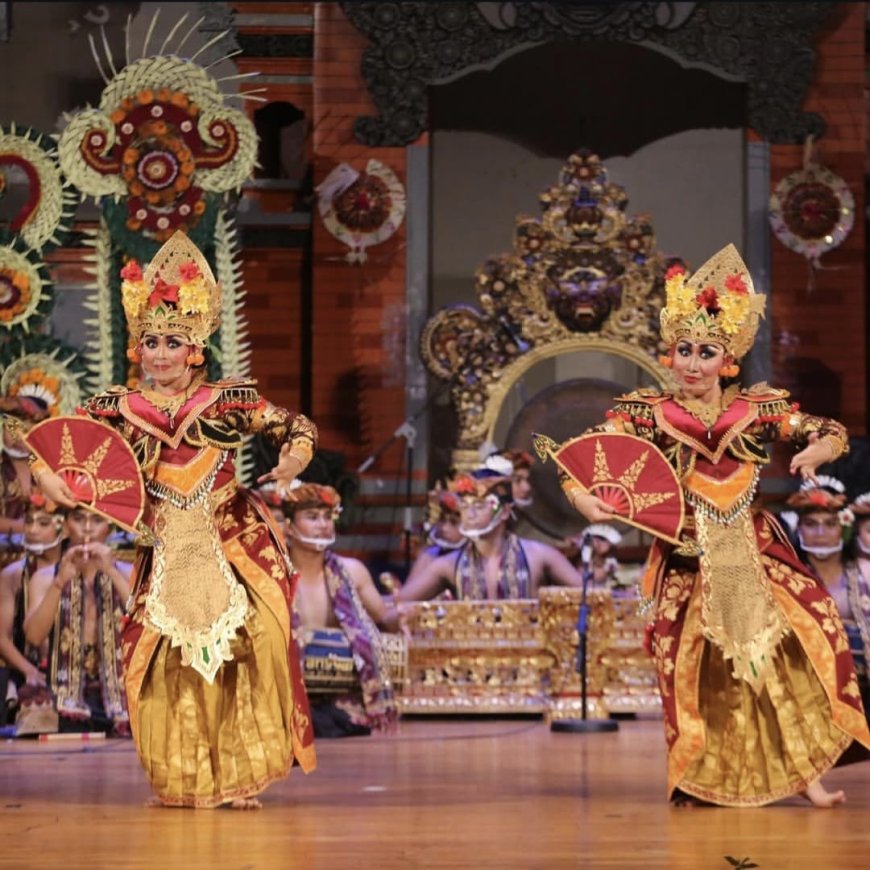
DENPASAR – Amid the rush of modernization, the preservation of classical Balinese arts has become a calling upheld with deep dedication by various art collectives. One of them is Sanggar Seni Tasik Kula Githa, located in Banjar Suwung Kangin, Sidakarya Village, South Denpasar. This sanggar is not merely a practice space; it is a cultural stronghold that consistently revitalizes the beauty of Classical Palegongan.
Commitment to Semar Pegulingan and Palegongan
Under the leadership of I Ketut Adi Aryawan, Tasik Kula Githa has built a strong identity in the realms of dance and gamelan. Their primary focus is presenting Classical Palegongan accompanied by the refined melodies of the Semar Pegulingan ensemble.
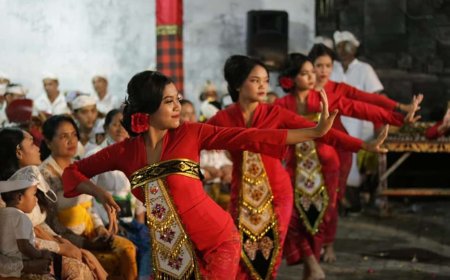
Palegongan is among the most sophisticated and noble genres of Balinese dance, known for its refined movements, profound narrative flow, and gamelan accompaniment that is gentle yet regal. By preserving this tradition, Sanggar Tasik Kula Githa plays a vital role in safeguarding one of Bali’s highest artistic heritages.
Stunning on the Stage of the Bali Arts Festival (PKB).
The pinnacle of recognition for the sanggar’s hard work is often seen in Bali’s largest annual cultural event, the Bali Arts Festival (PKB). Sanggar Tasik Kula Githa is regularly entrusted to represent Denpasar City as its cultural delegate.
In a single performance, they successfully presented:
- Sumambang Bali Opening Piece: A vibrant and festive welcoming composition.
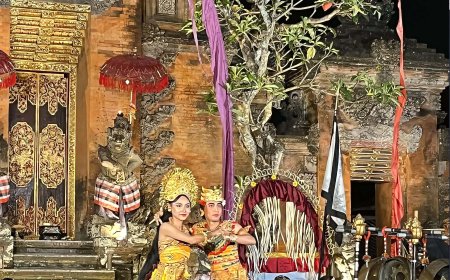
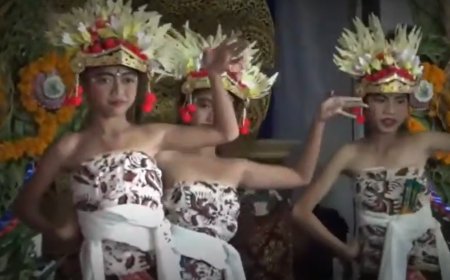
- Classical Legong Dance: Including Legong Kuntul, one of the iconic classical Legong dances of Denpasar City.
- Creative Legong Works: New pieces such as Legong Manuka and other creative Legong choreographies produced by the sanggar’s internal instructors—demonstrating not only preservation but also innovation.
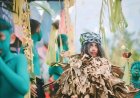
- Jauk Manis Dance: A dynamic masked dance chosen as an energetic closing performance.
Every appearance is the result of extensive preparation. According to Adi Aryawan, preparations for PKB begin intensively in January, involving solid collaboration among the sanggar’s members—consisting of dozens of musicians and dancers—supported by the coaching team for both music and dance.
A Platform for Nurturing the Next Generation of Local Artists
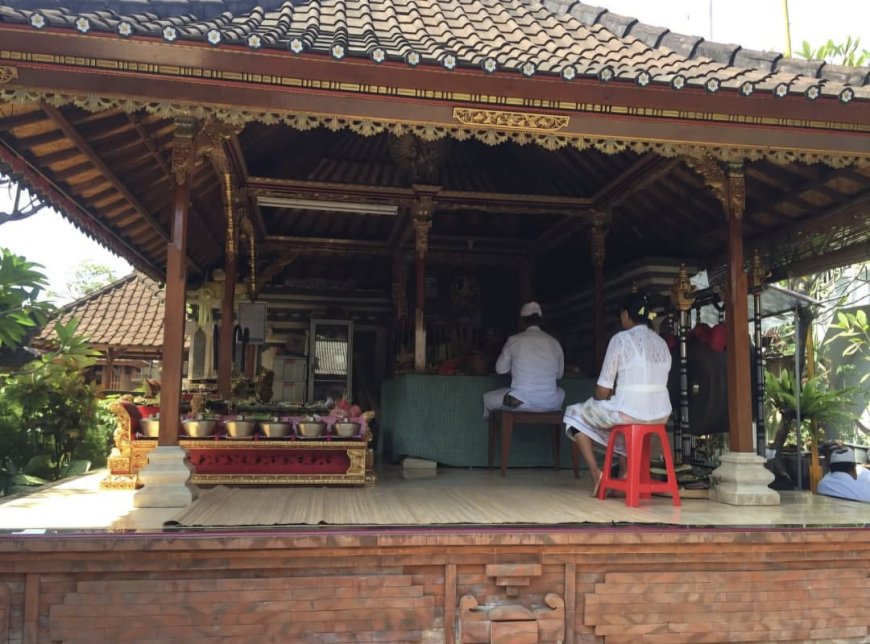
More than just a performing group, Tasik Kula Githa plays a vital role as a non-formal educational institution and a center for artistic regeneration for young talents in South Denpasar.
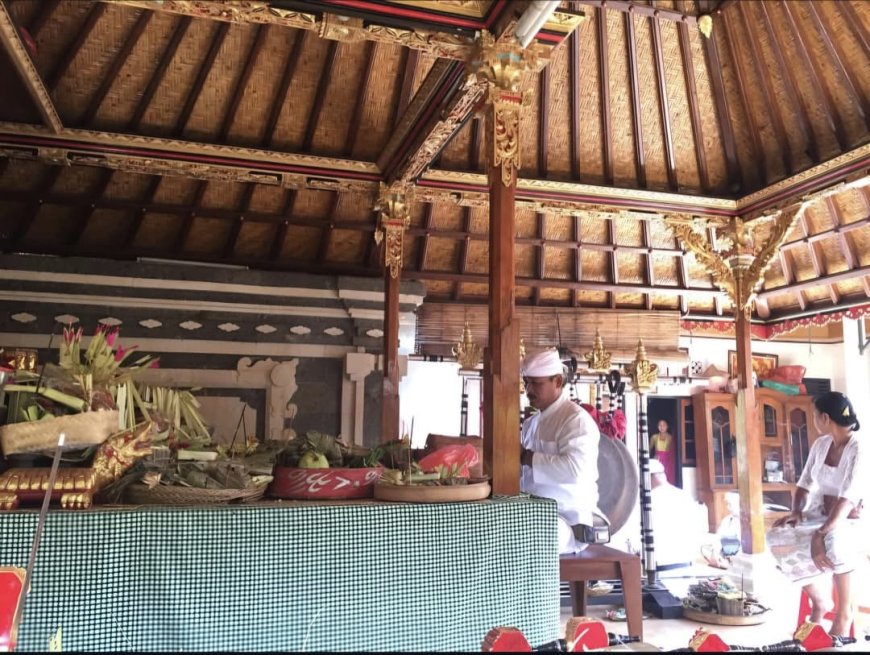
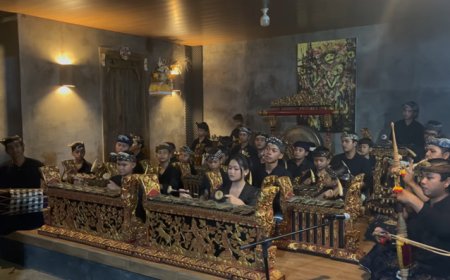
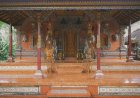
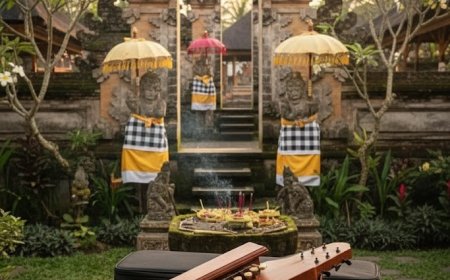
Preparation for the performance at the sanggar, surrounded by a sacred atmosphere and gamelan instruments. (source: personal collection)
Through their steadfast dedication to blending classical traditions with a spirit of new creativity, Sanggar Seni Tasik Kula Githa has proven itself to be an irreplaceable cultural pillar in preserving the heartbeat of Balinese arts in the city of Denpasar.