



















Dharma and Adharma: The Eternal Battle Barong and Rangda
On the mystical island of Bali, an eternal battle between good and evil continues to unfold. Barong, the protective spirit in the form of a mighty lion-like creature, clashes with Rangda, a terrifying witch endowed with dark powers. In this epic drama, neither good nor evil ever truly triumphs, but instead, they remain intertwined in a delicate balance.

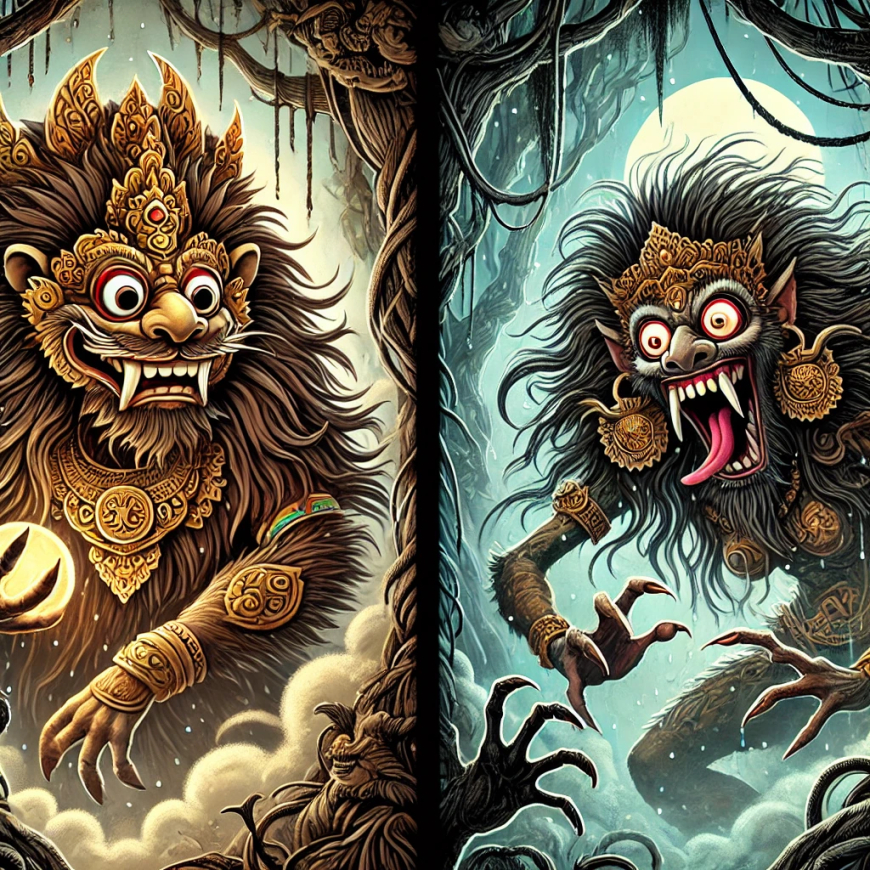
The story of Barong and Rangda is one of the most popular mythological tales in Bali, Indonesia. This tale depicts the eternal battle between the forces of good and evil, embodied by Barong, a lion-like creature symbolizing virtue and protection, and Rangda, a powerful witch representing darkness and destruction. Barong leads an army of good spirits, while Rangda commands evil forces to spread chaos. Despite the fierce battle, neither side truly wins, symbolizing the balance between good and evil in life.
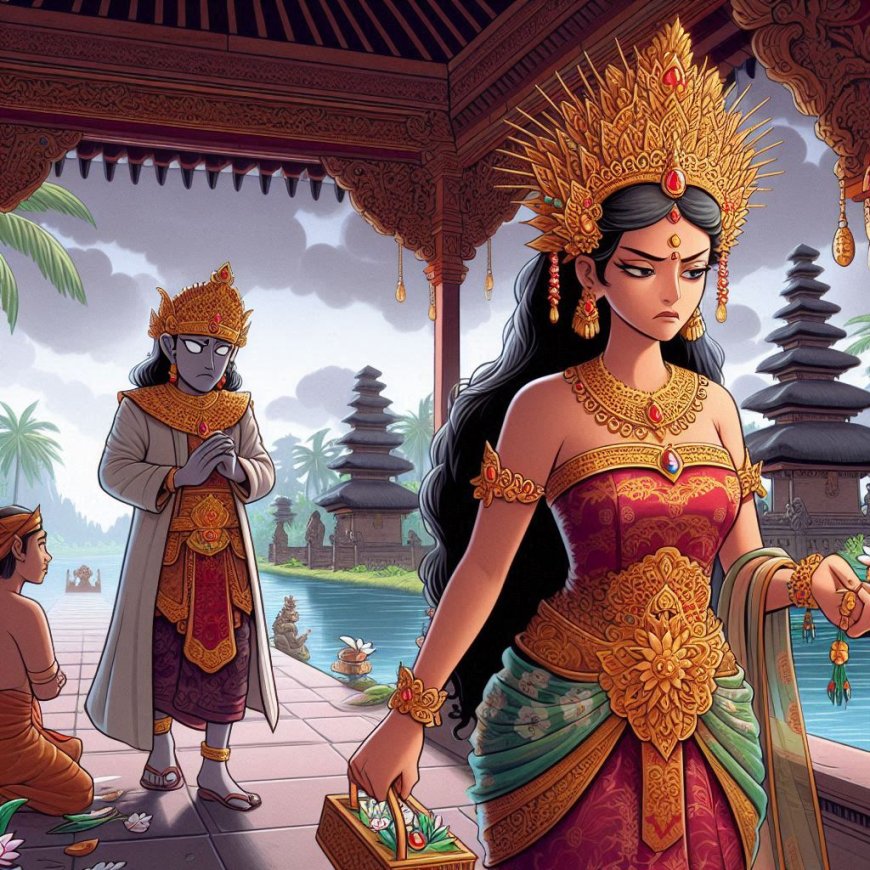
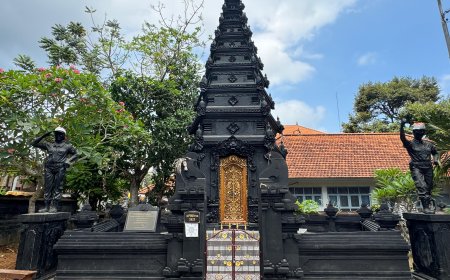
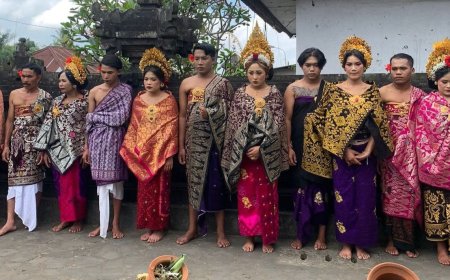
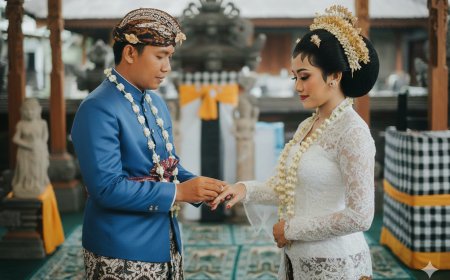
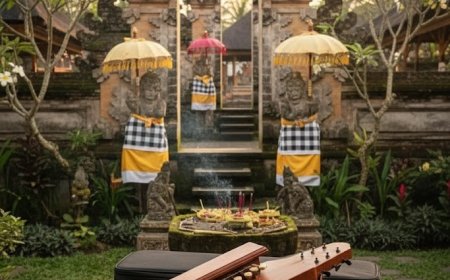
Queen Rangda was expelled from her kingdom. (Source: Personal Collection)
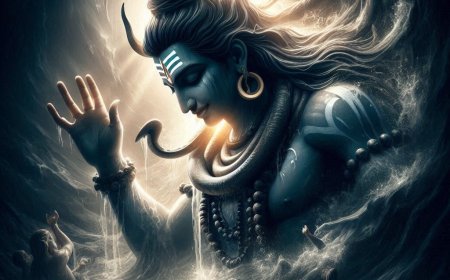
In Balinese mythology, Rangda is not merely an antagonist but also has a complex background. Rangda was once known as a princess named Calon Arang, who became a widow after the death of her husband, a Balinese king.After becoming a widow, she was banished from the palace by the new ruler and was blamed for causing misfortunes. Filled with resentment and bitterness, Calon Arang transformed into Rangda, an evil sorceress who mastered advanced dark magic.
Rangda, filled with anger and vengeance, decided to use her magical powers. She was determined to take revenge on the king who had banished her and everyone who had supported him. With her dark powers, Rangda spread terror, destroying everything in her path, bringing disaster to the entire kingdom that had betrayed her.
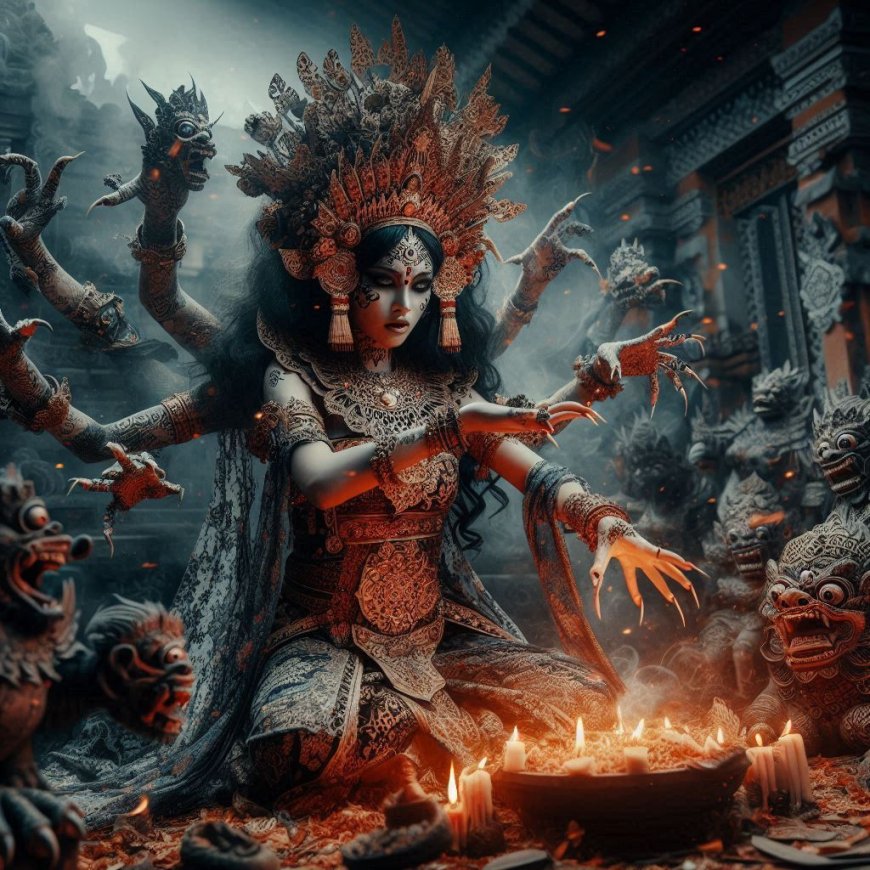
Rangda uses his black powers. (Source: Personal Collection)
Rangda, in her relentless quest for revenge, summoned an army of evil spirits and demons from the darkest realms to aid her in her sinister plan. With their help, she unleashed powerful curses upon the land, spreading fear and despair. The once peaceful land of Bali was soon plagued by disease, chaos, and death. Crops withered, rivers turned foul, and the people lived in constant terror, unsure of when the next disaster would strike. Rangda’s dark magic poisoned the very essence of the island, turning it into a place of suffering and ruin as her vengeance unfolded.
The entire region became tense as the people lived in fear of Rangda’s dark powers. Her malevolent influence brought chaos and destruction, with her ability to summon evil spirits, spread disease, and curse the land. Even the strongest warriors and rulers found themselves helpless against her wicked magic. In this state of despair, the people turned to Barong, the protective spirit, hoping that his strength could counterbalance Rangda’s darkness.
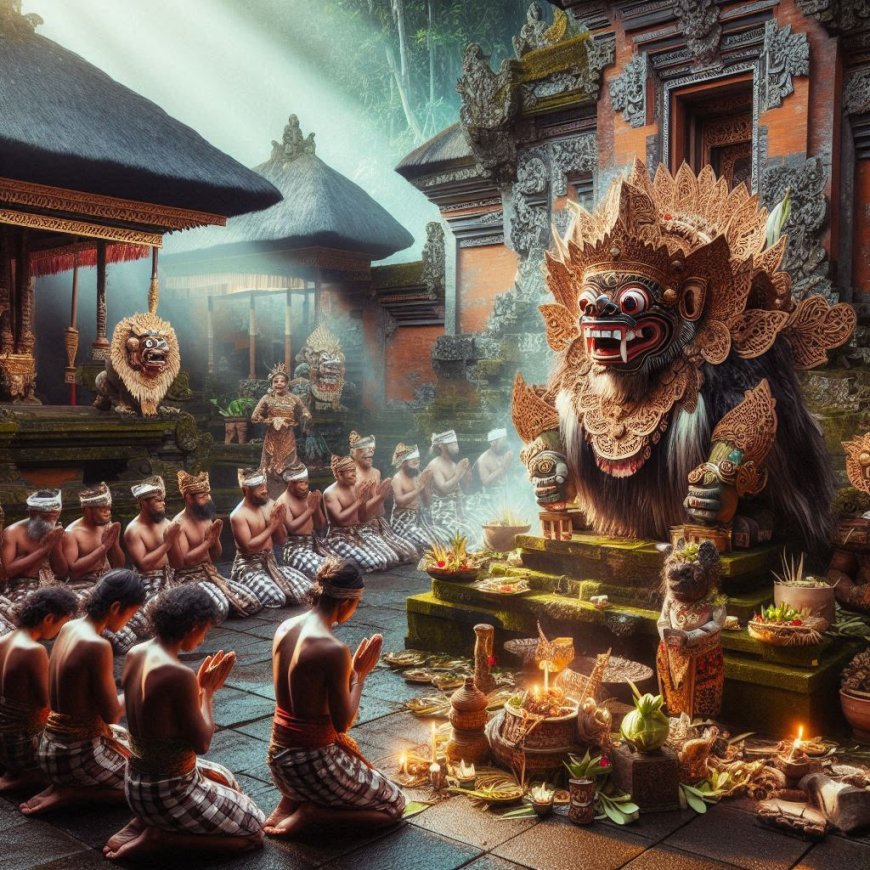
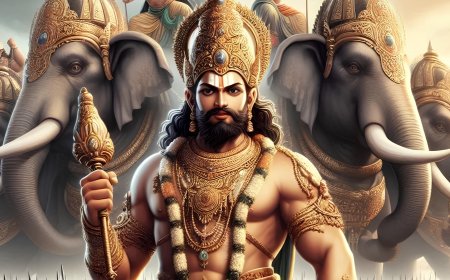
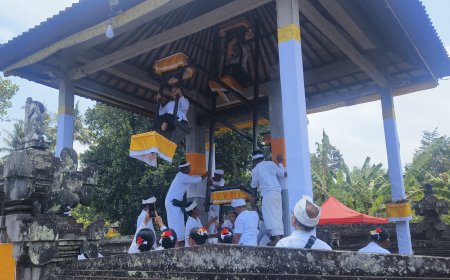
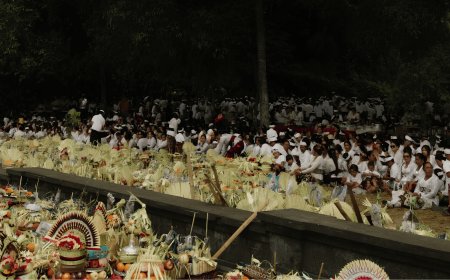
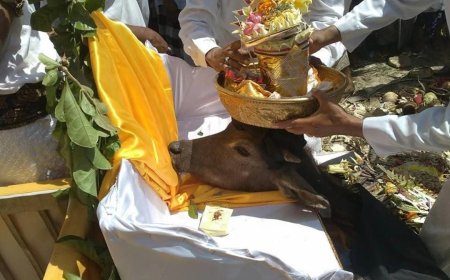
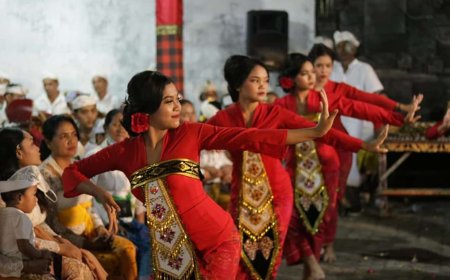
Balinese people ask for protection from the Barong. (Source: Personal Collection)
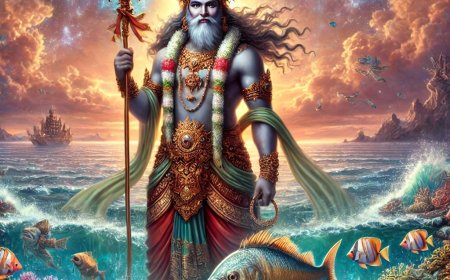
Amidst this chaos, the Balinese people sought protection from benevolent forces. They prayed to ancestral spirits and natural forces, and then sought the help of Barong, a mythical creature that symbolizes protection, goodness, and sacred spiritual strength.
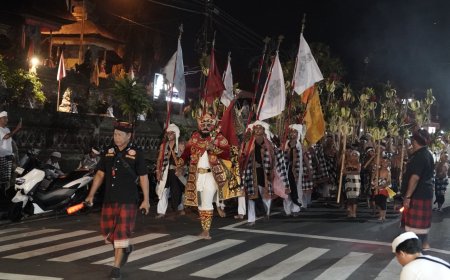
Barong is depicted as a creature with thick fur, a head resembling a lion, large eyes, and golden ornaments symbolizing his majesty and bravery. In some versions of the story, Barong is the king of protective spirits, representing the forces of good and embodying the spirit of benevolent ancestors. As the guardian and protector of the forest, Barong agreed to help the Balinese people. Along with his loyal followers, Barong led the forces of good in combating Rangda's evil influence. They performed ritual ceremonies and prayers to gain spiritual strength to confront Rangda's dark powers.
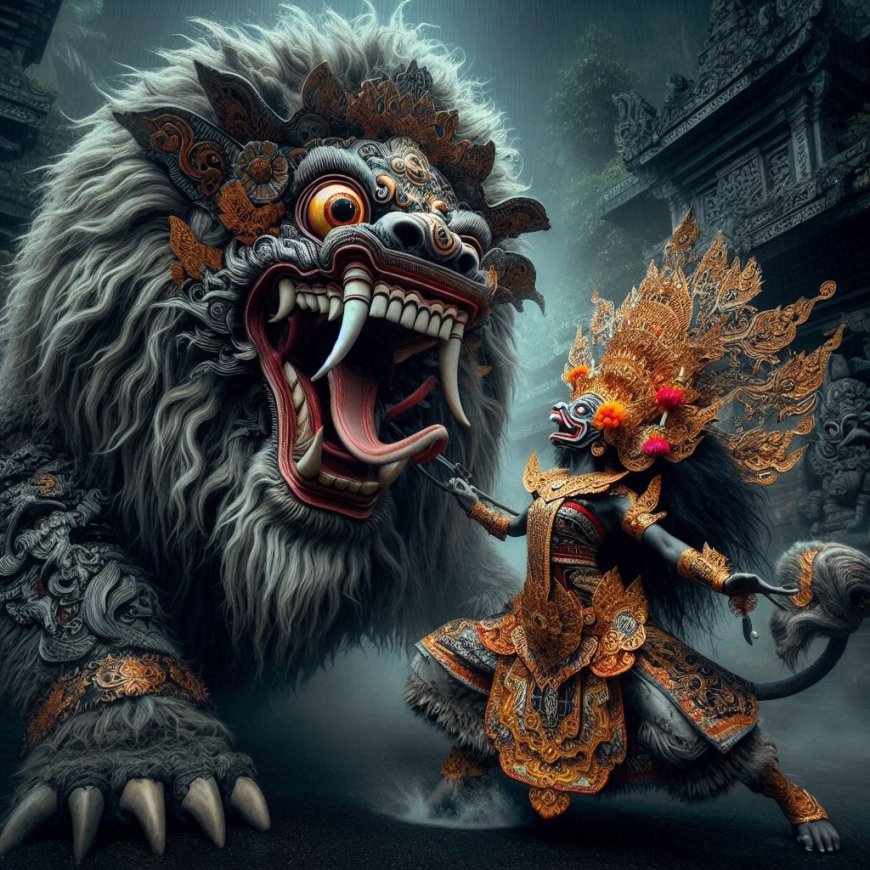
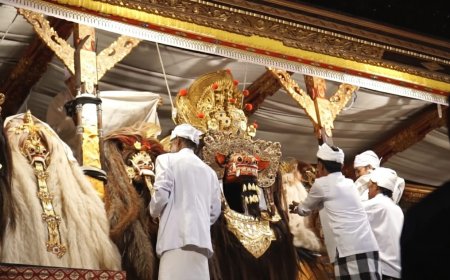
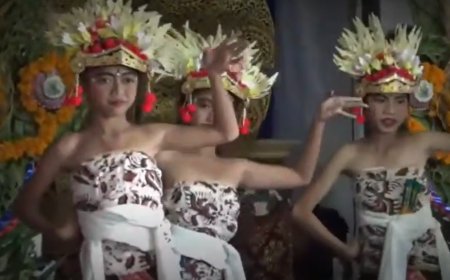
The epic battle getween good and evil. (Source: Personal Collection)
The climax of the story reaches its peak with the grand confrontation between Barong, the protective spirit of goodness, and Rangda, the embodiment of evil and chaos. Their battle is fierce and magical, symbolizing the eternal struggle between light and darkness. Barong, representing the forces of truth and harmony, faces Rangda's dark powers. Despite Rangda's terrifying magic and the legions of evil spirits under her command, Barong stands firm, aided by warriors and divine forces. This epic battle illustrates the balance of the universe, where good and evil are always locked in a cycle, neither truly defeated, but both essential to the cosmic order.
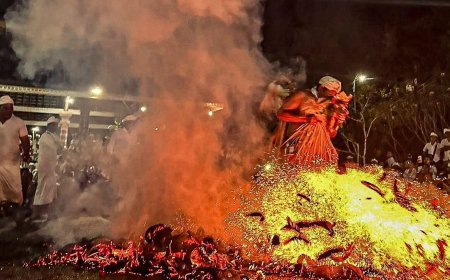
On one side, Rangda, with her powerful magical abilities, launches attacks with curses, spells, and evil spirits. She dances with wild and forceful movements, unleashing curses that cause the warriors on Barong’s side to become hysterical, losing control, and trying to stab themselves with their krises.
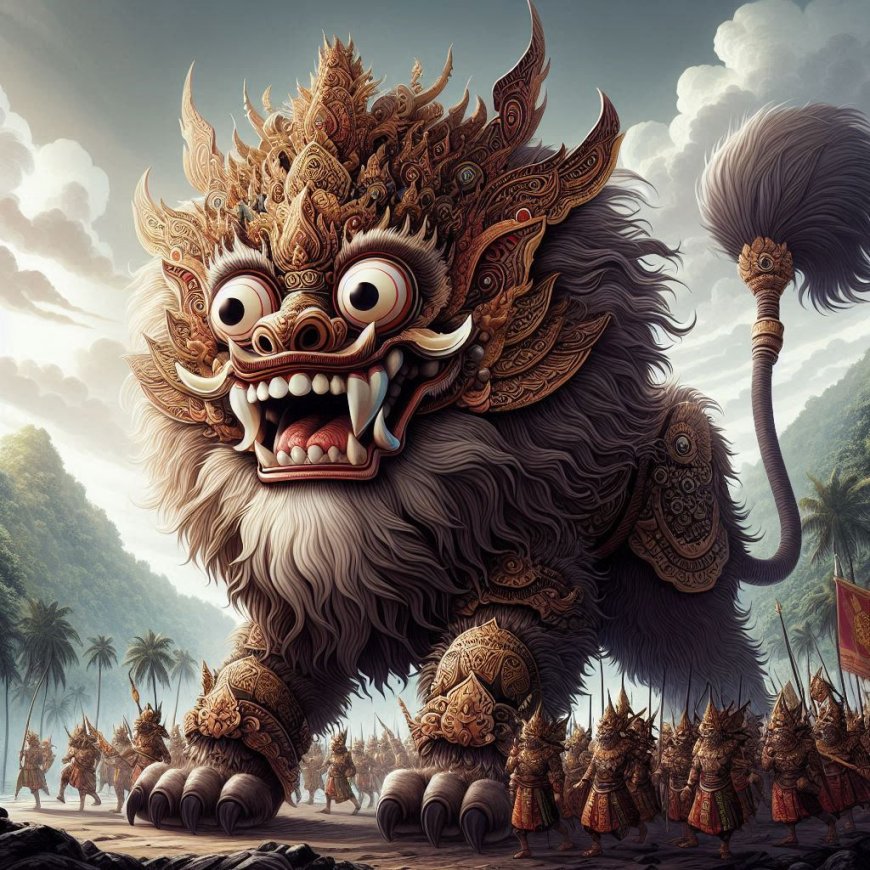
Barong protects his knights.(Source: Personal Collection)
However, Barong does not remain passive. With his spiritual strength, he protects the warriors from Rangda's spells. The warriors who try to stab themselves with the krises are unharmed because they are under Barong's magical protection. This is the most dramatic part of the Barong Dance performance, where the warriors demonstrate their immunity to weapons, symbolizing the protection of benevolent spirits.The battle is intense, with both sides being equally powerful. Rangda, using her dark powers, continues to cast evil spells and curses. Meanwhile, Barong keeps inspiring and protecting his followers, showcasing the undying strength of good.
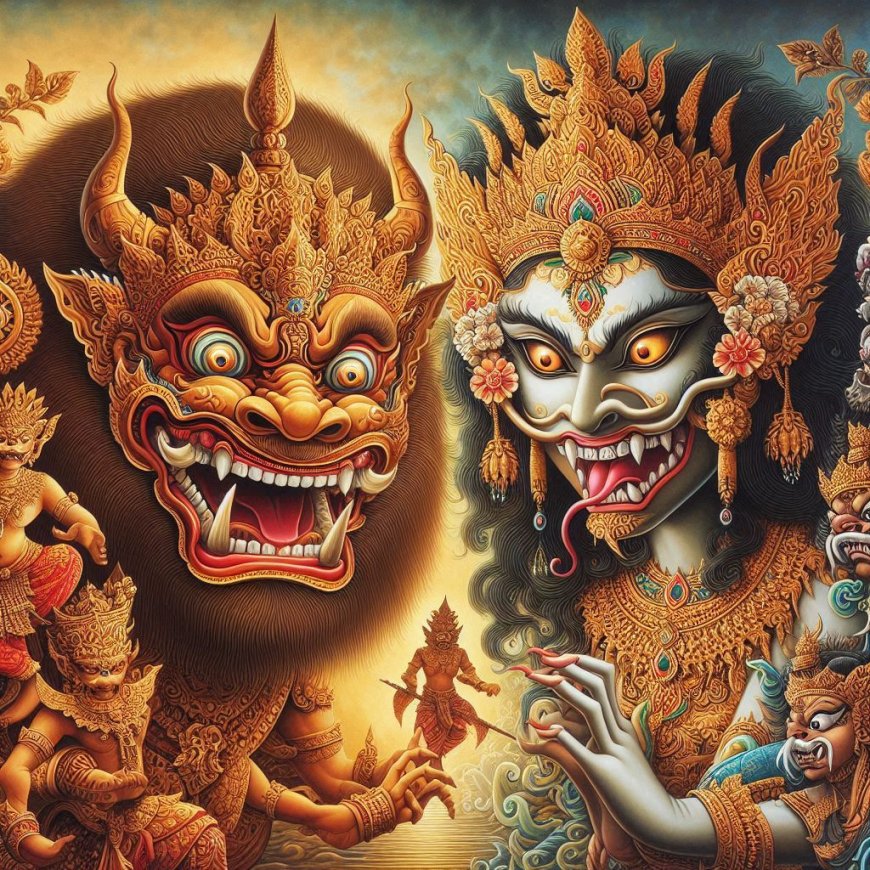
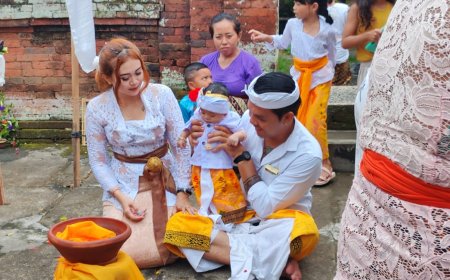
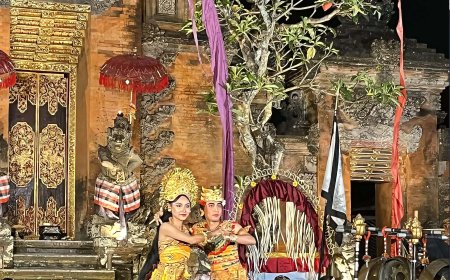
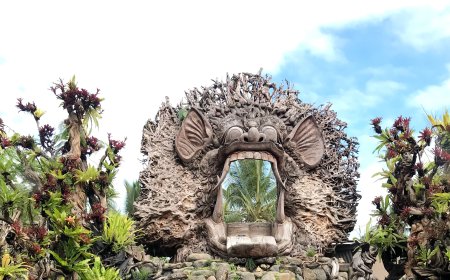
the end of the barong and rangda fight. (Source: Personal Collection)
In the end, there is no victor in the battle between Barong and Rangda. Both are equally strong and cannot permanently defeat each other. The battle concludes with Barong and Rangda ceasing their fight, reflecting the balance between good and evil in the world. This philosophy emphasizes that in life, good and evil always coexist. Neither can entirely eliminate the other; instead, there must be harmony and balance.
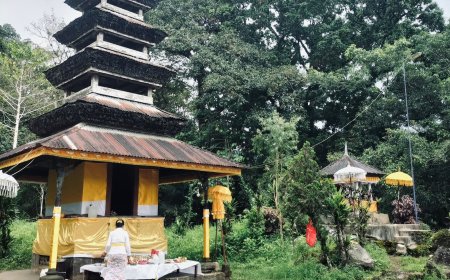
The story of Barong and Rangda carries deep philosophical meaning for the Balinese people. They believe that in every aspect of life, there is always an element of both good and evil that must be maintained in balance. These two forces are not enemies to be eradicated, but rather parts of the duality of the universe. This is reflected in Balinese Hindu teachings, which emphasize that human life is filled with challenges from both good forces (dharma) and evil forces (adharma), and that humans must learn to balance both. The Barong and Rangda dance performances, which are frequently staged in Bali, are not merely dances but spiritual rituals aimed at cleansing evil spirits and seeking protection from good forces. Both locals and tourists witness these performances as a form of meditation and spiritual reflection on life's balance.
The story of Barong and Rangda lives on in Balinese culture as a reminder of the importance of maintaining balance between good and evil, while honoring ancestral traditions and the spiritual values passed down through generations. These rituals teach that life is about seeking balance, and that every individual plays a role in maintaining harmony in this world.