

























Behind the Waves of the Indian Ocean: Pigstone Beach as a Hidden Landscape of Bali
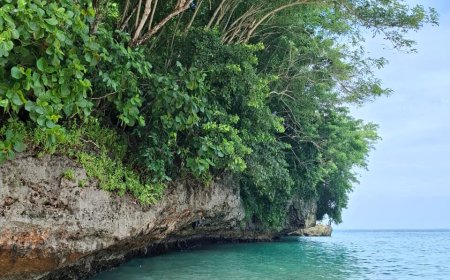
Pigstone Beach, located in Kediri District, Tabanan Regency, Bali, presents a coastal atmosphere that remains quiet and far from crowds. Situated in western Bali, Pigstone Beach offers a simple landscape with a natural shoreline and wide open spaces. The sense of solitude that envelops this beach makes it an ideal place to experience Bali from a calmer perspective, where nature exists with minimal human intervention.

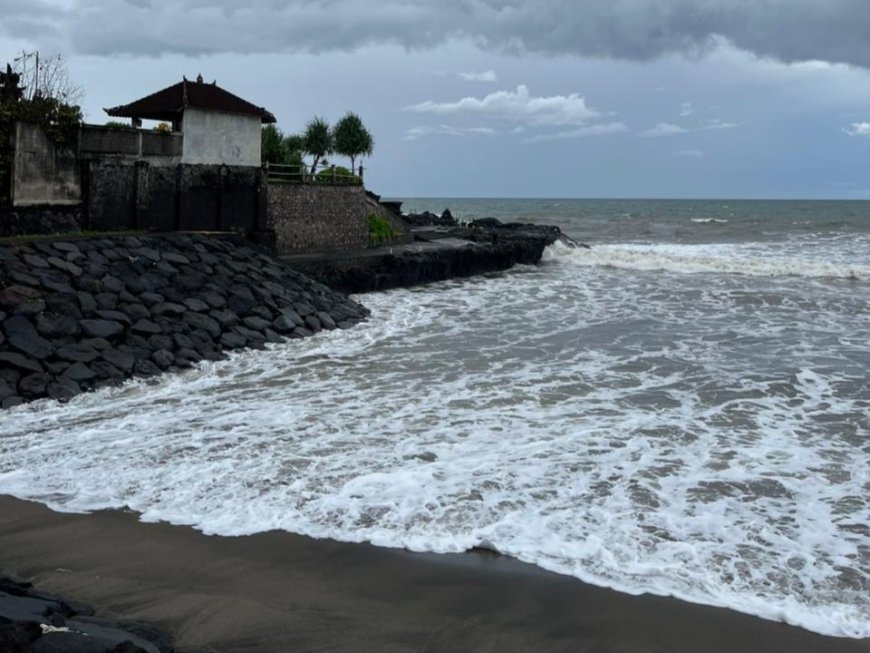
Pigstone Beach as a Hidden Coastal Landscape
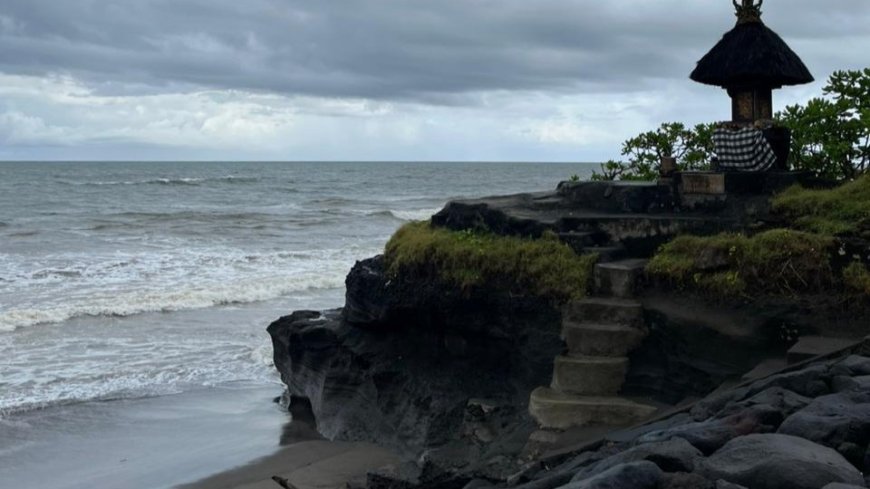
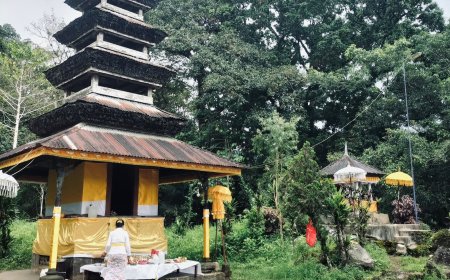
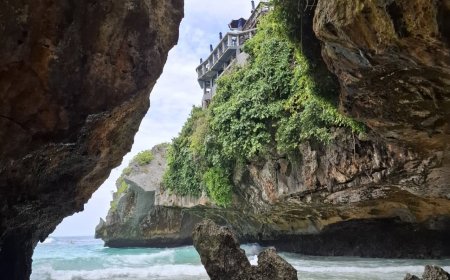
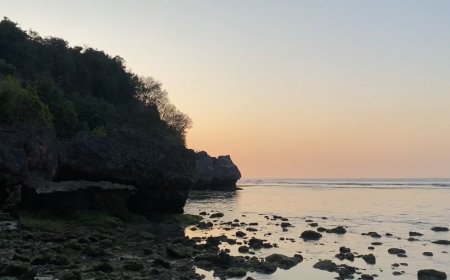
Small Temple on the Cliff at the Edge of the Beach (Source: Personal Collection)
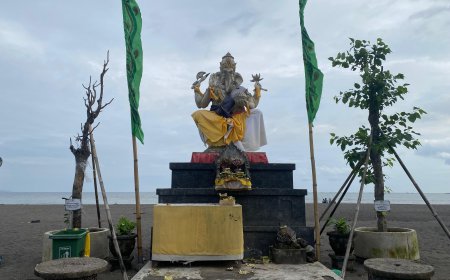
Cliffs, a Small Temple, and Sacred Space by the Sea
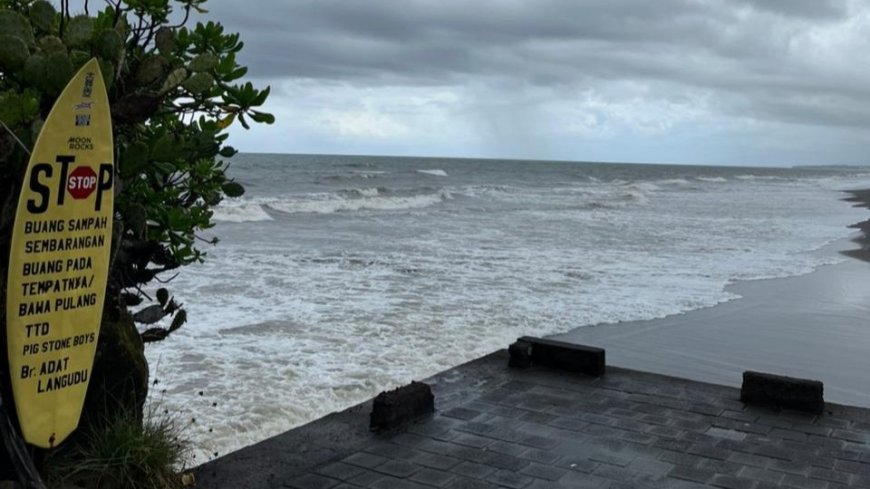
Warning Sign for Beach Visitors (Source: Personal Collection)
Pigstone Beach and Its Relationship with the Surrounding Community
For the surrounding community, Pigstone Beach is not merely an isolated natural space. The beach forms part of daily life, functioning as a place for activities, reflection, and as a natural boundary between land and sea. The relationship between the community and the beach is shaped through direct experience rather than solely through tourism related economic interests.
The existence of Pigstone Beach also demonstrates how local communities indirectly contribute to the sustainability of the coastal landscape. The absence of large-scale development around the beach allows it to remain in a relatively natural condition. This reflects a form of local wisdom in treating nature, where the beach is not fully exploited but allowed to exist according to its natural character.
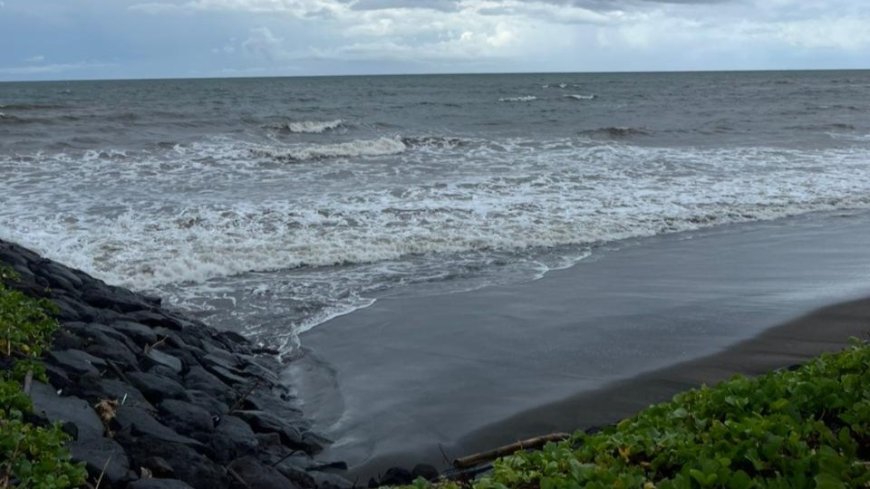
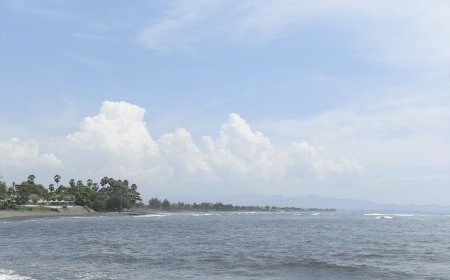
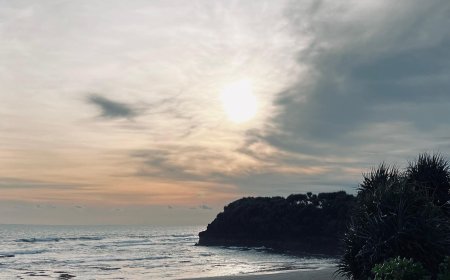
The Crashing Waves of Pigstone Beach (Source: Personal Collection)
The Meaning of the Crashing Waves at Pigstone Beach
The crashing waves at Pigstone Beach are not merely the movement of seawater, but a natural element that shapes the overall character and atmosphere of the beach. The waves move with moderate intensity and a stable rhythm, creating continuous interaction between the sea and the land. These wave patterns highlight Pigstone Beach as a coastal landscape that remains natural, where environmental dynamics occur without the dominance of human activity.
In terms of spatial experience, the waves at Pigstone Beach create a quiet and reflective atmosphere. The consistent sound of the waves produces a sense of calm, while also reminding visitors of the sea as a natural force that is constantly at work. The meaning of the crashing waves at this beach lies in the balance between movement and stillness, positioning Pigstone Beach as a coastal space with contemplative and ecological value.