













Biyukukung: Bali’s Traditional Sweet Cake Made of Rice Flour and Palm Sugar
Biyukukung is a traditional Balinese cake made from rice flour, palm sugar, bamboo leaves, and plantains, featuring a soft sweetness and chewy texture. This cake plays an important role in the Mabiyukukung ceremony, an agrarian ritual to pray for rice fertility to Ida Sang Hyang Widhi Wasa. Wrapped in bamboo leaves, Biyukukung symbolizes simplicity, harmony with nature, and gratitude within Balinese society.


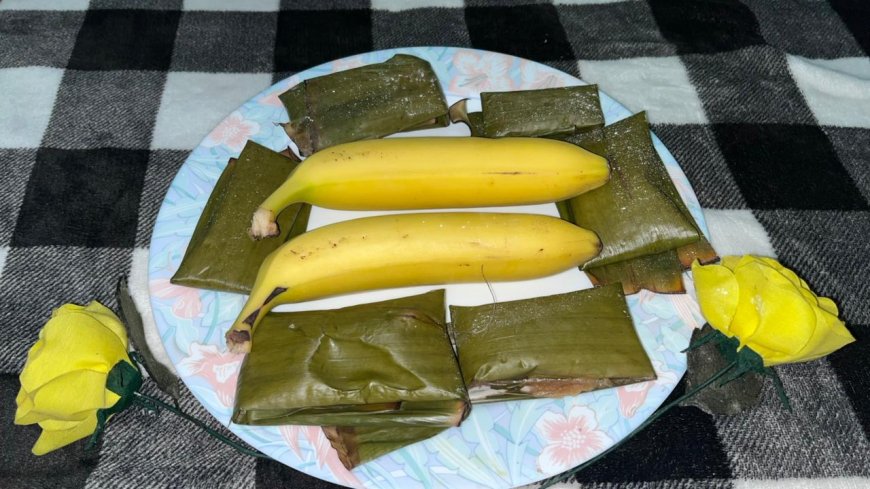

The island of Bali is not only renowned for its natural beauty but also for its captivating culinary treasures. One traditional delicacy worth trying is Biyukukung, a sweet snack made from simple ingredients such as rice flour, palm sugar, bamboo leaves, and plantains. This cake has a soft, sweet taste and a chewy texture, making it not only delicious but also rich in cultural value.
In Balinese society, Biyukukung holds a special place. It is not only served as a daily snack but is also a significant part of various traditional ceremonies, including the Mabiyukukung ritual. This unique agrarian ritual in Bali is centered on rice fertility, serving as a prayer to Ida Sang Hyang Widhi Wasa for the rice growing in the fields to thrive, succeed, and remain protected.
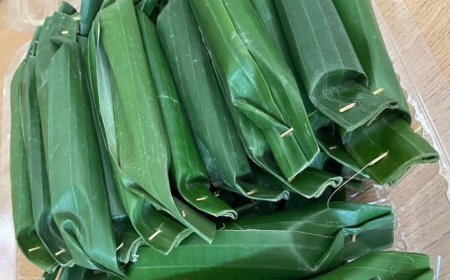
Ingredients for Making Biyukukung
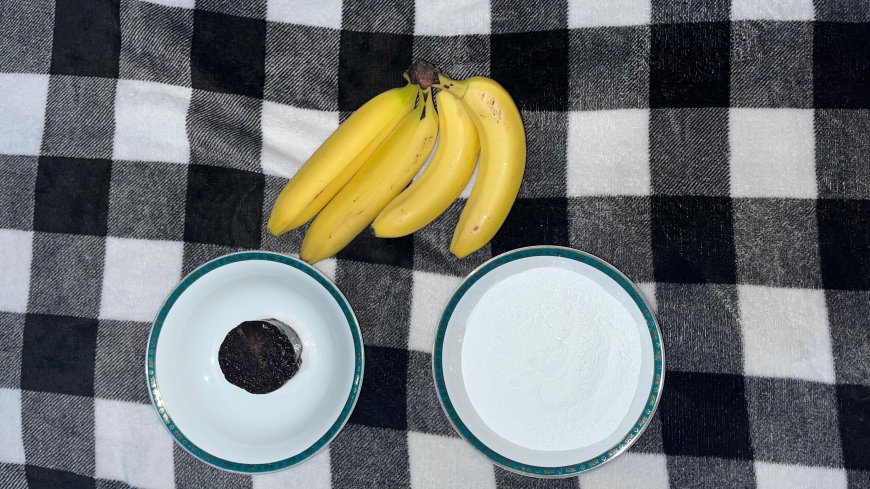
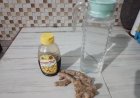
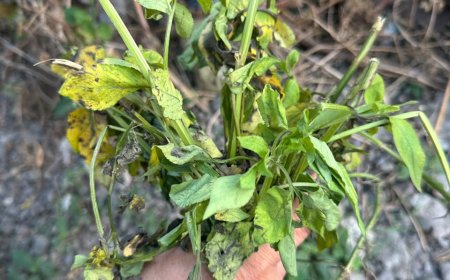
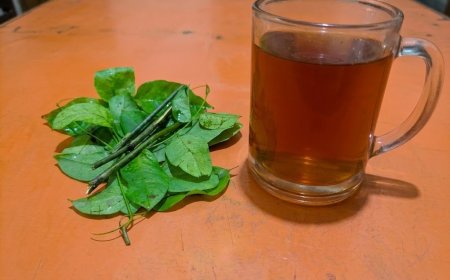
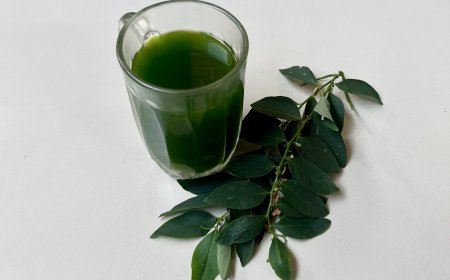
Ingredients for Making Biyukukung (Photo Source: Personal Collection)
The uniqueness of Biyukukung lies in its use of traditional ingredients that are easily found in Bali and its surroundings. The required ingredients are:
- 200 grams of rice flour
Rice flour is the main ingredient that gives this cake its soft and chewy texture.
Finely shaved palm sugar provides the distinct natural sweetness of Biyukukung.
Used as natural wrappers, bamboo leaves add a fresh aroma and reflect the philosophy of sustainability.
Plantains (also known as cooking bananas) are chosen for their firm texture, which remains intact during cooking, adding a sweet and savory flavor.
Steps to Make Biyukukung
The process of making Biyukukung is simple but requires precision to maintain its taste and texture. Here’s how to make it:
- Preparation
- Peel the plantains and mash them. Use bananas that are not overly ripe to ensure firmness after cooking.
Finely shave the palm sugar and dissolve it in a small amount of water. Cook until fully melted, then strain to remove impurities.
- Peel the plantains and mash them. Use bananas that are not overly ripe to ensure firmness after cooking.
- Make the Rice Flour Dough
- Wrap with Bamboo Leaves
- Steaming Process
- Once cooked, remove the packages and let them cool slightly. Carefully unwrap the bamboo leaves to avoid damaging the cake’s shape. Serve warm to enjoy the best flavor.
Biyukukung and Its Role in the Mabiyukukung Ceremony
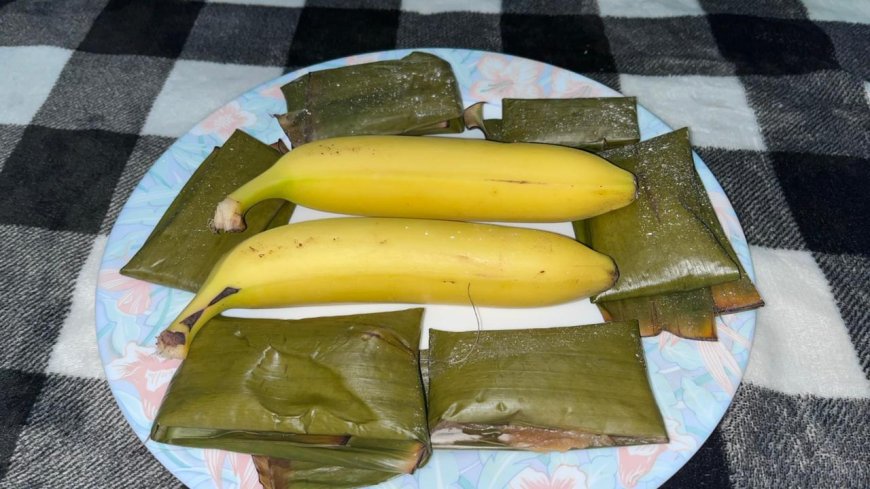
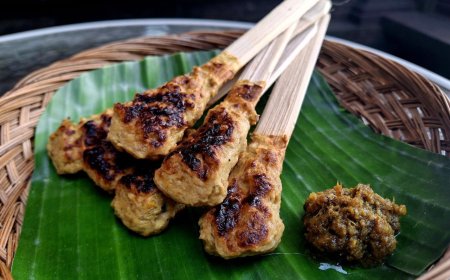
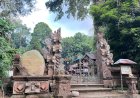
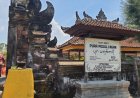
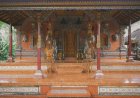
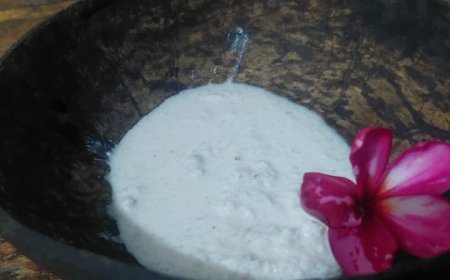
Biyukukung (Photo Source: Personal Collection)
The name Biyukukung is inspired by the beauty and simplicity of Bali’s natural surroundings. This aligns with its philosophical significance in the Mabiyukukung ceremony, where Balinese people offer prayers to their ancestors and deities as an expression of gratitude for their blessings.
Made from natural ingredients like rice flour and palm sugar, Biyukukung symbolizes a humble yet grateful life. The bamboo leaves used as wrappers represent harmony with nature, while the plantains and palm sugar signify the sweetness of life and sustainability.
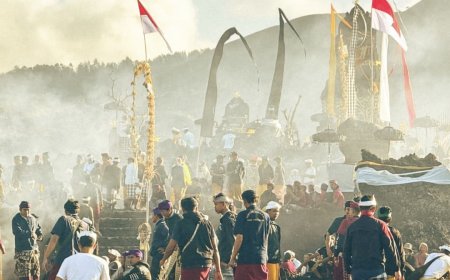
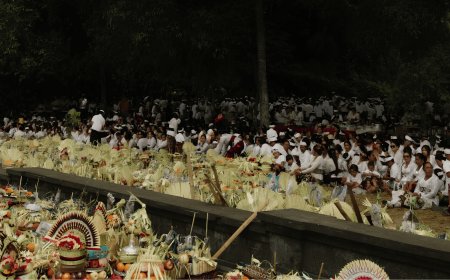
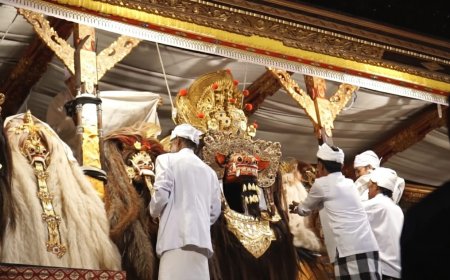
The Mabiyukukung ceremony is a unique agrarian ritual in Bali aimed at invoking blessings from Ida Sang Hyang Widhi Wasa for the growth and success of rice. It is likened to the union between Bhatara Sri and Bhatara Wisnu, based on the guidance of the Lontar Bhagawan Sukra, and is conducted when the rice reaches three months of age. The ceremony includes offerings such as Banten Sorohan, Penguritan, Penjor Biyukukung, and more, performed near the irrigation gates of rice fields.
The main function of this ritual is to pray for fertility and express gratitude to the divine. Additionally, it has a social function as it involves the community in collective efforts. This ritual reflects the harmony between humans, nature, and the divine while reinforcing religious and social values.