
















Ida Ayu Triana Titania Manuaba: From the Dance Stage to the Digital Screen, Preserving Tradition in the Real and Virtual Worlds
Amid the increasingly rapid shifts of the times, preserving tradition does not always mean remaining within a single, fixed space. For Ida Ayu Triana Titania Manuaba, Balinese dance has instead found a new space in which to live, moving from the stage to the digital screen without losing its roots and meaning. Her life journey illustrates how tradition can continue to grow, adapt, and reach generations across boundaries.

Background and Artistic Journey
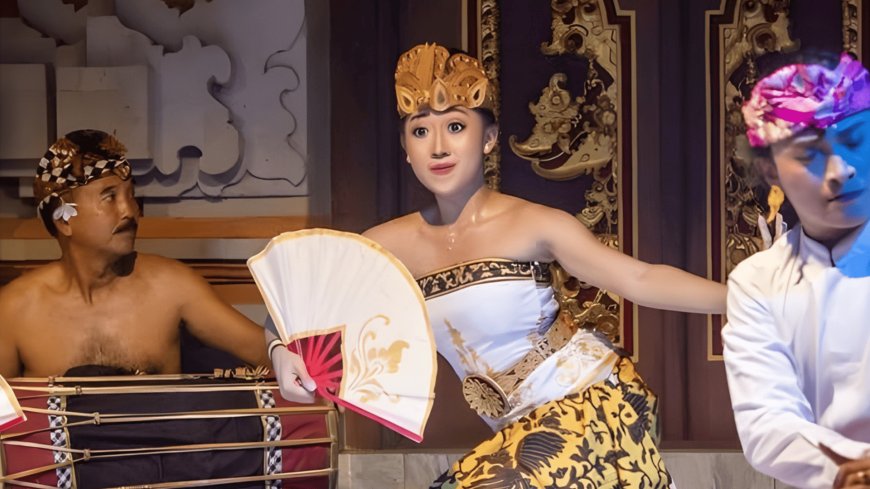
Ida Ayu Triana Titania Manuaba, affectionately known as Kak Titania, was born in Denpasar on September 27, 1998. She pursued formal education in the arts at the Indonesian Institute of the Arts (ISI) Denpasar, completing both her undergraduate and master’s degrees in the Dance Creation Study Program. This academic background strengthens her position as an art practitioner who not only works in performance, but also understands dance as a field of knowledge and a creative process. She is also the granddaughter of the late Ida Bagus Blangsinga, a Balinese dance maestro and the creator of the Kebyar Duduk Dance an important legacy that has shaped her life path.
Early Interest and the Journey into the World of Dance
Titania’s interest in the world of dance began to grow when she was in the second grade of elementary school. At around eight years old, she had already shown strong interest and talent. Although she feels she started later compared to children today, the process she underwent developed rapidly. She participated in various competitions that yielded positive results, eventually drawing the attention of senior artists. From fifth to sixth grade, she was already involved in the Bali Arts Festival (Pesta Kesenian Bali) and performed in the Gong Kebyar Festival, a prestigious arena for Balinese artists. In addition, she frequently represented her school in art events such as FLS2N and many other cultural festivals.
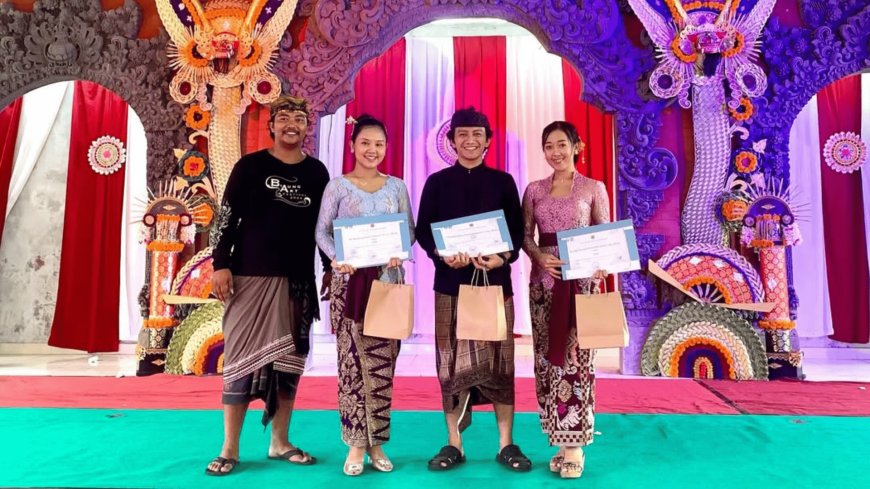
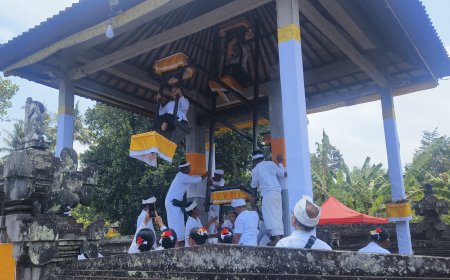
Titania Serving As A Judge at The Biaung Art Festival (Source: Dayu Titania)
Roles as a Practitioner, Educator, and Sanggar Advocate
Over time, Titania’s role in the arts expanded further. She is actively engaged as a dance practitioner, a dance teacher in schools, a judge in various art competitions, and the founder of Sanggar Griya Tetamian, which was established in 2021. The sanggar serves as a space for nurturing younger generations, as well as a medium for passing down the values and identity of Balinese dance rooted in tradition while remaining open to the dynamics of the times.
Bridging Dance Art and the Digital Space
Her encounter with the digital world began with her love for dancing and performing in front of the camera. With a background in art education and experience as a judge, she saw digital media as a space for sharing knowledge. Through dance videos and educational content on YouTube, Instagram, and other social media platforms, she began to build her identity as both a dancer and an educator. The content she presents does not merely showcase movement, but also reveals process, character, and an understanding of Balinese dance.
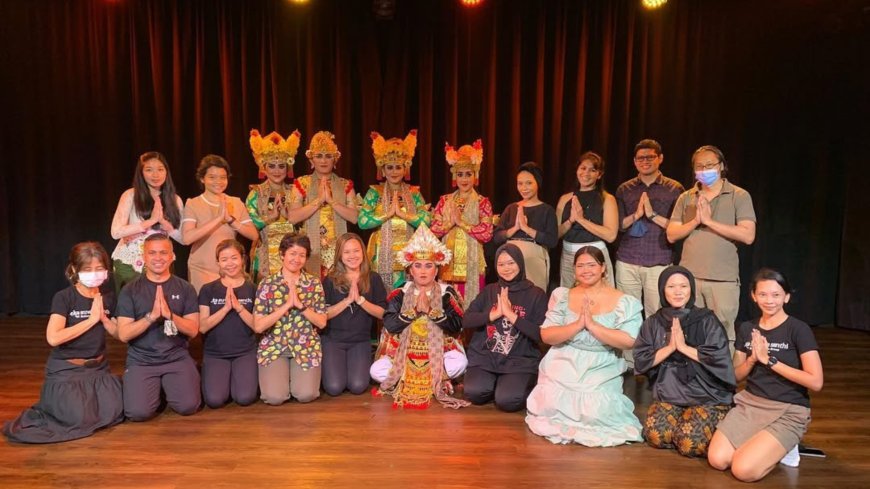
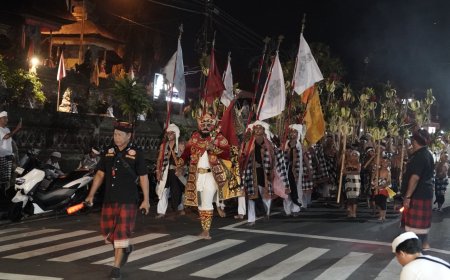
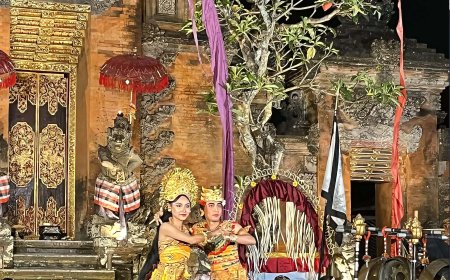
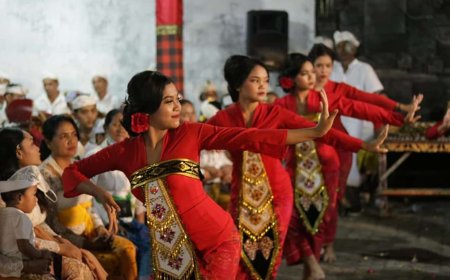
Balinese Dance Performance Abroad (Source: Dayu Titania)
Global Reach and the Impact of Social Media
The impact of these digital activities has been tangible. During her travels abroad, Titania has met art enthusiasts who recognized her through the Sanggar Griya Tetamian YouTube channel. Encounters with audiences from Japan and Singapore who learned dance through digital media serve as proof that Balinese dance can reach a global space without losing its identity. Social media has thus become both a learning platform and a living archive for those who wish to know and study Balinese dance, with her Instagram account @gektitania serving as one of her expressive spaces.
Time Challenges Amid Multiple Roles
Behind the many roles she carries, the greatest challenge she faces is time. High mobility as a dancer, trainer, judge, makeup artist, content creator, sanggar owner, and entertainment management organizer demands disciplined time management. The world of digital content creation, according to her, requires commitment and consistency equal to that demanded by stage practice. Yet these challenges have become part of her maturation process as an art practitioner in the present era.
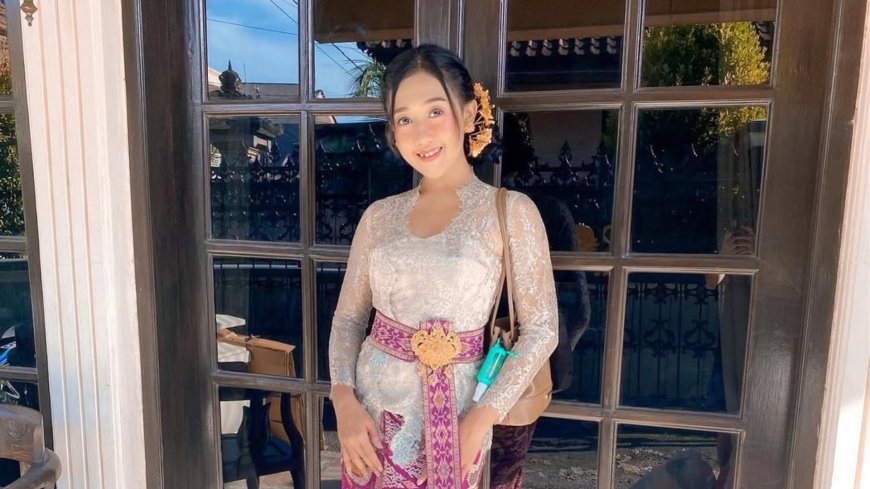
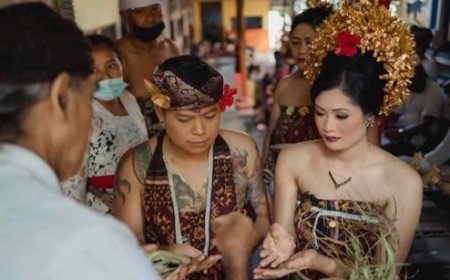
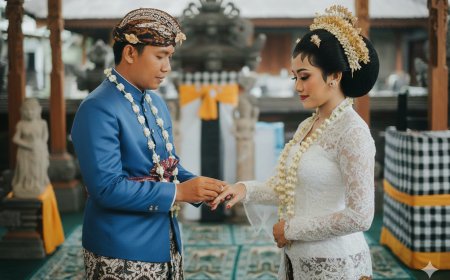
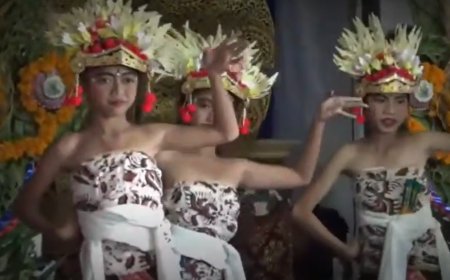
Titania Wearing Balinese Traditional Attire (Source: Personal Collection)
Tradition and Modernization as a Space for Collaboration
For Titania, tradition and modernization are not opposing forces. Tradition is seen as a strong foundation, while modernization provides a collaborative space to create new and relevant forms. Her experience performing at the Denpasar Festival through contemporary art works is one example of how tradition can be creatively reinterpreted. Within the freedom of contemporary artistic expression, she continues to incorporate traditional elements, including children’s games, as part of Bali’s collective cultural memory.
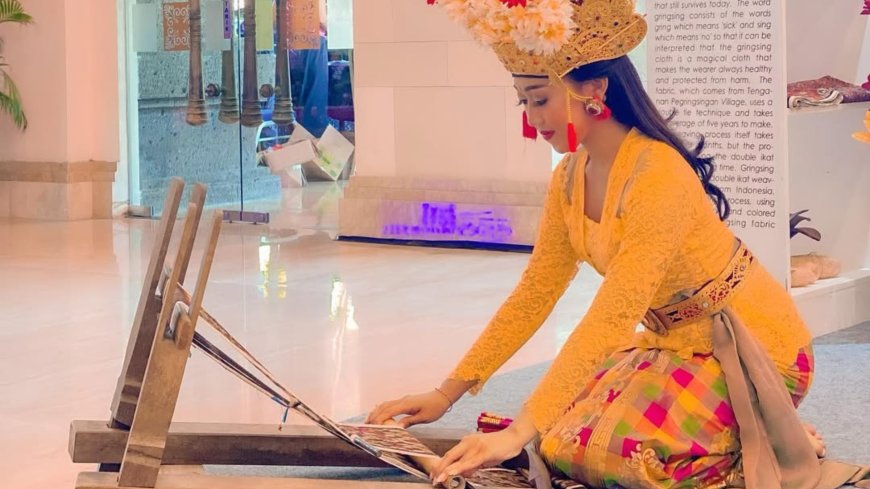
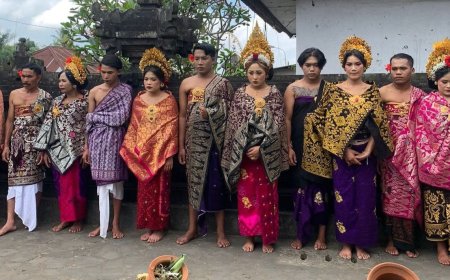
Titania Weaving at An Event (Source: Personal Collection)
Through the journey she has undertaken, Ida Ayu Triana Titania Manuaba demonstrates that preserving tradition does not always mean holding on to old forms. By standing firmly on cultural roots while opening herself to new media, Balinese dance can continue to live, move, and speak to present and future generations both in the real world and in the virtual realm.