
















Pura Penataran Pande Beng: Traces of Loyalty and the History of Beng Village through the Blessings of the King of Gianyar
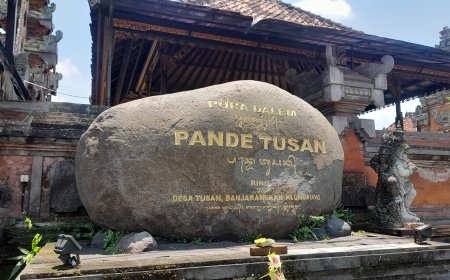
Pura Penataran Pande Beng serves as the historical axis of Beng Village, established by the Pande clan as a spiritual center and a "cosmic workshop" for metallurgical expertise . This temple records the traces of a strategic alliance between the blacksmith community and the Dewa Manggis Kuning Dynasty, where weaponry technology became a vital support for the legitimization of the kings' power . Beyond functioning as a place of ancestral worship, this site stands as a silent witness to social irony and the Pande Menggugat (Pande Challenges) resistance, a historical movement demanding status equality amidst a rigid caste hierarchy . By blending narratives of devotion and identity struggle, Pura Penataran Pande Beng currently stands as a monumental reminder that a community's true honor is not determined by social labels alone, but by their expertise, spiritual roles, and historical steadfastness .

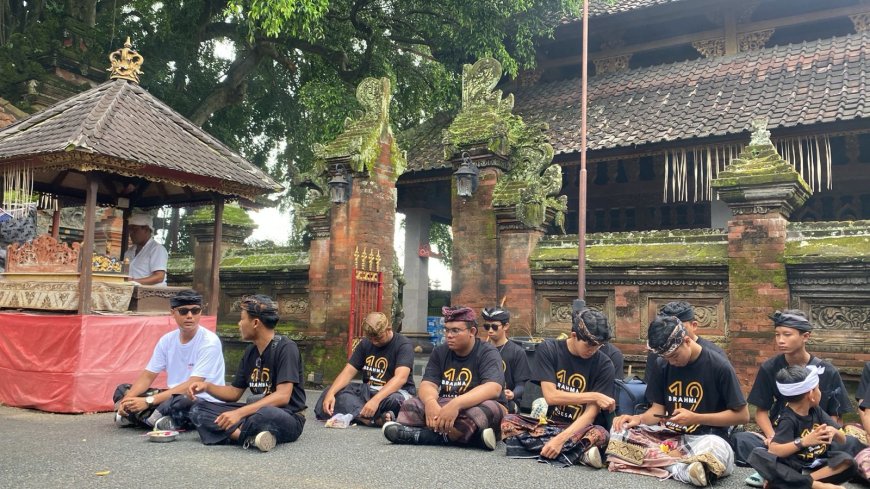
Pura Nataran Pande Beng in Gianyar serves as the historical axis of Beng Village, established as a primary sanctuary (kahyangan utama) by the soroh Pande a genealogical group of blacksmiths who inherited the art of metallurgy. The presence of this temple confirms that Beng Village was the embryo of a technology-centered settlement, a "cosmic workshop" where technical expertise was elevated into a spiritual force. The role of the Pande was fundamental, extending even to Pura Agung Besakih, where they were responsible for the arrangement of metal objects at Pura Catur Lawa Ida Ratu Pande. This temple is dedicated to venerating blacksmith ancestors and reflects the village's identity as a center of profound technical-spiritual expertise.
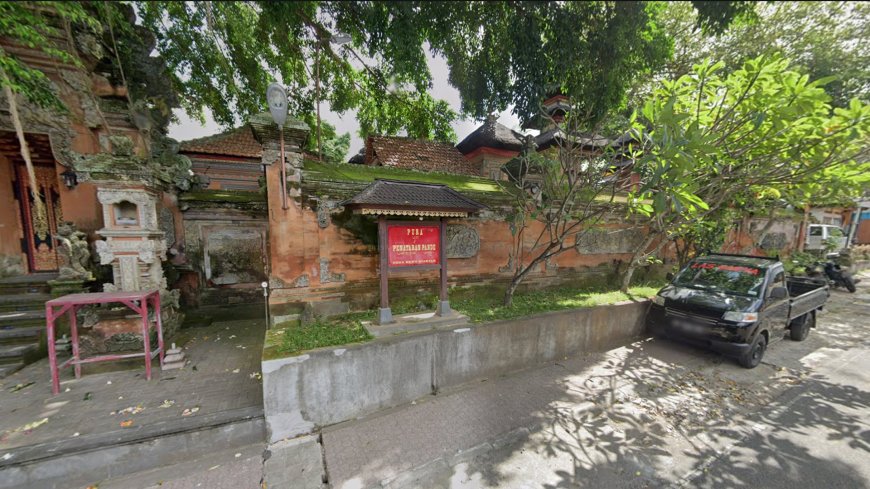
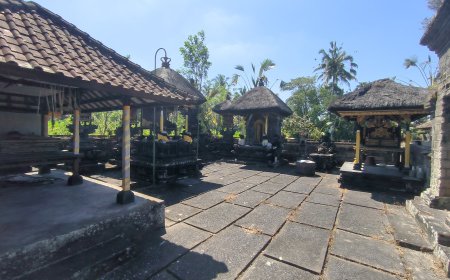
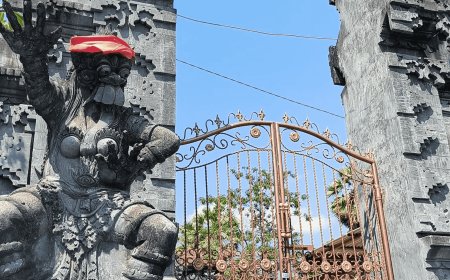
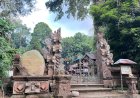
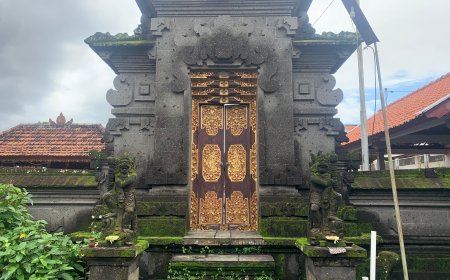
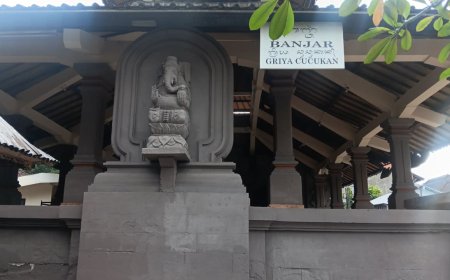
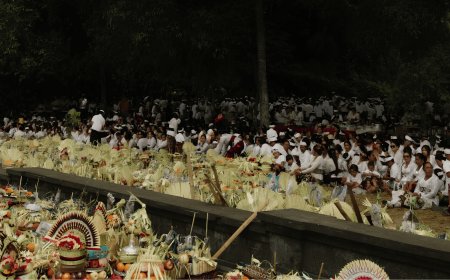
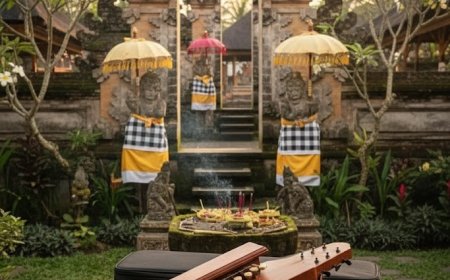
The Jaba Sisi of Pura Penataran Pande Beng, a silent witness to the historical alliance between the Pande clan and the Gianyar Kingdom. (Source: Personal Collection)
The history of Beng Village is intricately woven with the political sovereignty of the Gianyar Kingdom, beginning with the blessings and strategic alliance of Dewa Manggis Kuning, the primary ancestor of the Gianyar kings. The ruling knights (ksatrias) relied heavily on the Pande clan as suppliers of weapons, keris, and heirlooms sacred objects that legitimized the power of the Dewa Manggis Kuning lineage. Therefore, Pura Nataran Pande Beng stands as a silent witness to the Pande's loyalty to the knightly dynasty; it became a vital node where war technology and ritual met the needs of power, making this village a crucial junction in the formation history of the Gianyar Kingdom.
However, behind the narrative of loyalty and their vital role as the main pillars of sovereignty, there lay a deep social irony where the caste hierarchy placed the Pande as Jaba Wangsa a status contradictory to their functional superiority. This tension between technical superiority and social status sparked a fundamental upheaval known as the "Story of Pande's Demand" (Kisah Pande Menggugat). Beng Village, which should have been a symbol of pride, instead became the epicenter of resistance. Colonial archival evidence records that on May 20, 1911, the Iron Smiths (Pande Besi) of Beng Village formally submitted a letter to the Resident of Bali and Lombok demanding clarification on their titles or status, cementing Beng Village as ground zero for modern Balinese historical activism.

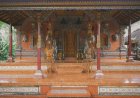
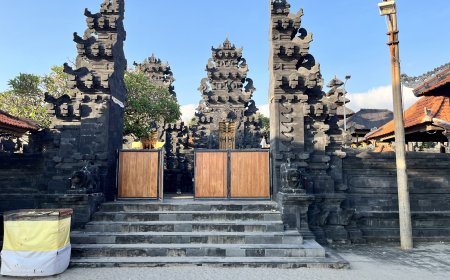
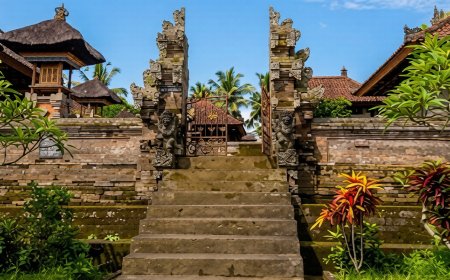
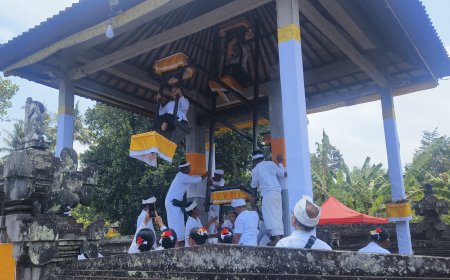
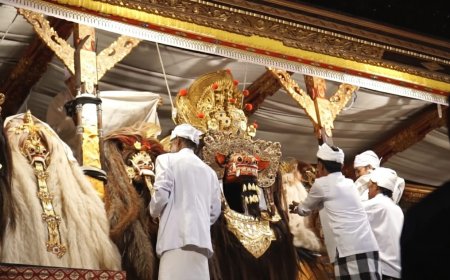
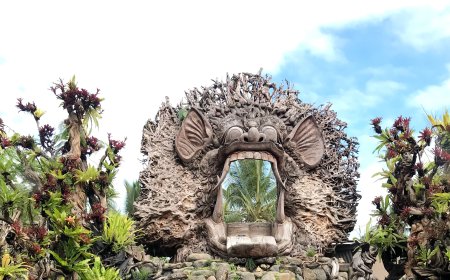
The Utama Mandala of Pura Penataran Pande Beng, a center for sanctifying metalworking skills and a symbol of the Pande clan's historical identity. (Source: Personal Collection)
To this day, Pura Nataran Pande Beng stands as a monument reminding us of ancient alliances and enduring resistance. This temple encapsulates the narrative of Beng Village's formation, built not only on the foundation of Dewa Manggis Kuning's power but also on the spirit of the Pande to demand recognition equal to their expertise. The Pande clan, now sheltering under the Maha Semaya Warga Pande, continues to hold firm to their identity, teaching that the true value of a community is not determined by social labels, but by expertise, spiritual roles, and the steadfastness of identity forged by history.