

















Taksu Beyond Boundaries: When Hindu, Muslim, and Christian Traditions Move in a Single Rhythm at Sanggar Dwi Lestari
Amid rapid modernization and shifting lifestyles, the preservation of traditional Balinese arts faces significant challenges. Balinese dance, as one of the core cultural identities of Bali, requires learning spaces that not only teach movement techniques, but also instill values, discipline, and a sense of belonging. It is within this context that Sanggar Tari Bali Dwi Lestari emerges as a space for artistic learning as well as a living center of togetherness within the community.

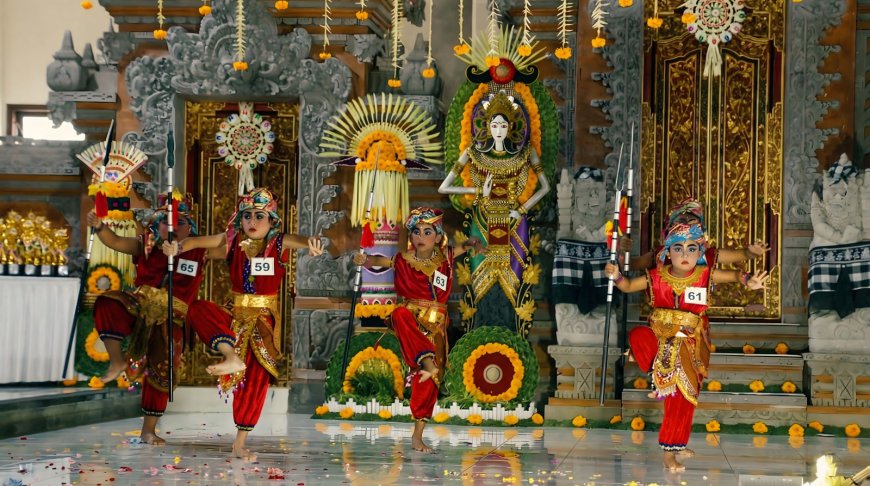
Sanggar Tari Bali Dwi Lestari was founded on September 2, 2012, by I Kadek Lamat, S.Pd. The establishment of this dance studio was motivated by a strong desire to preserve Balinese arts and culture, particularly traditional Balinese dance, so that it may continue to be recognized and passed down to future generations. From the beginning, the studio was designed as an open cultural education space for the wider community. The main objective of Sanggar Dwi Lestari is not only to produce skilled dancers, but also to shape a generation that understands the meaning of Balinese dance as a cultural heritage rich in philosophical, spiritual, and social values.
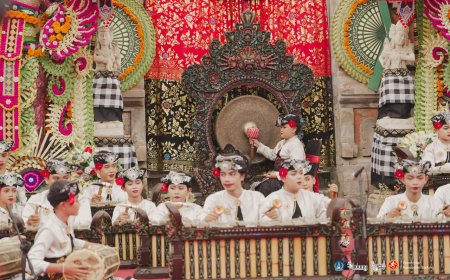
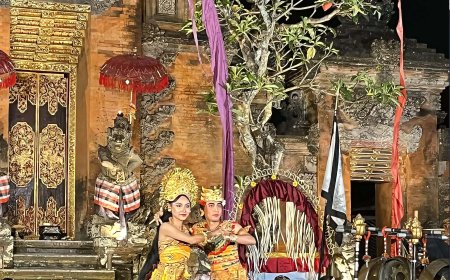
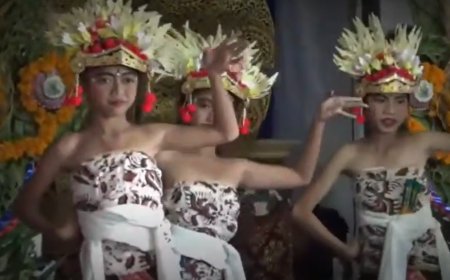
In line with its founding vision, Sanggar Dwi Lestari focuses specifically on Balinese dance. Various traditional dances are taught to participants according to their age and skill level. The learning process is carried out gradually and continuously, with an emphasis on movement precision, expression, and an understanding of the cultural values embedded in each dance. This approach positions the studio not merely as a place for technical training, but as a comprehensive space for cultural learning.
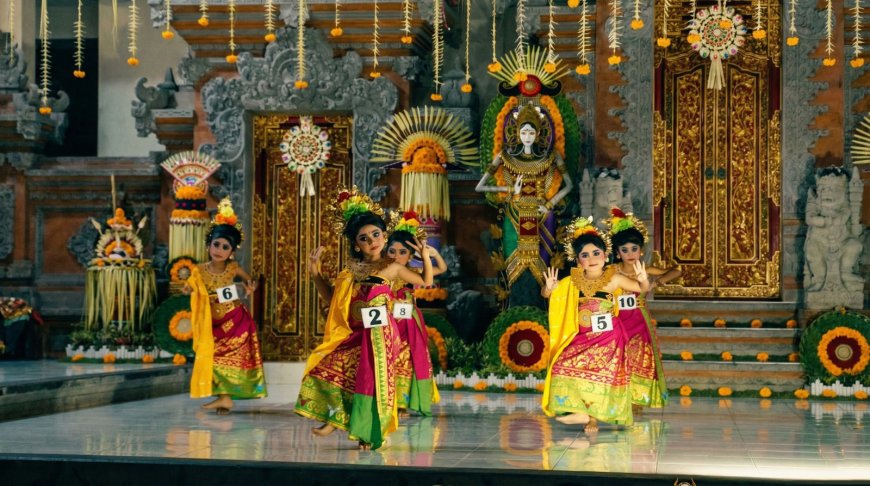
Level Promotion Examination (Source: Sanggar Collection)
Since its establishment, Sanggar Dwi Lestari has experienced significant growth. Its participants come from a wide range of age groups, starting from kindergarten-aged children, teenagers, to adults, including members of local women’s organizations. The strong interest shown by the community indicates that Balinese dance continues to hold an important place in social life. Although the studio experienced a temporary pause during the Covid-19 pandemic, its activities have since resumed and continue to receive positive responses from the community. This reflects the resilience of the studio as a cultural space that is both needed and valued.
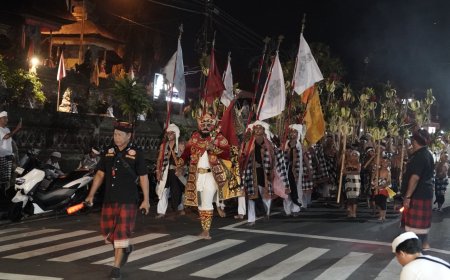
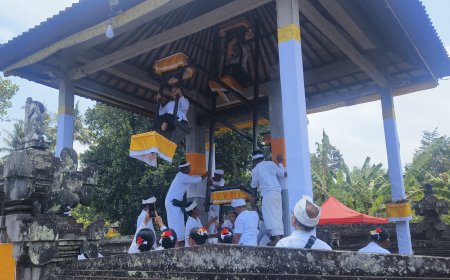
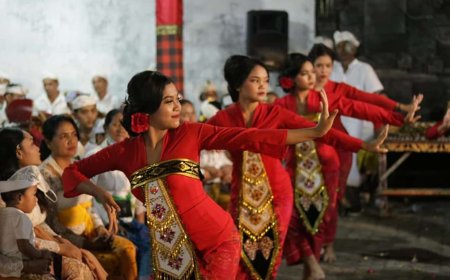
Sanggar Tari Bali Dwi Lestari also plays a tangible role in preserving Balinese arts and culture. Participants are not only trained within the studio, but are also directly involved in various activities such as performing voluntary service at temples, participating in dance competitions, appearing in cultural festivals, and enlivening community events. This direct involvement serves as an effective means of instilling a sense of cultural responsibility while strengthening the relationship between dance and the social life of Balinese society.
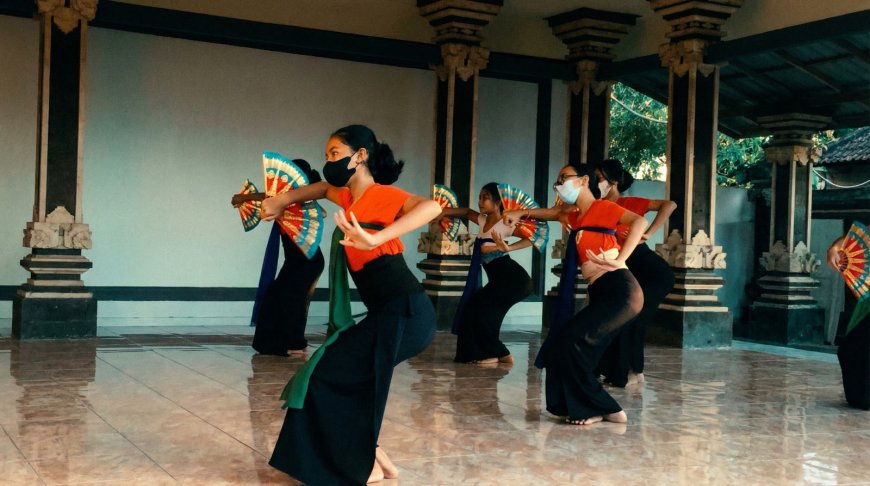
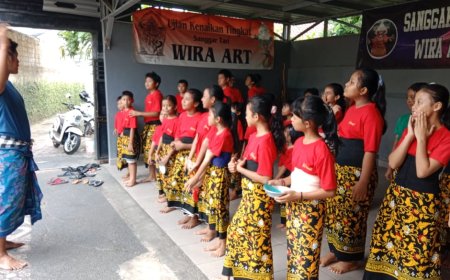
Practice Session at Tempekan Kulat (Source: Sanggar Collection)
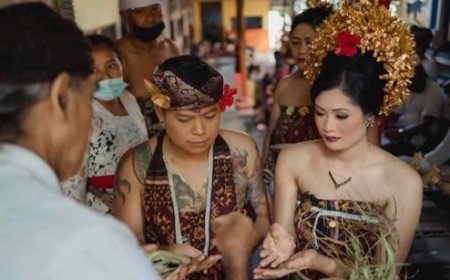
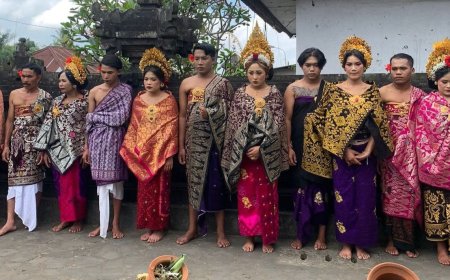
One of the distinctive features of Sanggar Dwi Lestari lies in its open and inclusive nature. The members of the studio come from diverse backgrounds in terms of age, social environment, and religious affiliation, including Hinduism, Islam, and Christianity. This diversity develops naturally and harmoniously within the studio environment. During practice sessions, differences in belief never become obstacles. Dance becomes a shared language that unites all participants in one rhythm and one purpose. In this context, taksu is understood not only as spiritual power within dance, but also as an energy of togetherness born from mutual respect and tolerance.
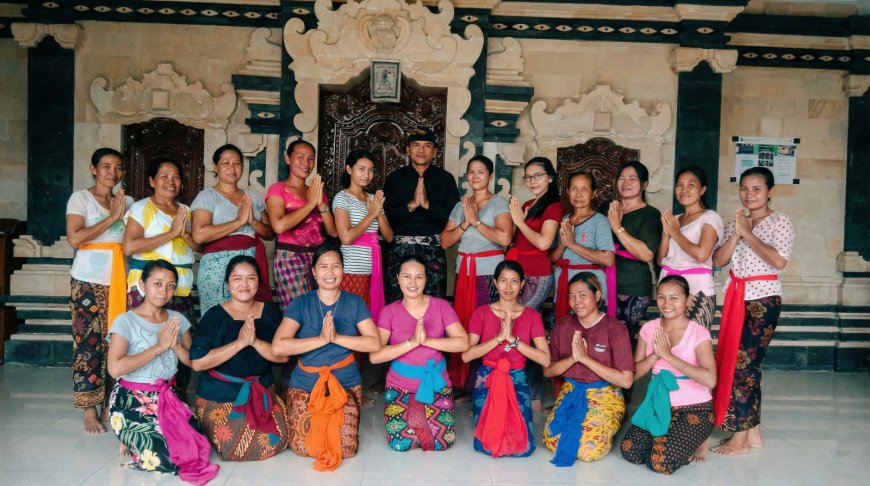
The Sanggar Tari Bali Dwi Lestari Family Posing Together (Source: Sanggar Collection)
In the modern era, the main challenges faced by art studios include declining interest among some children, limited parental support, and financial constraints. Despite these challenges, Sanggar Dwi Lestari continues to persevere through dedication and collective effort. The studio hopes that younger generations will maintain awareness and enthusiasm in preserving Balinese dance heritage, not merely as a skill, but as an integral part of cultural identity.
Sanggar Tari Bali Dwi Lestari stands as a clear example of how traditional arts can continue to thrive amid changing times. Through an open, participatory, and inclusive learning process, the studio not only preserves Balinese dance, but also cultivates values of togetherness and tolerance within the community. In this space, art is not simply performed, but lived, becoming a cultural pulse that continues to move, dance, and be passed on without barriers.