




Dalem Mpu Aji Temple in Penatih Dangri: Traces of Vaishnava Sulinggih from Ancient Balinese Aristocrats
The Dalem Mpu Aji Temple in Penatih Dangri is not only a sacred site for Hindus, but also traces the life of an ancient Balinese nobleman who chose a spiritual path. It was here that Ida I Dewa Anggungan, a descendant of the Gelgel Kingdom, renounced his nobility and pursued the life of a Vaishnava priest, holding the title Mpu Aji. It is said that this place was the birthplace of various teachings on asceticism, traditional medicine, and the science of kawisesan, which later spread throughout Bali. To this day, the local community maintains the sanctity of this temple as a center of spiritual learning and a symbol of the simplicity of a nobleman who chose the path of dharma.

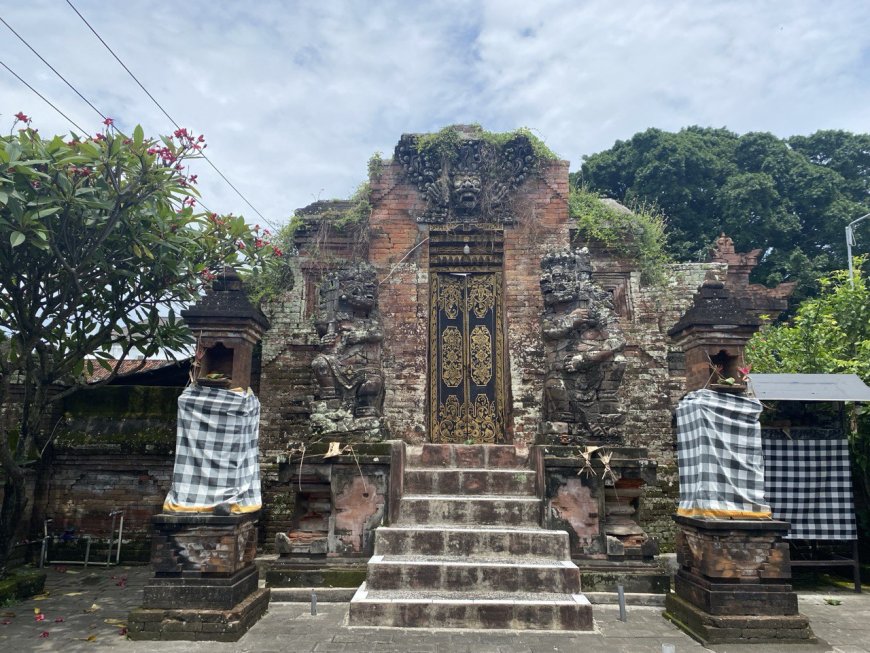
Amidst the bustling life of East Denpasar, lies a sacred site that holds a long history of the Balinese spiritual journey: the Dalem Mpu Aji Temples. Located in Banjar Buaji, Bekul Traditional Village, Penatih Dangin Puri Village, Denpasar, this temple is not only a place of worship for Hindus, but also a historical heritage, a center of traditional knowledge, and a symbol of ancestral wisdom that is still preserved to this day. Despite its densely populated residential area, the temple complex maintains its authenticity, with ancient structures rich in meaning.
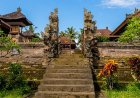
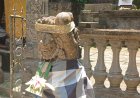
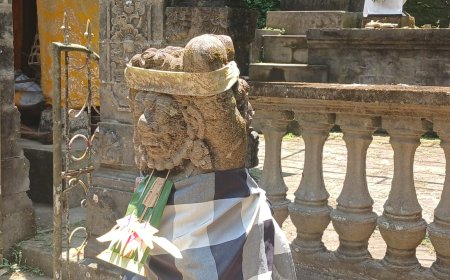
Dalem Mpu Aji Temples is estimated to have been built around 1500 AD during the reign of the Gelgel Kingdom. Due to its significant historical significance, it was designated a cultural heritage site by the Regional Cultural Preservation Agency (Balai Pelestarian Budaya XV). Its architectural structure displays characteristics of Ancient Bali, such as the five-story bracketed temple flanked by giant dwarapala statues. Although some parts of the building were damaged by extreme weather in late 2024, the restoration process required strict procedures to ensure its original form remains part of the cultural heritage.
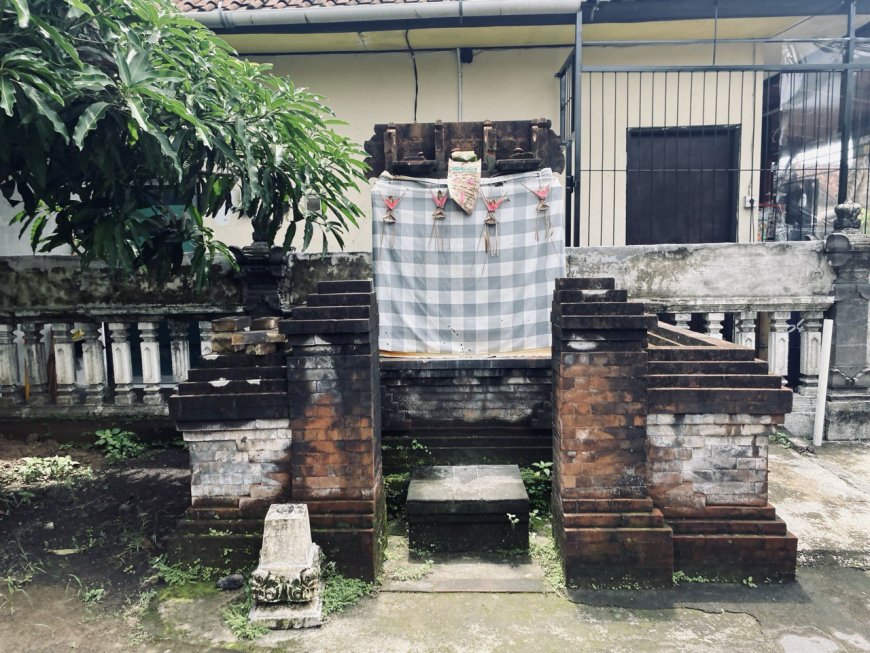
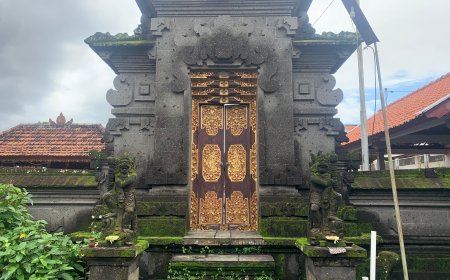
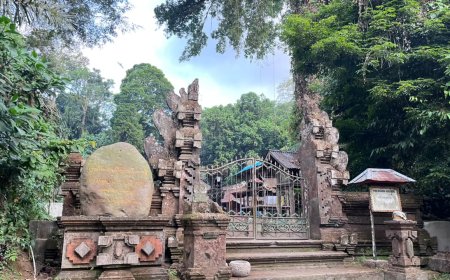
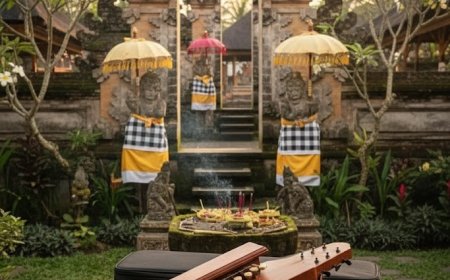
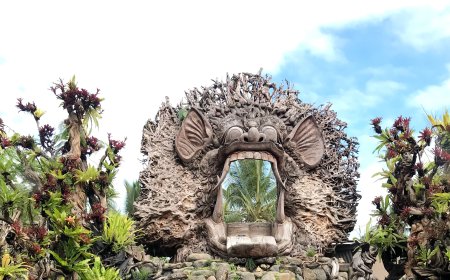
Nista Mandala Monument in Front of the Temple Entrance (Photo Source: Personal Collection)
The history of Pura Dalem Mpu Aji is inseparable from the figure of Ida I Dewa Anggungan, a nobleman of the Gelgel Kingdom and a descendant of Sri Aji Kresna Kepakisan, the first king of Bali after Majapahit. He was a cousin of Dalem Waturenggong, one of the most famous kings in Balinese history, but chose to leave royal life to pursue a spiritual path as a Vaishnava sulinggih. This decision led him to give up his noble title and live a simple life to deepen his spiritual knowledge and ancestral teachings. During his travels, he was accompanied by several arya, pasek, and pande (masters) until he finally settled in the area now known as Buaji. There, he underwent a series of spiritual stages, starting with Bhujangga Aji, then becoming Dukuh, and finally reaching the highest level and earning the title of Mpu Aji. Based on the divine revelation he received, he then established a temple as a place to perform various rituals, spread Vaishnava teachings, and teach the community about traditional healing, or usada.
One of Mpu Aji's most important legacies is the ancient palm-leaf manuscripts still preserved in the temple. These manuscripts contain a variety of knowledge, ranging from ceremonial procedures, purification rituals, traditional medicine, literature, and spiritual teachings called kawisesan. Some are estimated to be hundreds of years old and are still frequently used as guidelines for ceremonial practices. One of the most revered manuscripts is the Kaputusan Jagatnatha, which serves as a reference in purification rituals and invoking taksu (powerful powers). Due to their significance, these manuscripts have undergone a conservation process to ensure their preservation and passage to future generations. To this day, many researchers, religious leaders, and spiritual practitioners come to study the contents of the palm-leaf manuscripts as part of preserving local knowledge.
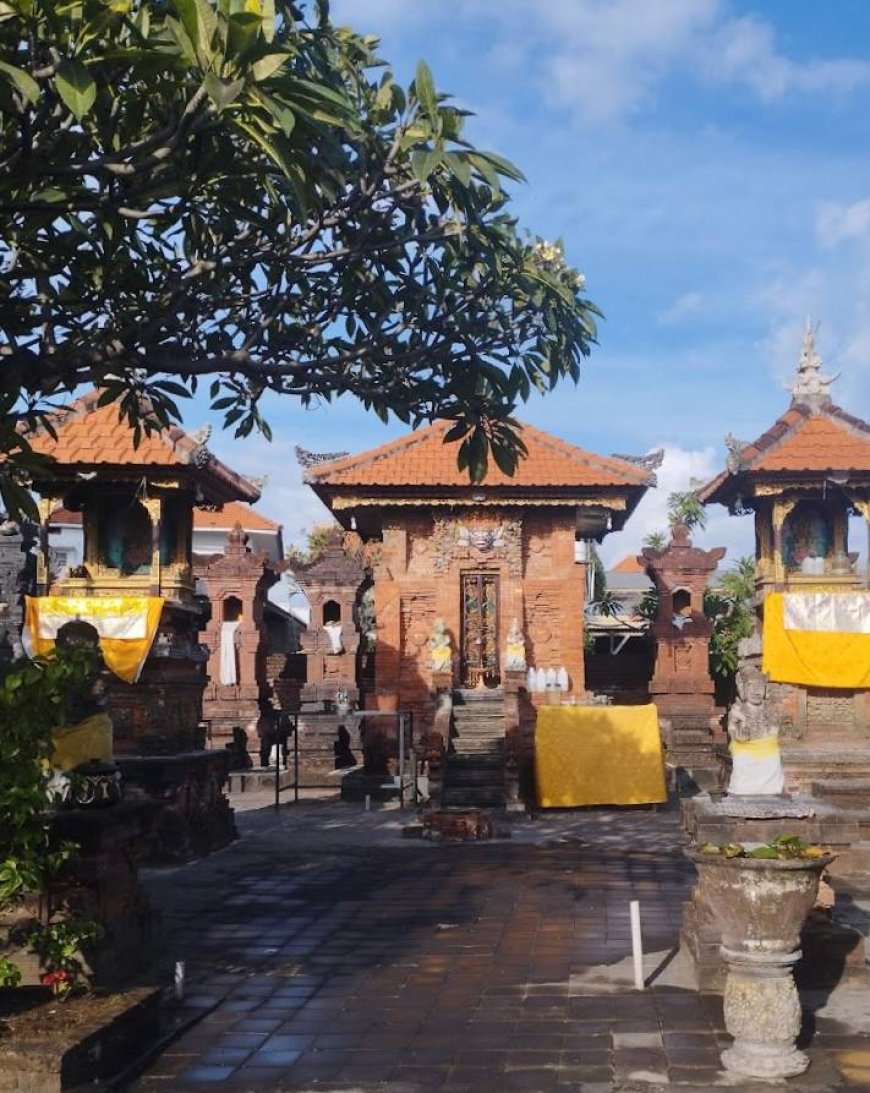
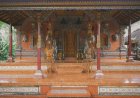
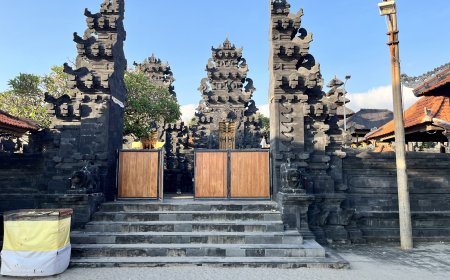
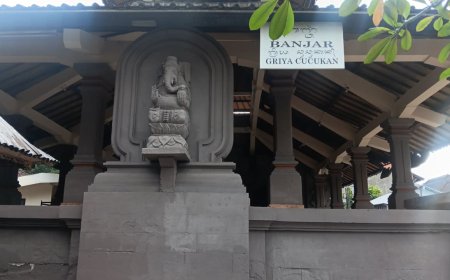
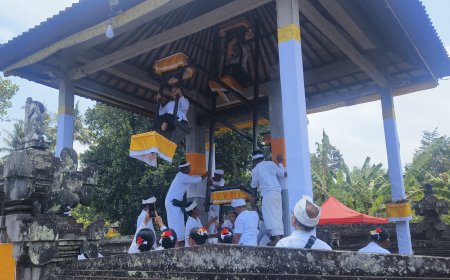
Main Area of the Pura Dalem Mpu Aji Mandala (Photo Source: Personal Collection)
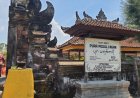
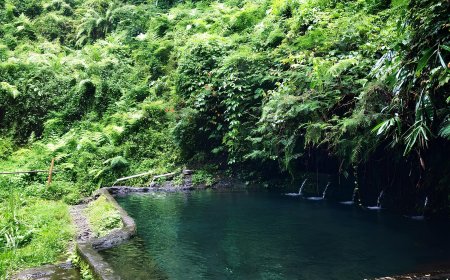
Pura Dalem Mpu Aji is also known as a place of healing and purification. Hindus from various regions, even from outside Bali, come to pray for healing, inner peace, or spiritual growth. The rituals follow the instructions in ancestral palm-leaf manuscripts, and several stages of purification are required before worshippers can pray in the main mandala. One important stage is the purification ritual at the Taman Sari Pancaka Tirta Temple, a sacred water source known as Toya Ngembeeng. The water appears to be stagnant without a visible source, yet it never dries up even during long dry seasons. The phenomenon of the rising and falling water level is believed to signal changes in nature, although the exact nature of these changes is unknown. After the purification ritual, worshippers continue their ritual to Geria Sunia, a place believed to be where Mpu Aji practiced penance, yoga, and meditation. This place is considered to possess powerful spiritual energy. At certain times, thousands of swiftlets can be seen circling above the kepah trees that shade the area, adding to the magical atmosphere and emphasizing the area's importance in the temple's ritual system.
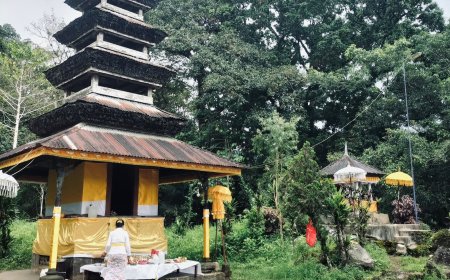
After passing Geria Sunia, devotees stop at several other important shrines, such as Ida Ratu Ngurah Agung and Ardhanariswari, before finally performing the main prayer at the multi-story shrine, which features images of Bedawang Nala, Aswin, and Vishnu at the top. It is at this point that devotees are allowed to offer their personal prayers and wishes. Many come based on spiritual guidance or wangsit, while others have heard that the temple is believed to possess healing powers and magical powers. Not only Balinese Hindus, but also several spiritual figures from outside the region, even monks in the Theravada Buddhist tradition, have visited this temple as part of their spiritual journeys.
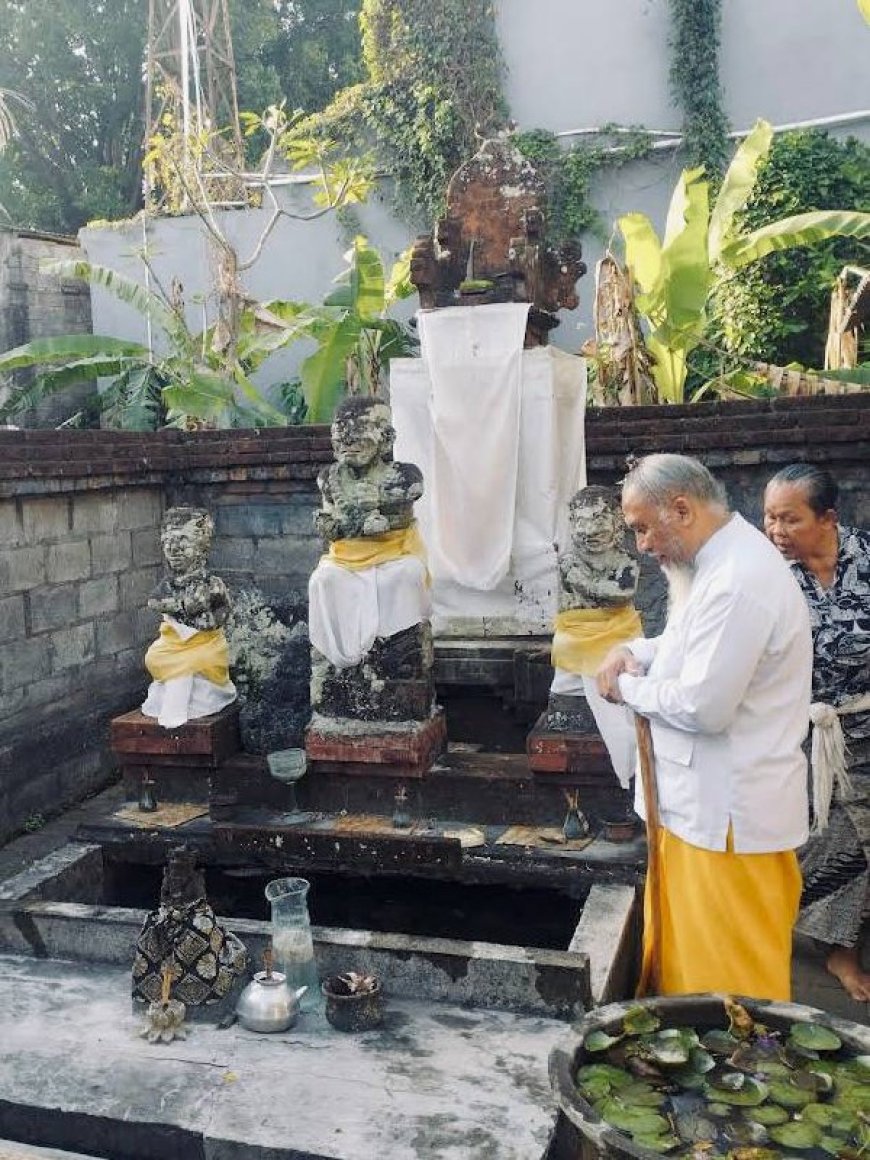
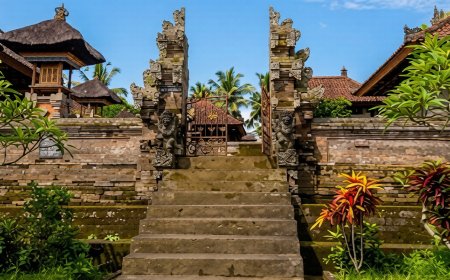
Taman Sari Pancaka Tirta Temple (Photo Source: Personal Collection)
With the passage of time, Pura Dalem Mpu Aji demonstrates how historical values, religious teachings, and cultural heritage intertwine and endure amidst modernity. The story of a nobleman who chose to shun the splendor of the palace to pursue a spiritual path exemplifies how dharma can be practiced in various forms. The Vaishnava teachings he inherited have enriched Bali's religious landscape, known for its blend of Shivaism, Buddhism, and local traditions. To maintain the sustainability of this heritage, ongoing preservation efforts are necessary, including the physical structure, proper storage of palm-leaf manuscripts, and documentation of oral traditions and rituals. The role of the indigenous community is crucial in ensuring that the temple continues to function as a center of religious activity and a space for cultural learning for the younger generation. Thus, Pura Dalem Mpu Aji is not only a sacred place for prayer, but also a guardian of the noble values of Balinese ancestors that continue to live and inspire in modern life.