







The Miracle of Jati Temple in Jembrana: Sacred Water That Never Dries Up
Jati Temple in Jembrana stands from the sacred journey of Danghyang Dwijendra, marked by a three-branched teak tree that emits eternal holy water, so it is classified as a Dang Kahyangan Temple and until now has become a destination for Hindu pilgrimages and a reminder of the importance of preserving water as a source of life.

Jati Temple in Jembrana Regency is closely related to Perancak Temple, Gede Amertasari Temple, and Dalem Melanting Temple. The temple's founding stems from the sacred journey (dharmayatra) of Danghyang Dwijendra, also known as Danghyang Nirarta, a high Hindu priest who arrived in Bali around 1478 AD from Blambangan.
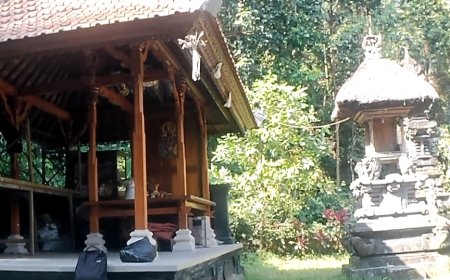
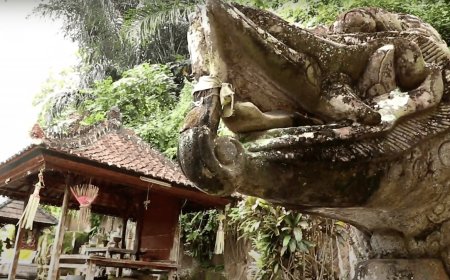
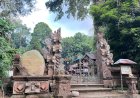
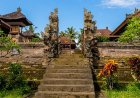
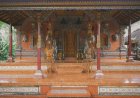
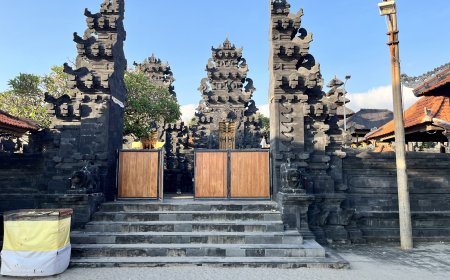
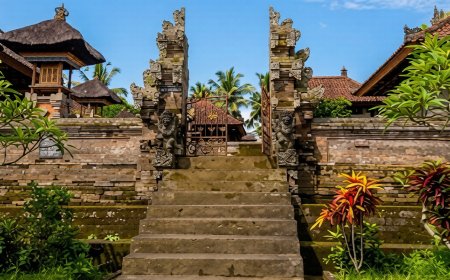
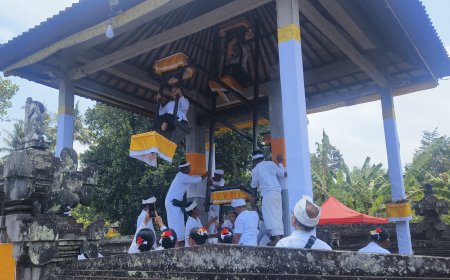
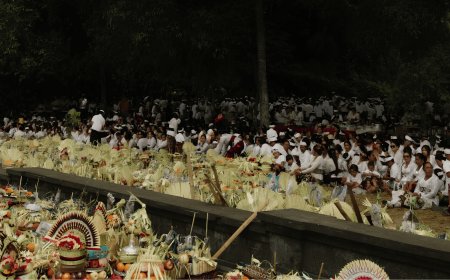
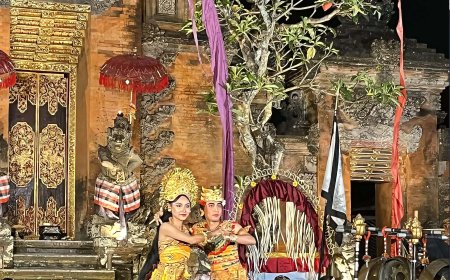
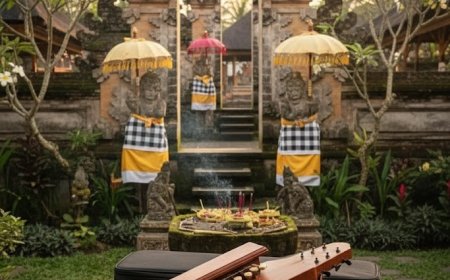
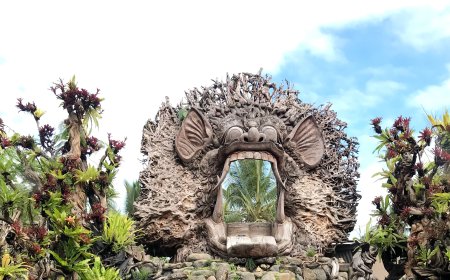
Jati Jembrana Temple (Photo Source: Personal Collection)
He arrived with his wife and seven sons and daughters by crossing the Segara Rupek River. In the story, he boarded an empty pumpkin boat, while his family boarded a leaky jukung (a small boat). Thanks to his holiness, the journey went smoothly, and the group landed at Purancak Beach in Jembrana. At that time, the community was under the rule of I Gusti Ngurah Rangsasa, when life was still shrouded in darkness (awidya). His presence brought about change through the development of religion and customs.
From this journey, several temples were born. Sri Patni Kaniten and her two sons settled at a lake and scattered rice seeds. The place was named Merta Sari, and the Gede Amertasari Temple was built. Another event occurred when her daughter, Diah Wiraga Sloga, experienced moksa (moksa) after her father faced a giant dragon. The Dalem Melanting Temple was later built on that site. Later, during a journey through the forest, Danghyang Dwijendra planted his sacred staff, and it is on this site that the Jati Temple stands.
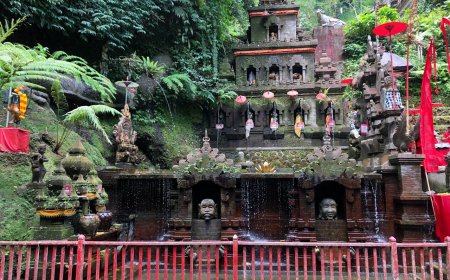
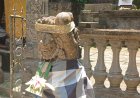
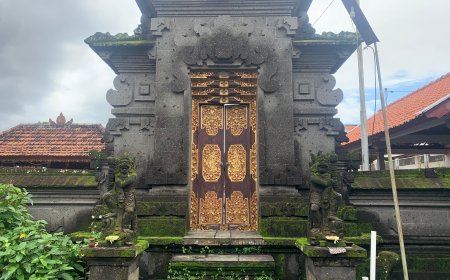
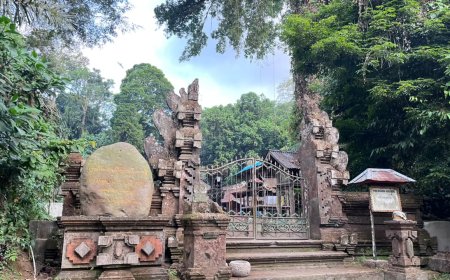
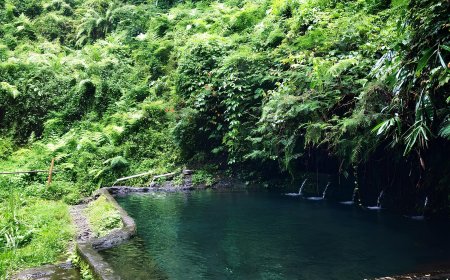
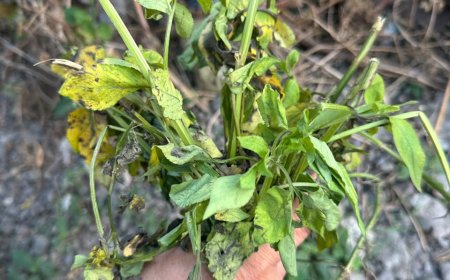
Jati Jembrana Temple Spring Point (Photo Source: Personal Collection)
Pura Jati is characterized by a unique three-branched teak tree. From this tree's trunk flows holy water (tirtha), which never dries up. According to legend, upon arriving in Bali, Danghyang Dwijendra saw a thirsty animal. He meditated, planted a stick, and water sprang from the ground. Since then, the tirtha at Pura Jati has been believed to be a source of life for humans and animals.
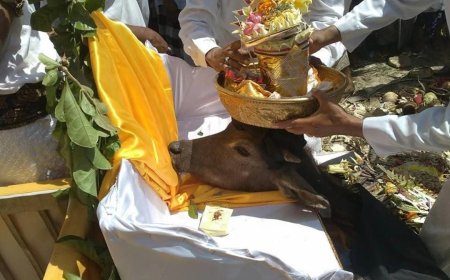
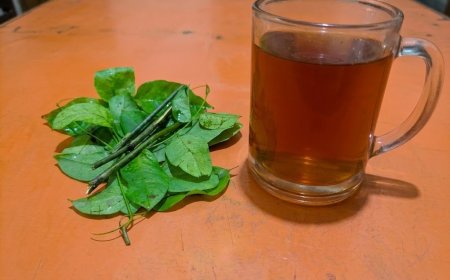
This holy water is not only used for prayer but is also believed to have medicinal properties. In 1996, the water receded, but after a macaru ceremony, the water reappeared, accompanied by a rumbling sound. To this day, the water has never dried up again.
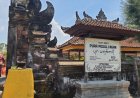
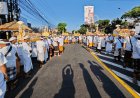
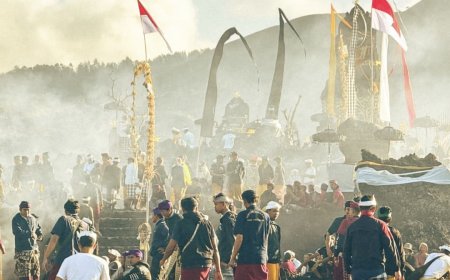
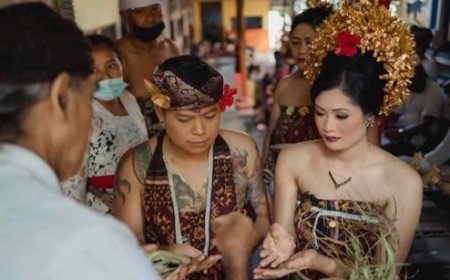
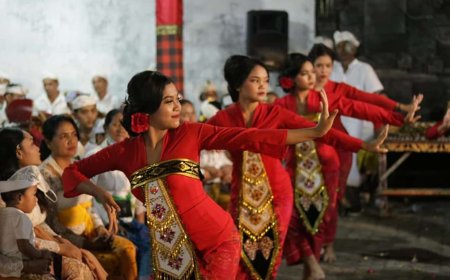
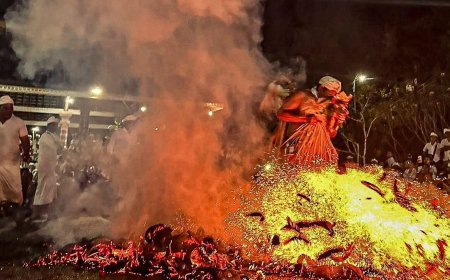
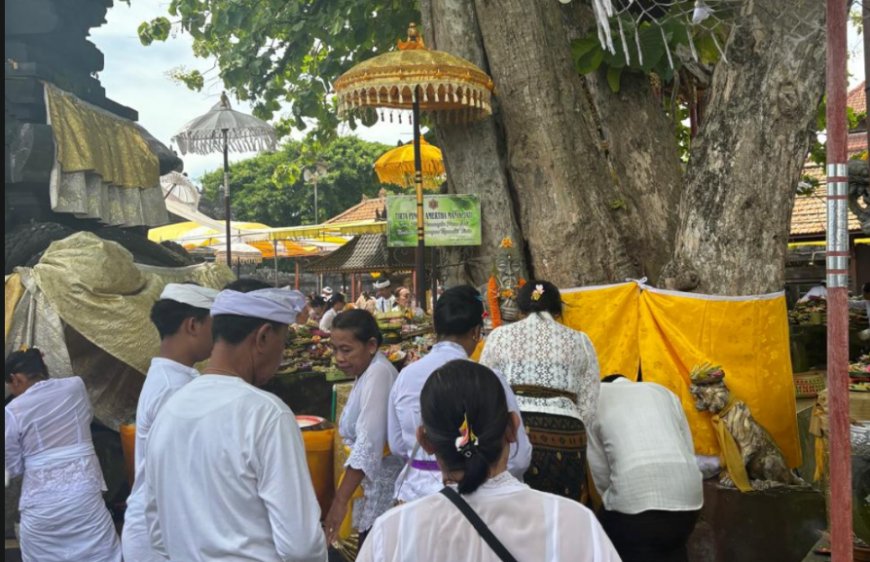
Prayers at Jati Jembrana Temple (Photo Source: Personal Collection)
Pura Jati is classified as a Dang Kahyangan Temple because it is associated with the sacred journey of a priest. The teachings of Sarasamuscaya emphasize the four duties of a priest: conveying the truth, maintaining purity, providing tirtha (living sanctuaries), and providing spiritual education. These values were embodied by Danghyang Dwijendra in Jembrana.
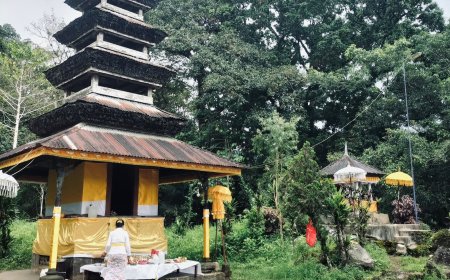
The main shrine at Pura Jati is the Meru Tumpang Tiga shrine, dedicated to the sacred god Danghyang Dwijendra. In addition, there is the Padmasana shrine, dedicated to Sang Hyang Sada Shiva, the Gedong shrine, symbolizing the descent of Ida Batara, the Sri Sedana shrine, symbolizing prosperity, and the Taksu shrine, symbolizing spiritual authority.
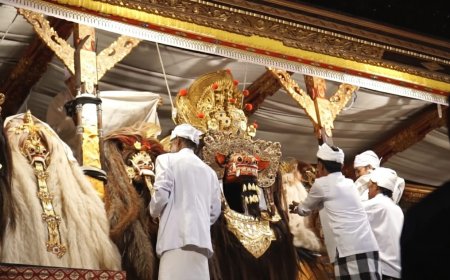
The Piodalan (celebration ceremony) at Pura Jati falls every six months, on Soma Pon Sinta or Soma Ribek, two days before Pagerwesi. The temple is managed by three customary villages: Letateng, Tegal Badeng Kangin, and Tegal Badeng Kauh, which are united under the Samania Tri Dharma Jati umbrella.