




















The Love Tragedy of Waciu Land: The Drama of Sampik and Ingtai Shakes the Jiwadwipa Citta Budaya Stage with a Heart-Wrenching Tale
Complete review of the Sampik Ingtai musical drama at Jiwadwipa Citta Budaya 2026. A tragic love story wrapped in fresh comedy, witty social commentary, and the Megenjekan tradition by Udayana University IT students.

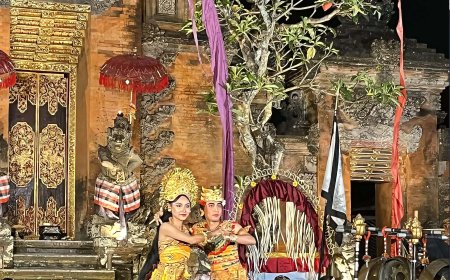
DENPASAR – The Suastika Hall stage seemed to mesmerize the hundreds of pairs of eyes present on Thursday, January 15, 2026. Under dramatic lighting and emotion-enhancing musical accompaniment, students of the Information Technology Study Program, Class of 2025, successfully brought back to life the classic Chinese–Balinese love legend in a musical drama performance titled "Sampik Ingtai: The Love Tragedy of Waciu Land."
As the pinnacle of the Jiwadwipa Citta Budaya performance, this staging was not merely entertainment. It served as a complete orchestration of emotion, inviting the audience to laugh freely, smile with emotion, and fall silent in sadness, while simultaneously proving how the younger generation is capable of blending classic tales with a modern performing arts approach.
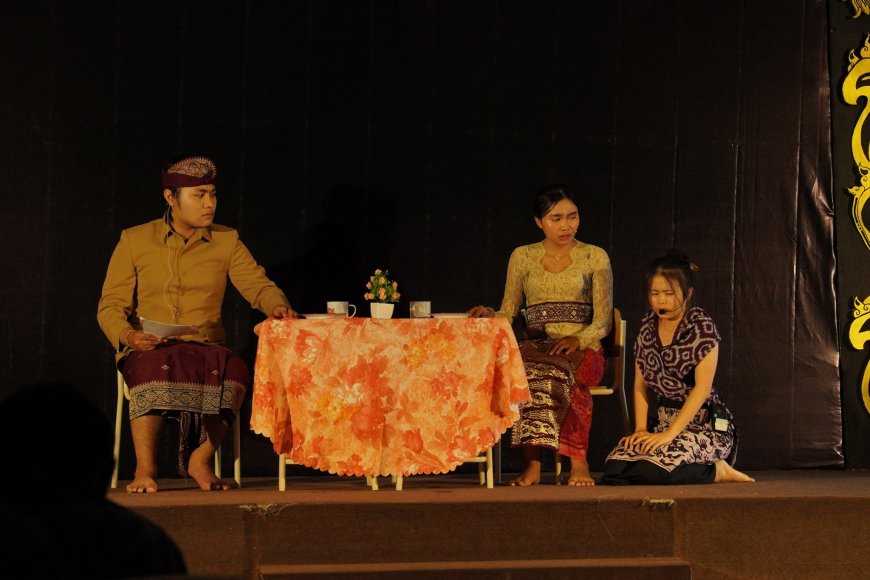
Ingtai with Her Father and Mother (Source: Organizing Committee Documentation)
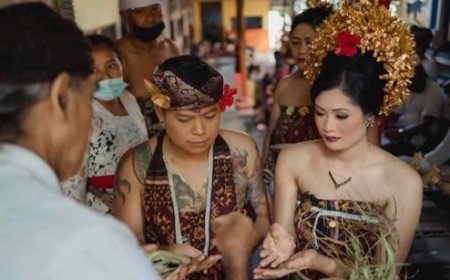
The curtain opened with the setting of Waciu Land, thick with classical nuances. The audience was introduced to the figure of Ingtai, an intelligent girl living amidst a patriarchal tradition where education was reserved only for men. However, Ingtai refused to bow to circumstances. With heavy blessings from her parents, as well as a betrothal promise that would later become a calamity, Ingtai desperately disguised herself as a man to study in Aciu City. In her disguise, fate brought her together with Sampik, a naive youth from Bociu Village.
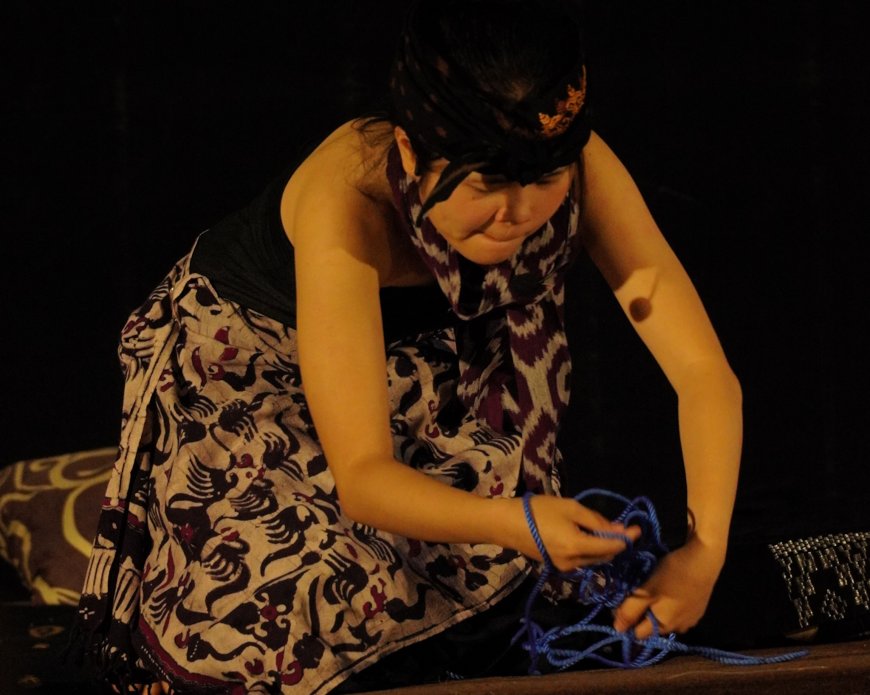
Ingtai Preparing the "Boundary Line" on Their Bed (Source: Organizing Committee Documentation)
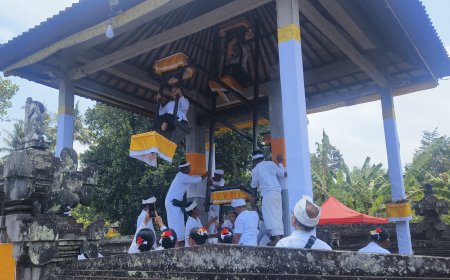
Their relationship was built on strong chemistry. Ingtai harbored feelings in silence, while Sampik, in his innocence, viewed Ingtai merely as a comrade-in-arms. This dynamic was sweetly depicted in the dormitory scene, when Ingtai drew a "boundary line" on the bed while setting a humorous rule: whoever crossed it had to treat the other to the night market. This scene became a symbol of innocent love growing unconsciously, as well as a narrative sweetener before the tragedy struck.
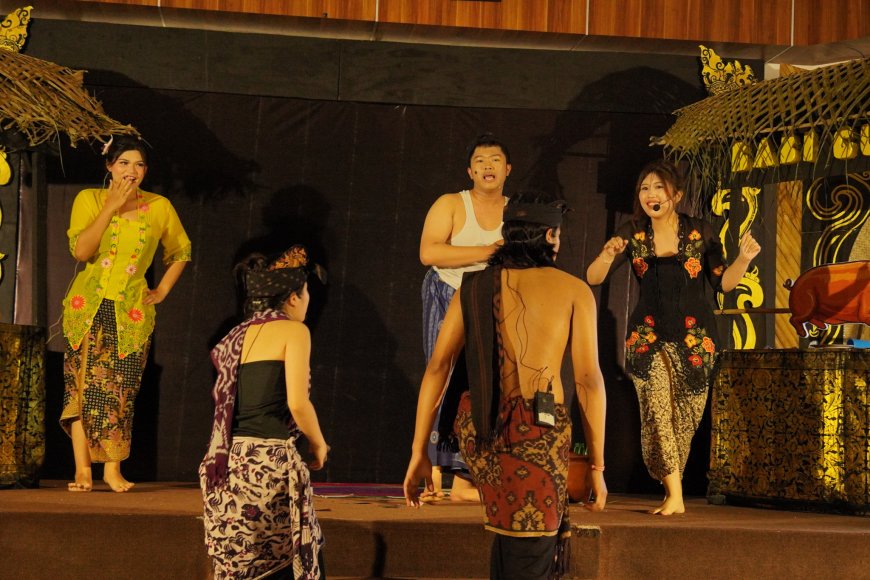
Conditions at the Angciu Night Market (Source: Organizing Committee Documentation)
The Angciu Night Market act became one of the main dramatic strengths of the performance. A row of eccentric merchant characters, ranging from Gek Montox with her deadly flirtations, Pan Godel the palm wine seller, to Men Pirit with her "premium" suckling pig, were able to bring the stage to life with fresh comedy that invited uproarious laughter from the audience. The main spotlight came through the breaking the fourth wall scene, when the actors called the "Village Head" and the "Former Village Head" up to the stage—creative representations of the Head of the Study Program (Koprodi) and the former Head. This casual dialogue between the "People" and the "Village Leaders" became a space for conveying student aspirations, humorous critiques regarding "village" management, to expressions of gratitude for the dedication of the program leaders. This segment not only broke the ice but demonstrated dramaturgical intelligence in bridging entertainment and campus social reality.
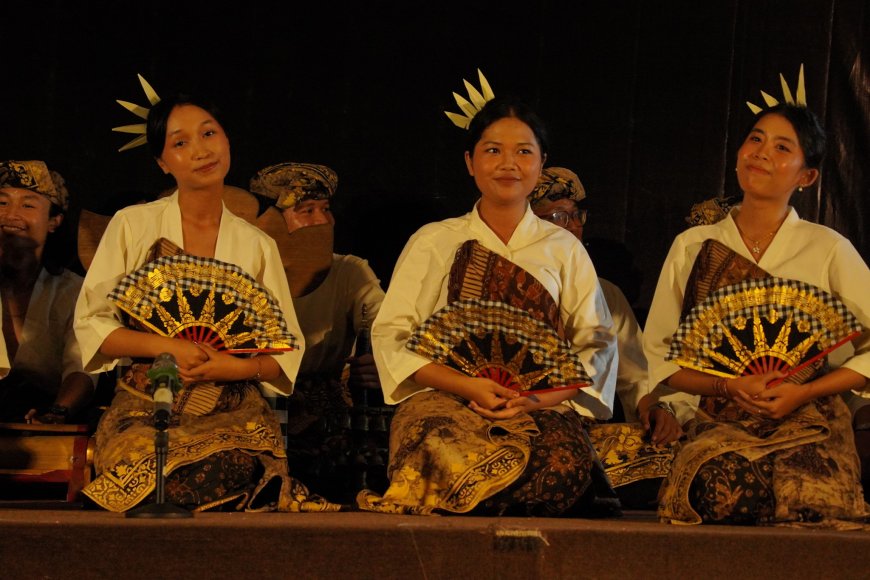
Megenjekan, Traditional Balinese Vocal Art (Source: Organizing Committee Documentation)
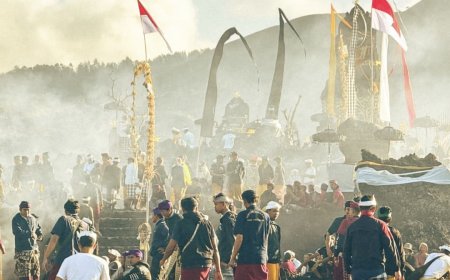
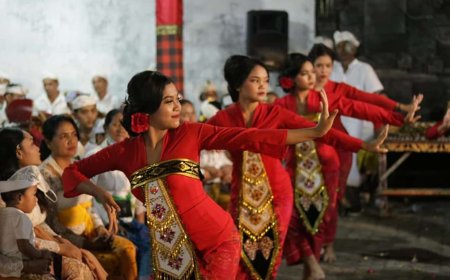
The commitment to cultural preservation was strongly evident when the vocal art of Megenjekan was performed live. This traditional art form typical of Karangasem was presented through rhythmic choirs, dynamic body movements, and distinctive shouts that echoed, filling the hall. The integration of Megenjekan into the plot was not merely an artistic add-on, but a dramatic element that enriched the atmosphere and reinforced the message that technological advancement does not have to erode cultural roots.
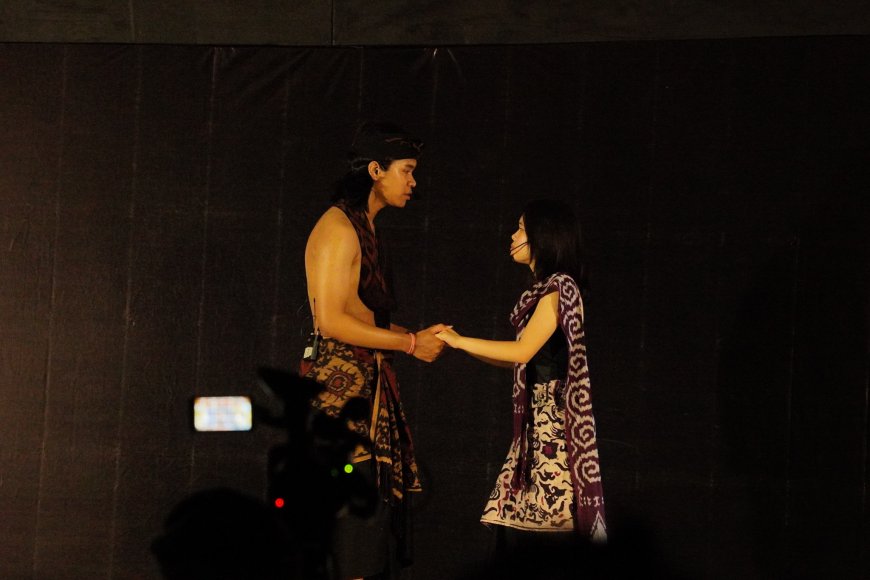
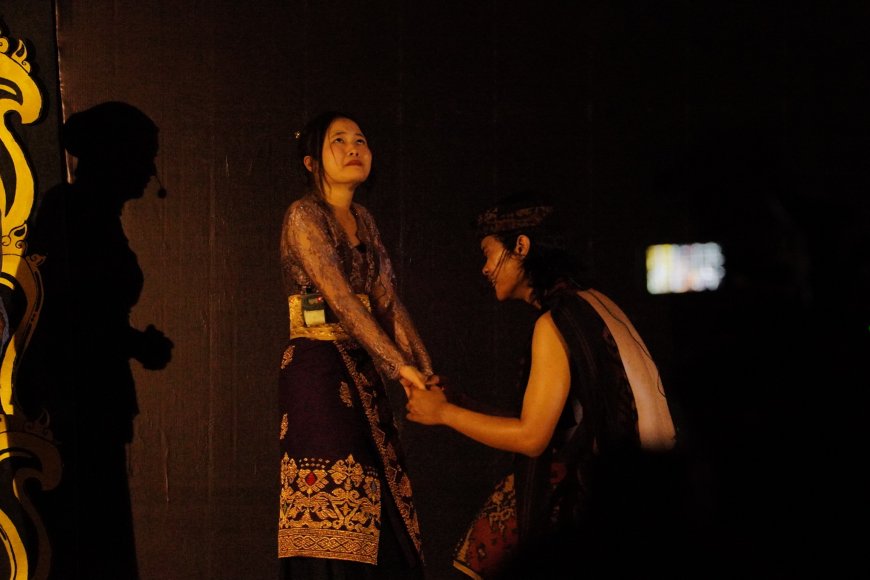
The Parting of Sampik and Ingtai (Source: Organizing Committee Documentation)
Entering the conflict act, the stage nuance changed drastically. Ingtai's identity was finally revealed, and separation was inevitable. In a crucial moment, Ingtai conveyed a meaningful signal to Sampik: "Three Seven, Six Four, Two Eight." The signal was intended as a time code—ten days—but was misinterpreted by the naive Sampik as a summation result: thirty days. This fatal error became the turning point of the tragedy. The scene of Sampik's lateness, followed by the farewell dialogue and the handing over of the hairpin (tusuk konde) as a symbol of failed love, became the emotional peak of the performance. Silence enveloped the hall when Sampik, in deep despair, chose to end his life using the hairpin given by Ingtai—a symbol that sliced through the hearts of the audience.
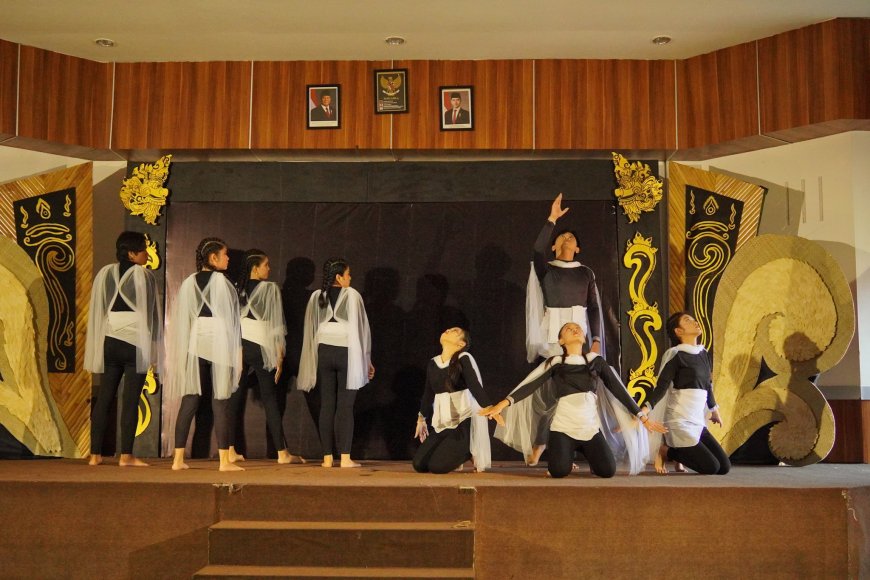
Creative Dance as a Symbol of Sampik and Ingtai's Love (Source: Organizing Committee Documentation)
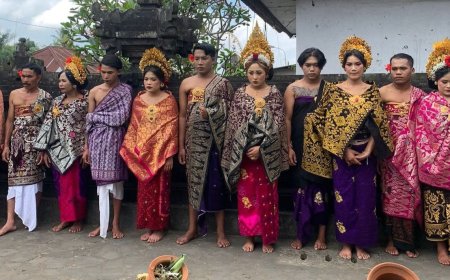
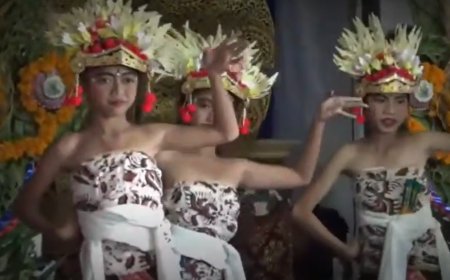
Although laden with sorrow, this story did not end in darkness. The closing scene presented a symbolization of eternal love. Ingtai, who was in the midst of a bridal procession, chose to jump into Sampik's grave, which had opened due to a lightning strike. The transformation of the two into a pair of butterflies was visualized through flexible and expressive contemporary dance. The body movements of the dancers, combined with soft lighting, closed the performance with a profound message: true love will always find its way, even transcending the boundaries of life.
The staging of "Sampik Ingtai" within the framework of Jiwadwipa Citta Budaya 2026 was not just a musical drama, but an artistic statement by Information Technology students. They successfully wove acting, performance management, cultural tradition, and modern sensibility into a complete work that left a mark on the audience's memory. Amidst the current of modernization and technological dominance, this classic story once again proved its relevance: that tragedy, love, and human choices remain a mirror for any generation.