





The Sacred Spring of Pura Galuh: Purification and Renewal in East Bali
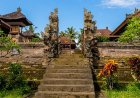
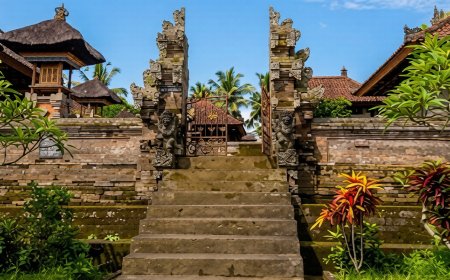
Galuh Temple, located in Sengkidu Village, Manggis, Karangasem, is a unique temple that combines its role as a place of worship with that of a holy water purification site. Within its grounds lies a sacred spring believed to bring blessings of purification, health, and prosperity. Many devotees come with different intentions: government employees seeking career advancement, married couples praying for children, and those who are ill hoping for healing. Architecturally, the temple is also remarkable: those who finish the purification ritual do not exit through the main candi bentar gate, but instead through a small special passageway symbolizing a new journey after purification while preserving the temple’s sanctity.

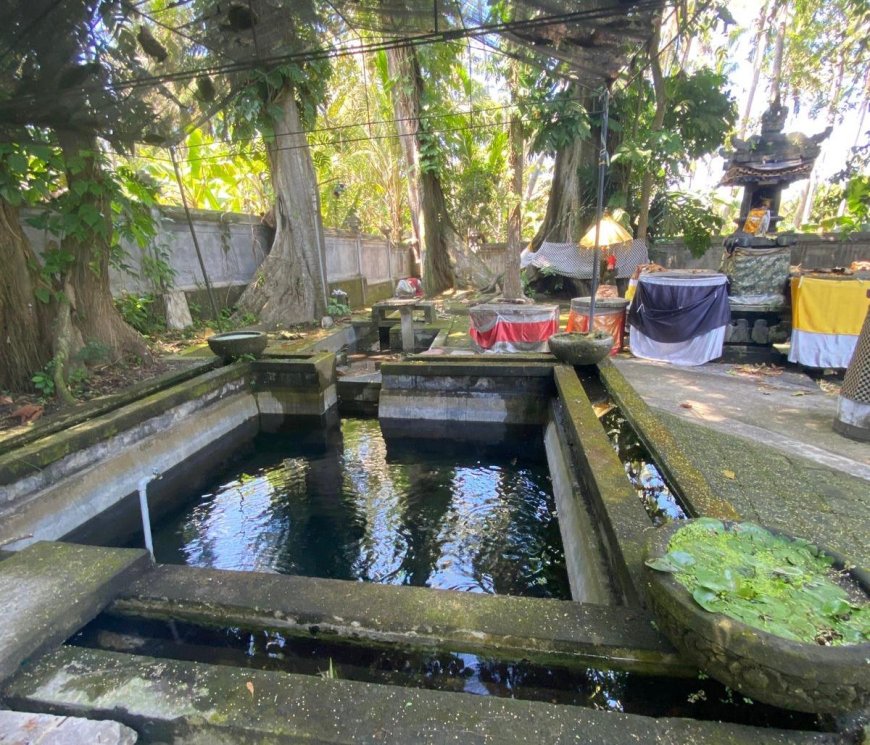
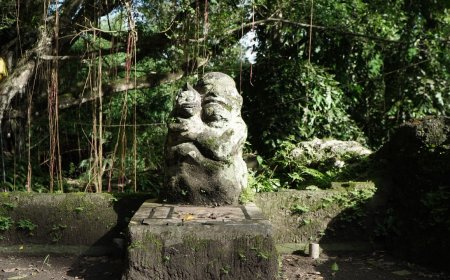
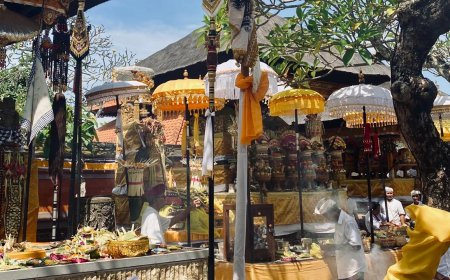
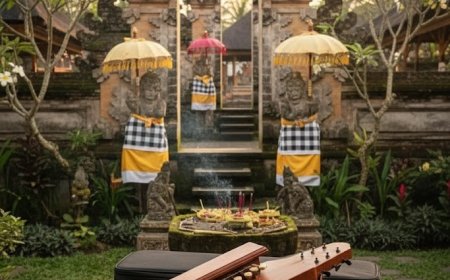
Galuh Temple was built as a place of devotion to the unseen forces believed to protect Sengkidu Village. It is here that the sacred manifestation of Ratu Ayu Mas Galuh resides, revered as a guardian balancing the physical realm and spiritual realm of the worlds. The temple also safeguards the village’s sacred keris, which is purified in special ceremonies, highlighting the temple’s important role in the community’s spiritual life. Standing amidst lush surroundings and large banyan trees, Galuh Temple offers not only architectural beauty but also the presence of a sacred spring that has never dried up making it truly extraordinary.
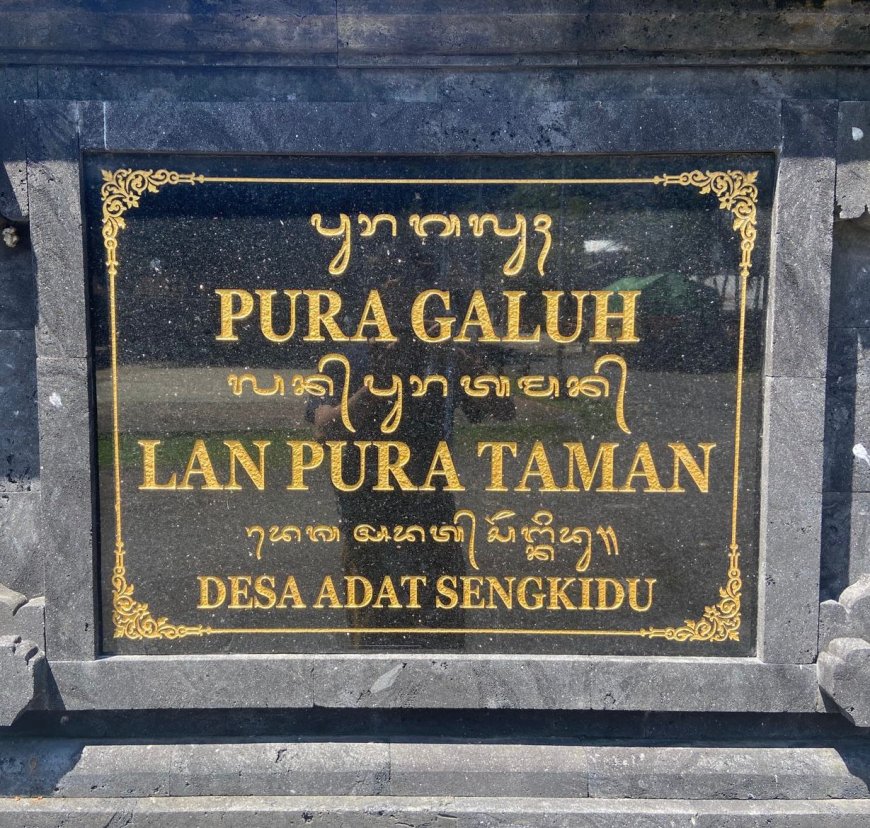
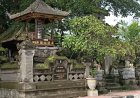
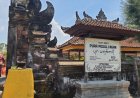
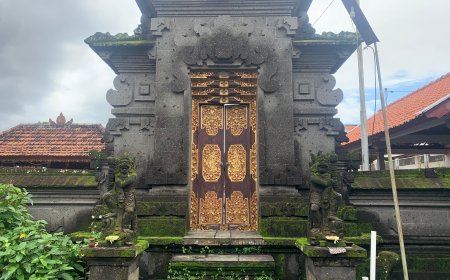
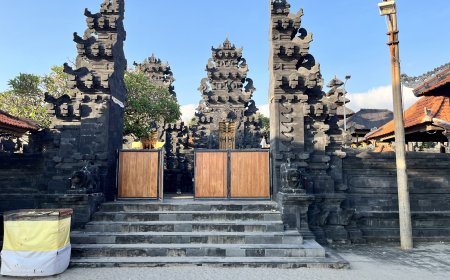
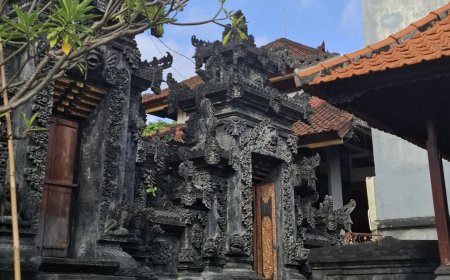
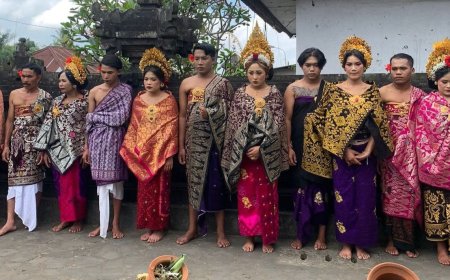
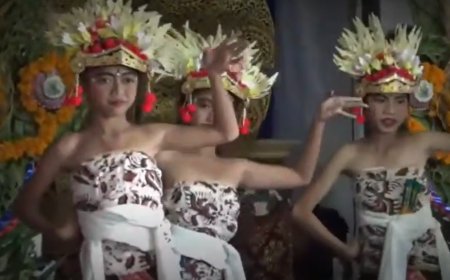
Galuh Temple and Taman Temple Monument (Source: personal collection)
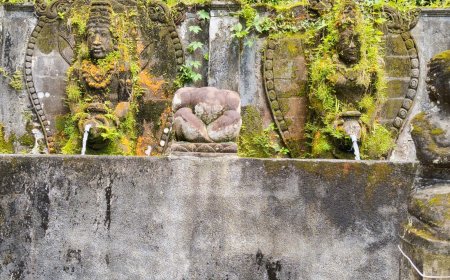
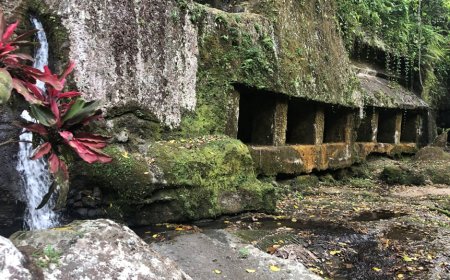
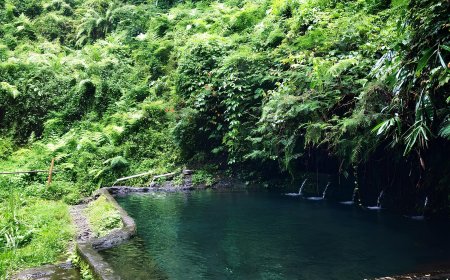
The sacred spring at Taman Temple, beside on Galuh Temple is central to the purification ritual known as melukat. The water is believed to cleanse the body, mind, and soul, while bestowing blessings on anyone who bathes in it with sincere intent. Before undergoing the purification, devotees first pray at both Galuh Temple and Taman Temple to honor and seek blessings from Ida Sang Hyang Widhi Wasa. Only after completing these prayers do they proceed to the holy spring. Interestingly, those who finish melukat do not exit through the main candi bentar gate but instead through a small, specially designed passageway, symbolizing a new journey after purification and preserving the temple’s sanctity.
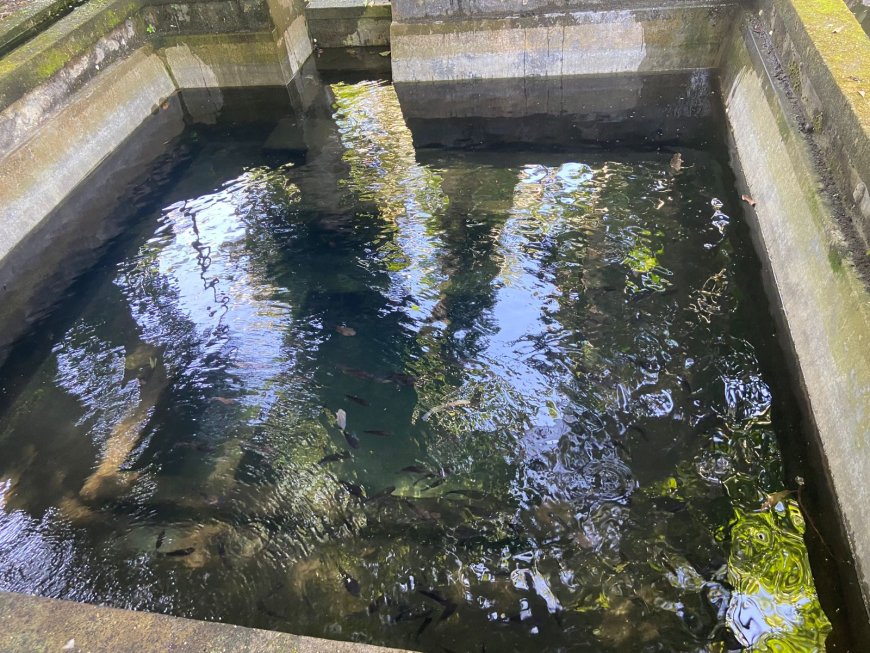
Sacred Water at Taman Temple (Source: personal collection)
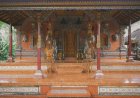
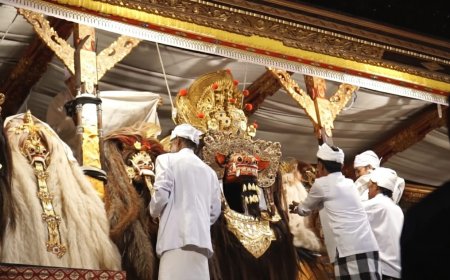
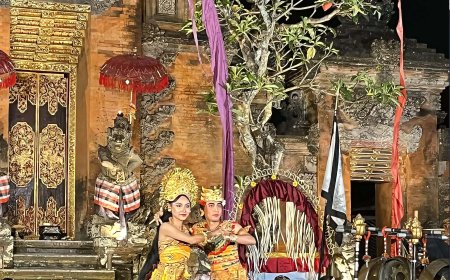
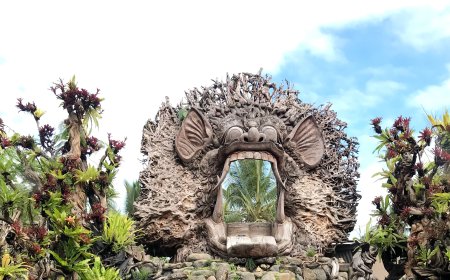
The spiritual heart of the temple is the revered sacred manifestation of Rangda Ratu Ayu Mas Galuh, considered not as a figure of fear but as a protector and guide. Devotees believe that by praying before this sacred presence, they receive strength, protection, and spiritual guidance to overcome life’s challenges. The presence of this manifestation heightens the mystical aura of Galuh Temple, making it more than a place of worship it is a center of unseen energy, a profound niskala force deeply respected by the community.
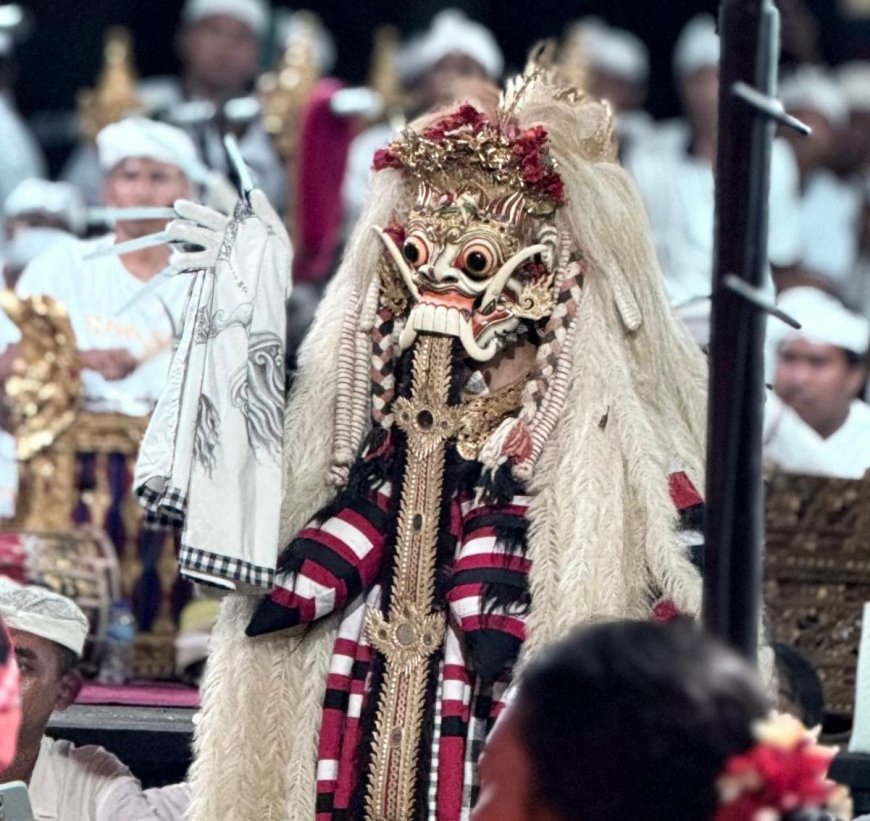
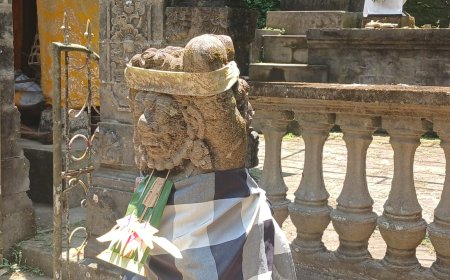
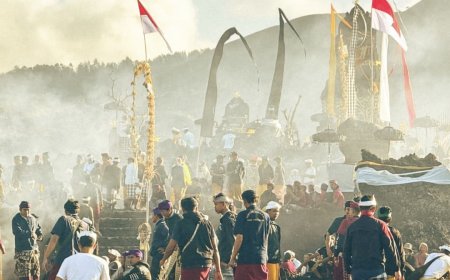
Sacred Effigy of Rangda Ratu Ayu Mas Galuh (Source: personal collection)
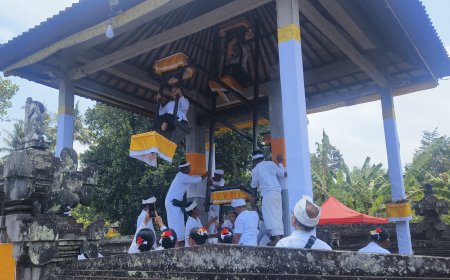
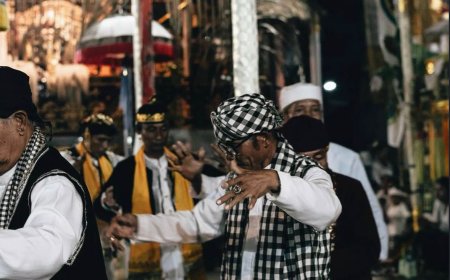
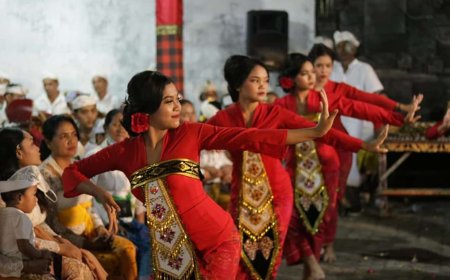
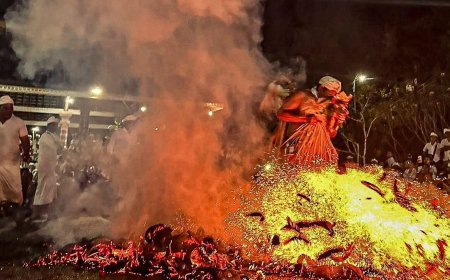
Ceremonies at Galuh Temple reflect the vibrancy of Balinese Hindu devotion. On auspicious days such as Purnama (full moon), Tilem (new moon), and Kajeng Kliwon, devotees gather for collective prayer, continue with purification in the holy spring, and conclude with personal offerings. Many prefer to come in the late afternoon, after fathers have finished work and children return from school, making it a moment of family togetherness. People come with diverse intentions: government employees and community leaders pray for career advancement, married couples for children, and the sick for healing. This practice illustrates the community’s wide belief in the sacred power of the spring to respond to various needs in life.
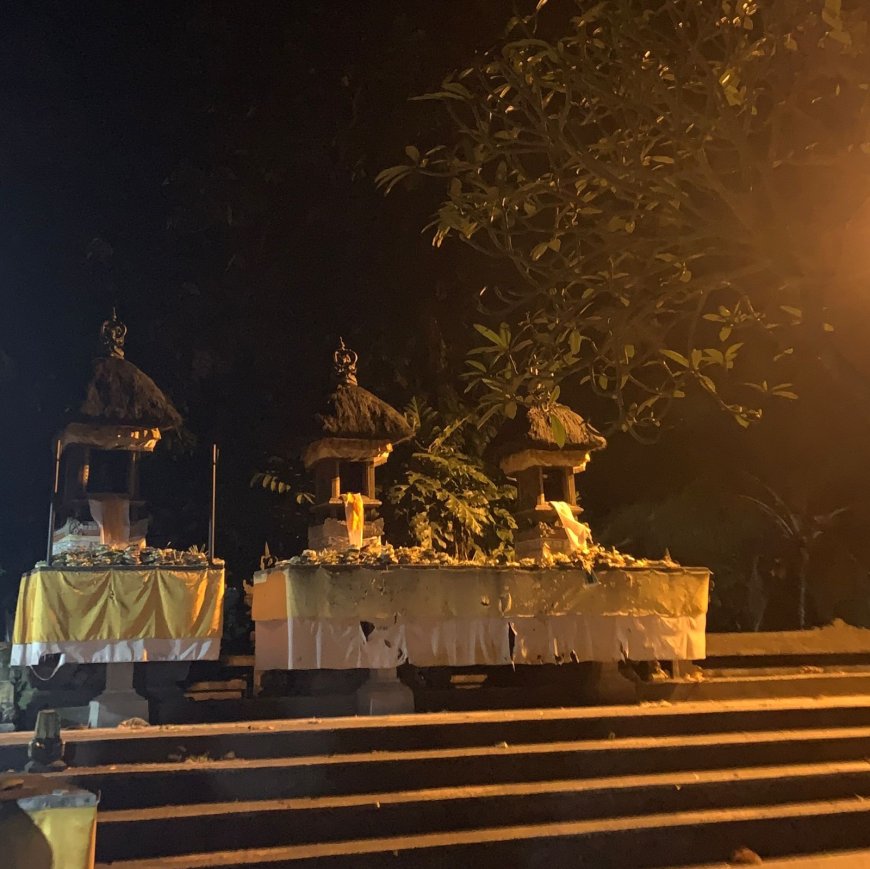
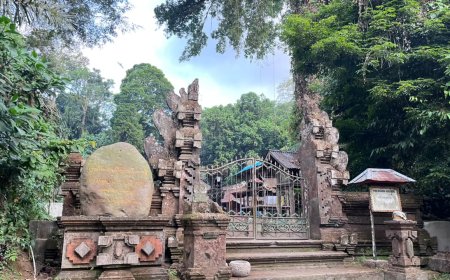
Temple Atmosphere at Night (Source: personal collection)
Beyond its spiritual role, Galuh Temple also serves as a social and cultural hub for the local community. It often becomes the gathering point during traditional ceremonies or communal activities such as cleaning and maintaining the temple grounds. This reinforces the temple’s function not only as a sacred site but also as a symbol of solidarity and cultural identity, binding the people of Sengkidu Village to their traditions and ancestral heritage.