





























A Week that Changed History: The VOC and Bali in Cornelis de Houtman’s 1597 Expedition
This article discusses an important event in the history of Bali and the Netherlands, namely the first contact between Cornelis de Houtman and the island of Bali on February 9–16, 1597. The expedition was part of the Dutch’s first voyage to Asia in search of spices. After a long and exhausting journey that claimed many lives, Houtman’s fleet finally arrived in Bali and was warmly welcomed by the local community.

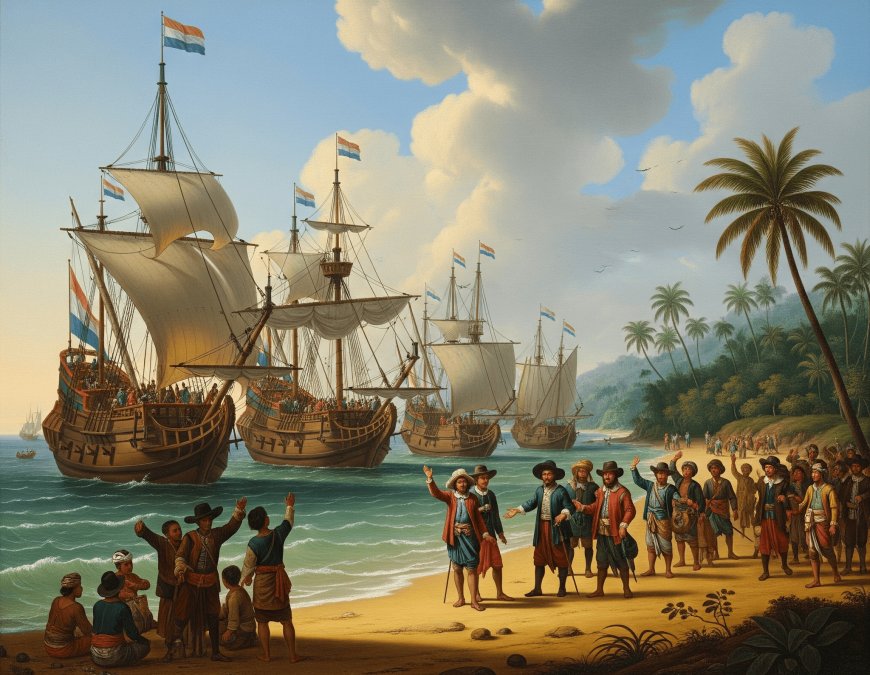
The Expedition of Cornelis de Houtman (1595–1597) was the first Dutch voyage to Asia with the aim of seeking spices. After sailing for months from Banten and East Java, the fleet arrived in Bali from February 9 to 16, 1597. This moment marked the first time the Dutch (who would later form the VOC) interacted with the island of Bali, which at that time was still under the reign of Dalem Bekung of the Gelgel Kingdom.
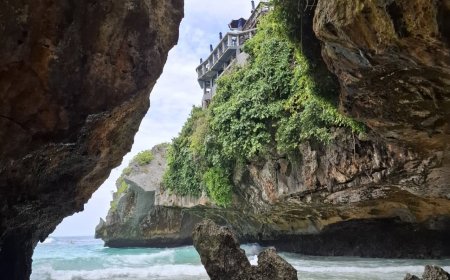
When Cornelis de Houtman’s fleet reached Bali on February 9, 1597, their condition was already dire. Out of the four ships that had departed from the Netherlands, only three managed to reach their destination. The long voyage around the Cape of Good Hope, across the Indian Ocean, and through Java had exhausted the crew. Many of them fell ill, and some even died from starvation and disease. Therefore, when the shores of Bali finally appeared on the horizon, the sailors felt a profound sense of relief and joy.
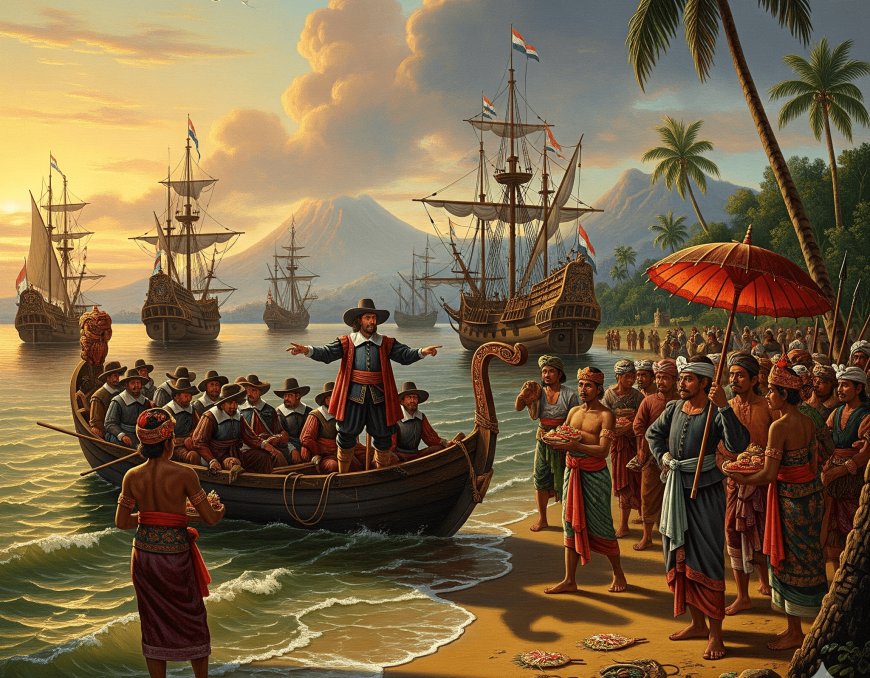
AI Illustration of the Arrival of Cornelis de Houtman’s Expedition in Bali (Source: Private Collection)
The Balinese people, accustomed to interactions with foreign traders from places such as Java and Makassar, did not show suspicion toward the newcomers. The Dutch were warmly received by the locals. Balinese traders were willing to sell their agricultural products, especially rice, meat, arak, and coconuts. For the weary crew of Houtman’s fleet, Bali seemed like a perfect tropical paradise.
The Dutch merchants began building relationships with the Balinese by exchanging European goods such as iron, textiles, and small ornaments to fulfill their logistical needs. These European items attracted the curiosity of the Balinese, as many of them had never seen such objects before. On the other hand, the Dutch closely observed local ceremonies, clothing, and Balinese dance performances, noting that the island’s social life was very distinctive. They were particularly impressed by the hospitality of the Balinese, which sharply contrasted with their earlier experiences in Java that were often marked by conflict.
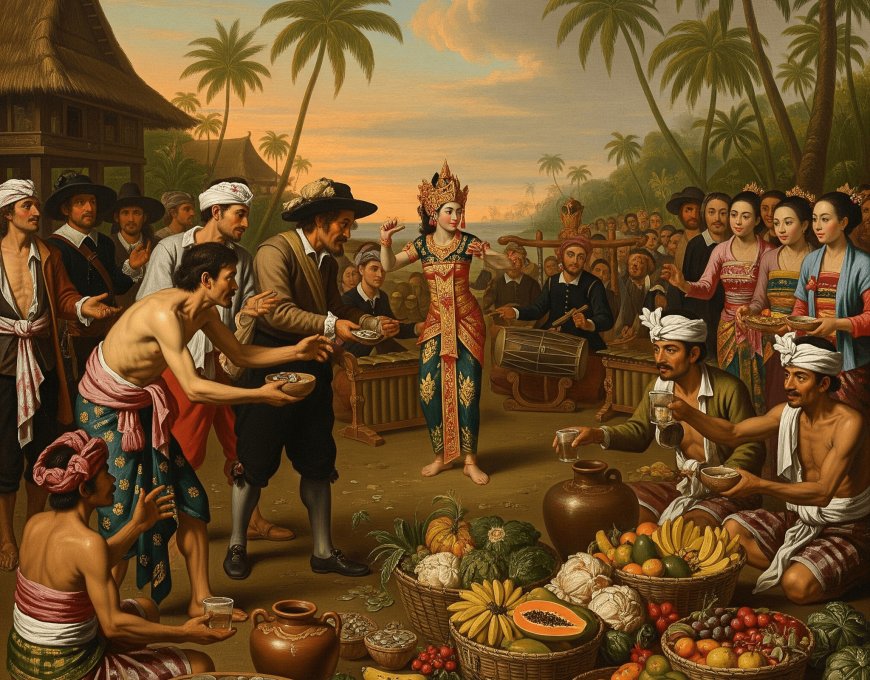
AI Illustration of Dutch Traders Beginning to Establish Relations with the Balinese People (Source: Private Collection)
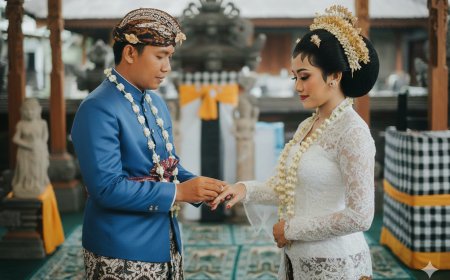
On February 13, 1597, four days after their arrival in Bali, the visit reached its peak. Dutch representatives were invited to meet the Balinese ruler, Dalem Bekung, at the Gelgel court. Cornelis de Houtman and several of his officers attended the formal reception. According to the journal edited by Rouffaer and IJzerman in De Eerste Schipvaart der Nederlanders naar Oost-Indië onder Cornelis de Houtman, 1595–1597 (1915), this meeting left the Dutch deeply impressed by the grandeur of the Balinese court and its Hindu rituals. The King of Bali welcomed them with respect and granted temporary permission to trade, although no formal trade contract was signed. This gesture showed that Bali was open to foreign relations while still safeguarding its sovereignty and political independence.

AI Illustration of the Visit of Dutch Representatives Meeting the King of Bali, Dalem Bengkug (Source: Private Collection)
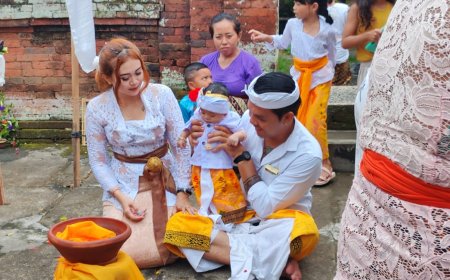
The same journal also notes that during their stay in February 1597, several Dutch crew members established fairly close social relations with the locals. Some of them engaged in interactions with Balinese society. The Balinese welcomed the visitors by offering food, drinks, and dance performances. The Dutch also purchased large amounts of fresh food supplies, which were desperately needed after their long journey. This was especially important because some crew members were already suffering from scurvy, a disease caused by a deficiency of vitamin C after months of subsisting on dry or salted provisions such as hardtack and salted meat, without access to fresh fruits or vegetables.
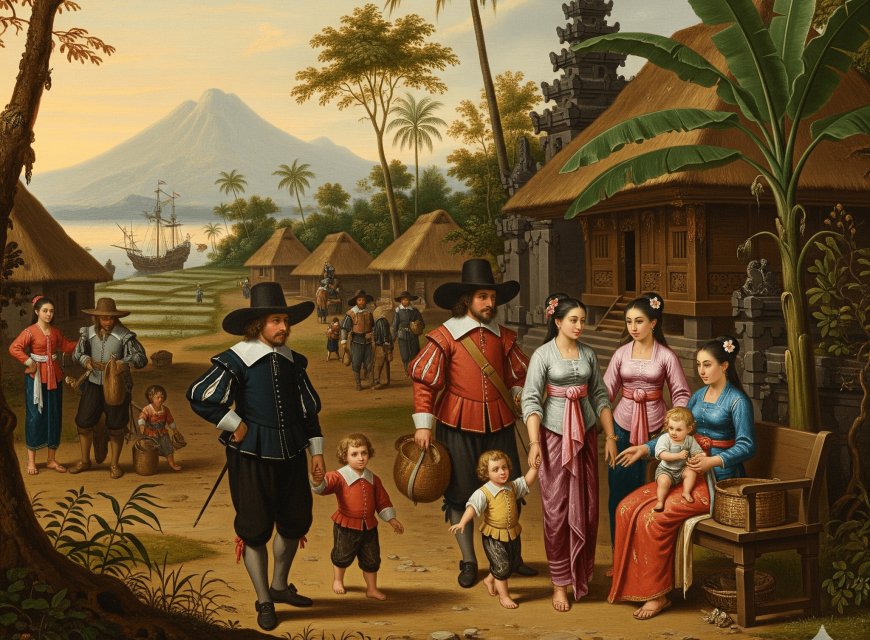
AI Illustration of the Social Interaction between the Crew Members and the Local Inhabitants (Source: Private Collection)
After a week of interaction, Houtman’s fleet departed Bali on February 16, 1597, heading to their next destination, the Moluccas. They left with adequate supplies, improved health, and lasting impressions of Balinese hospitality. Some crew members even chose to remain in Bali, attracted by the way of life on the island. This brief encounter marked an important chapter in history, as it represented the first official contact between the Dutch and Bali, which would later continue into a long and complex colonial relationship following the establishment of the VOC in 1602.
References:
Farram, S. (1997). Of Bali – The Dutch Conquest. [Thesis/Research Dissertation, Charles Darwin University]. https://ris.cdu.edu.au/ws/portalfiles/portal/35306545/Thesis_CDU_6198_Farram_S.pdf
Hägerdal, H. (2001). Bali in the sixteenth and seventeenth centuries: Suggestions for a chronology of the Gelgel period. Bijdragen tot de Taal-, Land- en Volkenkunde, 157(4), 695–717.
Rouffaer, G. P., & IJzerman, J. W. (Eds.). (1915). De eerste schipvaart der Nederlanders naar Oost-Indië onder Cornelis de Houtman, 1595–1597. Martinus Nijhoff.