






















When Laughter Becomes Literature: Exploring Sesenggakan Bali
Amidst the rapid pace of modernization, Balinese society continues to preserve its meaningful oral traditions. One literary heritage that remains intact to this day is sesenggakan, a unique form of proverb in the Balinese language that is full of humor, satire, and metaphor. More than just entertainment, sesenggakan serves as a medium for moral education and social control that has been passed down from generation to generation.

Sesenggakan is a type of Balinese proverb that belongs to the category of Basita Paribasa. Etymologically, the word sesenggakan comes from the root senggak, meaning “to allude” or “to poke fun at,” with the suffix -an. True to its name, this form of expression is used to convey satire or criticism subtly through analogy.
Unlike other proverbs, which are usually serious or formal, sesenggakan carries a relaxed style, filled with humor, and is easy to remember. This expression usually begins with the word buka, meaning “like” or “as if,” followed by two clauses: the first presents an analogy, while the second delivers the satire or hidden meaning.
This unique structure makes sesenggakan both memorable and effective in delivering its message. People often use it in daily conversations, education, performing arts, and even traditional ceremonies. In this way, sesenggakan not only entertains but also serves as a means of upholding social ethics, offering reminders, or even reprimanding without causing offense.
History and Development
The tradition of sesenggakan is believed to have developed hundreds of years ago. It was born from the Balinese community’s habit of delivering advice and criticism through simple metaphorical expressions. In the past, sesenggakan was often used in traditional education to teach moral values, ethics, and politeness to the younger generation.
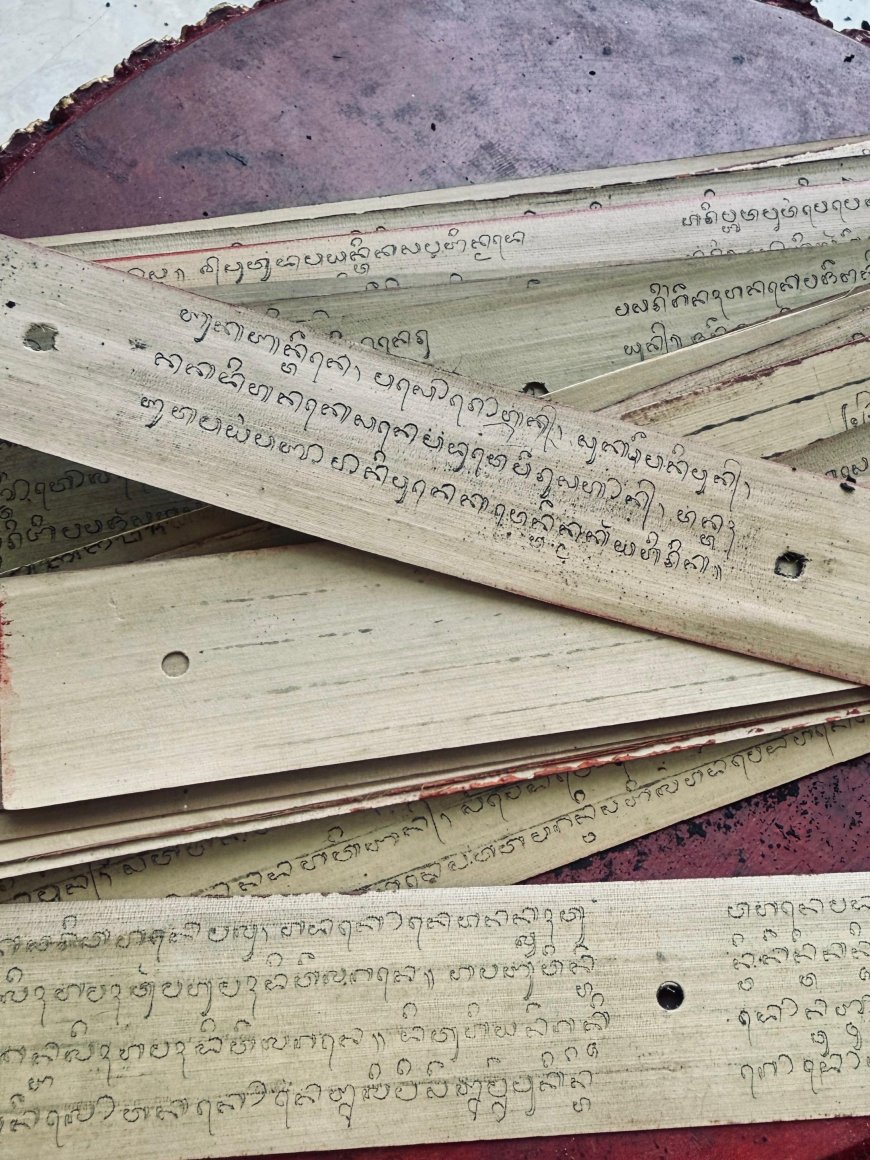
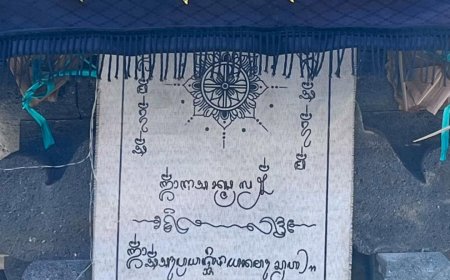
A Sesenggakan Manuscript in Balinese Lontar (Photo Source: Private Collection)
Along with the passage of time, sesenggakan has remained preserved due to its flexible nature. In addition to being a medium of education, it also serves as entertainment in social gatherings and art performances. Its existence is often compared to other forms of Balinese proverbs, such as sesonggan, although sesenggakan is shorter, more rhythmic, and more focused on satire.
Examples of Sesenggakan and Their Meanings
Sesenggakan is carefully composed to be easy to remember while also conveying moral values, ethics, and local wisdom in a subtle way. In everyday conversations, these expressions not only entertain, but also act as a bridge between education and ancestral tradition. Below are some popular examples of sesenggakan among the Balinese community:
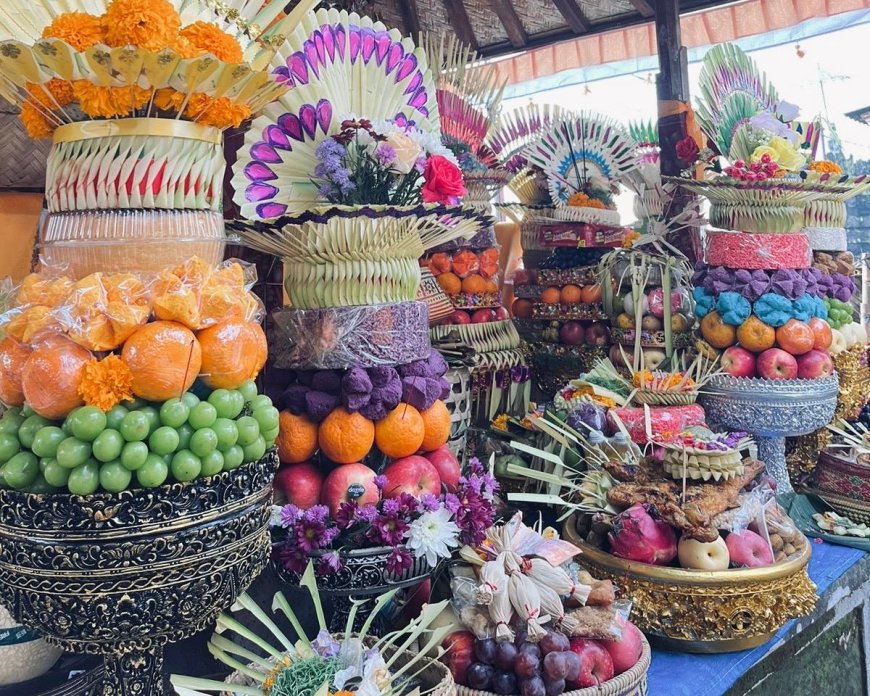
Buka bantenne, masorohan. (Photo Source: Private Collection)
One example is “Buka bantenne, masorohan.” This sesenggakan subtly criticizes injustice, especially when only a certain group of people is given privilege or priority. Through this expression, we are reminded to act fairly and to value every individual without favoritism. Its message also encourages us to think critically about the treatment we receive or give to others.

Buka batun buluane, nglintik tuah abesik. AI Illustration (Photo Source: Private Collection)
Another example is “Buka batun buluane, nglintik tuah abesik.” This sesenggakan is used to satirize someone who lives in isolation or is unwilling to socialize with those around them. The message of this sesenggakan is to remind us of the importance of togetherness. The expression also emphasizes that interacting with others brings valuable experiences and life lessons.

Buka dedalune, kampid baan nyilih. AI Illustration (Photo Source: Private Collection)
There is also the sesenggakan “Buka dedalune, kampid baan nyilih”, which is used to satirize those who appear luxurious or look attractive, even though everything they wear does not belong to them. Its message teaches honesty and the importance of being genuine. This expression reminds us that outward appearances can be deceiving, and that simplicity is often more valuable.

Buka Becicane ujanan, nguci. AI Illustration (Photo Source: Private Collection)
Another sesenggakan is “Buka Becicane ujanan, nguci”, which describes a person who talks a lot but without clear meaning. The message of this expression is that every word spoken should carry meaning and a clear purpose. In addition, this sesenggakan emphasizes the importance of thinking before speaking so that communication becomes more effective.

Buka cicinge ngongkong, tuara pingenan nyegut. AI Illustration (Photo Source: Private Collection)
This expression satirizes those who appear brave but are actually cowardly. “Buka cicinge ngongkong, tuara pingenan nyegut” reminds us that true courage must be proven through real actions, not merely appearances or words. Its meaning also teaches us to judge people by their behavior, rather than by first impressions alone.

Buka dangap-dangape, gede-gede kayune ogara. AI Illustration (Photo Source: Private Collection)
“Buka dangap-dangape, gede-gede kayune ogara” portrays someone who aims to do great things even though their abilities and resources are limited. The message of this sesenggakan emphasizes the importance of recognizing one’s own limits. In addition, the expression teaches wisdom in making decisions so as not to lead oneself into trouble.
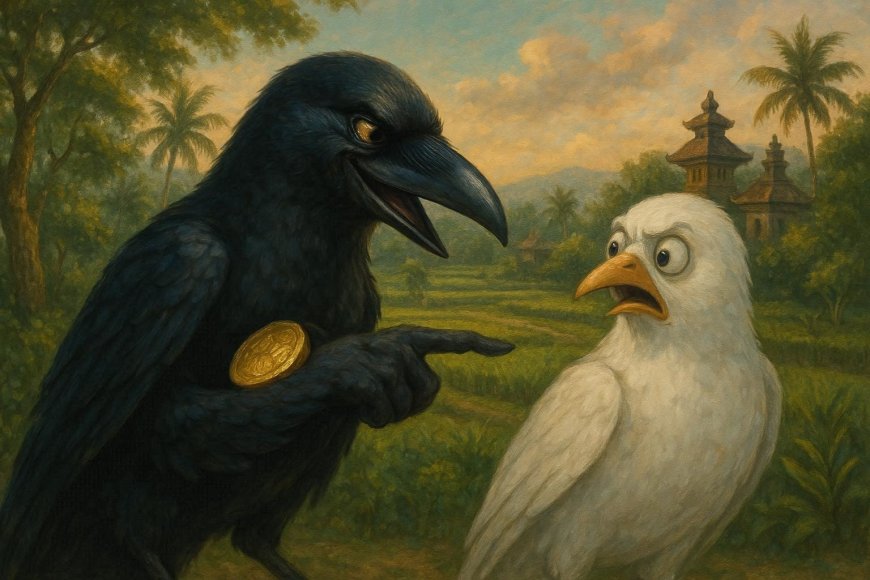
Buka goake, ngadanin ibane. AI Illustration (Photo Source: Private Collection)
There is also the sesenggakan that says “Buka goake, ngadanin ibane”, which highlights people who commit wrongdoing but then accuse others of being the culprit. Its meaning is to remind us to always act honestly and avoid spreading slander. This expression also emphasizes that integrity is the foundation of trust in social life.

Buka jangkrike, galak di bungut. AI Illustration (Photo Source: Private Collection)
One of the other interesting sesenggakan is “Buka jangkrike, galak di bungut”, which highlights people who are harsh in words but unable to follow through with their actions. Its message teaches the importance of harmony between words and actions. In addition, the expression emphasizes consistency and responsibility as essential parts of one’s character.
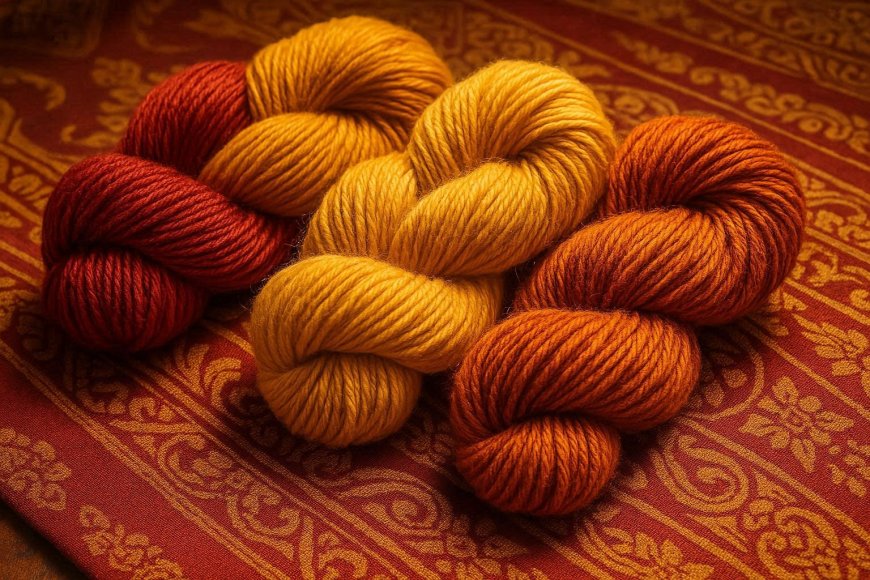
Buka benange suba kadung maceleban. AI Illustration (Photo Source: Private Collection)
The expression “Buka benange suba kadung maceleban” is used to satirize those who have already started a task and therefore must finish it. The message of this sesenggakan emphasizes responsibility and discipline. It also reminds us that completing what has been started is a sign of maturity and commitment.

Buka entikan oonge, ngulah pesu. AI Illustration (Photo Source: Private Collection)
Finally, “Buka entikan oonge, ngulah pesu” describes someone who speaks without guidance or a clear line of thought. This sesenggakan teaches the importance of thinking carefully before acting or speaking. Its message also stresses that wisdom in speech helps prevent problems and conflicts.
Sesenggakan is proof of the creativity of the Balinese people in packaging criticism, humor, and moral messages into a single concise expression. Amidst the tide of globalization, this tradition continues to live on and is used in various contexts, both formal and informal. It not only preserves local wisdom, but also becomes a bridge between generations, reminding us that laughter can become literature full of meaning.