












From Pengosekan to the Global Stage: Exploring Sanggar Cudamani’s Role in the Kena: Bridge of Spirits Original Soundtrack
It began with a meeting in Los Angeles in 2018, where Balinese gamelan maestro Dewa Putu Berata forged an epic collaboration with composer Jason Gallaty to create the score for the game Kena: Bridge of Spirits. To evoke a magical atmosphere in harmony with the game's nature-centric theme, they blended the resonant sounds of Gamelan Semara Dana and Jegog, recorded on-site in Bali. with original vocal compositions inspired by the simplicity of Torajan singing. Adhering strictly to ethical boundaries regarding the commercial use of sacred instruments and melodies, this creative journey resulted in a dynamic audio masterpiece. The story also demonstrates the remarkable flexibility and relevance of Balinese gamelan tradition in the modern era, proving its ability to resonate powerfully within the global landscape of digital entertainment.

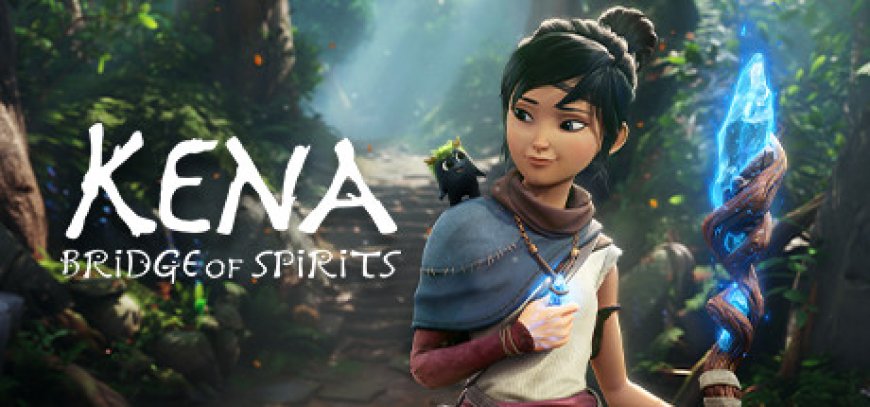
For gamers around the world, Ember Lab's Kena: Bridge of Spirits is not merely a visual feast, but a spiritual journey driven by a magical score. The game's mystical atmosphere, combat tension, and emotional tenderness are perfectly enveloped in the ringing of bamboo and bronze instruments. The soul of this award-winning epic soundtrack was born from the touch of a Balinese gamelan maestro from Pengosekan: Dewa Putu Berata, the key figure behind Sanggar Cudamani.
This transcontinental collaboration began in 2018. At the time, Dewa Berata was serving as the Art and Music Director for Gamelan Sekar Jaya, a renowned gamelan group in the United States. He was contacted by Jason Gallaty (Theophany), the lead composer at Ember Lab, who was working on Kena: Bridge of Spirits. Jason had a specific vision: he wanted to inject strong spiritual elements and natural nuances into the game's soundtrack, and he believed Balinese Gamelan was the definitive answer.
Their meeting took place in Los Angeles. From their initial conversations, Jason and Pak Dewa quickly realized they shared a common vision. The core concept of Kena, following a Spirit Guide striving to restore balance to nature, resonated deeply with the Balinese philosophy of Tri Hita Karana, which emphasizes harmony between humanity, nature, and the Divine.
Their first musical experiment was held at the Los Angeles home of Pak Dewa's mother-in-law, Judy Mitoma. Using sets of Gamelan Semarandana and Gamelan Jegog, Jason experienced the magical resonance of Balinese music firsthand. From this small starting point, a massive musical project began to take shape.
Creating a musical composition for Kena was an entirely new experience for Pak Dewa. In Balinese tradition, gamelan is typically played as ngayah (devotional service) or for stage performances with fixed structures and sequences. In the video game industry, however, music must be dynamic, capable of adapting to the player's movements and decisions in real-time.
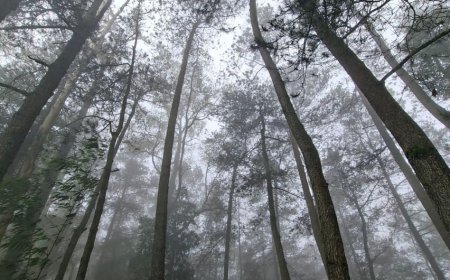
To capture the right mood, Pak Dewa and Jason traveled to the Redwood forests of San Francisco. Under the canopy of giant, centuries-old trees, they sought inspiration, absorbed the energy of nature, and discussed melodies that could accurately represent the game's spirits.
The greatest challenge emerged during technical production. Pak Dewa highlighted the intense complexity and patience required for the game's audio sampling process. For a single gamelan key, they had to record up to six different strike intensities (velocity), from the softest graze to the hardest strike. This was meticulously done one by one to capture the detailed dynamics of each instrument.
The large-scale recording process was executed across two locations. Initial sessions took place at Studio One in California alongside experienced sound engineer Adam Berg. However, to capture the maximum communal aura and authentic resonance of the gamelan, production was moved to Bali. For a full week, intensive recording sessions were held at the RRI Denpasar studio, involving dozens of traditional Balinese musicians playing Gamelan Semarandana and the giant bamboo Gamelan Jegog.
Throughout the production of the Kena soundtrack, Pak Dewa strictly refrained from using authentic sacred Balinese instruments or gending (songs) typically reserved for religious ceremonies. Using sacred materials for a commercial video game would be, to him, an ethical and spiritual violation.
As a solution, Pak Dewa chose to utilize Gamelan Semarandana, a 7-note gamelan system that afforded him a much broader range of melodic exploration. Armed with this instrument, he composed entirely new material, arranged to project the authentic, mystical aura of Bali. Vocal exploration was handled with equal care. For scenes related to death, for instance, Pak Dewa drew inspiration from the simplicity and sorrow of Torajan chants. He then created entirely new vocal compositions performed by his wife (Emiko Saraswati Susilo) and daughter (Dewa Ayu Larassanti) by capturing only the mood or nuance, ensuring he did not use pre-existing traditional vocal structures.
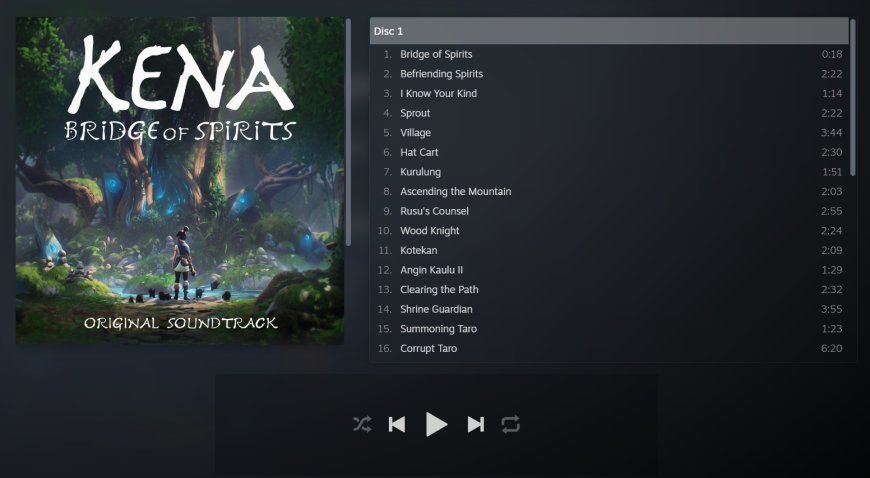
Kena: Bridge of Spirits Original Soundtrack (Source: Steam)
The success of the Kena: Bridge of Spirits soundtrack proves the extraordinary flexibility of Balinese Gamelan. This traditional music is not only relevant for temple ceremonies or village stages but can seamlessly evolve into a crucial element of modern technological masterpieces within the global entertainment industry.
Pak Dewa hopes that the younger generation will not hesitate to innovate and marry tradition with new media such as video games, animated films, and other digital arts. "Our gamelan is like water; it can adapt to any vessel," he noted. As long as its core essence, respect, and sacred boundaries are maintained, traditional Balinese art will continue to live, evolve, and resonate. From the village of Pengosekan, reaching far onto the global stage.