


































Made Cenik: A Little Figure as a Reflection of Balinese Life
Made Cenik is not merely a Balinese children’s song, but a reflection of life imbued with moral messages. Through the simple story of a passive “little figure,” the song conveys a subtle critique of the danger of being left behind amid the rapid flow of modernity. Through its lyrics, society is invited to reflect: are we prepared to face the times, or will we be crushed by their pace? This article explores the gending rare Made Cenik as a symbol of cultural values that reflect Balinese society.

Traditional Balinese songs have long served as spaces of reflection rich in meaning. One work that remains widely known today is Made Cenik, a traditional song or sekar rare imbued with moral messages. This song is not merely entertainment for Balinese children, but also functions as a medium for character education, a reminder of cultural values, and a portrait of the dynamics of Balinese society.
The Origins and Popularity of Made Cenik
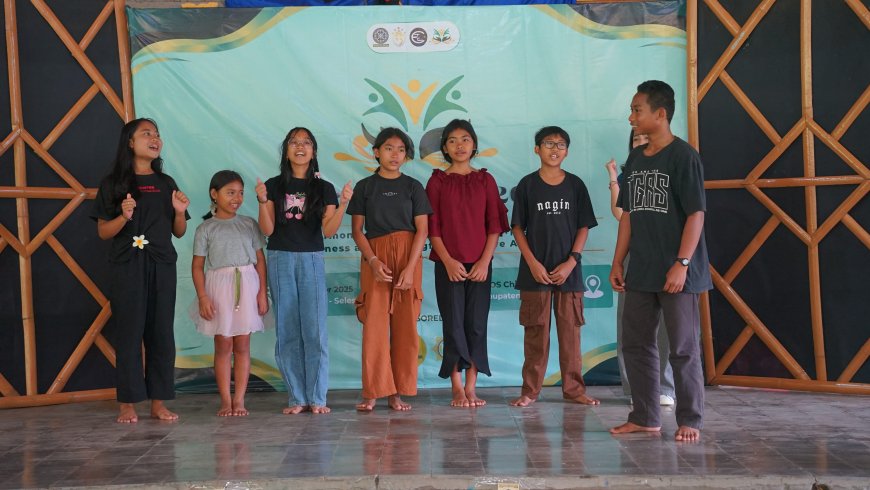
Children Singing Together (Source: Personal Collection)
When traced back, Made Cenik is essentially a regional song that was popular among Balinese children in the 1990s. Within local tradition, this gending belongs to the category of sekar rare, or children’s songs, which are typically sung in relaxed settings or during traditional activities. Over time, however, its function has expanded. It has become not only a form of entertainment, but also a means of learning, character building, and cultural preservation. From this, it is evident that even simple works can serve as important instruments for instilling life values.
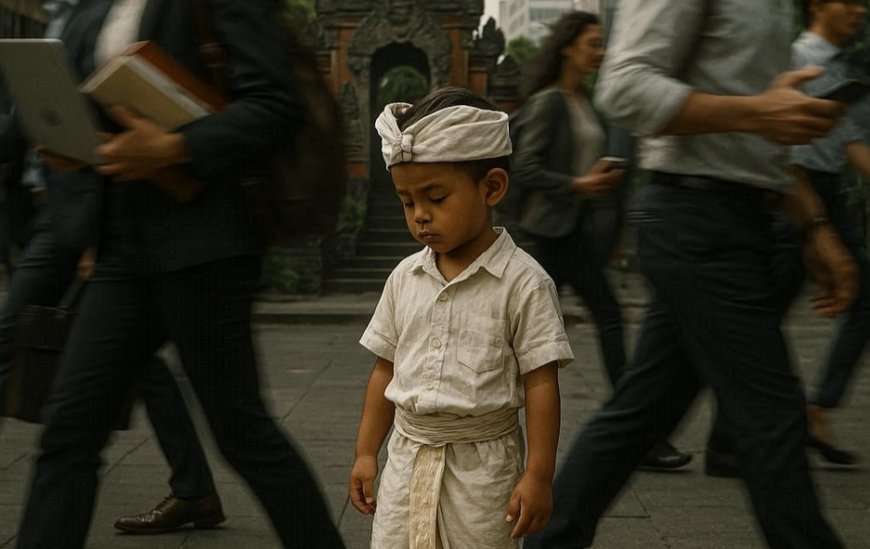
Interestingly, the character of Made Cenik is not a real figure, but a symbol. The word “cenik” in Balinese means “small.” In the lyrics, Made Cenik is portrayed as passive, pessimistic, and reluctant to develop his potential. This depiction can be interpreted as a metaphor for individuals who merely follow the flow without making efforts to improve themselves, thereby risking being left behind by the times. In a subtle manner, the song becomes both a critique and a reminder for society not to fall into excessive humility that ultimately obscures the great potential one possesses.
Motorcycles, Modernity, and the Hidden Message of Made Cenik
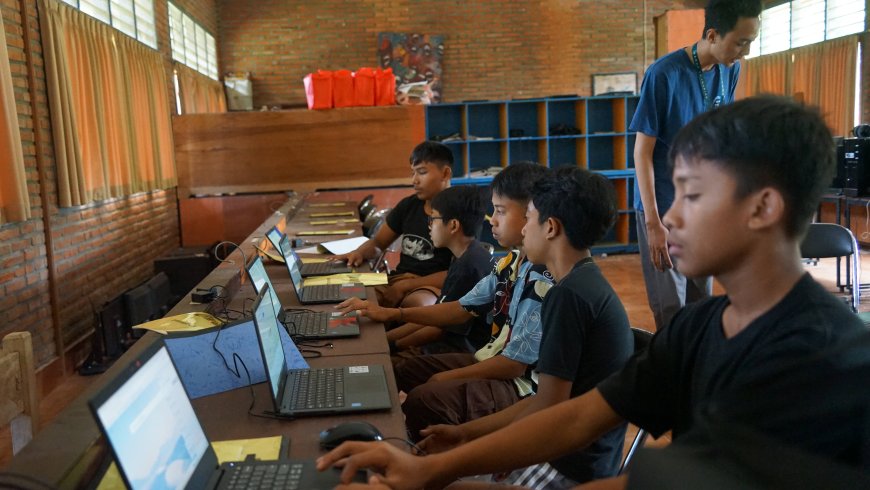
A Group of Children Seriously Learning Modern Technology (Source: Personal Collection)
This philosophical meaning is clearly reflected in one of its verses:
“Made Cenik, lilig motor dibi sanja”
which means “Made Cenik was run over by a motorcycle this afternoon.”
This line is not meant to be interpreted literally, but rather symbolically, representing a person who is defeated by the times due to an inability to adapt. The motorcycle symbolizes modernity and change. If a person remains passive, they will be “run over” by the rapid pace of life. Through this simple metaphor, Made Cenik emphasizes the importance of readiness in facing social and technological change.
However, the song does not speak solely about major challenges. On another level, its lyrics also address simple aspects of everyday life, such as the importance of maintaining personal cleanliness, reminding one another, and having the courage to face difficulties. These values align with Balinese local wisdom, which emphasizes balance between the self, others, and nature. It is therefore not surprising that the song feels close and familiar to the community, as it conveys wisdom through everyday experiences.
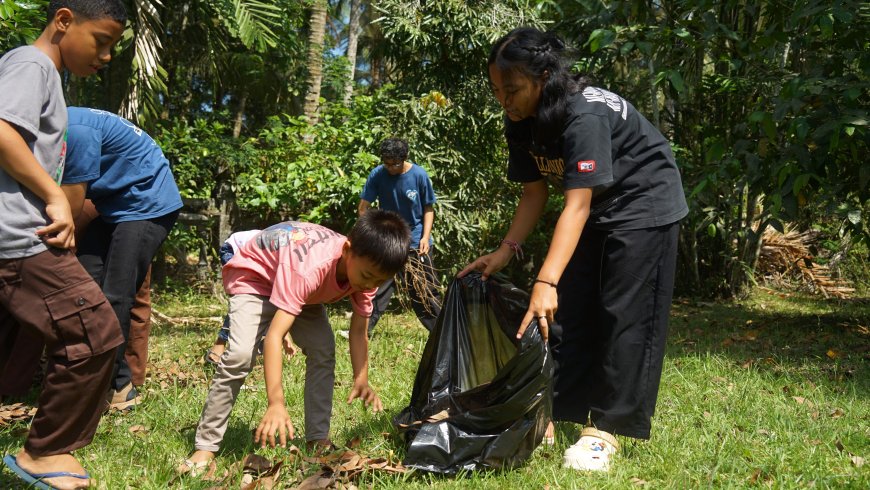
Community Clean-Up Activities (Source: Personal Collection)
From this perspective, we can see how art is used by Balinese society as a medium for moral education. Made Cenik is even taught in elementary schools as part of the local content curriculum. The aim is not merely to introduce children to regional songs, but also to enable them to absorb the life values embedded within them. Through an approach that is enjoyable and familiar, character education can be more easily instilled in younger generations.
A Simple Reflection for Facing an Ever-Changing Era
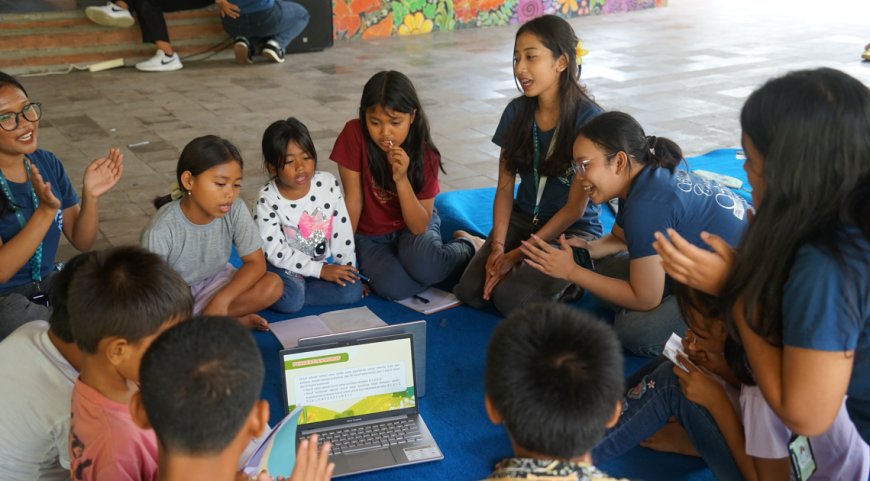
Children Learning and Playing (Source: Personal Collection)
The relevance of this song becomes even more pronounced in the era of globalization. Modern society is often preoccupied with speed, sometimes becoming trapped in an instant-driven way of life. In such circumstances, Made Cenik serves as a mirror for self-reflection: are we actively confronting challenges, or are we still passive and at risk of being “run over by the motorcycle” of the times? This message feels increasingly important, especially for younger generations living within a global competition.
Ultimately, Made Cenik is a simple representation that holds profound meaning. It reminds us that passivity leads only to stagnation, while the courage to change opens pathways for personal growth. More than just a children’s song, it stands as proof of how traditional Balinese art can serve as a timeless medium of reflection. By continuing to preserve and understand it, Made Cenik will remain a relevant mirror of life for Balinese society.
Source:
Ni Wayan Sukarini, N. L. (2016). Gending Rare sebagai Media Pelestarian Bahasa Daerah. Simposium Internasional Bahasa, Sastra, dan Budaya, 212-221.
Tristyanti, L. P. (2024). SESELEH TETUEK KONOTATIF LAN DENOTATIF GENDING RARE MADE CENIK. Seminar Nasional Trilingual Bahasa, Sastra, dan Pariwisata II, 54–58.