











Manik Menuh Ecotourism: Integrating the Aesthetics of Traditional Rice Fields and the Tranquility of Nature in Sesandan Village
Ekowisata Manik Menuh in Sesandan Village, Tabanan Regency, is a nature-based tourism destination that highlights the beauty of traditional rice fields and a peaceful natural atmosphere. This area utilizes rice-field landscapes managed through the subak irrigation system as its main attraction, while also reflecting the local wisdom of the surrounding community.

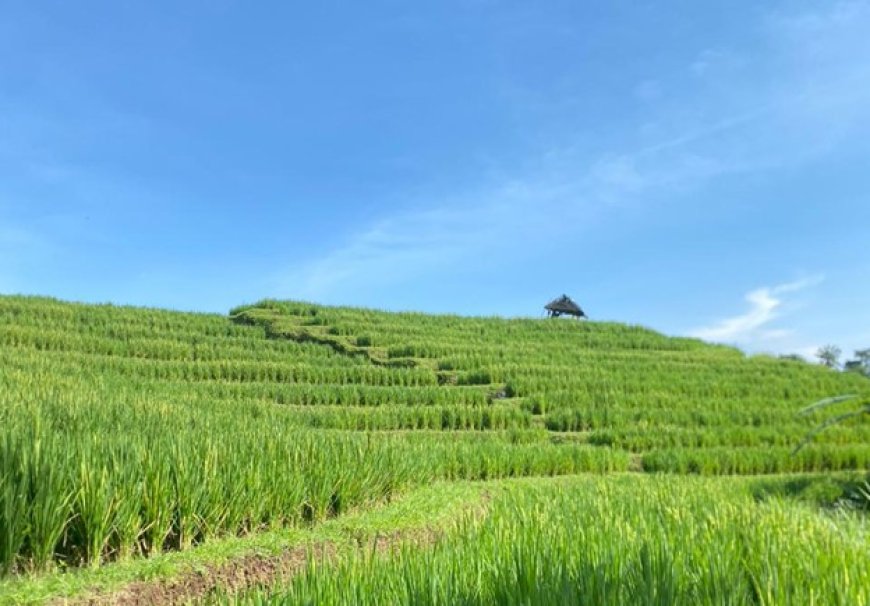
Manik Menuh Ecotourism, located in Sesandan Village, Tabanan Regency, is a nature-based tourism destination that highlights the beauty of traditional rice fields and a serene natural atmosphere. The area utilizes rice field landscapes managed under the subak irrigation system as its main attraction, while also reflecting the local wisdom of the surrounding community.
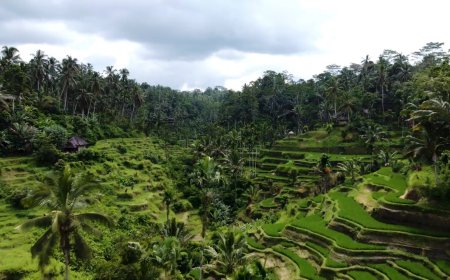
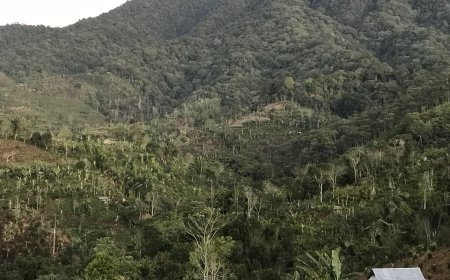
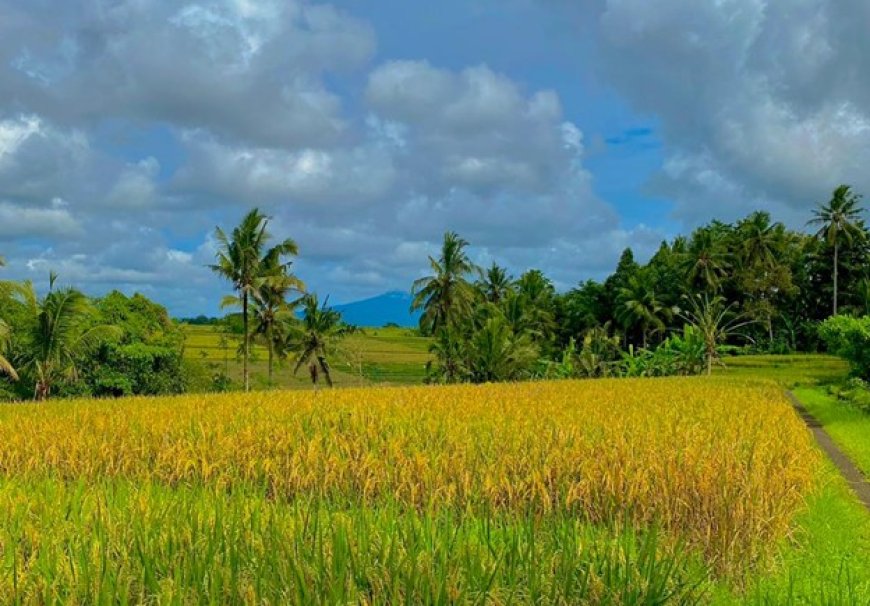 Golden rice fields in Tabanan (Source: Personal Collection)
The ecotourism concept emphasizes environmental sustainability and active involvement of the local community. Visitors not only enjoy scenic views, but also gain educational experiences related to traditional agriculture and Balinese cultural values rooted in the philosophy of Tri Hita Karana.
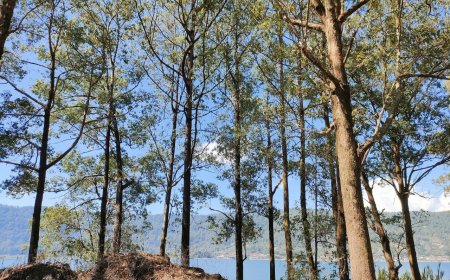
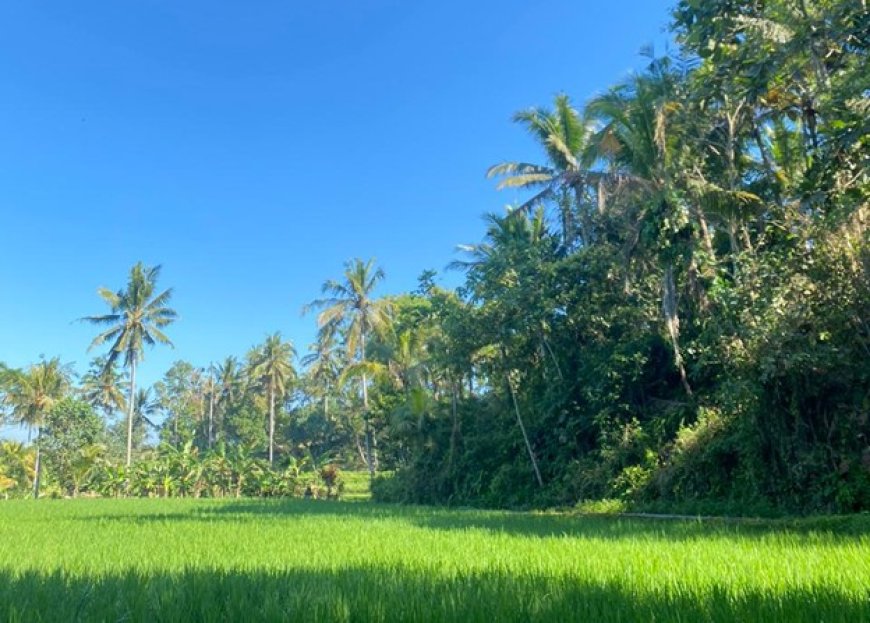 Green rice fields with a backdrop of tropical trees
(Source: Personal Collection)
The calm natural setting, cool air, and minimal pollution make Manik Menuh Ecotourism a space for both recreation and reflection. Its presence plays an important role in supporting the village economy without compromising the preservation of nature and local culture.
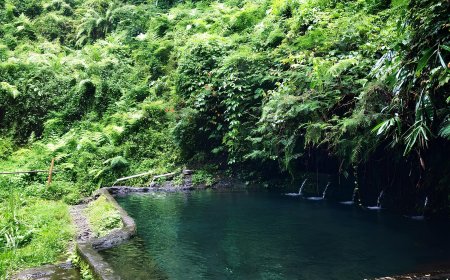
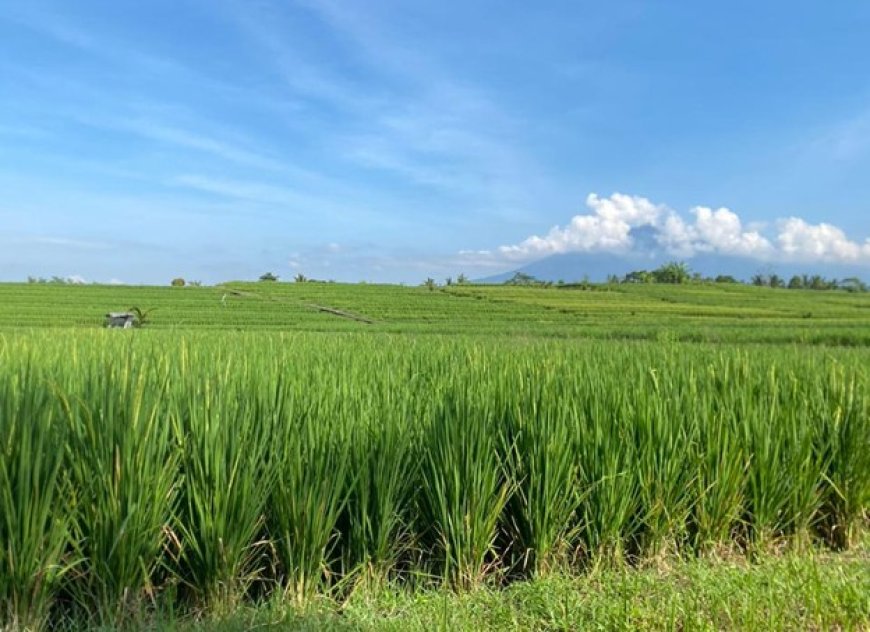 Vast Green Rice Fields in Manik Menuh (Source: Personal Collection)
Beyond its visual appeal, Manik Menuh Ecotourism offers a tranquil atmosphere that serves as its main attraction. Low noise pollution and the presence of natural elements such as trees, flowing water, and local wildlife create an environment conducive to relaxation and self-reflection. These conditions make the area well-suited as an alternative tourism destination that emphasizes inner experience and mental balance.
This natural tranquility also holds strong potential to be developed as a special-interest tourism destination, such as meditation tourism, nature photography, and educational tourism for students and researchers.