





Pura Dalem Selonding of Pecatu and Its Sacred Water Cave: A Healing Sanctuary on the Cliffs of Uluwatu
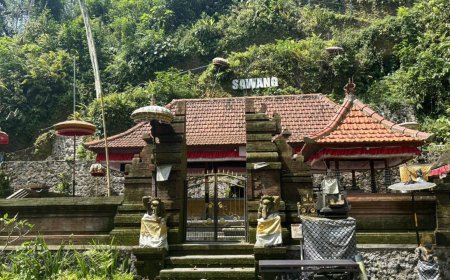
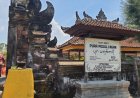
The island of Bali is widely known as a place where nature, spirituality, and culture exist in harmonious balance. Beyond its famous landmarks and popular tourist destinations, Bali also preserves lesser-known sacred sites that play a vital role in the spiritual life of local communities. One such site is Pura Dalem Selonding, a temple quietly situated in Desa Adat Pecatu, within the Uluwatu area of Badung Regency. Unlike the iconic Pura Luhur Uluwatu that attracts large numbers of visitors, Pura Dalem Selonding offers a more secluded and contemplative spiritual experience, deeply rooted in silence, nature, and sacred tradition.

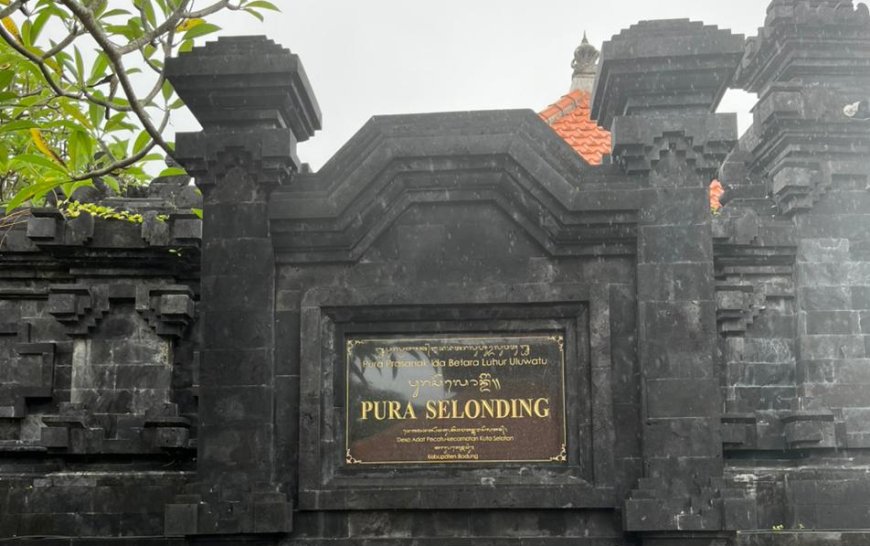
Pura Dalem Selonding is recognized as a pura pesanakan, or companion temple, within the sacred system of Pura Luhur Uluwatu. Its role is inseparable from the main temple, particularly in ritual practice. One clear indication of this close relationship is the shared piodalan (temple anniversary), which falls on Tuesday Kliwon of the Medangsia week, occurring every 210 days according to the Balinese Pawukon calendar. This shared ritual cycle affirms that Pura Dalem Selonding is not an independent shrine, but an integral component of the broader spiritual landscape of Uluwatu, maintained and honored by the Pecatu customary community.
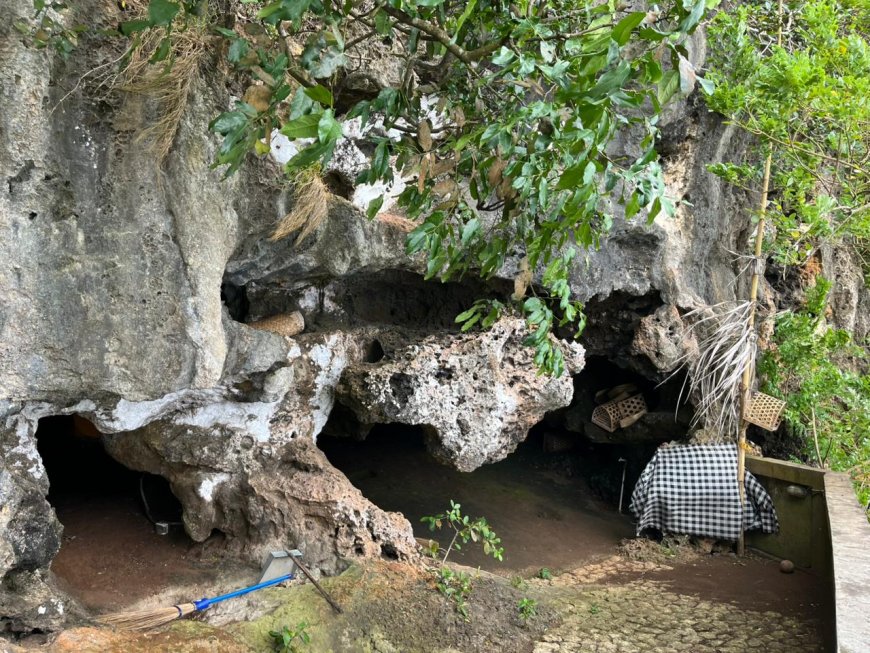
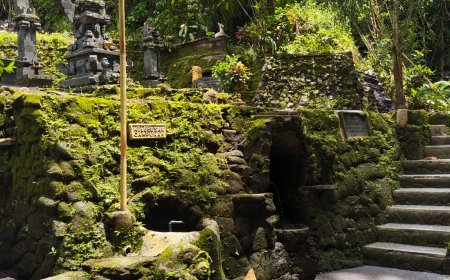
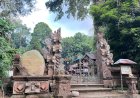
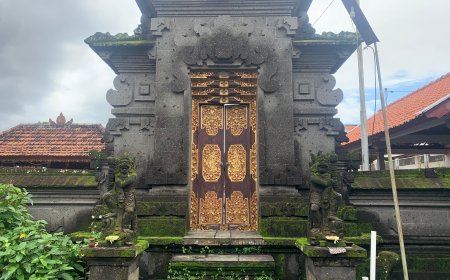
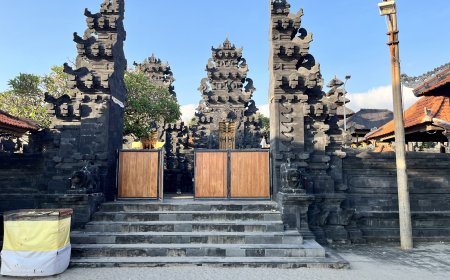
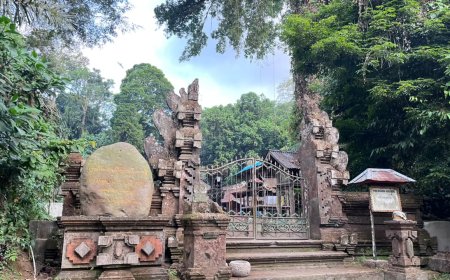
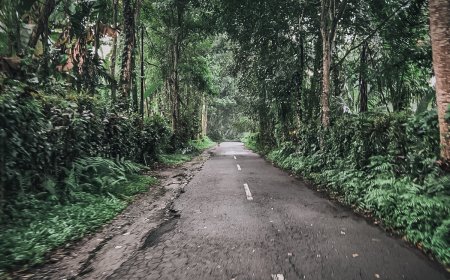
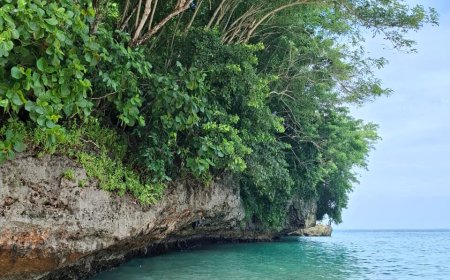
Enterence Path to the Cave (Source: Private Collection)
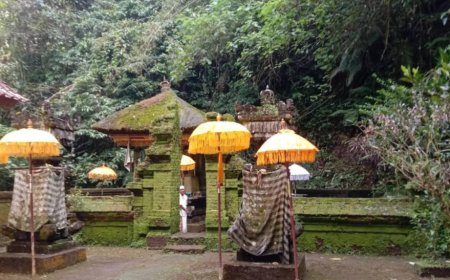
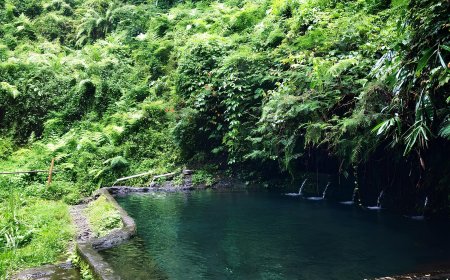
One of the most distinctive features of Pura Dalem Selonding is its setting within a natural cave, commonly referred to as Goa Selonding. Formed naturally within the limestone cliffs of southern Bali, the cave contains small chambers that evoke a profound sense of stillness and sanctity. Within this cave lies a sacred water source, gently seeping from the rock walls and ceiling. Remarkably, this water is believed never to dry up, even during the dry season, a phenomenon that reinforces its sacred status among devotees.
For the local community and visiting pilgrims, the water from Goa Selonding is believed to possess healing properties, both physically and spiritually. Many come to perform prayers, purification rituals, or melukat, seeking relief from illness, inner turmoil, or spiritual imbalance. This belief in the curative power of the sacred water has been passed down through generations, forming a living tradition that continues to this day. The presence of pilgrims from various regions, including visitors from outside Bali, reflects the broader spiritual significance attributed to Pura Dalem Selonding.
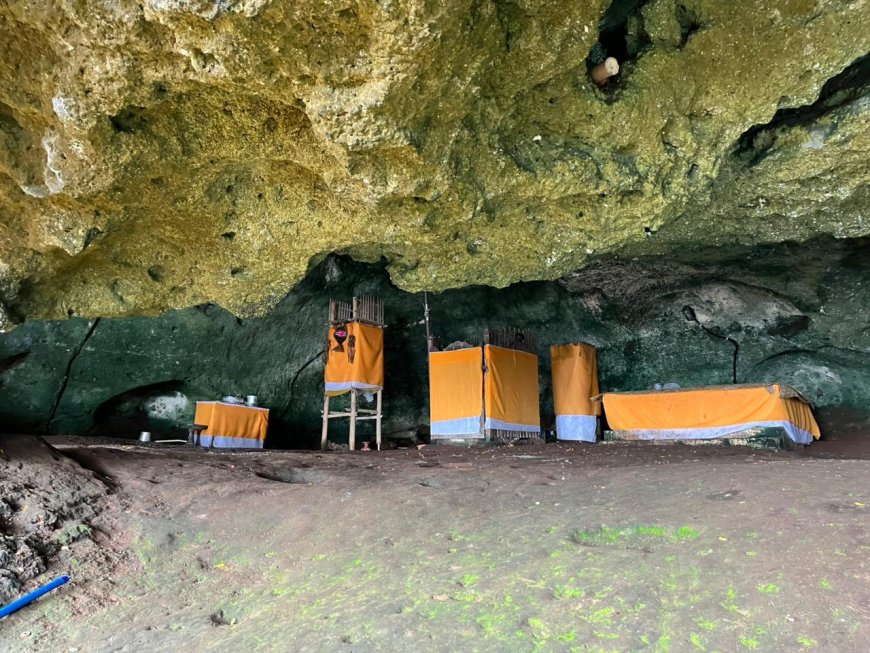
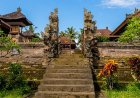
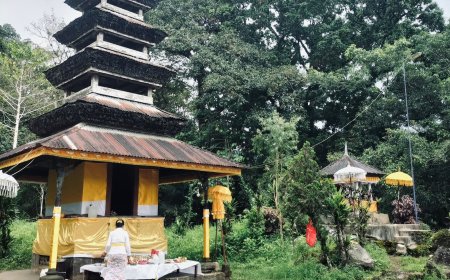
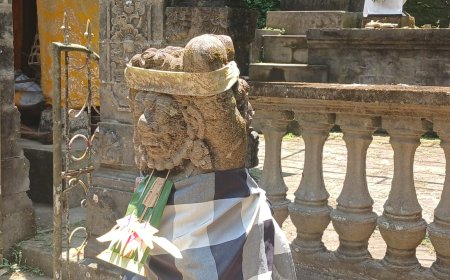
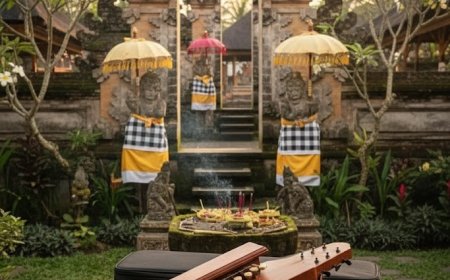
Shrines Inside the Caves of Pura Selonding (Source:Private Collection)
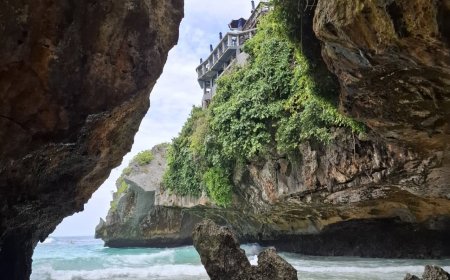
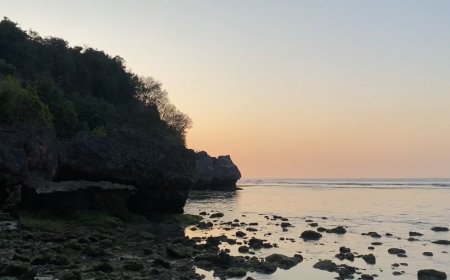
The temple’s location on the southern cliffs of Uluwatu further enhances its aura of sanctity and mysticism. Historically, access to Pura Dalem Selonding was challenging, requiring visitors to traverse steep cliff paths before proper stairways were established. This physical journey was often interpreted as part of the spiritual process itself—a form of preparation before entering the sacred space. Although access has since improved, the temple has retained its tranquil atmosphere, remaining far removed from the bustling activity of Uluwatu’s main tourist areas.
Beyond its spiritual function, Pura Dalem Selonding is also associated with traces of early human civilization. Cultural narratives and regional studies suggest that cave sites in southern Bali may indicate human activity dating back to prehistoric times. In this context, Goa Selonding is often regarded not only as a sacred space but also as part of a broader cultural landscape that preserves the long-standing relationship between humans, nature, and spirituality in Bali.
The name “Selonding” itself carries deep cultural meaning. In Balinese tradition, it is closely associated with the selonding gamelan, an ancient and sacred musical ensemble used exclusively for ritual purposes. While the name does not necessarily imply the physical presence of the gamelan at the site, it symbolizes antiquity, sanctity, and spiritual power. In the case of Pura Dalem Selonding Pecatu, the name reflects the temple’s niskala (unseen, spiritual) significance rather than its material attributes.
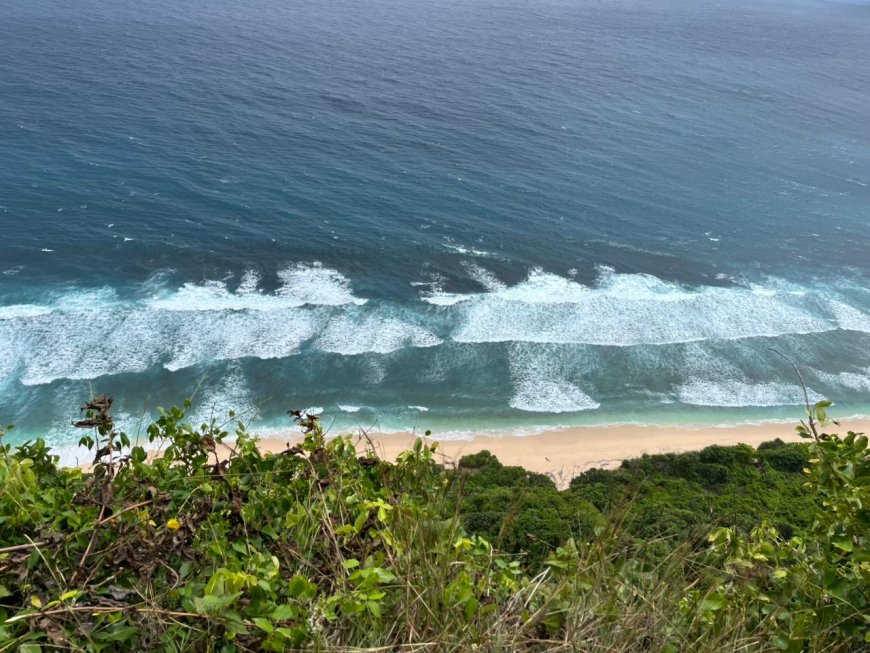
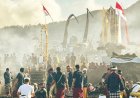
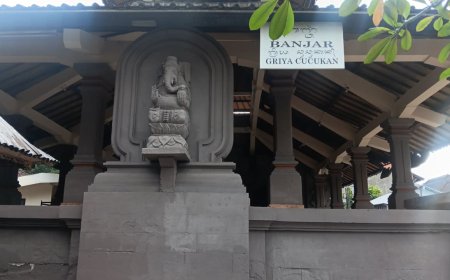
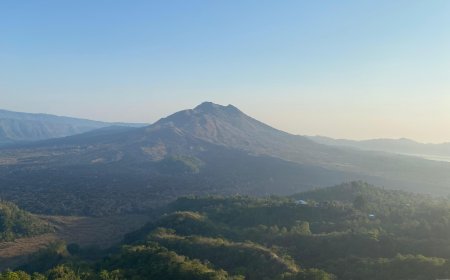
View of the Uluwatu Cliffs (Source: Private Collection)
The continued existence of Pura Dalem Selonding demonstrates how the Pecatu customary community preserves the balance between ancestral heritage, natural surroundings, and contemporary spiritual practice. The temple is not promoted as a mass tourism destination but is instead carefully protected as a living sacred space. This approach reflects local values that prioritize sanctity and reverence over exposure, ensuring that the temple’s primary function as a place of worship remains intact.
Amid Uluwatu’s global reputation as a tourism icon, Pura Dalem Selonding stands as a quiet reminder that Bali’s true depth lies not only in its scenic beauty but also in its hidden spiritual sanctuaries. The temple teaches that healing, tranquility, and spiritual meaning are often found not in the most visible places, but in secluded spaces where silence, nature, and devotion are respectfully preserved.