







Sanggar Kayonan: Bringing Balinese Tradition to the World through the Kendang and the Traces of Ancestors
Sanggar Kayonan is a center for the preservation of Balinese arts and culture that actively develops the potential of the younger generation through performing arts activities. The sanggar serves not only as a place for artistic training, but also as a space for character building, discipline, and the cultivation of love for cultural heritage. Through various performances and achievements, Sanggar Kayonan demonstrates its role as one of the centers for traditional arts development, contributing significantly to the preservation and sustainability of Bali’s cultural heritage.

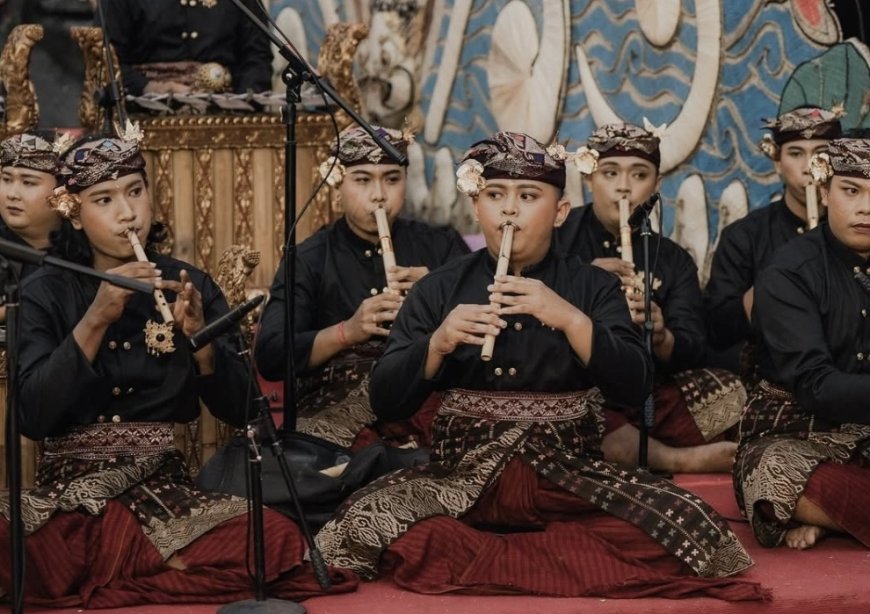
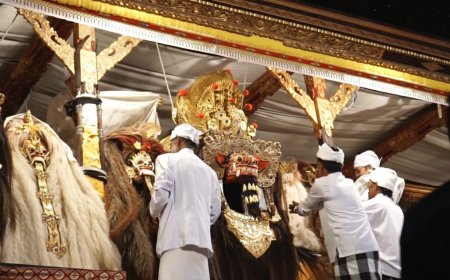
Sanggar Kayonan is a cultural arts studio engaged in the preservation and development of Balinese traditional arts. This studio serves as a place for the community, especially the younger generation, to learn and perform various forms of art such as Balinese dance, gamelan music, traditional theater, and dance dramas such as Calonarang and Barong Ket. Through training activities and performances, Sanggar Kayonan plays a role as a center for arts development as well as a guardian of the continuity of Balinese cultural heritage.
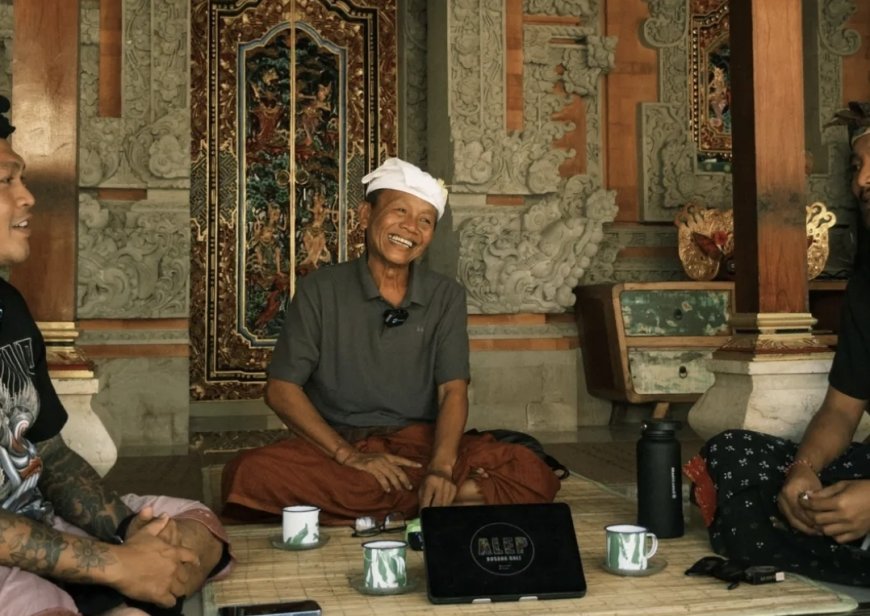
Founder of Sanggar Kayonan (Photo Source: Personal Collection)
Sanggar Kayonan was founded by I Dewa Gede Alit Saputra, better known as Dewa Kayonan, an artist and cultural practitioner from Klungkung, Bali. He established the studio in June 8, 1992, and since a young age he has devoted himself to the arts, especially traditional Balinese theater and performing arts. His long experience in this field encouraged him to establish a platform capable of accommodating, guiding, and directing the interest of the younger generation in Balinese arts and culture. In its early years, Sanggar Kayonan operated on a small scale and focused mainly on theater, but over time it expanded to include dance, gamelan music, and traditional dance dramas.
Throughout his journey, Dewa Kayonan has not only served as the founder, but also as the main instructor, mentor, and driving force of the studio. He personally guides the members, both in terms of artistic techniques and in understanding cultural values and performance ethics. The members of Sanggar Kayonan consist of children, teenagers, and young adults from the Klungkung area. Through a disciplined and continuous training process, they are prepared to perform in various cultural performances and festivals, enabling them to become the next generation in preserving and developing Balinese cultural heritage.
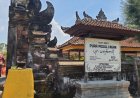
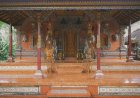
Sanggar Kayonan is located in Desa Adat Kemoning, Kelurahan Semarapura Kelod, Klungkung District, Klungkung Regency, Bali. This place serves as a center for training and arts development for its members. In this environment, various art activities such as dance training, gamelan practice, and traditional theater are conducted regularly. The presence of this studio in the area also makes Desa Kemoning one of the important centers for cultural arts development that plays a significant role in the preservation of Balinese arts in Klungkung Regency.
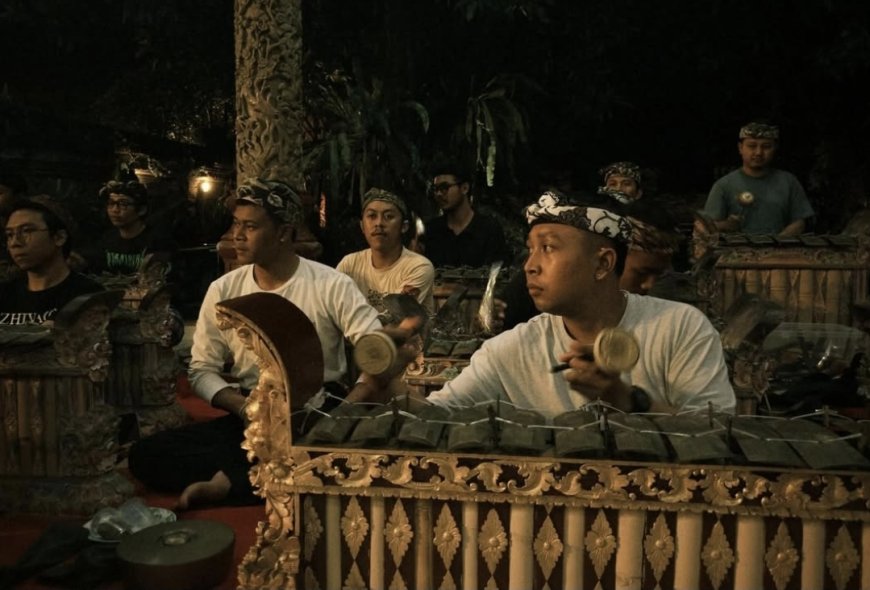
Tabuh Practice at Sanggar Kayonan (Photo Source: Personal Collection)
Gamelan practice activities are one of the main activities at Sanggar Kayanan. The members can be seen playing various Balinese gamelan instruments with full concentration and strong teamwork. The practice process demands accuracy in rhythm, cohesiveness, as well as an understanding of traditional playing patterns. Through regular training, members not only sharpen their musical skills but also develop discipline, a sense of responsibility, and a spirit of togetherness. This activity plays an important role in preserving Balinese traditional music so that it continues to live and grow within the community.
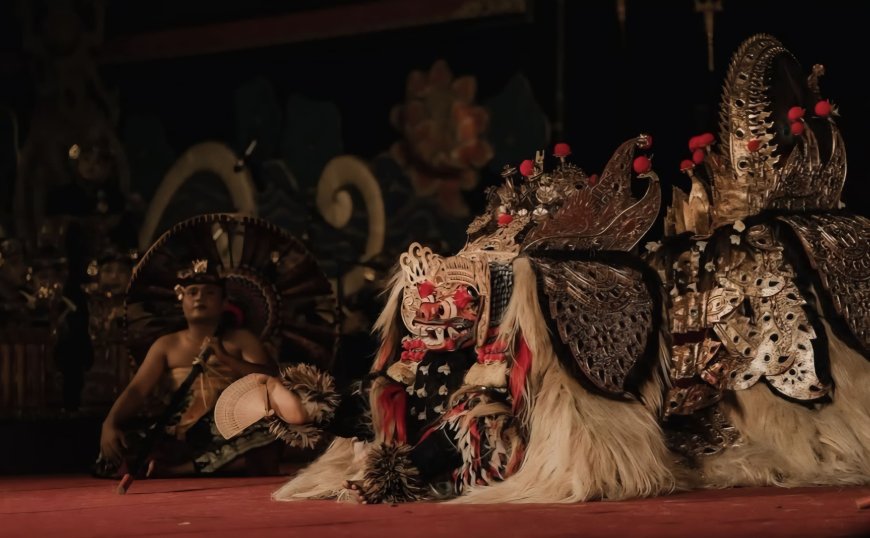
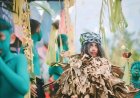
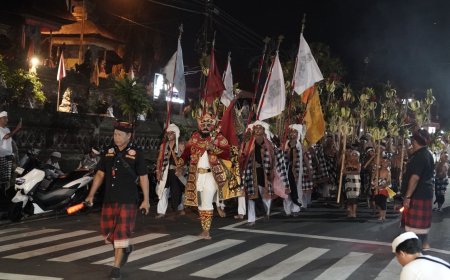
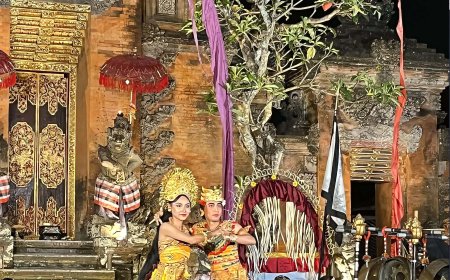
Barong Ket Dance Performance at the Bali Arts Festival (Photo Source: Personal Collection)
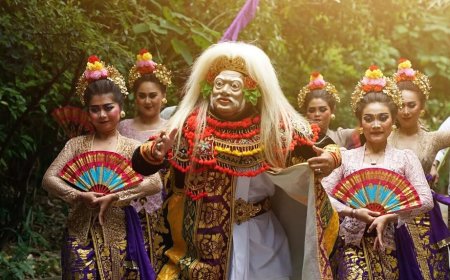
At the 2025 Bali Arts Festival, Sanggar Kayanan participated in the Barong Ket Dance competition as one of its featured works. In this prestigious provincial event, the performance of Sanggar Kayanan successfully won First Place, marking an important achievement for both the studio and Klungkung Regency. This success was inseparable from a long and wells tructured training process, starting from mastery of character movements, expression, dancers’ cohesiveness, to harmony with the gamelan accompaniment.
In addition to demonstrating strong technical ability, the performance also highlighted high aesthetic value and cultural significance in accordance with Balinese traditions. This achievement proves that Sanggar Kayanan not only serves as a center for artistic training, but is also capable of producing high-quality works that are recognized at both regional and provincial arts events.
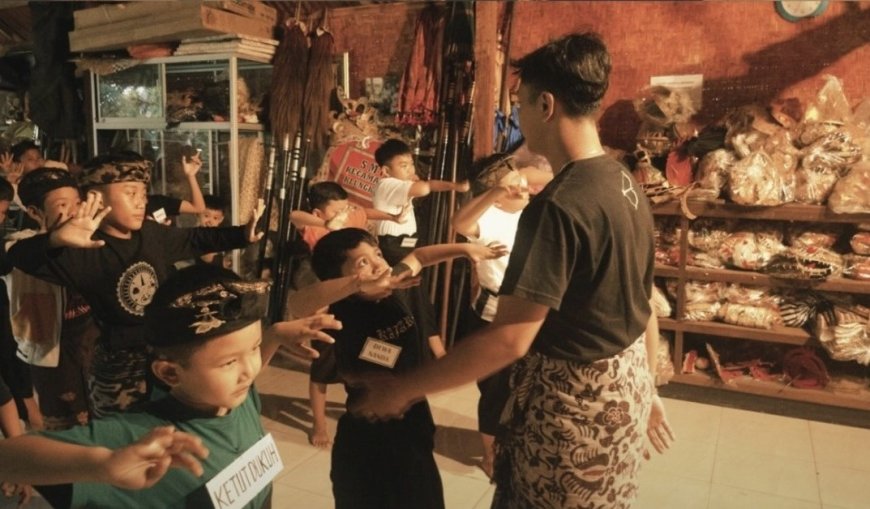
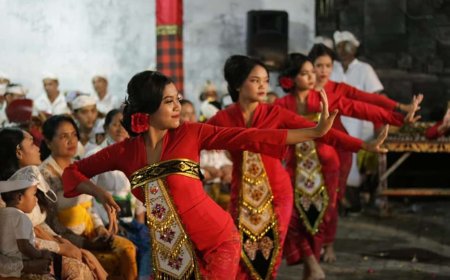
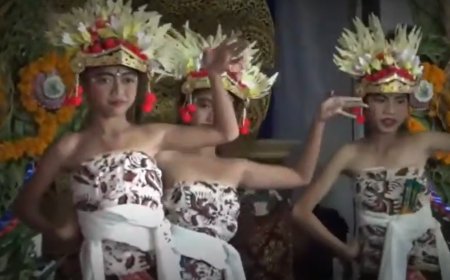
Basic Dance Movement Training (Photo Source: Personal Collection)
Sanggar Kayanan plays a very important role in the development of the younger generation in the field of Balinese arts and culture. Children and adolescents are guided from an early age to become familiar with and practice the basic movements of dance, expressive techniques, body posture, as well as an understanding of gamelan accompaniment. The learning process is carried out in a structured and continuous manner under the guidance of experienced instructors, so that participants are not only able to dance, but also understand the meanings and cultural values contained in every movement.
Through regular training activities, Sanggar Kayanan instills discipline, a sense of responsibility, teamwork, and self-confidence in its members. In addition to serving as a place for learning the arts, the studio also functions as a space for character building and the formation of cultural identity for the younger generation. Thus, Sanggar Kayanan not only preserves Balinese traditional arts, but also prepares successors who are capable of safeguarding and developing this cultural heritage in the future.