







Sanggar Nrithya Graha Siwanataraja: Building Balinese Dance through the Rinarasila Concept
Sanggar Nrithya Graha Siwanataraja is a dance studio in Sukawati Village that develops Balinese dance through the Rinarasila concept. Through structured learning, ngayah activities, and participation in various festivals, this studio becomes a space for younger generations to preserve tradition in the modern era.

Background
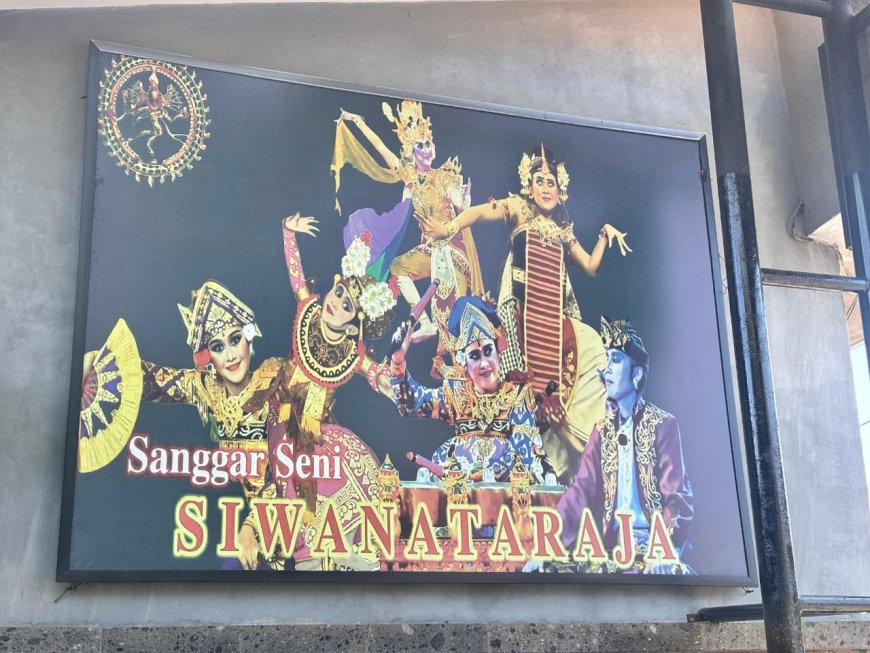
Sanggar Nrithya Graha Siwanataraja is one of the centers for the development of dance arts that grew from a family of artists in Sukawati Village, Gianyar. The studio was founded by Dr. Kadek Suartaya, S.S., K.R.I., M.Si., a lecturer in karawitan at the Indonesian Institute of the Arts (ISI) Denpasar, together with his family, all of whom are engaged in the arts. The four family members play important roles in managing the studio, with the father as a karawitan lecturer, the mother as a cultural arts teacher, the older sibling as a puppeteer, and the youngest child, Ni Luh Made Laraswati, as the main driving force in the field of dance.
Although the name Sanggar Seni Nrithya Graha Siwanataraja has been officially used since 2022, regular training activities have been conducted since 2018. To date, the studio has been running for seven years and has more than two hundred active students enrolled in both regular and private classes. The name of the studio carries a profound meaning. Nrithya means dance art in Sanskrit, Graha means house or place, while Siwanataraja represents Lord Shiva as the king of the arts. This meaning reflects the hope that the studio will become a home for the younger generation to nurture talent, discipline, and love for Balinese dance.
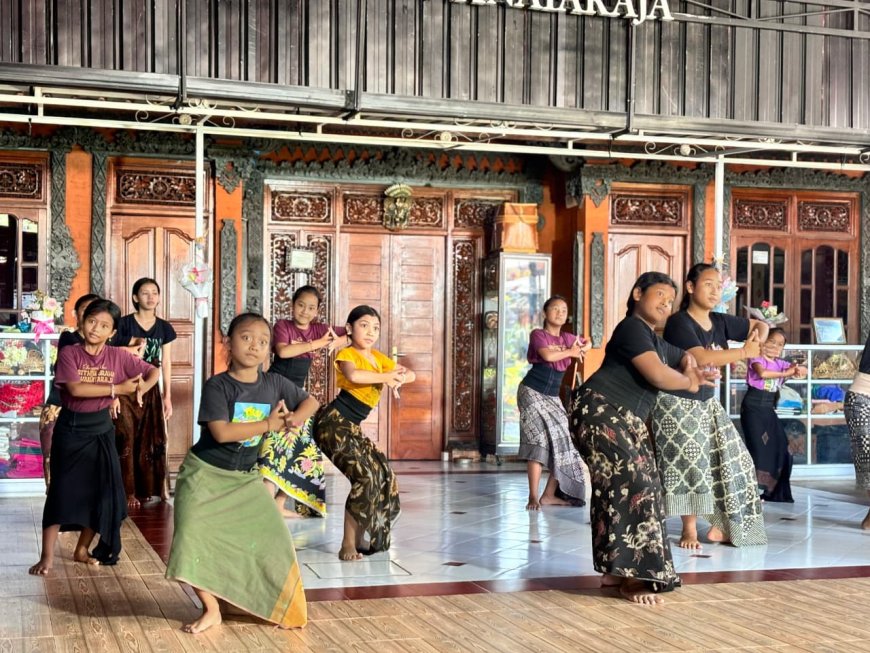
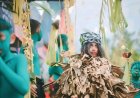
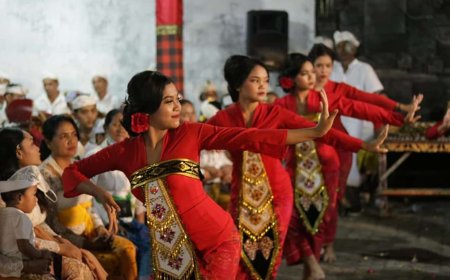
Routine Training Activities at Sanggar Nrithya Graha Siwanataraja (Source: Personal Collection)
Distinctive Features and Innovation
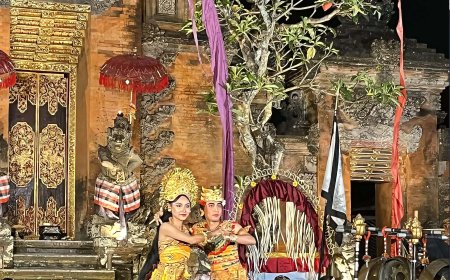
The main distinctive feature of Sanggar Nrithya Graha Siwanataraja lies in its performance concept called Rinarasila, an acronym for dance, narration, and song. This form of performance is a combination of dance, narrative, and song arranged contextually according to the performance location. For example, when performing in Yogyakarta, the studio presents the story of Roro Jonggrang to align more closely with the local culture. This innovation distinguishes Sanggar Nrithya Graha Siwanataraja from many other studios because it presents a form of performing art that is not only visually beautiful but also communicative and easily understood by audiences from various backgrounds.
The Rinarasila concept demonstrates how traditional Balinese art can continue to thrive without losing its identity. Every element of the performance, from dance movements and gamelan accompaniment to vocal narration, is carefully composed with deep meaning. In addition to Rinarasila, the studio is also known for its structured teaching system. Learning is divided into two types, namely regular classes that practice twice a week and private classes with flexible schedules. In regular classes, the learning process lasts for one year, covering stages from introducing movements, deepening emotional expression, to refining movements. Each year, students take a level promotion examination held in conjunction with the anniversary celebration of the studio. This event serves as both an evaluation forum and a space for appreciation for the dancers.
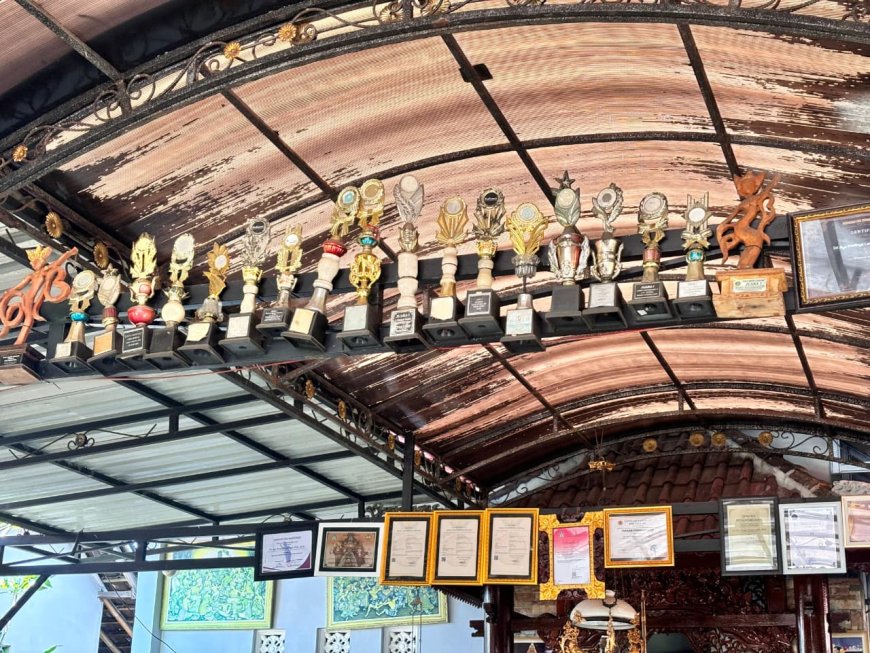
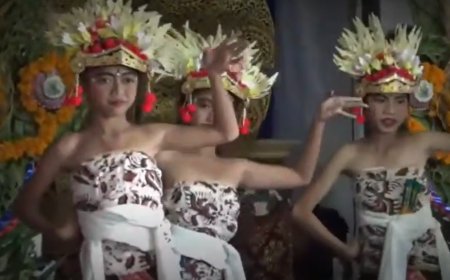
Achievements and Awards Received by Sanggar Nrithya Graha Siwanataraja (Source: Personal Collection)
Role and Contribution of the Studio
As one of the larger dance studios in the Sukawati area, Sanggar Nrithya Graha Siwanataraja plays an important role in maintaining the continuity of traditional arts amid the challenges of modernization. Through ngayah activities in banjar and temples, students not only learn dance techniques but also understand spiritual values, ethics, and togetherness within Balinese culture. This is what makes the studio not merely a place to learn artistic skills, but also a space for character building and fostering respect for cultural heritage.
The studio actively participates in various art events and festivals, both at regional and national levels. Among its most notable achievements is winning First Place at the National Panji Festival organized by the Ministry of Education and Culture. In addition, the studio frequently performs at the Bali Arts Festival, the Panji Festival in Malang, and international-scale events such as the G20 Conference in Bali.
The studio’s activities are not limited to classical Balinese dance but also extend to other art forms such as gamelan music, puppetry, and traditional vocal arts. The teaching of kidung and kekawin is an important part of introducing Balinese literature and the aesthetic values of the Balinese language to the younger generation. Furthermore, the studio also provides costume rental and dance makeup services that are independently managed.
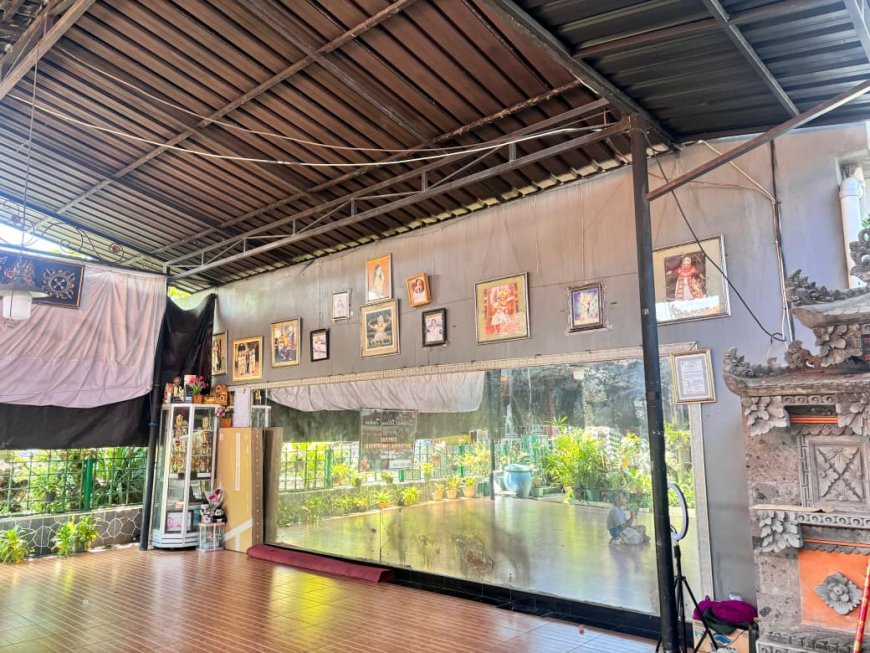
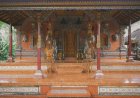
Training Venue of Sanggar Nrithya Graha Siwanataraja (Source: Personal Collection)
Challenges
Over its seven years of existence, Sanggar Nrithya Graha Siwanataraja has faced various challenges, particularly during the COVID-19 pandemic. Training activities were completely suspended, and many performance schedules were canceled. However, the spirit of artistic expression did not fade. The instructors adapted by organizing online classes and sharing training and performance videos through social media. As a result, the studio became even more widely known and succeeded in attracting new students, including those from outside Bali.
Ni Luh Made Laraswati, as a young instructor and the next generation of this family of artists, emphasizes the importance of maintaining the quality of education and building the studio’s identity. She realizes that dance art today must be able to adapt without losing its traditional values. The younger generation of Bali is expected to continue loving classical dance while remaining open to developments in modern art. For her, learning dance is not only about mastering movements, but also about understanding the meaning behind every gesture.
With the spirit of a family of artists, the innovation of Rinarasila, and a commitment to arts education, Sanggar Nrithya Graha Siwanataraja has proven that tradition does not stop in the past. It continues to move forward, adapt to the times, and become a source of inspiration for future generations to preserve Balinese arts and culture so that they remain alive and vibrant within modern society.