


Summary Kruna Satma: The Art of Uniting Differences in Balinese
Behind the structure of the Balinese language, Kruna Satma stands as proof that language is not merely the arrangement of words, but a vessel that carries ways of thinking and cultural identity. Through the merging of words that form new meanings, such as in pepadan, tan pepadan, and kruna tawah, we can see how Balinese society shapes life experiences into language. Understanding and preserving Kruna Satma means safeguarding ancestral heritage so it remains alive and relevant throughout changing times.

Language is not merely a sequence of sounds to convey a message, but rather a mirror that reflects perspective, feeling, and cultural wisdom. The Balinese language holds a uniqueness of its own, namely when two words that originally stood alone unite and create a new meaning that is complete and solid. This phenomenon of unifying meaning is known as Kruna Satma. Like a strong bond, Kruna Satma brings together two different elements to create a new identity that can no longer be separated.
Simply put, Kruna Satma can be interpreted as compound words in the Balinese Language. This form is born from a combination of two words or more which then produces a single meaning. The distinctiveness of this combination lies in its absolute nature; If one of the words is separated or its position is changed, then the meaning contained within it will be lost or change completely.
This is certainly different from ordinary sentences or phrases whose meanings can still be traced one by one. In Kruna Satma, such unification creates a concept that is richer and deeper than a mere combination of two ordinary words.
In Balinese grammar, Kruna Satma is divided into several types based on the nature of the relationship between the words. This grouping proves how meticulous the Balinese ancestors were in interpreting relationships in the universe, ranging from equal relationships, mutually explanatory relationships, to relationships involving feeling and senses.
Kruna Satma Pepadan
The first and most fundamental group is called Kruna Satma Pepadan. The term "pepadan" means equal or parallel meaning. It means, the words that build this form have an equally strong position. There is no higher word and no lower one, both stand equally high to form a shared meaning. Within this frame of equality, there are two unique types of relationships.
The First Type is Kruna Satma Pepadan Matungkalik. This is a form of combining two words that have opposite or contradictory meanings. However, precisely because of that difference, a complete unity is formed.
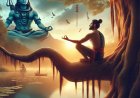
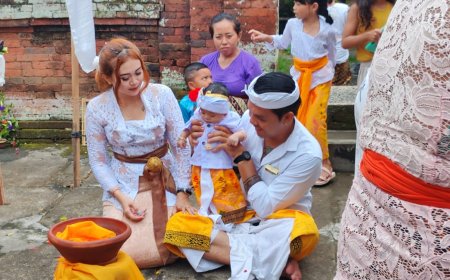
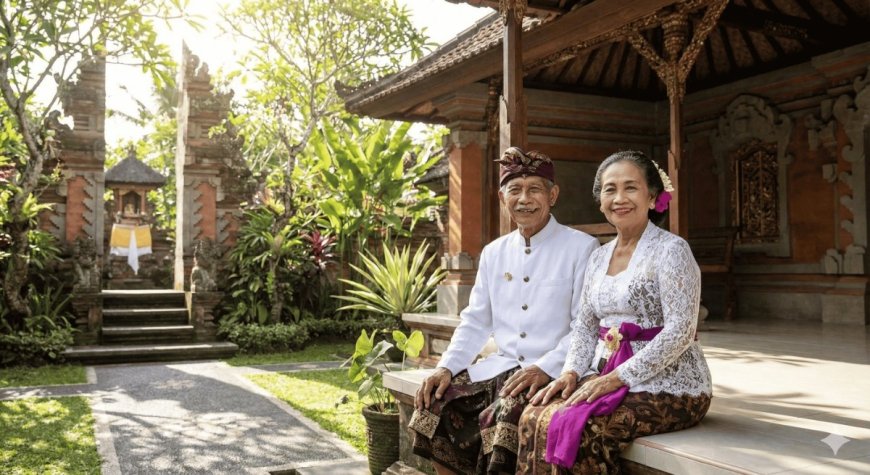 Monther Father (Source: Ai Illustration)
The closest example to life is meme bapa (mother father). This word is not merely a mention of mother and father separately, but rather unites into the concept of "parents" as the pillar of the family. Likewise with peteng lemah (night day). This combination of "night" and "day" exists not to choose one of the times, but to describe the duration of "a whole day".
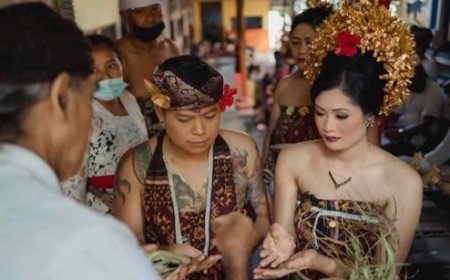
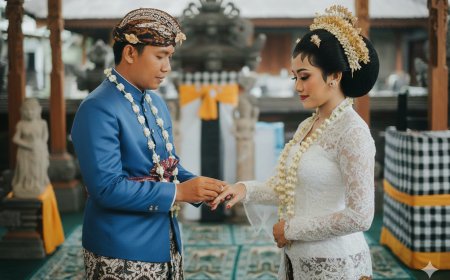
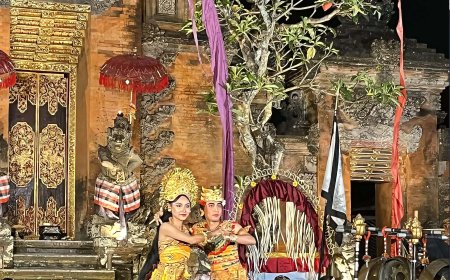
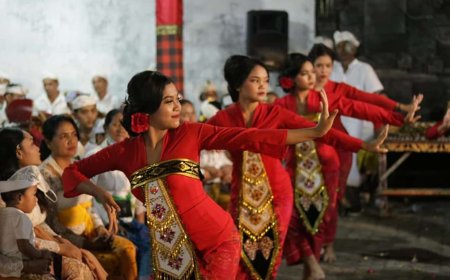
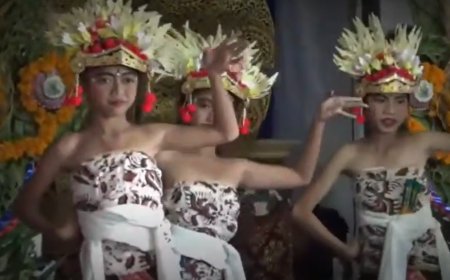
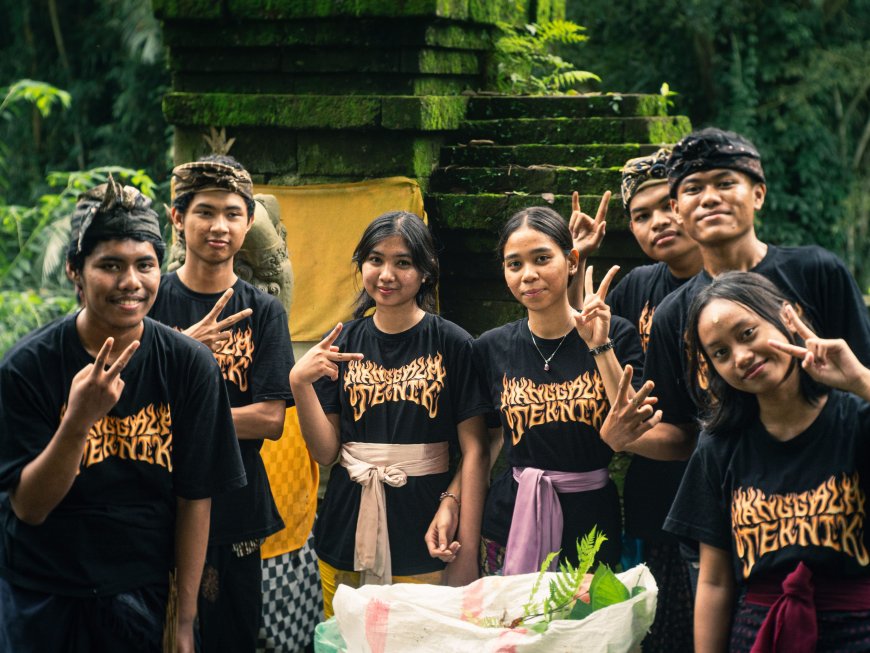 Young Men and Women (Source: Private Collection)
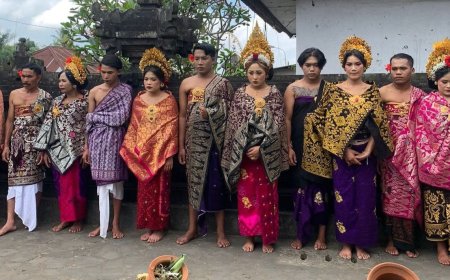
Other examples are seen in the expression tegeh endep (high low) which describes a contour or structure that is uneven, and daa teruna (young people) which refers to the youth. Furthermore, the expression tua bajang (old young) is united to depict the togetherness of all layers of citizens without regarding age. This language phenomenon aligns with the philosophy of balance, where two different things in this world actually exist to complement each other.
The second type within equality is Kruna Satma Pepadan Ngerasang Arti. Different from the previous type, this form unites two words that have similar or nearly the same meanings. Its purpose is to mutually strengthen and emphasize the meaning.
The expression mas manik (gold jewel) is juxtaposed to symbolize "wealth" or everything that is of high value. The color kuning gading exists to define a yellow color that is grand and elegant. Words like berag tegreg (thin dry) or putih sentak (bright white) are also used to provide an emphasis on physical condition that is more specific and profound than just using one word alone. Even selem denges in this context is used to emphasize a dark nuance that is very dense.
Kruna Satma Tan Pepadan
Moving on from the concept of equality, the second type is Kruna Satma Tan Pepadan, or unequal compound words. In this category, the relationship between the two forming words is not parallel. One of the words functions as the main element being explained, while the other word functions as a description that explains the specific nature of that main element.
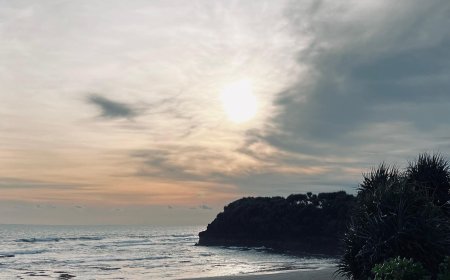
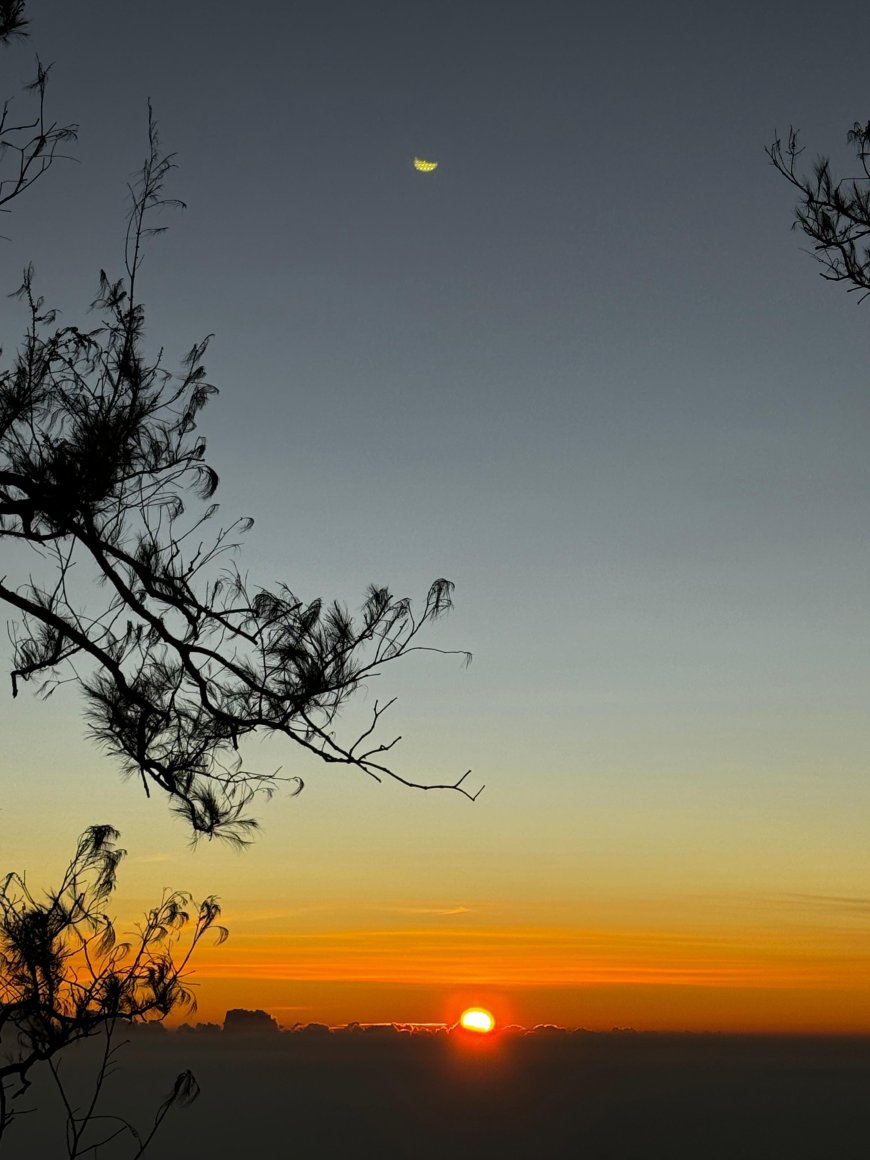 Sunrise (Source : Private Collection)
This type is further divided based on its writing method. There are those that are kasurat atep or written combined, indicating a blend that is already very unified and often forms a new term that is fixed. An example is matanai. This word is formed from "mata" and "ai" (ray/day), birthing the meaning "The Sun" or sun. Likewise with jebogarum (nutmeg) and suargaloka (heavenly realm).
On the other hand, there are forms that are kasurat palas or written separately. This form is often found in the naming of natural objects or produce. An easily found example is biu susu. The word "biu" (banana) is the core, whereas "susu" is the explainer of its type. Without the word "susu", "biu" can mean any type of banana.
Kruna Satma with Kruna Tawah
The last type of kruna satma is Kruna Satma sane ngangge Kruna Tawah. This form combines an adjective with a unique word (kruna tawah) that has no meaning if it stands alone. The function of this unique word is as an "intensifier" or giver of the highest intensity to that quality.
For example, to describe a black color that is very pitch dark and shiny, the term selem ngotngot is used. The word ngotngot exists specifically to perfect the darkness of selem (black).
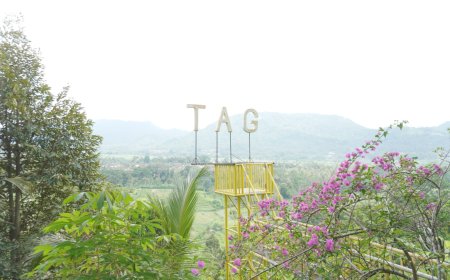
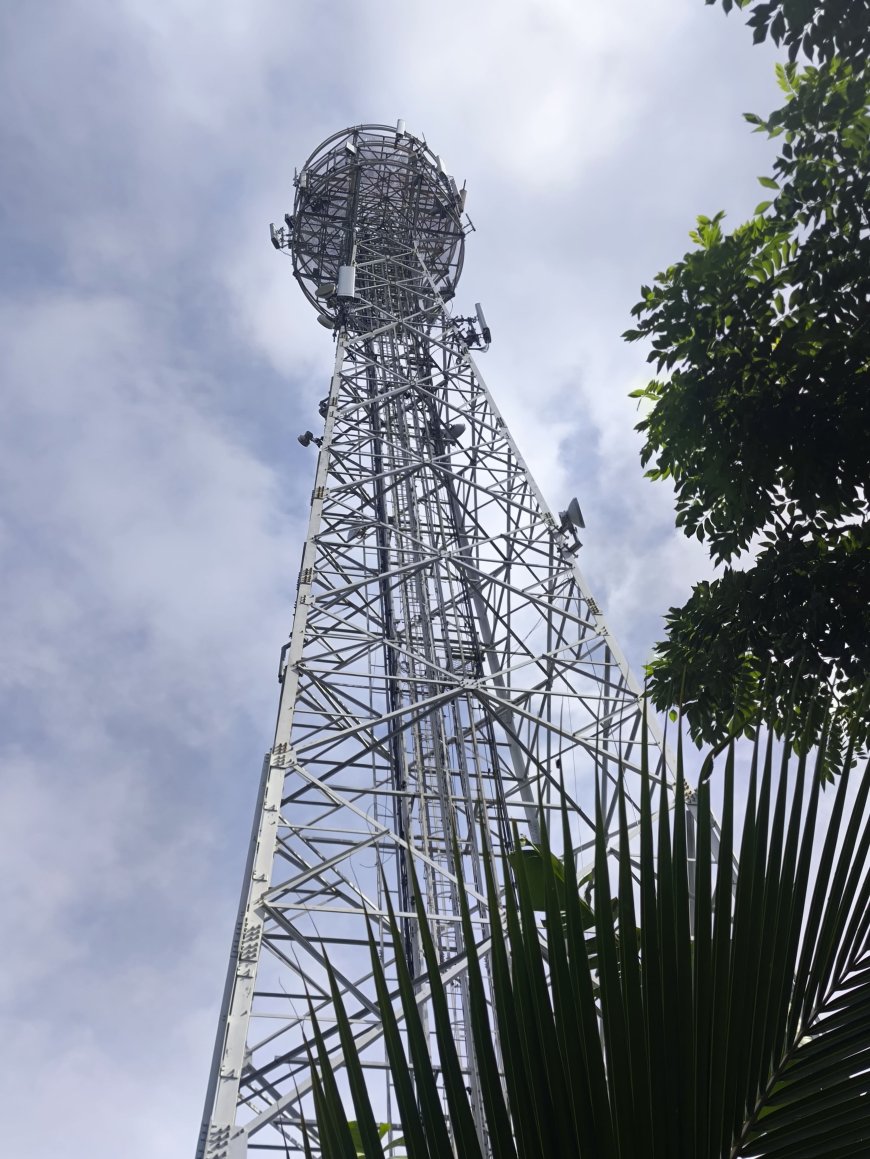 Tall BTS Tower (Source: Private Collection)
If someone's skin becomes very dark because of being sunburnt, the term badeng ngiet is used. Extreme height is described with tegeh ngalik. Meanwhile, a white color that is very bright, clean, and dazzling to the eyes is depicted with putih ngemplak. The existence of this type makes the Balinese language very rich in nuance, changing flat descriptions into ones full of color and emotion.
Understanding Kruna Satma is actually a journey of understanding the mindset of the Balinese people. Kruna Satma is not merely a rigid grammar rule in textbooks, but rather a breath that lives in conversations in the market, prayers in the pura, to casual chats in the bale banjar.
Preserving the understanding of this kruna satma means the same as guarding the richness of feeling and logic of thinking that has been inherited by the ancestors. Amidst the current of language modernization, Kruna Satma stands tall, reminding that from two simple words, one meaning that is profound and full of significance can be born.