


















Ketut Garing: A Portrait of the Humor in Balinese Society
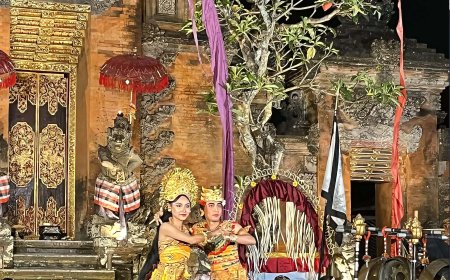
Ketut Garing is a character in gending rare, a traditional Balinese children's song that is simple yet rich in meaning. From this song, it is implied that humor can be a way to instill education and life philosophies that are relevant across generations.

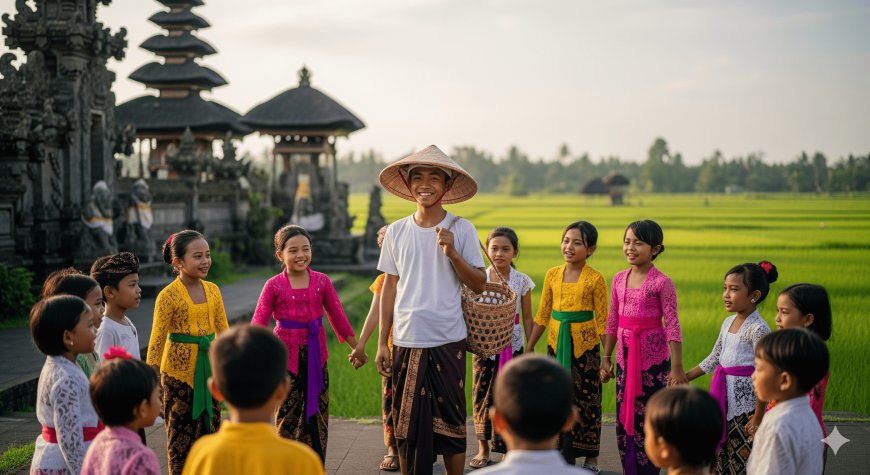
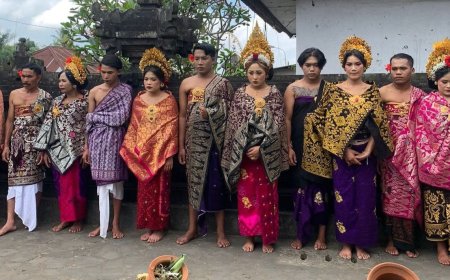
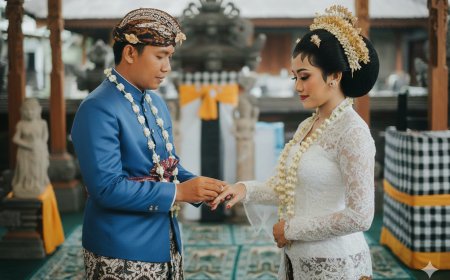
Ketut Garing is a character in gending rare, a traditional Balinese children's song that is still familiar to the ears of the community today. At first glance, the name sounds simple, even somewhat funny and fragile. In the Balinese naming tradition, "Ketut" is given to the fourth child, symbolically representing the youngest, least experienced, and often considered weak. Meanwhile, the word "Garing" means dry or brittle. The combination of these words depicts someone who seems foolish and powerless. However, behind this impression, there lies a deep meaning: that someone who appears weak can still be a life teacher, imparting noble values in their own way. Through humor and simplicity, the figure of Ketut Garing becomes a medium for conveying the wisdom of Balinese culture, which remains relevant across time.
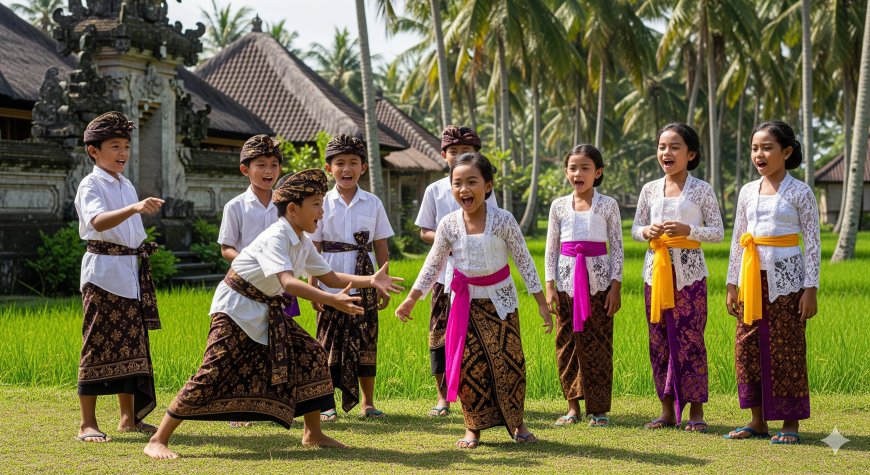
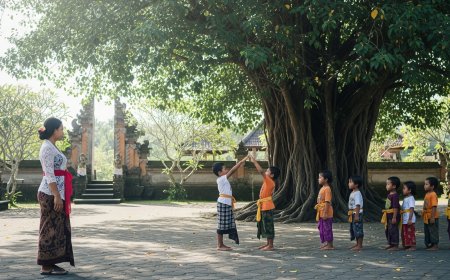
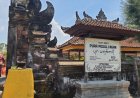
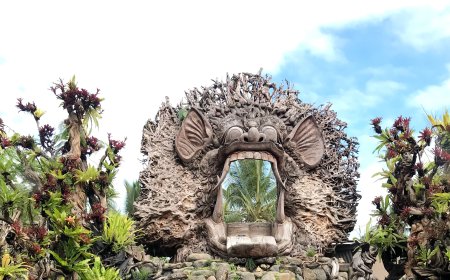
Children in Bali singing and playing, AI Illustration (Source: Personal Collection)
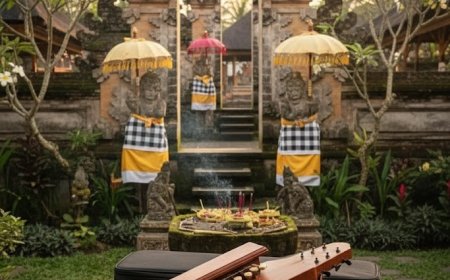
The gending rare of Ketut Garing became popular because it was performed with a modern twist by the Bali music group Emoni. However, this song is not a new creation. According to community accounts, Ketut Garing has existed since the colonial period and has been passed down through generations as a children's song in the Adat Kastala Village, Bebandem Village, Karangasem Regency, Bali. At that time, when children's entertainment was still very limited, this gending became one of the songs passed down orally. This proves that Ketut Garing is not a modern song, but rather part of the long-standing tradition of gending rare that holds educational messages and local wisdom.
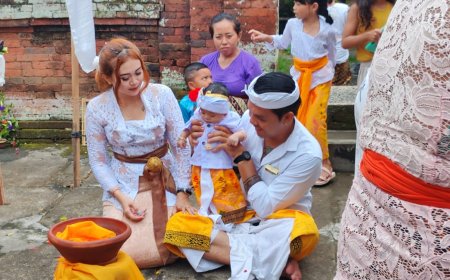
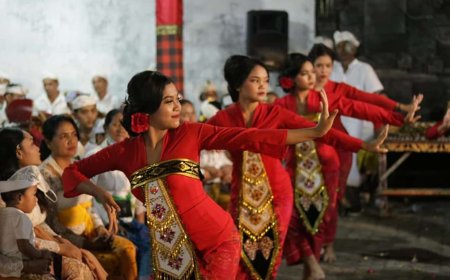
In Balinese culture, gending rare is not just children's entertainment, but an effective medium of traditional education. The lyrics are simple, easy to remember, and filled with advice that touches on various aspects of life. The children who sing it may only be playing or singing, but behind it lies a life guide that will shape their character. Parental hopes for their children, work ethics, and the pursuit of ultimate happiness are often woven into these songs. For this reason, gending rare can be seen as a bridge between the innocent world of children and the responsibility-laden world of adults.

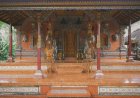
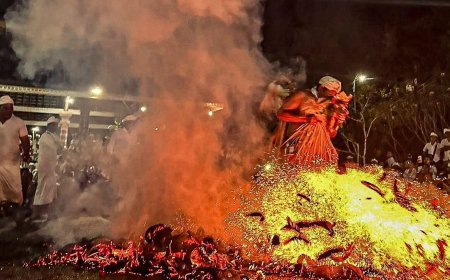
The different regions mentioned in the Ketut Garing song, AI Illustration (Source: Personal Collection)
Ketut garing nyeneng di mengwi
Raras cara kuta semu cara badung
Tindak cara tabanan tayungane cara den bukit
In one of the verses, Ketut Garing is described as traveling to various regions such as Mengwi, Kuta, Badung, Tabanan, and Denbukit. At first, it sounds funny, but there’s a hidden message: wherever this character goes, they can adapt to the people around them. This concept aligns with Tri Samaya—Atita (past), Wartamana (present), and Nagata (future)—which emphasizes the importance of appreciating the past, being rooted in the wisdom of the present, and being ready for the future. Living amidst many differences, the Balinese are taught from a young age that adapting does not mean losing one’s identity; it is a way to remain accepted without forgetting one’s origins.

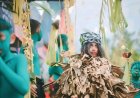
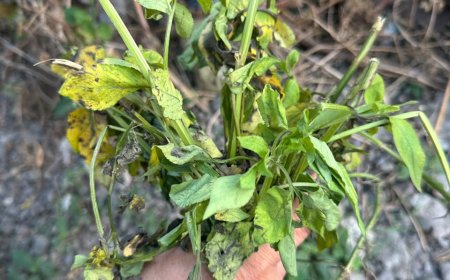
A fisherman selling his catch, AI Illustration (Source: Personal Collection)
Cara den bukit, nganutin den bukit
Boya tiang boya tiang wong kadungu
Tiang juru pencar diarep tiange dungki
Dungki cenik misi be kepiting
Adepa di klating banga pipis satak
Bange pipis satus nanggu satus tigang benang
At one point, Ketut Garing is depicted as a simple fisherman carrying a dungki (small basket) filled with fish and crabs. This image feels familiar because fishermen represent the hardworking people of Bali in the past. One playful lyric reads, "Bange pipis satus nanggu satus tigang benang," which refers to a situation where two hundred rupiah suddenly turns into just one hundred seventy-five. It sounds funny, but the hidden lesson here is to never spend everything you have. The children who sing this may laugh, but without realizing it, they are learning the importance of hard work, appreciating the fruits of their labor, and saving for the future. Ketut Garing is not just a character in a children's song; he is a portrait of the humor of Balinese life. From this simple figure, valuable lessons about adaptation, hard work, and simplicity values that remain relevant across generations are imparted.
References:
Herawan, K. D. (2023). Tahapan Belajar Orang Bali dalam Gending Rare Ketut Garing. Dharma Sastra, 20-31.