

















Carving as a Way of Life: The Work of I Ketut Bangkit Preserving Balinese Wood Carving Based on Hindu Philosophy
Balinese wood carving did not emerge instantly, but grew from a long process rooted in tradition, spiritual values, and perseverance. In Sukawati, Gianyar, this art is preserved through the hands of artisans who consider carving to be part of their life's journey. I Ketut Bangkit has been practicing wood carving since a very young age and continues to pursue this profession with a deep awareness of its cultural value.

The Beginning of a Journey Forged Early On
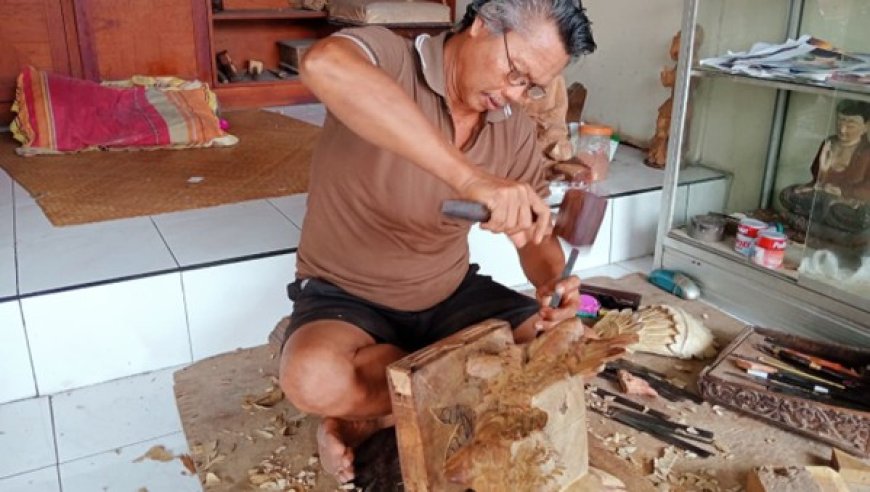
Each piece produced not only displays visual beauty, but also embodies the Hindu philosophy that forms the basis of its creation. Through a consistent and thoughtful process, carving becomes a medium for preserving Balinese traditions. The carving process, carried out in a simple workspace, reflects a long journey that began before school age. Since 1974, carving skills have been learned directly through family guidance, especially from an older brother who is also a sculptor. The learning process took place naturally, without pressure, and grew out of a strong interest in carving. The activity of carving is carried out with joy and awareness, so that the work is not felt as a burden. The perseverance that has been formed since an early age builds a deep relationship between the craftsman and the wood material. It is from this workspace that the values of patience and consistency continue to be maintained.
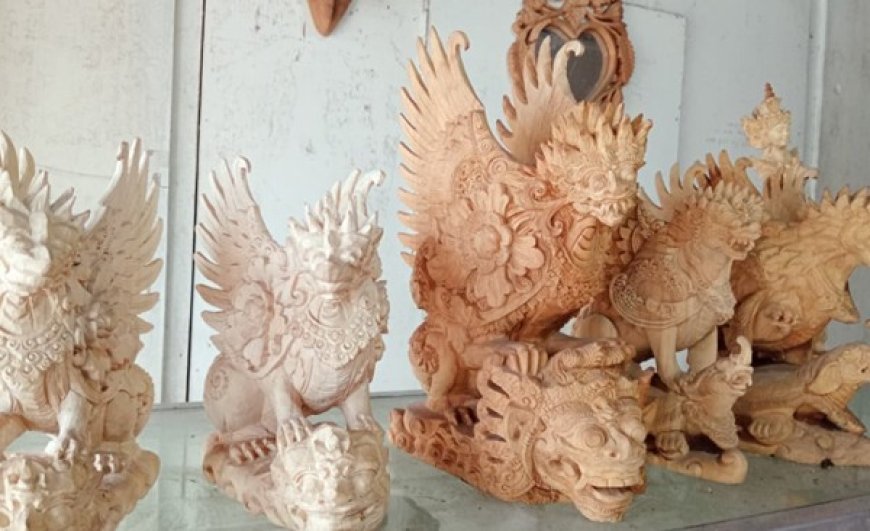
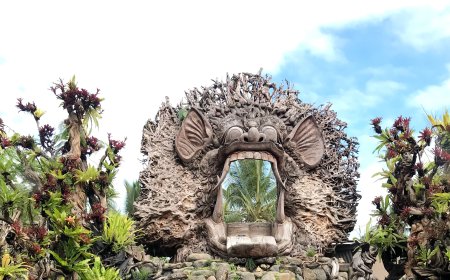
Flying Lion Statue (Source: Personal Collection)
The Flying Lion Statue as an Artistic Identity
The Flying Lion Sculpture is one of the signature works that represents the distinctive characteristics of I Ketut Bangkit's carving art. The lion shape with wing elements is carved in a strong Balinese style, presenting a dynamic, sturdy, and energetic impression. The inspiration for this sculpture comes from the symbolic value in Hindu beliefs, which interpret the lion as a symbol of strength, courage, and guardian of balance. The carving process requires great precision, especially on the wings and small carved details that require deep technical expertise. The initial stages of design are the most difficult because they determine the overall character of the sculpture. This work demonstrates a combination of technical skill, imagination, and a mature understanding of philosophy, while reflecting the consistency of the Balinese carving style that has been preserved for generations.
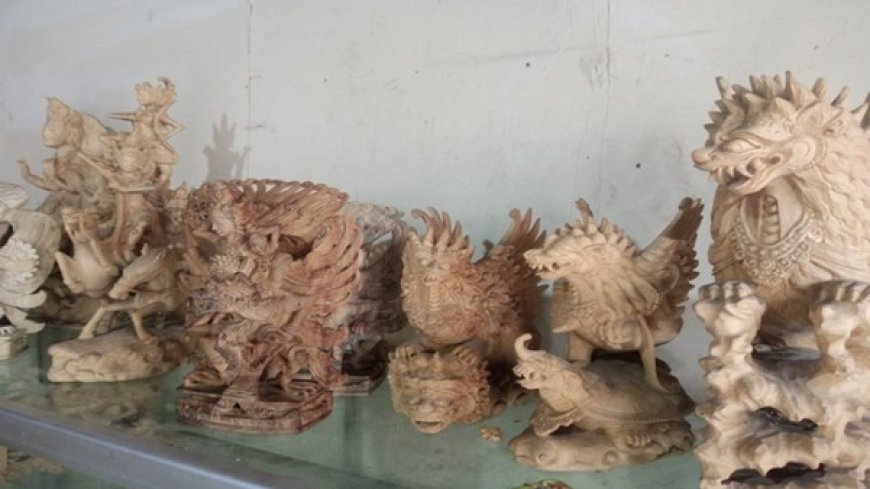
Garuda Wisnu Kencana Statue (Source: Personal Collection)
Garuda Wisnu as a Representation of Spirituality and Steadfast Values
The Garuda Wisnu Kencana statue is a manifestation of a sacred figure in Hinduism that is often featured in Balinese carvings. Garuda is depicted as the vehicle of the god Vishnu, symbolizing loyalty, devotion, and spiritual strength. The inspiration for this statue is rooted in religious stories and noble values passed down through Hindu tradition. The carving process was carried out with careful attention to the proportions of the body, expressions, and details of Balinese ornamentation.
The process of creating this sculpture requires careful design planning so that the proportions, expressions, and visual movements can blend harmoniously. The carved details on the wings, clothing, and ornaments require a high level of precision. The selection of wood with the right characteristics is also an important factor in ensuring that the carving has visual impact and durability. Through this sculpture, Balinese wood carving is presented not only as an aesthetic work, but also as a medium for conveying spiritual values and beliefs.
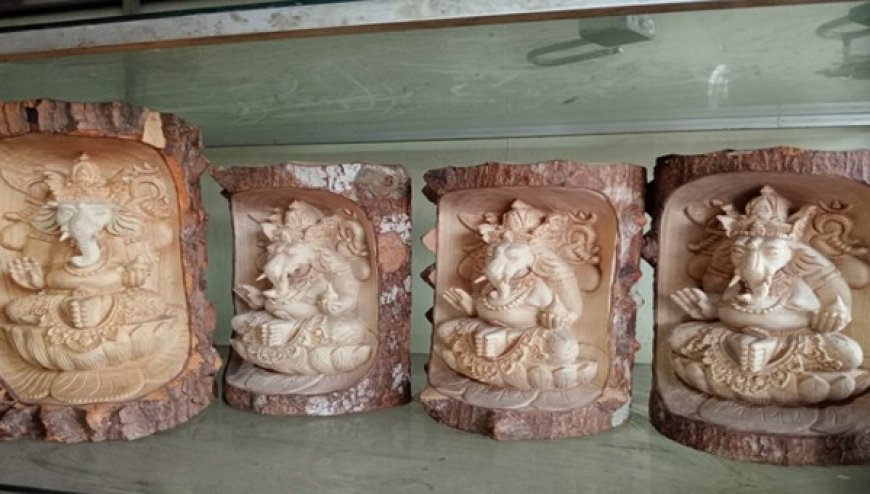
Ganesha Wayang Sculpture (Source: Personal Collection)
Balinese-style Ganesha Wayang Sculpture
The Ganesha puppet statue is another representation of the rich themes raised in I Ketut Bangkit's work. The figure of Ganesha is known as a symbol of wisdom, knowledge, and obstacle removal in Hinduism. The sculpture is made in Balinese style with an emphasis on expression, ornamentation, and fine details. The process of working on small details, especially on the face and attributes, was a technical challenge in itself. The characteristics of the wood used greatly affected the final result, so the wood was selected based on its dryness and texture. Through this sculpture, the art of wood carving not only presents the form of a puppet character, but also preserves the philosophical values inherent in Balinese culture.