
















Tigawasa Village: Utilizing Natural Resources as a Driver of the Local Economy
Tigawasa Village, a hidden gem in the interior of Bali, has tremendous potential in utilizing its natural wealth as a driver of the local economy. The village is not only famous for its natural beauty, but also for the creativity of its people in producing unique woven bamboo crafts and utilizing coffee as a quality herbal drink. This is the story of how Tigawasa Village has turned its natural wealth into a sustainable source of income.

Tigawasa Village has a history of using bamboo as raw material for woven crafts. The local craftsmen have inherited this skill from generation to generation, hence the local wisdom. Creating woven bamboo products that are not only aesthetically beautiful, but also have practicality and strength values. Various woven bamboo products are produced in Tigawasa Village. Especially in one of the UMKM in the village, WE Sokasi Bali. WE Sokasi produces several products ranging from baskets, bakor, to prayer furniture. The craftsmen at WE Sokasi have been working for approximately 10 years and will continue to work as craftsmen as a legacy of their ancestors. The unique designs and high quality of all the craftsmen in Tigawasa Village make these products in demand by the local market and beyond. Along with the development of technology, the craftsmen in Tigawasa Village also combine tradition with modern designs to meet the diverse tastes of consumers. The products that will be ordered by customers can be according to their requests. There are consumers who ask to make names, striking colors and different sizes. Ordering can be done through online media for example through IG owned by WE Sokasi Bali. Not only through online media, marketing is also done offline which is quite widespread from within the region to outside the region. For example, product delivery to several areas outside Buleleng Regency.
The development of woven bamboo handicrafts not only impacts the village's economy but also promotes environmental sustainability and further introduces the village's strengths. Bamboo, as a rapidly renewable natural resource, helps to preserve the environment while creating jobs for the local community. The use of bamboo as a raw material for weaving also helps in mitigating negative impacts on the environment. Bamboo has a lower carbon footprint compared to synthetic or metal materials, making bamboo woven products an eco-friendly option and the bamboo used is privately owned from the village's own garden.

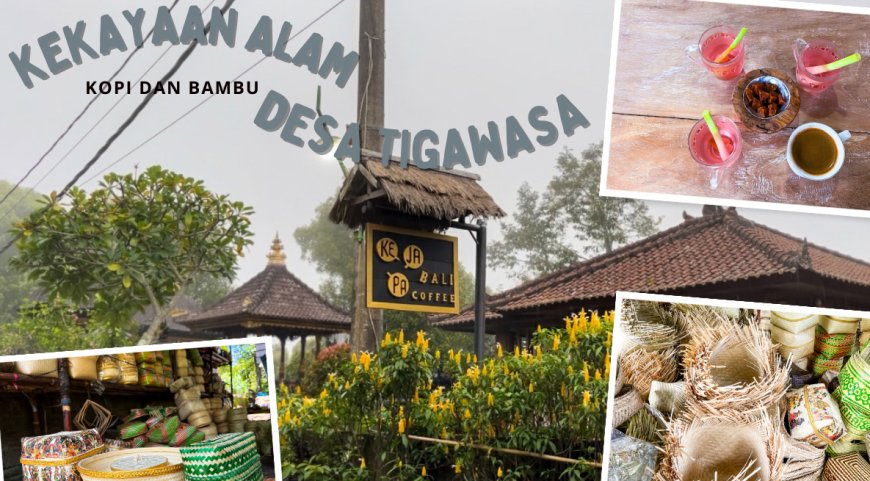
Bamboo Wicker Crafts (Photo Source: Author's Collection)
In addition to woven bamboo crafts, Tigawasa Village is also famous for its coffee potential with the theme of local agro-tourism as an herbal drink. One place that is famous for serving unique coffee is Kejapa Coffee.The coffee plants used by Kejapa are coffee that thrives in its own plantation, creating coffee with a distinctive taste and high quality. Coffee is also combined with spices that they grow themselves, making coffee a drink that is rich in benefits.
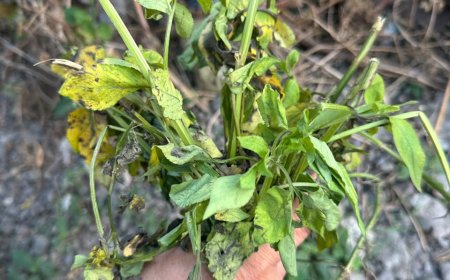
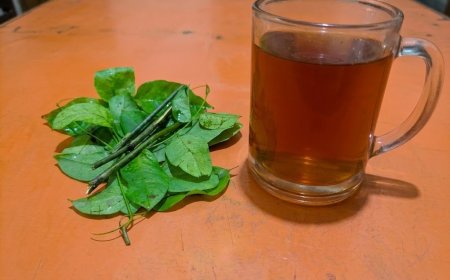
The people of Tigawasa Village process their coffee in the traditional way, utilizing natural drying methods and manual roasting to maintain the authenticity of the coffee flavor. This herbal coffee has not only become a favorite drink among the locals, but has also caught the attention of coffee lovers from outside the village. In addition, they also incorporate local spices to create a healthy herbal coffee blend. Not just coffee, Kejapa also serves one of their drinks, suchang tea, which is made without sugar but using herbs from their own garden. Other spices used in consuming suchang tea are ginger, lemongrass and drunk together with brown sugar.

Suchang Tea and Coffee (Photo Source: Author's Collection)
The utilization of coffee as a herbal drink not only opens up new business opportunities but also supports public health. The herbs used in the coffee blend have various health benefits, which then become an attraction for consumers who care about a healthy lifestyle. The utilization of Tigawasa Village's natural wealth, especially through bamboo weaving crafts and the utilization of coffee as an herbal drink, has a significant positive impact on the local economy. Jobs are created, community income increases, and environmental sustainability is wisely maintained.
The local government together with the Tigawasa Village community can continue to support this development by providing skills training, promoting local products, and developing a wider marketing network. In doing so, Tigawasa Village will not only become an attractive tourism destination but also an inspiring model for other villages looking to optimize their natural potential for sustainable economic development.