






















Ugrasena's Legacy: Ancient Bali in the Knot of Bedahulu's Power
King Sri Ugrasena (915–942 AD) of the Warmadewa Dynasty ruled the Bedahulu Kingdom with a focus on stability and prosperity. Through his inscriptions, he established important policies and built sacred temples. His leadership brought Bali to the peak of its Hindu-Buddhist glory.

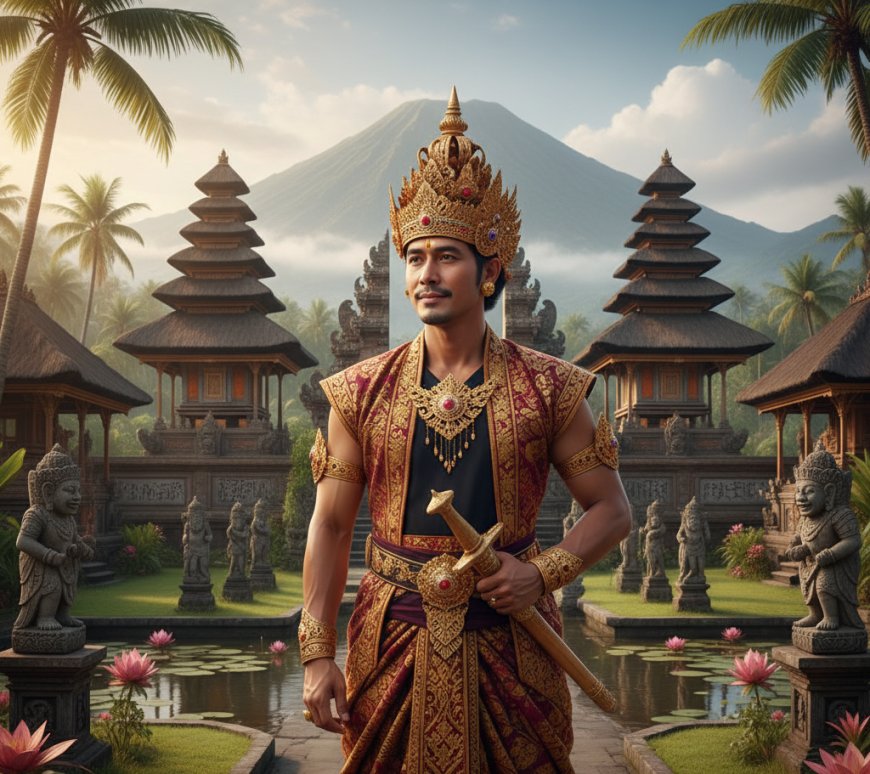
King Sri Ugrasena was one of the most important rulers in the history of ancient Bali during the 10th century AD. He ascended the throne to succeed his father, King Sri Kesari Warmadewa, after the latter passed away in 837 Saka or 915 AD. Ruling for 27 years, from 837 to 864 Saka (915–942 AD), King Ugrasena left behind eleven Old Balinese inscriptions that record social, economic, and religious policies. Some of the key inscriptions issued by him include the Banjar Kayang Inscription, the Les and Pura Bale Agung Inscription, the Babahan I Inscription, the Sembiran AI Inscription, and the Gobleg Pura Batur A Inscription. The contents of these inscriptions reflect King Ugrasena’s deep concern for the welfare of his people, as evidenced by his regulations on taxation, dispute resolution, and support for the community’s spiritual life. These inscriptions stand as authentic evidence that his leadership was oriented toward long-term stability and prosperity for the ancient Balinese kingdom.
King Ugrasena was a ruler from the Warmadewa Dynasty, known for his wisdom, authority, and dedication to preserving the customs and the flourishing Hindu-Buddhist religion in Bali during his reign. Although his name does not always appear with the title “Warmadewa” in some inscriptions, historians widely recognize him as a key figure within the same dynasty as his predecessors and successors, based on the continuity of leadership style and governance policies. His reign reflected a balance between political strength and cultural wisdom, as he served not only as an administrative ruler but also as a moral and spiritual protector of his people.
In governance, King Ugrasena implemented a series of pragmatic policies that demonstrated his concern for public welfare. He granted tax relief to villages affected by natural disasters or enemy attacks, and he upheld a fair legal system to maintain social order. Additionally, he authorized the construction and expansion of temples and sacred sites across Bali, showing his commitment to religious and spiritual development. These policies strengthened the bond between the monarchy, tradition, and faith, fostering a sense of justice, cooperation, and harmony within Balinese society.
Through his wise leadership and his ability to balance political authority with spiritual values, King Ugrasena succeeded in creating a period of stability and prosperity. His support for cultural growth, art, and religious rituals helped establish Bali as a major center of Hindu-Buddhist civilization in the Indonesian archipelago. The legacy of his rule endures in the traditions, values, and social structures of modern Bali, marking him as one of the most influential monarchs in the island’s early cultural history.
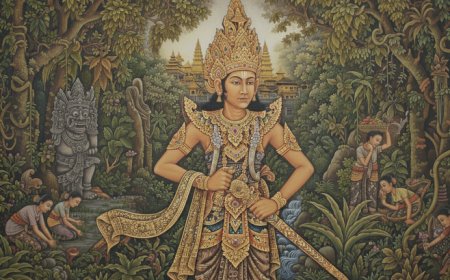
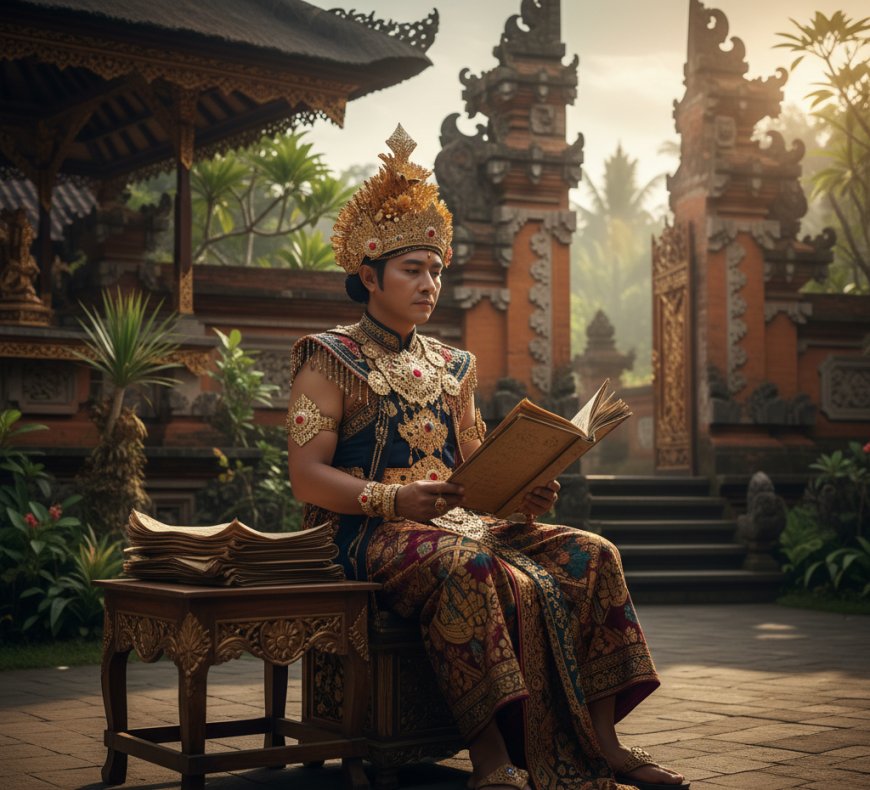 AI Ilustration of King Ugrasena (Source: Personal Collection)
King Ugrasena ruled between 837 and 864 Saka, or approximately 915 to 942 AD, marking the golden age of the Bedahulu Kingdom in Bali. Under his leadership, the kingdom reached its peak as a major political, economic, and cultural center in the eastern part of the archipelago. His reign coincided with that of King Pu Sindok in East Java, a period characterized by political stability and cultural growth across many great kingdoms of the Indonesian archipelago. During this era, Hindu-Buddhist teachings flourished and deeply influenced various aspects of society, including governance, law, art, and religion. The construction of temples, the performance of sacred rituals, and the strengthening of spiritual values reflected the harmonious relationship between humans, nature, and divinity. Therefore, King Ugrasena’s rule played a crucial role in shaping the foundation of Bali’s classical cultural identity, which continues to endure to this day.
The center of King Ugrasena’s government was located in the Bedahulu Kingdom, situated in eastern Bali, in what is now Gianyar Regency. During this period, Bedahulu functioned not only as a seat of power but also as a cultural and trade hub of strategic importance. Its position along a major economic route made it a meeting point for traders, religious figures, and nobles from various regions. These interactions enriched Bali’s social and cultural dynamics and strengthened Bedahulu’s influence among neighboring kingdoms. Evidence of this golden era can be found in numerous historical relics such as inscriptions, ancient temples, and archaeological sites like the Yeh Pulu stone reliefs, which depict scenes of daily life from that time. The well-organized administrative structure, established legal systems, and strong spiritual life indicate that Bedahulu was an advanced kingdom that laid the political and cultural foundations for Bali’s development in subsequent periods.
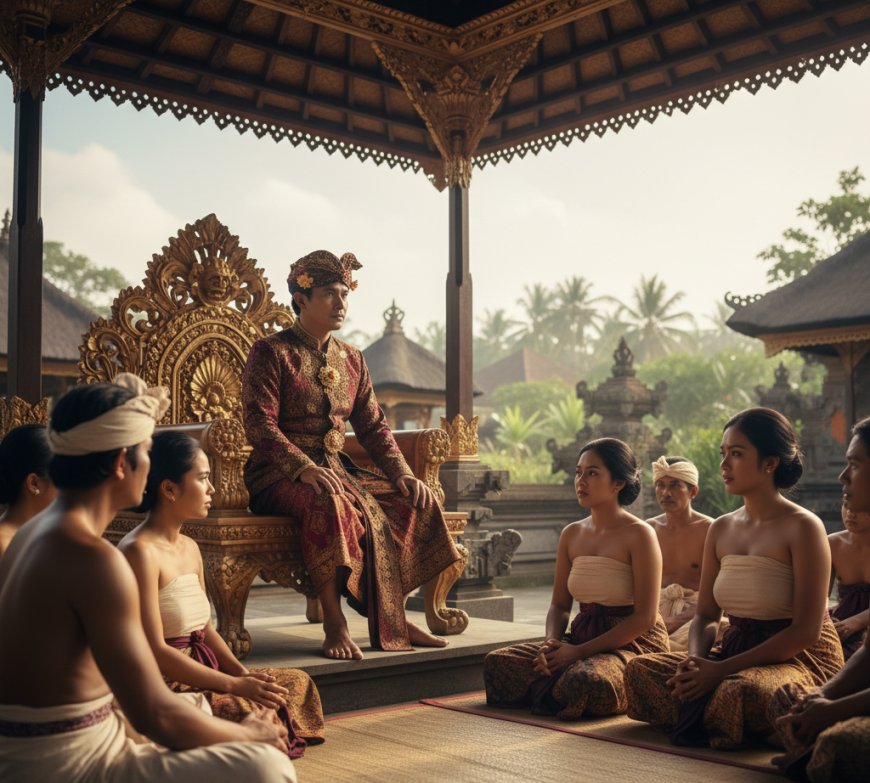
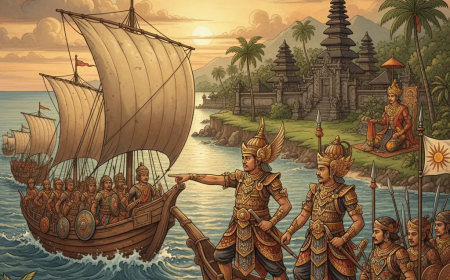
AI Ilustration of King Ugrasena with the People (Source: Personal Collection)
King Ugrasena’s role is considered crucial because, through his policies, the Bedahulu Kingdom achieved both political stability and social-economic prosperity. Amid challenges such as bandit attacks on several villages, he implemented adaptive measures by granting tax relief to affected areas and exempting others from labor obligations. These policies demonstrated his social awareness and strategic political thinking in balancing the people’s needs with the kingdom’s strength. Moreover, clear taxation regulations and the resolution of disputes between tax collectors and citizens highlight his concern for administrative order and social justice. In the religious sphere, King Ugrasena supported the construction and preservation of sacred buildings and traditional rituals, which formed the cultural foundation of Bali. By balancing political, social, and religious aspects, he strengthened the fundamental structures of Balinese society, leaving a legacy that continues to influence the island’s culture today.
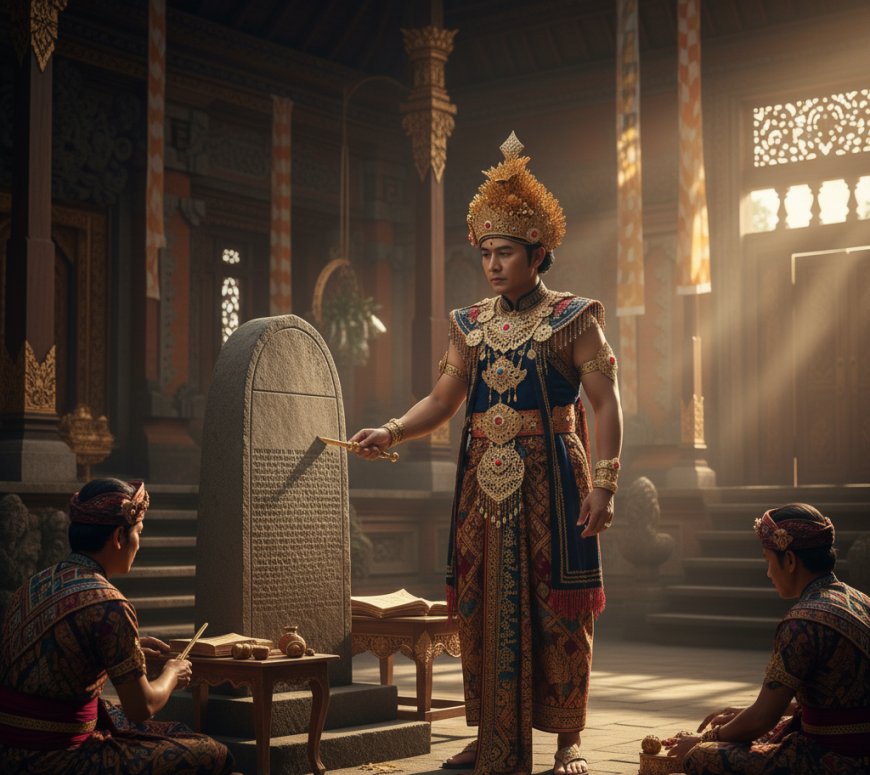
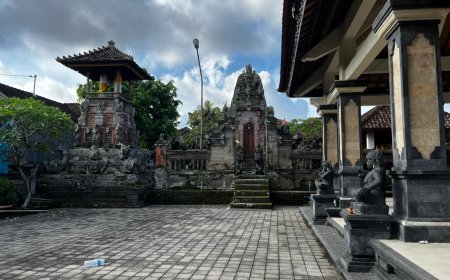
AI Ilustration of King Ugrasena (Source: Personal Collection)
King Ugrasena’s leadership was embodied in the issuance of eleven official inscriptions serving as legal and administrative instruments. These inscriptions regulated taxation, granted coastal communities ownership rights over ships, and set inheritance rules that accounted for gender and family conditions. For example, the Sembiran AI Inscription, issued in 922 AD, outlined the rights of communities affected by bandit raids, established village boundaries, and provided detailed tax regulations. Additionally, King Ugrasena authorized the construction and expansion of sacred sites such as Hyang Api and guesthouses in various villages, while safeguarding religious ceremonies as integral parts of Balinese spiritual life. After his death, King Ugrasena was honored with the construction of a temple at Air Madatu and was posthumously titled Sang Ratu Siddha Dewata Sang Lumah. His successor, King Tabanendra Warmadewa, continued the development of sacred buildings initiated by King Ugrasena, ensuring the continuity of the Warmadewa Dynasty’s legacy in Bali’s ancient history.
References:
Suadnyana, I. B. P. E. Wisata Budaya Desa Sembiran: Menyelami Warisan Tradisi Bali Aga di Bali Utara. 2024. Sekolah Tinggi Agama Hindu Negeri Mpu Kuturan Singaraja.
Cunino, M. A. Nasionalisme, Toleransi, dan Kepemimpinan Pada Buku Teks Pembelajaran Sejarah SMA. 2018. HISTORIA: Jurnal Pendidik dan Peneliti Sejarah, Vol. II, No. 1.
Putra, I. B. A. Seni dan Prinsip Estetika Zaman Bali Kuno. 2021. Institut Seni Indonesia Denpasar.
Universitas Udayana. Karya UNUD untuk Anak Bangsa. 2015. Universitas Udayana.
Universitas Hindu Indonesia. Buku Prasi. 2020. Universitas Hindu Indonesia.