





Where the Pakerisan River and the Soka River Meet: Harmony of Nature and Tradition in Campuhan Tampaksiring
Campuhan Tampaksiring is a sacred area in Tampaksiring, Gianyar Regency, where the Pakerisan River and the Soka River meet. In Balinese Hindu belief, this confluence—known as campuhan—is considered holy water and is used for melukat, a ritual of spiritual purification. The uniqueness of this site is further enhanced by the belief that its waters gather various sacred springs (tirta) from several important temples in Bali. Beyond its spiritual value, Campuhan Tampaksiring also offers natural beauty and is preserved by the Tampaksiring Traditional Village as part of spiritual tourism based on local wisdom. To this day, the site remains a space of harmony between nature, tradition, and spiritual life in Bali.

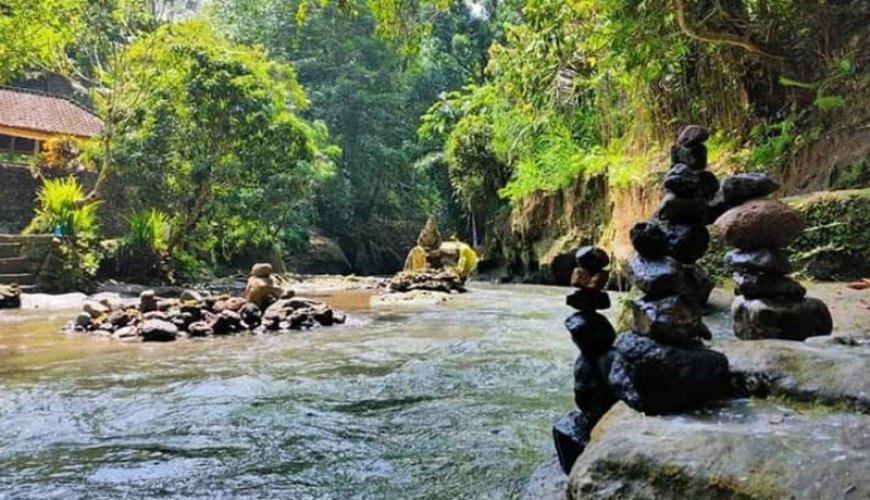
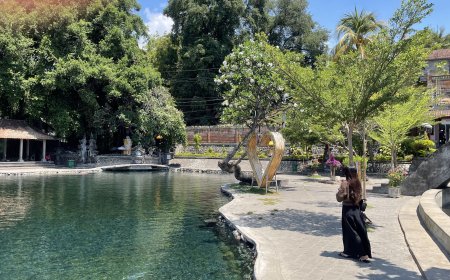
In the Tampaksiring area of Gianyar Regency, there lies a sacred place where natural beauty and Balinese spiritual tradition come together, known as Campuhan Tampaksiring. This site is located beneath a bridge connecting the regions of Gianyar and Bangli, where the Pakerisan River and the Soka River flow and converge. The meeting of these two rivers forms a campuhan, which in Balinese Hindu belief is regarded as holy water with purifying power.
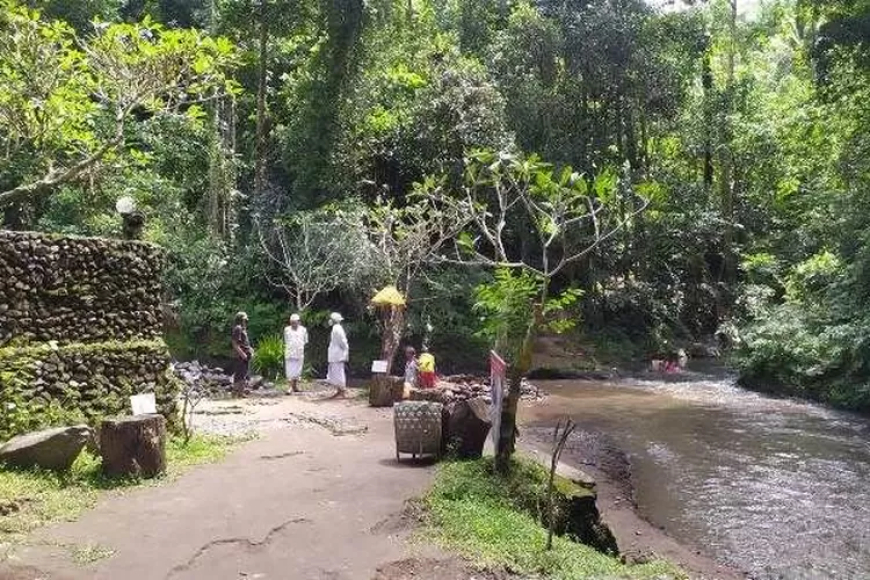
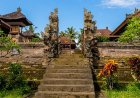
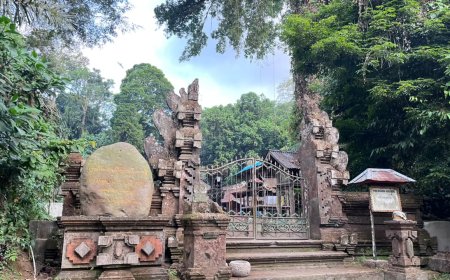
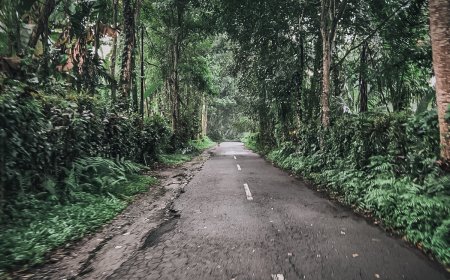
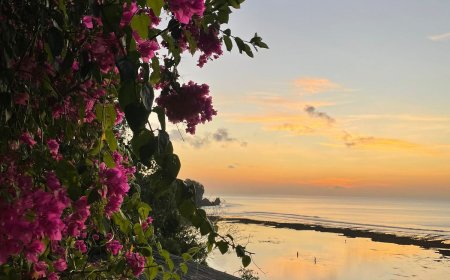
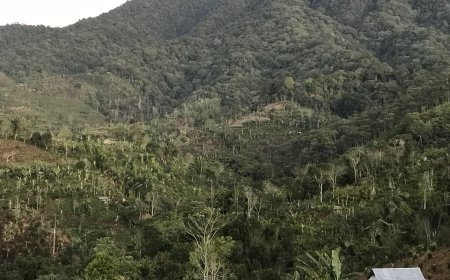
The Atmosphere of Campuhan Tampaksiring River (Photo Source: Personal Collection)
Philosophically, a campuhan represents the union of natural energies. In Balinese Hindu tradition, the meeting of waters—whether between two rivers or between a river and the sea—symbolizes balance and spiritual cleansing. For this reason, Campuhan Tampaksiring has long been used as a place for melukat, a ritual of physical and spiritual purification performed by local residents and pilgrims from various regions.
The uniqueness of Campuhan Tampaksiring lies not only in the convergence of the two rivers but also in the belief that the water here gathers many sacred springs (tirta). According to local elders, the flow of water at this site is believed to unite sacred waters from several important spiritual sites, including Tirta Empul, Pura Mangening, Pura Gunung Kawi, Taman Sari, and Tirta Dedari. These waters eventually continue their course and merge with the sea at Masceti Beach, making the area an important place for nganyut, the ritual of dispersing cremation ashes.
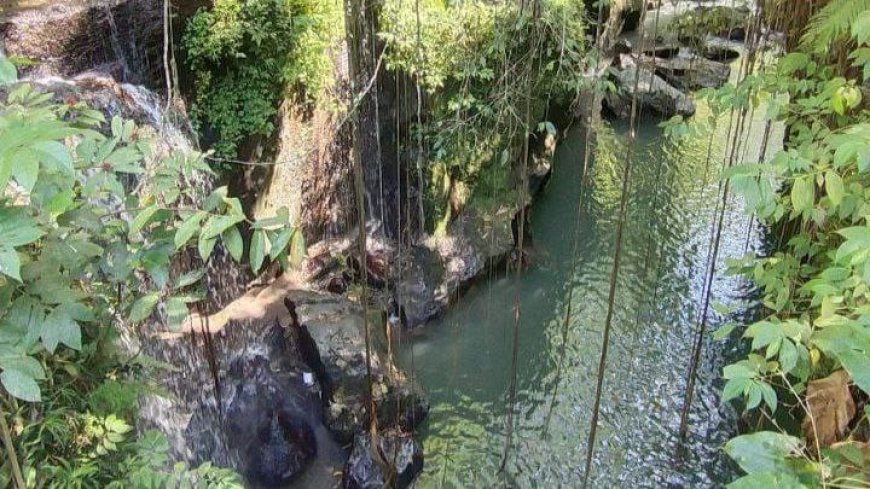
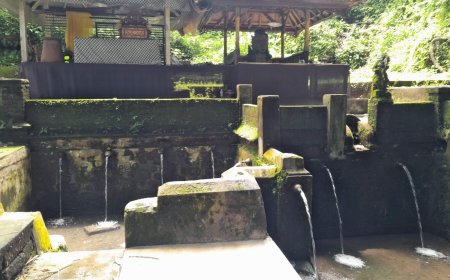
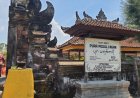
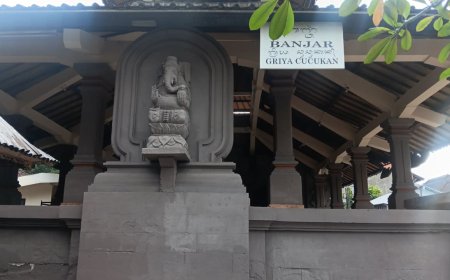
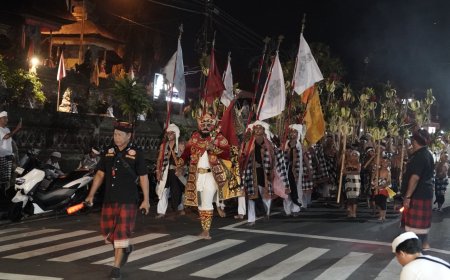
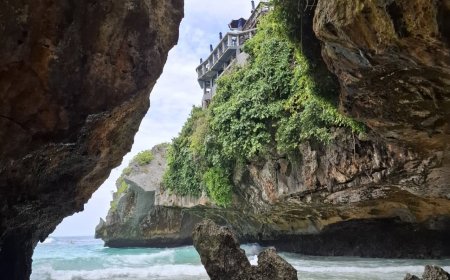
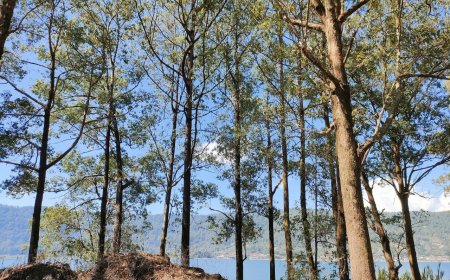
The Atmosphere of Campuhan Tampaksiring River (Photo Source: Personal Collection)
Due to the strong river currents at the confluence, caution is required, especially for visitors who are not confident swimmers. Under normal conditions, the water depth at the campuhan can reach chest level for an adult, while during high water levels the current becomes stronger and deeper. Therefore, pilgrims are advised to perform melukat along the riverbanks. Local caretakers and guides actively help monitor safety in the area.
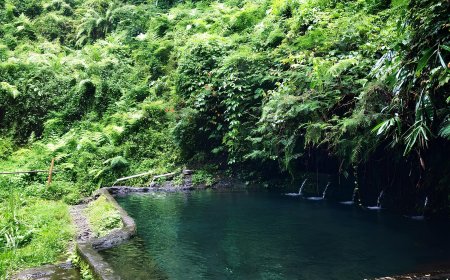
Another distinctive feature of Campuhan Tampaksiring is the presence of tirta klebutan, a clear spring that emerges from the ground near the river. This water is noticeably clearer than the river water and is believed to possess spiritual and healing qualities. The spring is associated with Dewi Tunjung Sekar Taji, who is believed to bestow blessings of vitality, health, and harmony. To preserve its sanctity, the spring has been separated from the main river flow.
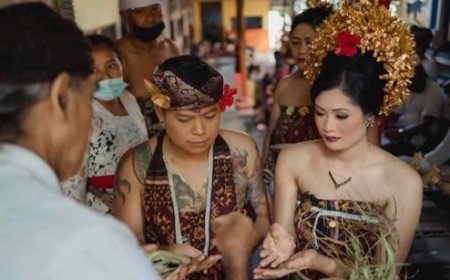
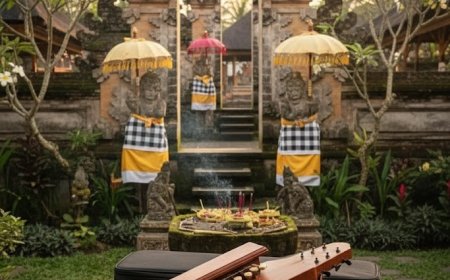
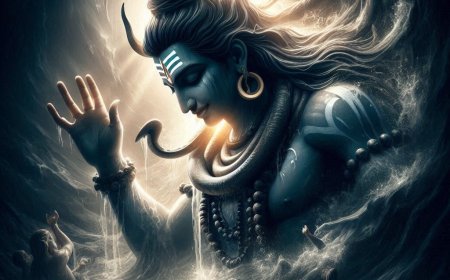
In ritual practice, pilgrims typically wear a kamen (sarong) and sash, and offer pejati offerings or canang sari as a sign of respect and devotion to Lord Shiva, who is worshipped as the cosmic dissolver and granter of blessings. The melukat ritual involves immersing oneself in the campuhan and cleansing at the water spouts, symbolizing the purification of both body and soul.
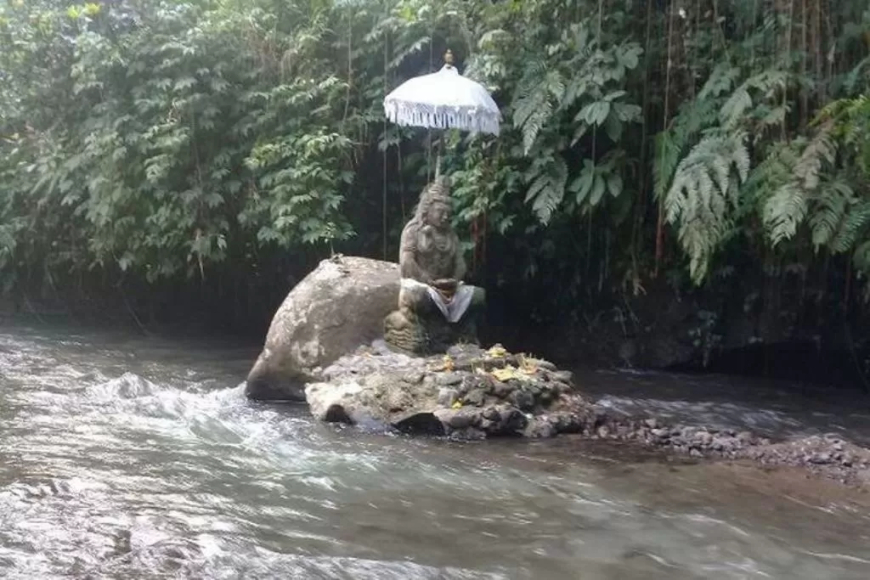
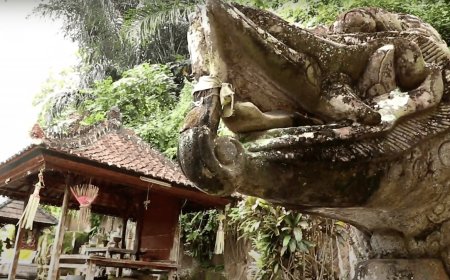
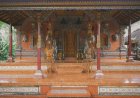
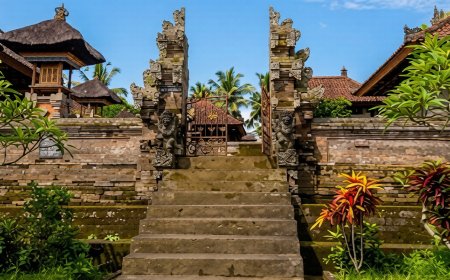
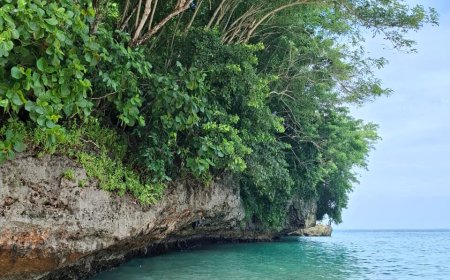
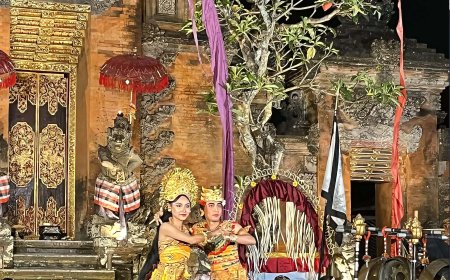
The Atmosphere of Campuhan Tampaksiring River (Photo Source: Personal Collection)
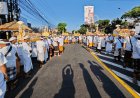
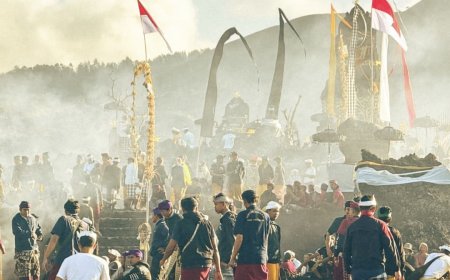
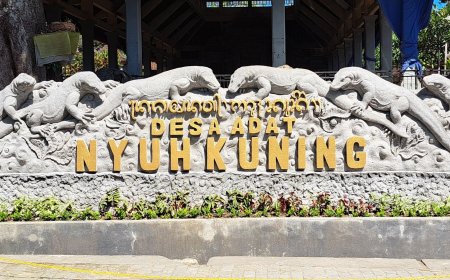
Today, Campuhan Tampaksiring is managed by the Tampaksiring Traditional Village as part of spiritual tourism grounded in local wisdom. Despite its growing recognition, the site maintains its simplicity and sacred atmosphere. There is no fixed entrance fee, only a donation box for voluntary offerings. On sacred days such as Kajeng Kliwon, the full moon (Purnama), the new moon (Tilem), and Banyupinaruh, the area becomes especially crowded with pilgrims from across Bali, other regions, and even international visitors.
Amid modern development and increasing tourism, Campuhan Tampaksiring continues to stand as a sacred space that preserves the harmony between humans, nature, and spirituality. It is here that the Pakerisan River and the Soka River do not merely meet geographically, but unite as a living symbol of balance and continuity in Balinese cultural life.