










A Legacy That Continues to Breathe: The Kuta Kumara Agung Art Studio's Role in Three-Dimensional Ental Wayang Art
Sanggar Seni Kuta Kumara Agung is a successful cultural preservation center in Kuta that has revitalized the wayang tradition thru the innovation of Three-Dimensional Ental Wayang. By utilizing lontar leaves as the primary medium and adopting Bunraku movement techniques, this studio transforms ancient literature into internationally recognized contemporary performance art. His work not only kept the Balinese tradition alive after the Bali bombing tragedy but also proved that innovation based on local materials can adapt and shine on the global art stage.


Sanggar Seni Kuta Kumara Agung is a creative platform for the preservation of Balinese culture, successfully blending the depth of ancient literature with modern visual innovation thru the creation of three-dimensional Wayang Ental. Starting with the spirit of recovery after the 2002 Bali Bombing tragedy, this Kuta-based studio has transformed from a traditional shadow puppet community into a world-renowned pioneer of contemporary puppet theater art. By utilizing lontar leaves (ental) as their primary medium, they not only create visually unique esthetic objects but also revive the philosophy of "literature that takes form." Their success in breaking into the international stage is proof that local traditions can speak in a universal language without losing their identity.
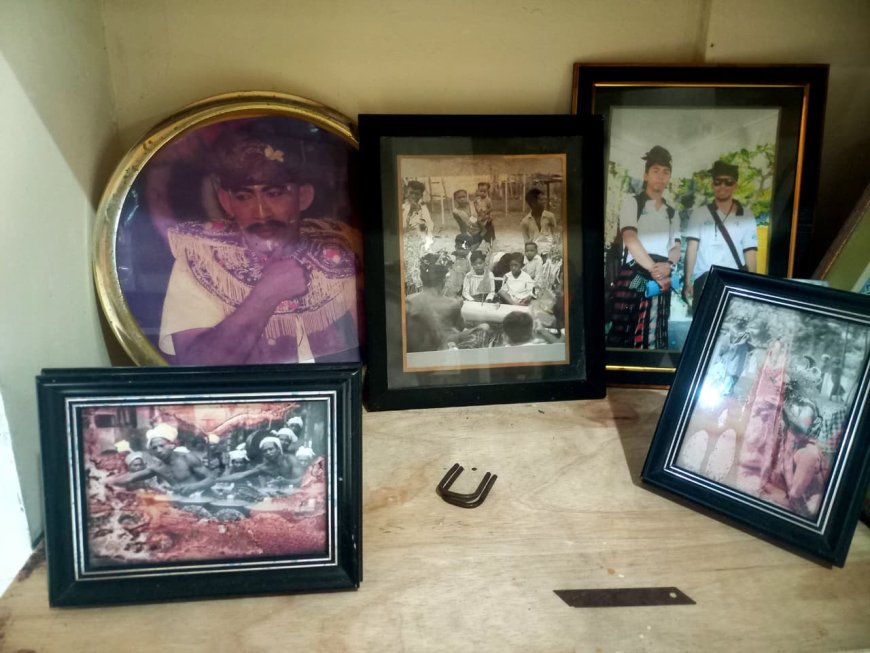
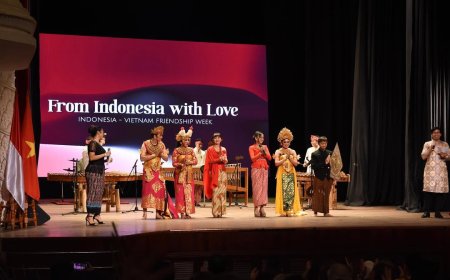
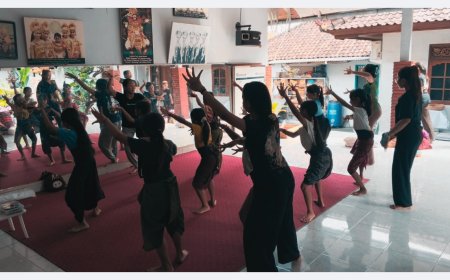
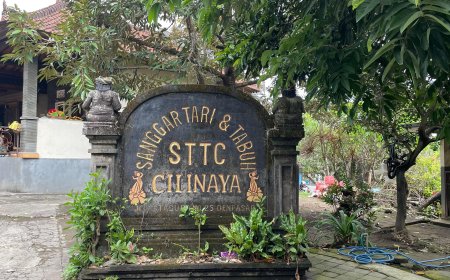
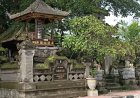
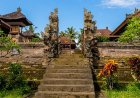
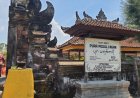
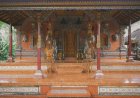
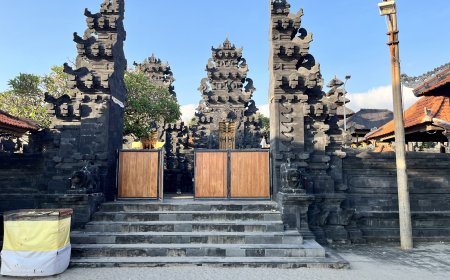
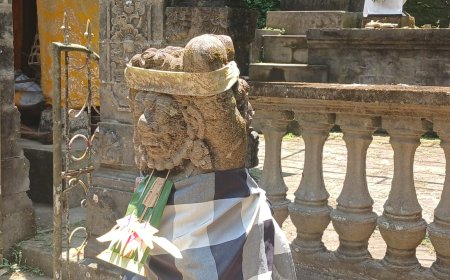
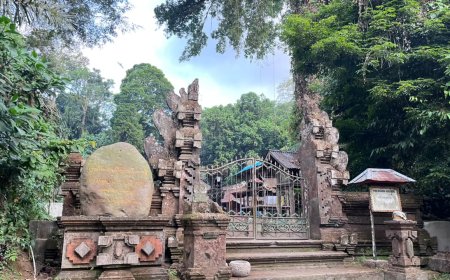
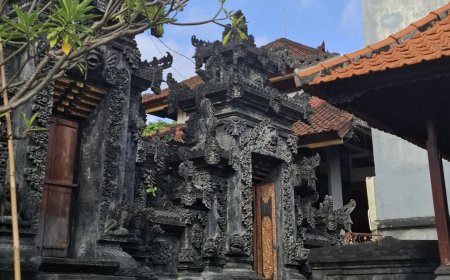
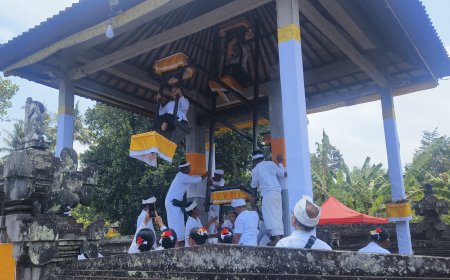
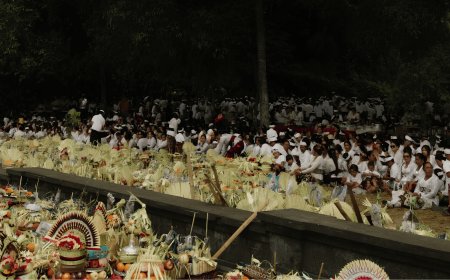
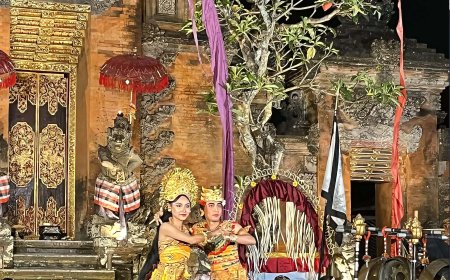
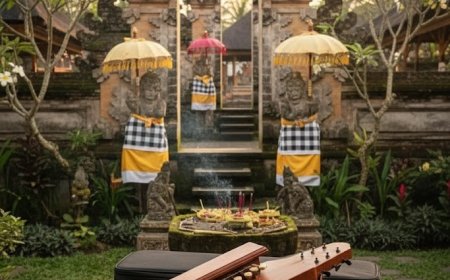
Sanggar Seni Kuta Kumara Agung Travel Gallery (Source: Private Collection)
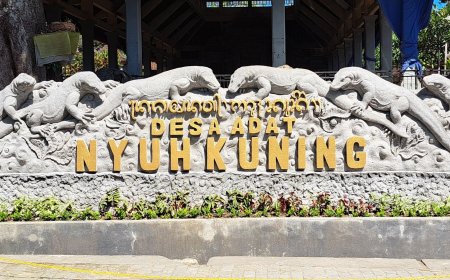
The story of this studio cannot be separated from the historical context of Kuta Traditional Village, which was founded by I Gusti Raka Bawa, or who is affectionately known as Gung Aji Dalang. In its early days, the studio emerged as an emotional and spiritual response to rekindle the artistic passion of the Kuta community, which was in decline after the 2002 Bali Bombing tragedy. Thru an initial platform called Sekaa Wayang Srinadi, Gung Aji Dalang gathered local artists to ensure that the lifeblood of the wayang tradition was not halted by past trauma. As time went on, Sanggar Seni Kuta Kumara Agung also grew into a more formal umbrella of creativity, ensuring that traditional arts remained a root of identity amidst the onslaught of mass tourism.
A major change occurred in 2016 when the leadership baton passed to his son, I Gusti Made Dharma Putra, or Gung Ade. As a graduate of ISI Denpasar, Gung Ade brings a fresher and more experimental vision to the dance studio. He realized that wayang must continue to evolve to remain relevant to the times without abandoning its core values. Gung Ade began conducting in-depth research on local materials closely related to Balinese civilization, eventually choosing lontar leaves (ental) as the focus of his innovation. This is based on the idea that lontar is the source of all knowledge and of the wayang stories themselves, so using it as the physical material for the wayang is a form of respect for that literary source.

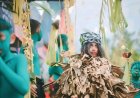
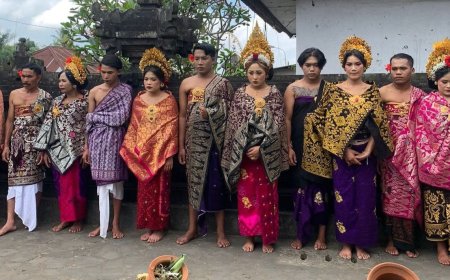
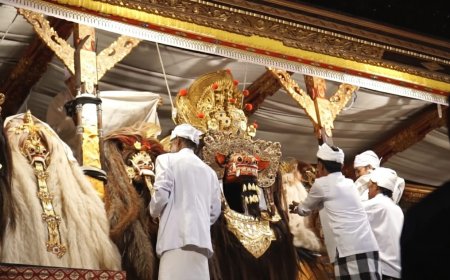
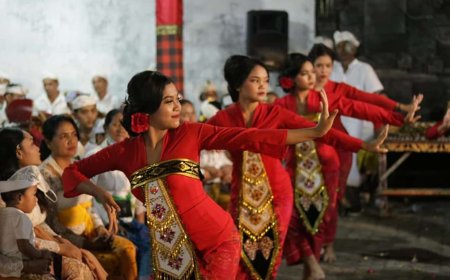
Three-Dimensional Wayang Ental from the Kuta Kumara Agung Art Studio (Source: Studio Collection)
The technical evolution of Wayang Ental began with a two-dimensional form in 2016. Thru collaboration and the exchange of ideas with various artists, including creative interaction with the Papermoon Puppet Theater from Yogyakarta, Gung Ade began developing three-dimensional (3D) Wayang Ental in 2018. Two-dimensional Wayang Ental visually resembles conventional leather puppets but with the texture of woven lontar leaves, giving it an organic and antique feel. Meanwhile, three-dimensional Wayang Ental is an extraordinary creative leap, bringing volume and depth to the space. In the process of making it, Gung Ade uses complex geometric construction logic, where the pieces of ental leaves are arranged in such a way as to form the complete anatomy of the puppet. This allows wayang to be viewed from various perspectives and provides a new dimension to the esthetics of performing arts in Bali.
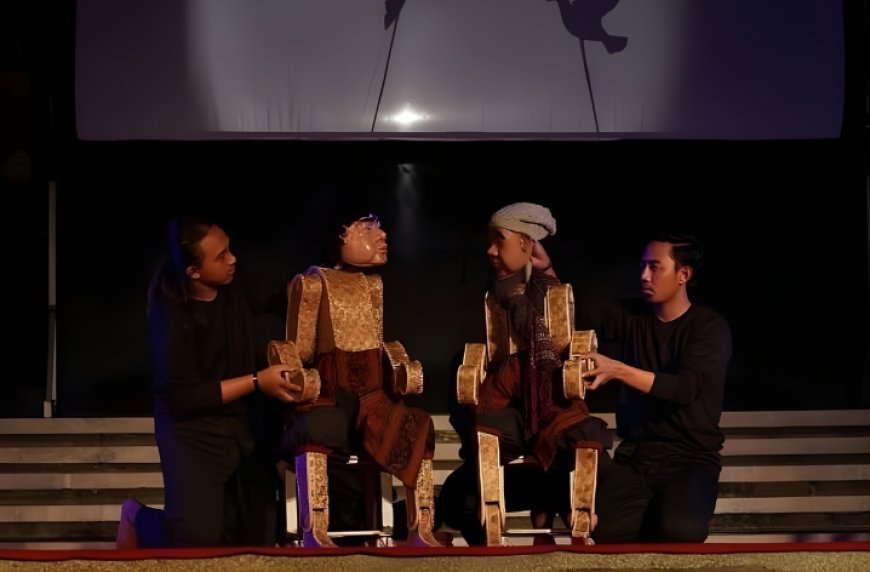
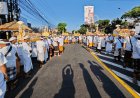
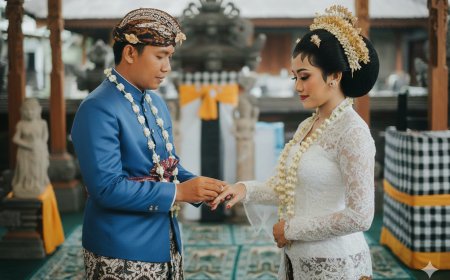
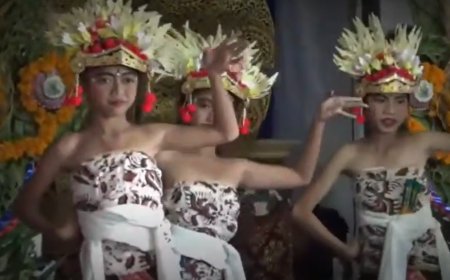
Sanggar With Three-Dimensional Ental Wayang at the Bali Jani Art Festival 2019 (Source: Studio Collection)
More deeply, the technical aspects of this three-dimensional Wayang Ental rely on a highly precise joining system to ensure the puppets have flexible movement while remaining structurally sound. Each puppet character is designed with joint articulation in mind, from hinges at the shoulders, elbows, and wrists, all of which are handcrafted using natural materials. The visual details are also impressive; the lontar leaf weaving on the doll's body is formed in patterns that follow the curves of the character's muscles or clothing, creating a natural color gradient effect that will become more exotic over time as the lontar leaves age. This uniqueness gives it a strong visual character, where the puppets look like "moving sculptures" with a very distinctive fibrous texture, setting them apart from wooden or silicone theater puppets.
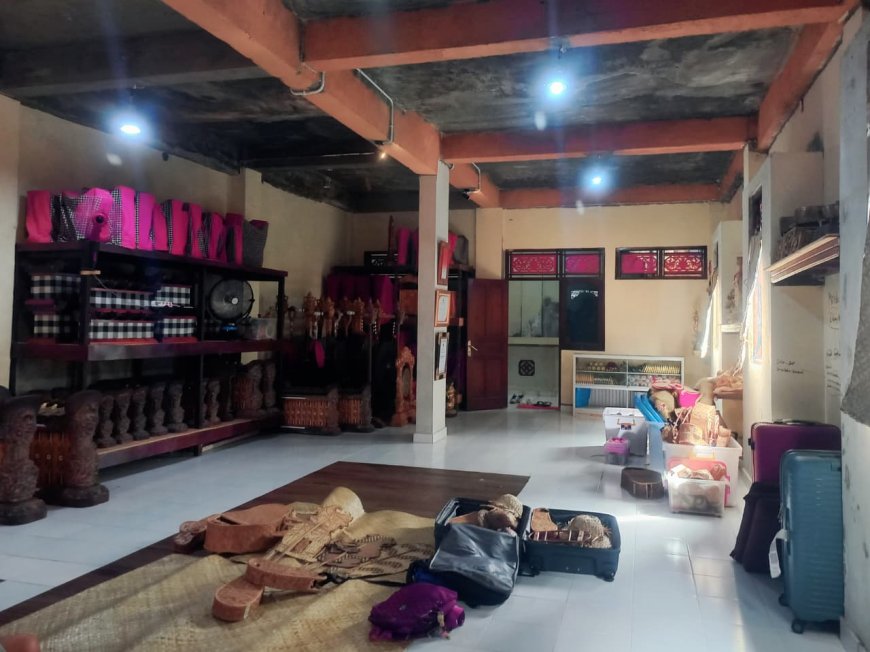
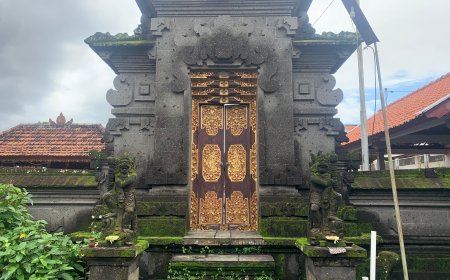
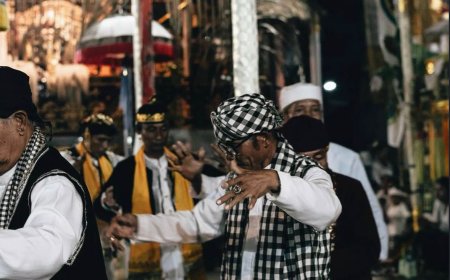
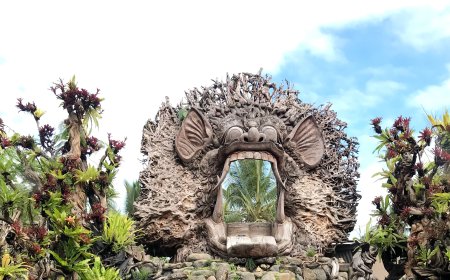
Wayang Ental Studio at Kuta Kumara Agung Art Studio (Source: Private Collection)
The studio's international reputation also began to grow with various performance invitations from abroad. In 2023, they successfully completed a two-week performance tour in Guangzhou, China, which received overwhelming acclaim from the local public. Additionally, they were also invited by the Lassalle College of the Arts in Singapore to conduct an intensive workshop on ental construction techniques and how to play puppets for international students. Domestically, their consistency is tested thru regular performances on major stages such as the Yogyakarta Cultural Festival, Galeri Indonesia Kaya, and even being an integral part of the closing of the prestigious Bali Jani Festival.

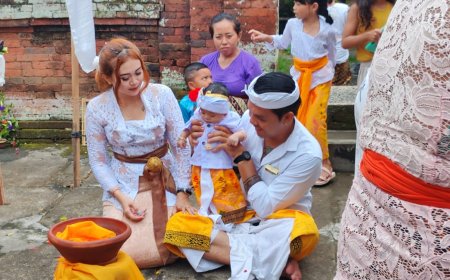
Ental Team of Kuta Kumara Agung Art Studio (Source: Studio Collection)
Despite achieving various accomplishments, Gung Ade still views each work as an endless learning process. The challenges in managing human resources and maintaining trust in the creative industry are addressed by staying focused on honest artistic quality. For him, public appreciation and material wealth are merely bonuses from his dedication to his craft. Heading into 2026, the studio has big plans to open educational Wayang Ental classes aimed at tourists and the general public, hoping to spread this spirit of innovation to more people.
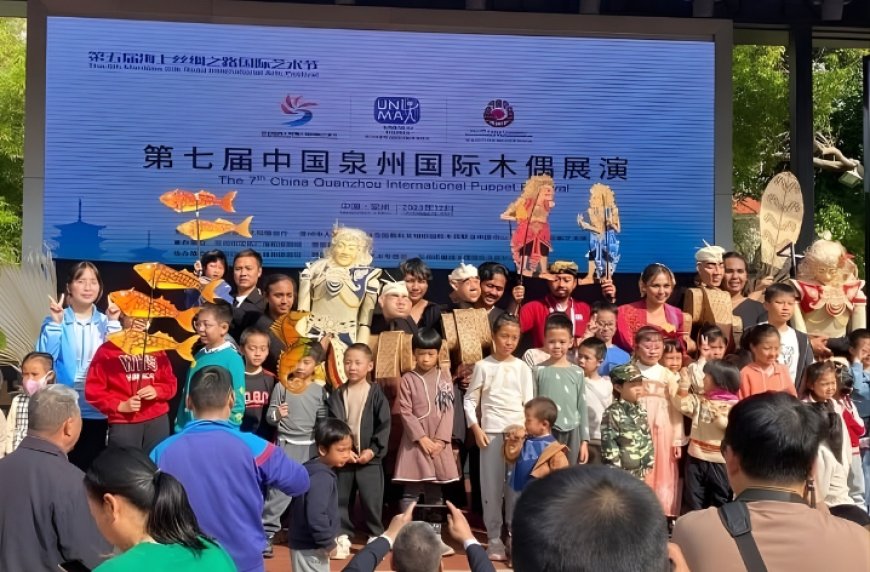
The studio had the opportunity to perform at the China Quanzhou International Puppet Festival 2023 (Source: Studio Collection)
The long-term goal of the Kuta Kumara Agung Art Studio is to establish an art school or self-learning center in Kuta Traditional Village. Gung Ade dreams of creating a new generation of art practitioners who have the courage to experiment while still maintaining a deep respect for ancestral traditions. Wayang Ental is no longer just a visual innovation; it is a symbol that Balinese culture is a living and dynamic entity. Thru the creative hands in this studio, dry lontar leaves have been transformed into works of art that continue to breathe, move, and inspire the world.