









































Tipat Bulung: A Timeless Balinese Local Culinary Tradition
Tipat bulung is a traditional Balinese dish made of rice cakes, seaweed, and pindang broth, reflecting simplicity and local coastal wisdom. It represents the close relationship between Balinese culture, nature, and enduring culinary traditions.

Amid the rapid development of modern life, traditional Balinese cuisine continues to hold a distinctive appeal for both local communities and visitors. One traditional dish that has endured and remains commonly found in daily life is tipat bulung. This local culinary heritage is valued not only for its simple and refreshing taste but also for the cultural values and local wisdom embedded within it. The continued presence of tipat bulung demonstrates the resilience of Balinese culinary traditions in the face of globalization and changing lifestyles.
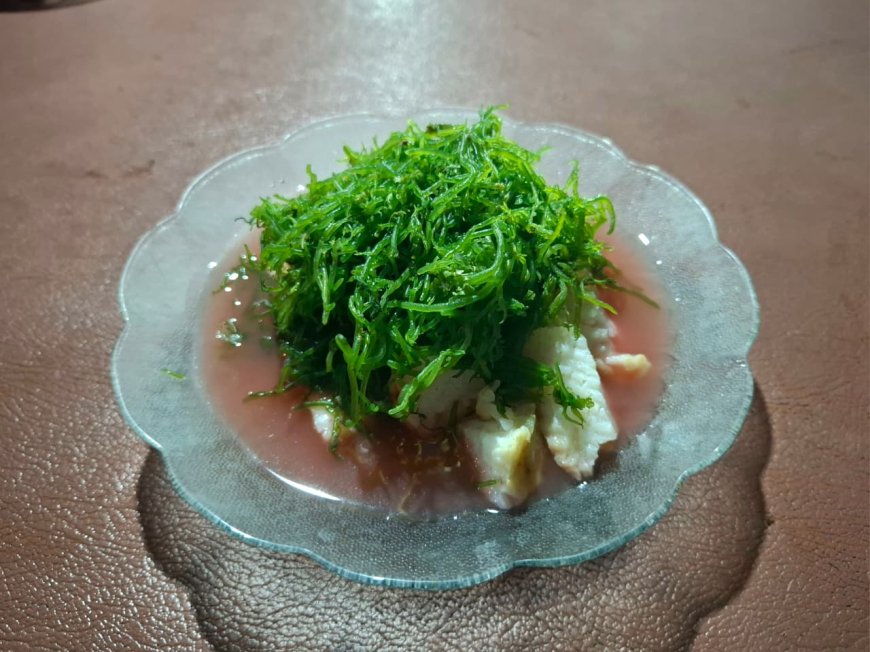
Tipat bulung is a traditional Balinese dish consisting of tipat (rice cakes wrapped in young coconut leaves) served with bulung, a type of green seaweed that grows in shallow coastal waters. The dish is complemented by kuah pindang, a light and flavorful broth that gives tipat bulung its distinctive fresh taste. The broth creates a savory yet mild and refreshing flavor profile. The simplicity of its ingredients makes tipat bulung widely acceptable to people of all ages, from children to adults.
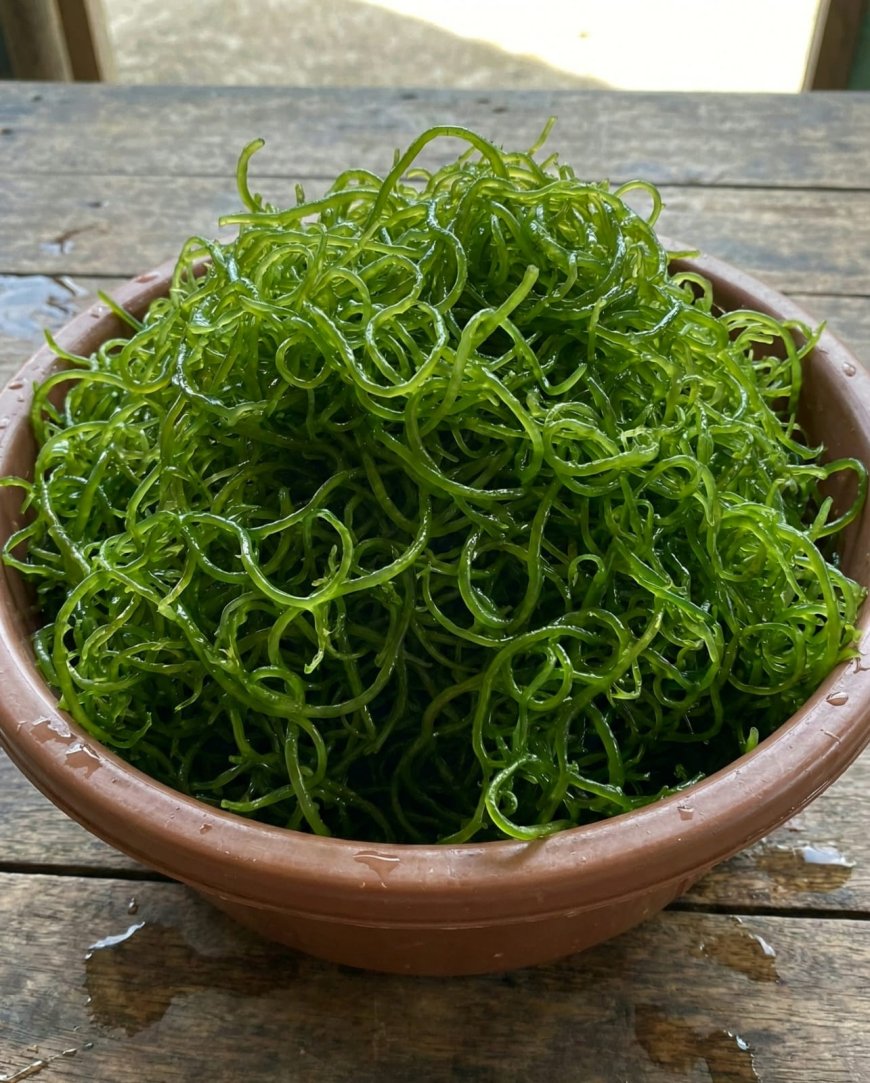
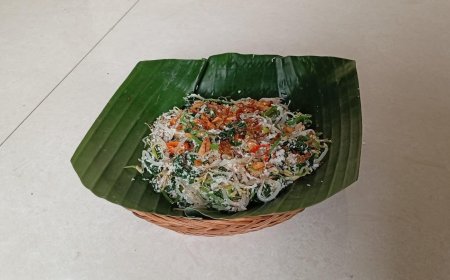
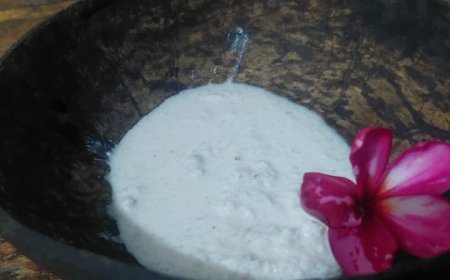
Fresh Bulung (Source: Personal Collection)
This dish originated within Balinese communities, particularly among coastal societies that have long relied on marine resources as part of their daily diet. Tipat bulung is generally prepared and sold by local residents, who serve not only as small-scale culinary entrepreneurs but also as guardians of cultural heritage passed down through generations. Today, tipat bulung can still be easily found in traditional markets, modest food stalls, and various Balinese culinary events.
Historically, there are no written records indicating exactly when tipat bulung first emerged. However, it is believed to have existed since Balinese communities began utilizing seaweed as a food source. The dish developed organically through oral traditions and household cooking practices. Unlike foods that are served exclusively during religious or ceremonial occasions, tipat bulung is a daily dish consumed regularly as part of everyday life.
Tipat bulung is commonly found in southern Bali and other coastal areas, such as Denpasar, Sanur, and their surroundings. Its existence is closely linked to Bali’s geographical conditions, which include an extensive coastline rich in marine resources. In addition to being sold in traditional markets, tipat bulung has also begun to appear at culinary festivals and cultural tourism events. This development has positioned tipat bulung not only as a local dish but also as part of Bali’s culinary identity introduced to visitors.

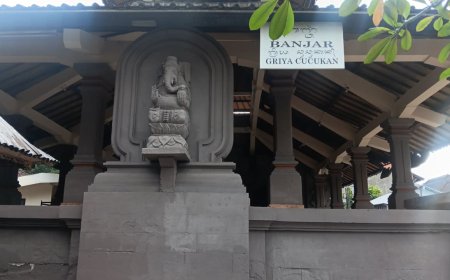
One of the Tipat Bulung Stalls in Denpasar (Source: Personal Collection)
The preparation of tipat bulung is relatively simple yet deeply rooted in tradition. Tipat is made from rice wrapped in young coconut leaves and boiled until fully cooked and firm in texture. The bulung (seaweed) is cleaned and briefly boiled to maintain its freshness and texture. The kuah pindang is prepared using traditional Balinese spices such as shallots, garlic, coriander, galangal, salt, and a squeeze of kaffir lime or tamarind, resulting in a savory, slightly salty, and refreshing broth. All components are then served together on a single plate, creating a balanced combination of flavors. This method of presentation reflects the philosophy of harmony and simplicity inherent in Balinese culinary traditions.
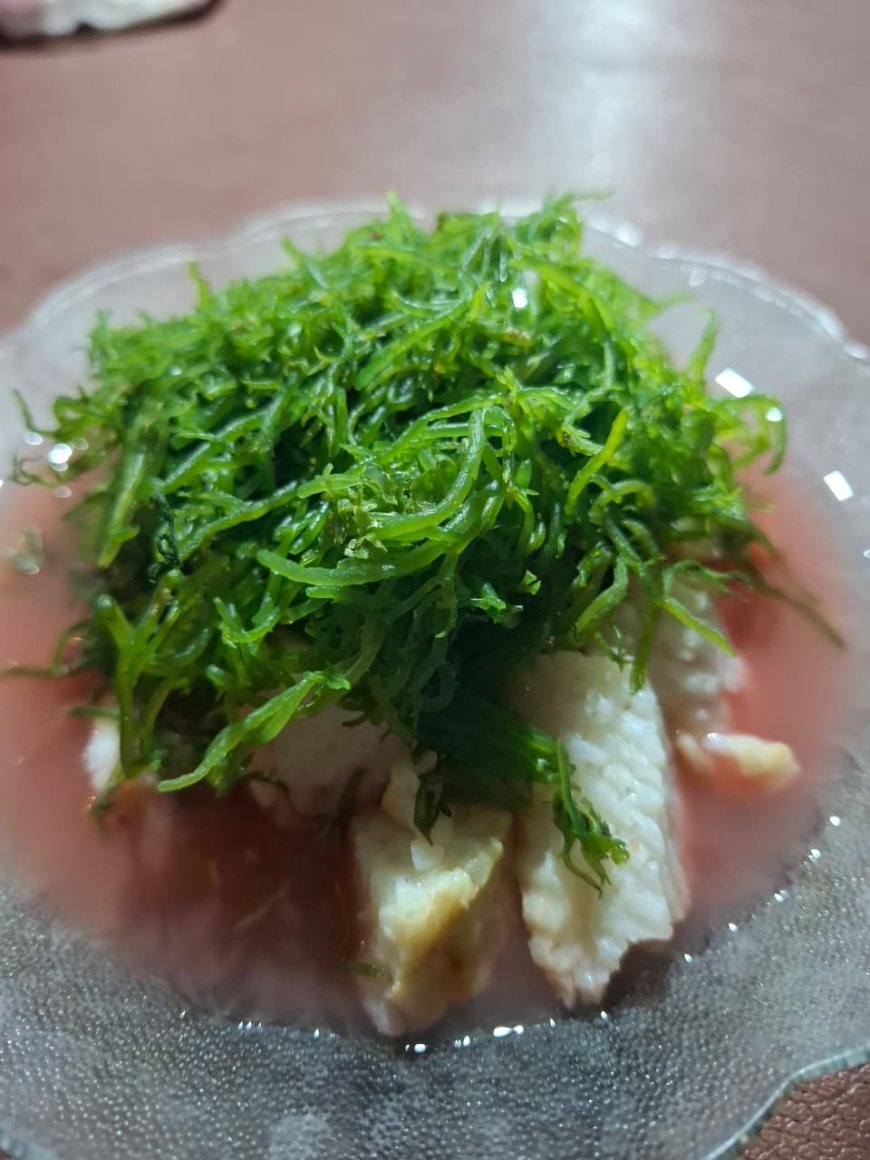
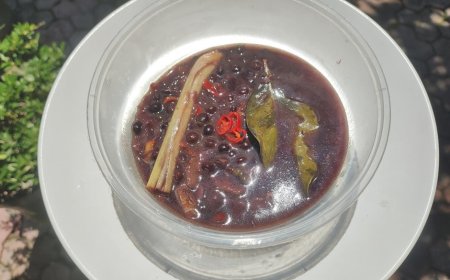
Tipat Bulung Components (Source: Personal Collection)
Beyond its cultural significance, tipat bulung also offers notable nutritional value. Seaweed is known as a rich source of dietary fiber, minerals, and antioxidants that are beneficial to health. The use of natural ingredients with minimal processing makes tipat bulung a relatively healthy traditional food. This dietary pattern illustrates how Balinese communities have long practiced a lifestyle that aligns with nature through the wise use of local resources.
From a cultural perspective, tipat bulung reflects a harmonious relationship between humans and the environment. The use of marine products as primary ingredients demonstrates the local wisdom of Balinese communities in maintaining ecological balance. This culinary tradition aligns with the concept of Tri Hita Karana, particularly in fostering harmony between humans and nature (palemahan). Through simple dishes such as tipat bulung, Balinese philosophical values are subtly transmitted in everyday life.
Ultimately, tipat bulung is more than just a traditional dish; it represents a living and evolving expression of Balinese cultural identity. Its continued existence highlights the important role of local cuisine in sustaining cultural heritage. By introducing tipat bulung to younger generations and integrating it into tourism and cultural education, this culinary tradition is expected to endure. Tipat bulung stands as evidence that simplicity in flavor can embody cultural values that remain timeless.