





Exploring Pura Kahyangan Tiga in Desa Adat Gerih
Pura Kahyangan Tiga is a place of worship for Hindus in Bali, consisting of Pura Desa, Pura Puseh, and Pura Dalem. Every village in Bali has its own Pura Kahyangan Tiga, including Desa Adat Gerih in the Abiansemal District, Badung Regency. Uniquely, Pura Desa and Pura Puseh in Desa Adat Gerih are built in the same location. Desa Adat Gerih has recently completed the grand Karya Agung Menawa Ratna ceremony, which is held every 50 or 30 years. The ceremony takes place at Pura Dalem, Pura Taman Dalem, and Pura Prajapati in Desa Adat Gerih.

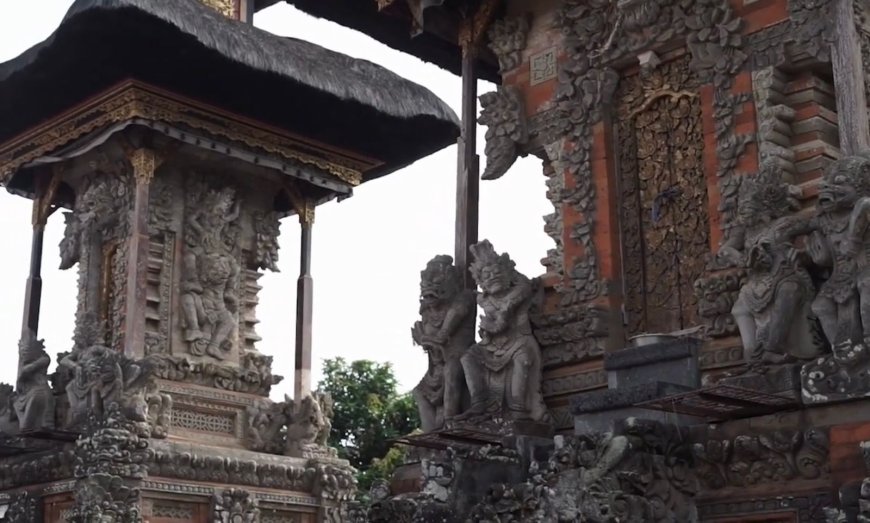
Every village in Bali has a place of worship known as Pura Kahyangan Tiga. Pura Kahyangan Tiga is a sacred site for Hindu followers to worship the Tri Murti deities as manifestations of Ida Sang Hyang Widhi Wasa. Etymologically, Pura Kahyangan Tiga consists of the words "Kahyangan" and "Tiga." The term "Kahyangan" originates from the word "hyang," meaning sacred. The prefix "ka" and the suffix "an" are added to the word "hyang" to form "Kahyangan." Pura Kahyangan Tiga, therefore, signifies three sacred places.
In accordance with its meaning, Pura Kahyangan Tiga consists of Pura Desa, Pura Puseh, and Pura Dalem. Pura Desa is used to worship Lord Brahma, Pura Puseh is dedicated to Lord Vishnu, and Pura Dalem is dedicated to Lord Shiva. This article will focus on Pura Kahyangan Tiga in the Desa Adat Gerih, Abiansemal District, Badung Regency, Bali.
Desa Adat Gerih, is one of the traditional villages within the Abiansemal Administrative Village, Abiansemal District, Badung Regency. Desa Adat Gerih covers an area of approximately 1,500 hectares. With this vast expanse, Desa Adat Gerih houses a total of 75 puras. Among these, 9 puras are classified as village temples. Pura Kahyangan Tiga is one such temple classified as part of the village temples in Desa Adat Gerih.
Interestingly, Pura Desa and Pura Puseh in Desa Adat Gerih were built in the same location and named Pura Desa lan Puseh Desa Adat Gerih. The purpose of combining the locations of Pura Desa and Pura Puseh is related to the meaning and symbolism of Lord Brahma and Lord Vishnu. If metaphorically compared to the human body, Lord Brahma is likened to the "heart", while Lord Vishnu is likened to the "spirit" or pulse. The heart and spirit are one and cannot be separated; hence, Pura Desa and Puseh are built in the same location.
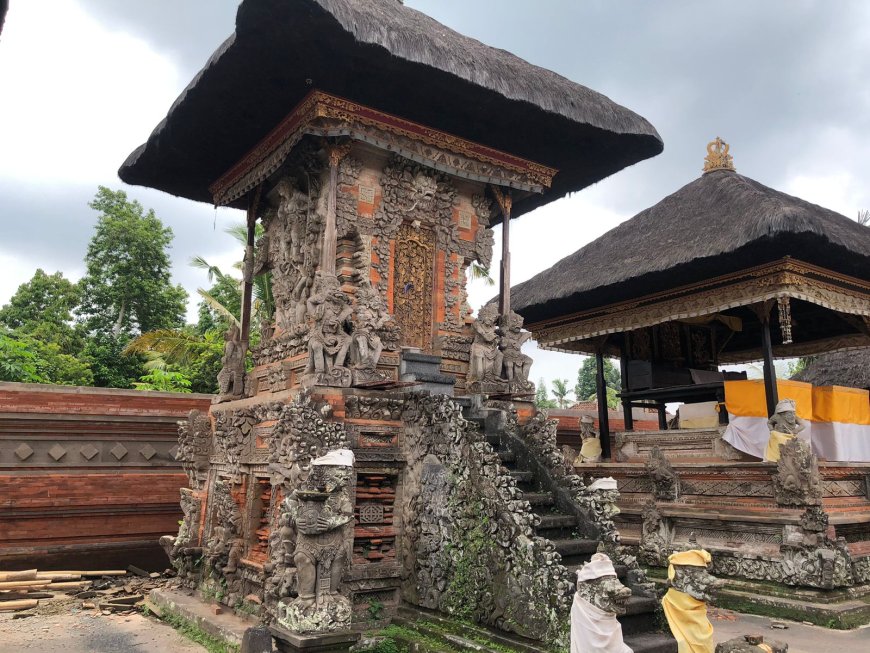
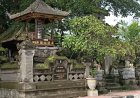
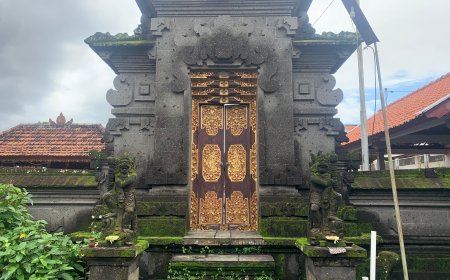
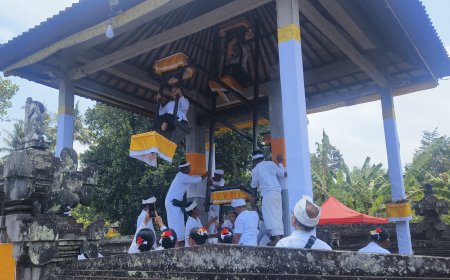
Gedong Desa in Pura Desa Lan Puseh Desa Adat Gerih (Source: Personal Collection)
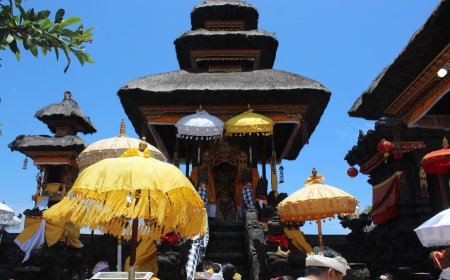
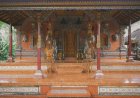
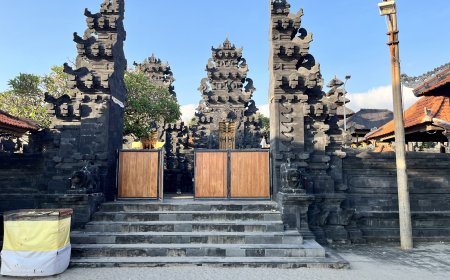
Although built in the same location, Pura Desa and Puseh have different structures (gedong). Gedong Puseh has a three-tiered roof (Meru Tumpang Tiga), while Gedong Desa has a single-tiered roof. In addition to the Desa and Puseh buildings, within Pura Desa lan Puseh Desa Adat Gerih, there are various structures such as Bale Pepelik, Padmasana, Pelinggih Naga Basuki, Catu Meres, Catu mujung, Taksu, Bale Peselang, and a Bale used by Jro Mangku to lead prayers.
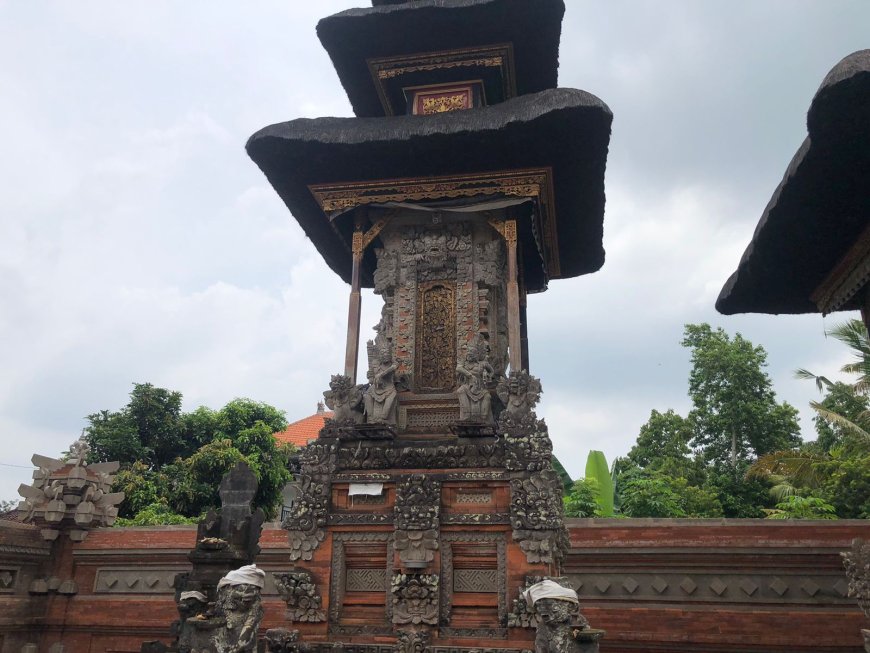
Gedong Puseh in Pura Desa Lan Puseh Desa Adat Gerih (Source: Personal Collection)
There are special offerings (banten) presented at Gedong Desa and Gedong Puseh during religious festivals or piodalan, and these offerings are called Tebasan Prabu Wibhuh. Additionally, on the sacred day of Saraswati, a sacred ceremony is held to offer Sesayut Yoga Sidhi, worshiping and seeking knowledge from Dewi Saraswati as the Sakti of Lord Brahma.
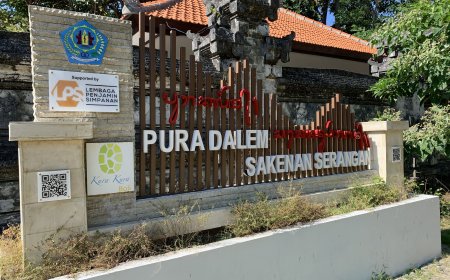
Apart from Pura Desa lan Puseh, Desa Adat Gerih also has Pura Dalem. Pura Dalem in Desa Adat Gerih is located approximately 5 minutes from the location of Pura Desa lan Puseh. Pura Dalem in Desa Adat Gerih is also known as Pura Dalem Purwa, which means the beginning or origin. The building of Pura Dalem in Desa Adat Gerih faces south. In the past, the ancestors (Pekak Warni) had wanted the Pura Dalem building to be changed to face west.
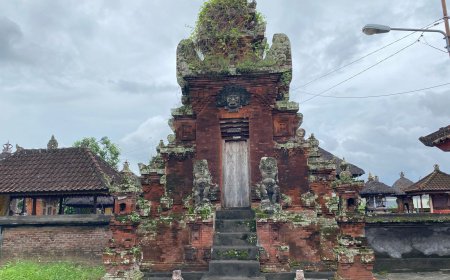
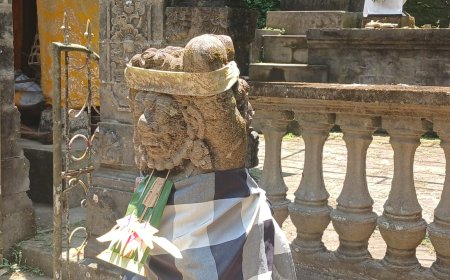
Pura Dalem in Desa Adat Gerih comprises the Padmasana building, Gedong Ida Bhatari, Taksu, Bale Pepelik, Paruman (where Jro Mangku leads prayers), Ratu Ngurah, and Ratu Nyoman. Moving to the Jaba section, there are Aling-aling, Apit Lawang, and Kori Agung. Worshipers who wish to perform prayers can take their places in both the Jeroan and Jaba areas.
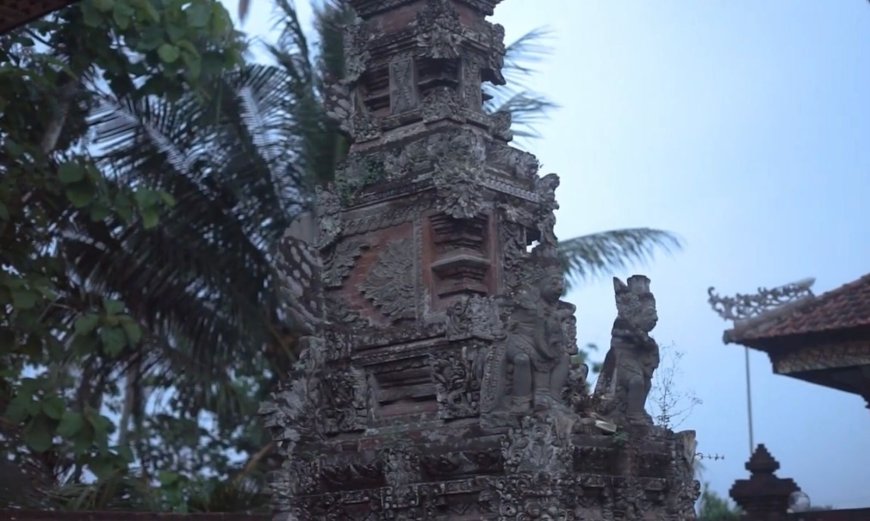
Padmasana in Pura Dalem Desa Adat Gerih (Source: Personal Collection)
Similar to Pura Desa lan Puseh, Pura Dalem also has special offerings (banten) presented during ceremonies. For regular celebrations (odalan), offerings such as Banten Pregembal are presented. Additionally, specific offerings like Banten Peras Daksina, Suci, and Sodan are presented at each shrine. All these offerings are dedicated to Ida Bhatara Bhatari, who resides in Pura Dalem of Desa Adat Gerih.
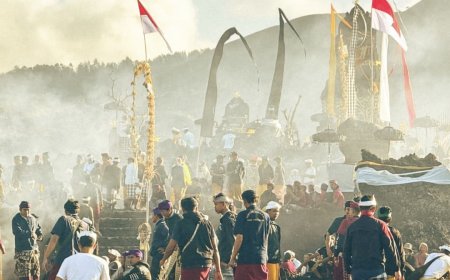
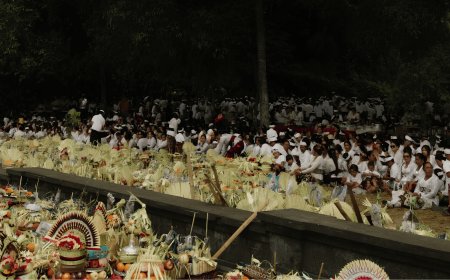
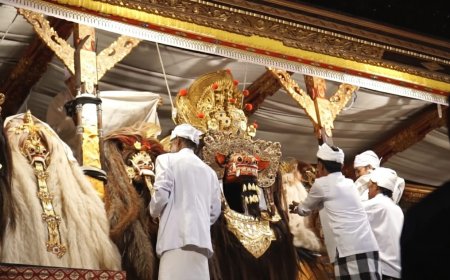
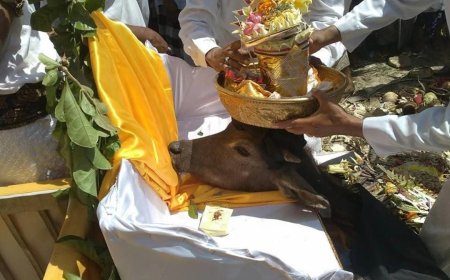
Remarkably, Desa Adat Gerih recently completed the sacred ceremony of Karya Agung Menawa Ratna around August 2023. Karya Agung Menawa Ratna is a significant ceremony held at least every 50 or 30 years at Pura Dalem, Pura Taman Dalem, and Pura Prajapati in Desa Adat Gerih. The implementation of Karya Agung Menawa Ratna is also influenced by the availability of funds possessed by Desa Adat Gerih. Due to its rarity and the elaborate series of ceremonies involved, approximately 6 months are needed to prepare for Karya Agung Menawa Ratna. Preparations include arranging offerings (banten), decorations, and other necessary elements.
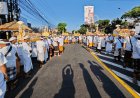
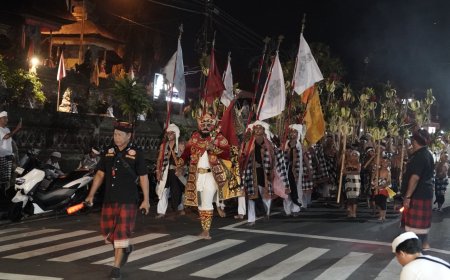
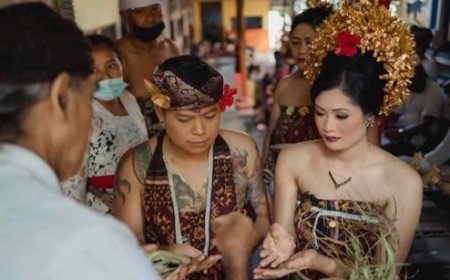
One part of the Karya Agung Menawa Ratna ceremony is the Nyenuk ritual, which shares the same meaning as "majenukan" or "madelokan." The Nyenuk ceremony is conducted as a symbol of the arrival of the directional deities (guests) from the heavens to bestow blessings upon the worshipers. Its purpose is to seek smooth proceedings of the ceremony.
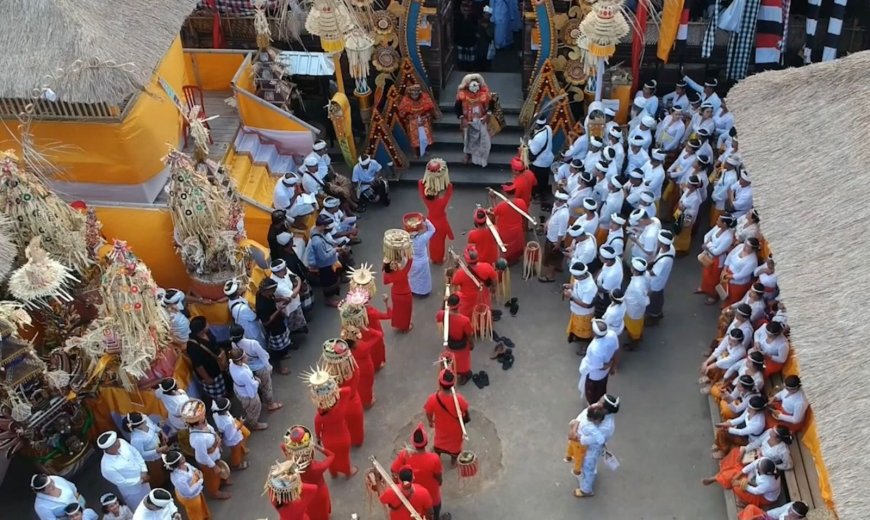
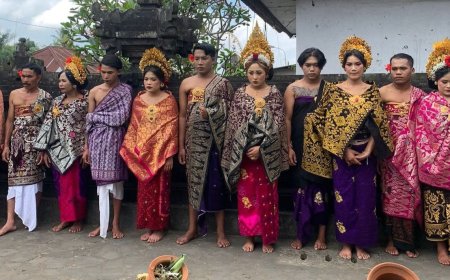
Karya Agung Menawa Ratna in Desa Adat Gerih (Source: Personal Collection)
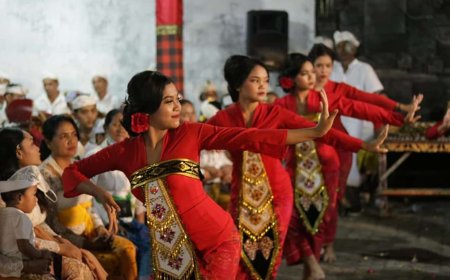
There is a unique aspect to the implementation of Karya Agung Menawa Ratna. The people of Desa Adat Gerih wear attire tailored to the direction of their homes, aligning with the concept of Panca Dewata. Panca Dewata represents the Gods residing in the five cardinal directions. The five deities are Brahma, symbolized by the color red, residing in the South; Vishnu, represented by black, in the North; Iswara, depicted in white, in the East; Mahadewa, symbolized by yellow, in the West; and Siwa, positioned in the middle, represented by a blend of colors or poleng.
Residents whose homes are in the North wear black attire from head to toe, adhering to the Panca Dewata concept. This signifies that they are messengers of the Gods residing in the five cardinal directions within the Panca Dewata concept. During the Nyenuk procession, women walk in an orderly line towards Pura Dalem, carrying ceremonial offerings. This is a fascinating sight, considering this celebration will only be held again several decades later.