









From Movement to Meaning: The Journey of Sanggar Siddhi Loka Budaya in Reviving the Heritage of Balinese Dance
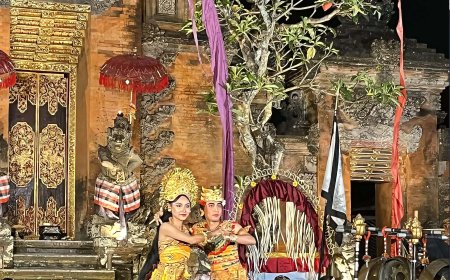
Sanggar Siddhi Loka Budaya, established in 2015, has become a small yet steady flame guiding the younger generation back to the love of Balinese arts. Under the guidance of two dedicated instructors, the studio revives the traditions of dance and percussion through regular Sunday practice sessions. Its contributions are notable, from major performances to appearances at various cultural events. More than just a place to learn, Siddhi Loka Budaya is a space that shapes character, instills values, and ensures that Balinese children remain connected to their cultural roots amid the rush of modernity. Here, every movement and every rhythm is not merely practice—it is a heritage continuously passed down.

Amid the rapid wave of modernization that increasingly permeates every aspect of life in Bali, traditional arts are now facing significant challenges. Children and teenagers are becoming more familiar with the digital world, popular culture, and global entertainment, slowly shifting their attention away from the artistic traditions that have long defined Balinese identity. Yet behind these concerns, there are still small spaces that continue to fight to keep the spirit of culture alive. One of those spaces is Sanggar Siddhi Loka Budaya, established on July 5, 2015.
The dance studio was born from the concern of a young artist, I Wayan Agus Mahardika, S.Kom., M.Sn., who witnessed how many young people were gradually losing their emotional connection to Balinese dance and musical traditions. He realized that without a proper learning space, culture would eventually become nothing more than a symbol beautiful but empty of meaning. From this awareness, he founded a studio that would not only teach movements, but also revive the philosophy, history, and spiritual values behind every dance.
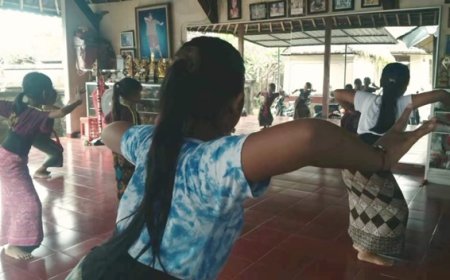
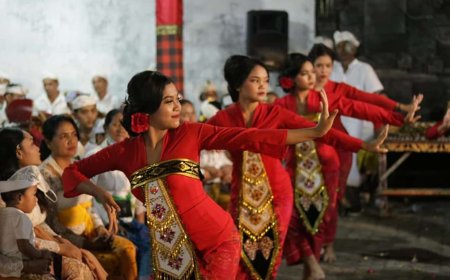
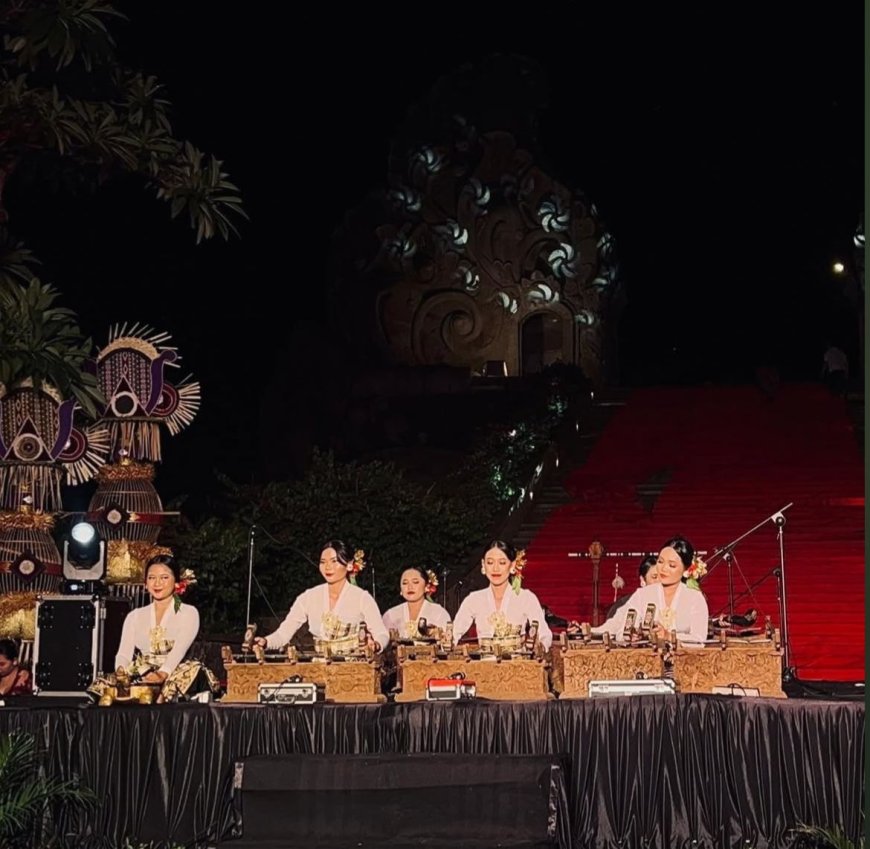
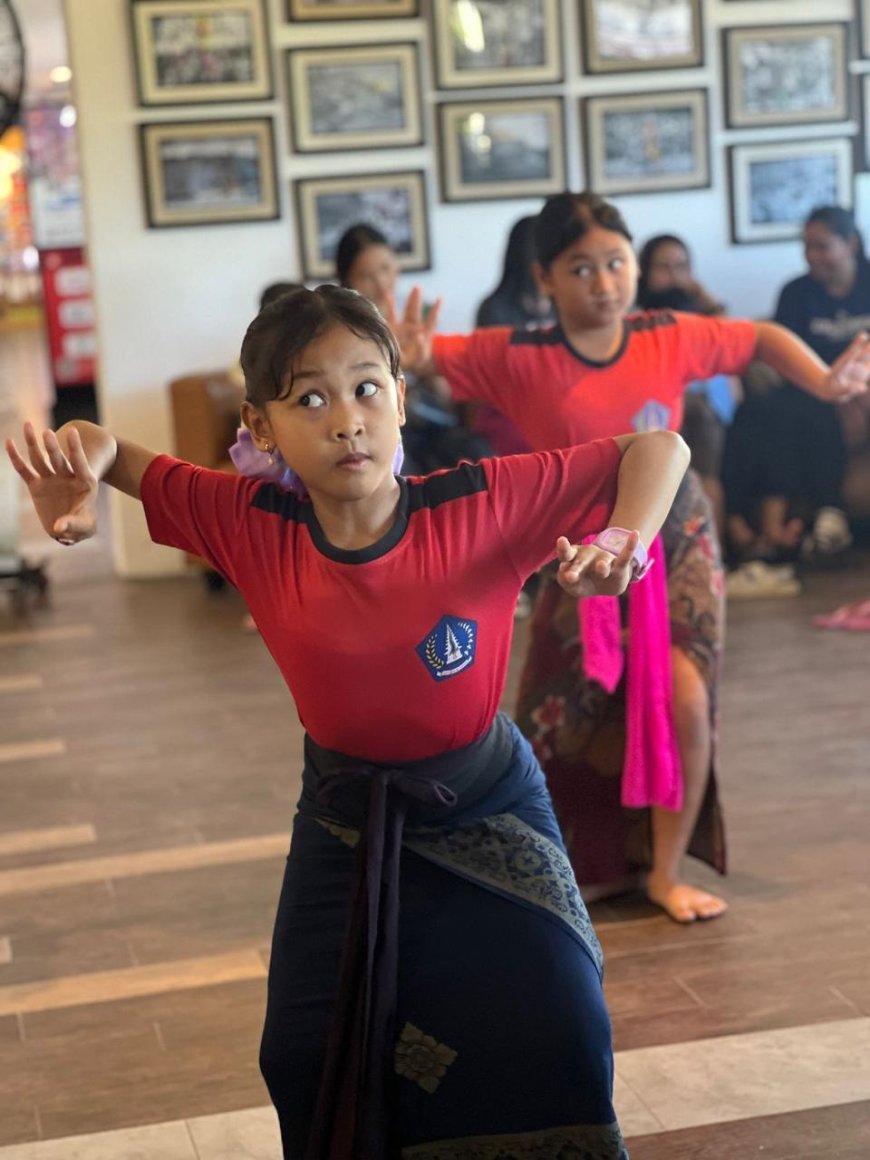
Practice sessions at Sanggar Siddhi Loka Budaya are held regularly every Sunday, ensuring they do not disrupt the students’ formal schooling. On those days, the studio transforms into a space full of energy and enthusiasm. Children arrive carrying their selendang, costumes, and dance cloths, while the soothing sound of the gamelan gradually fills the room. Although the studio has only two instructors, the quality of training remains exceptional thanks to their extensive experience performing in major cultural events, both at the local and regional levels.
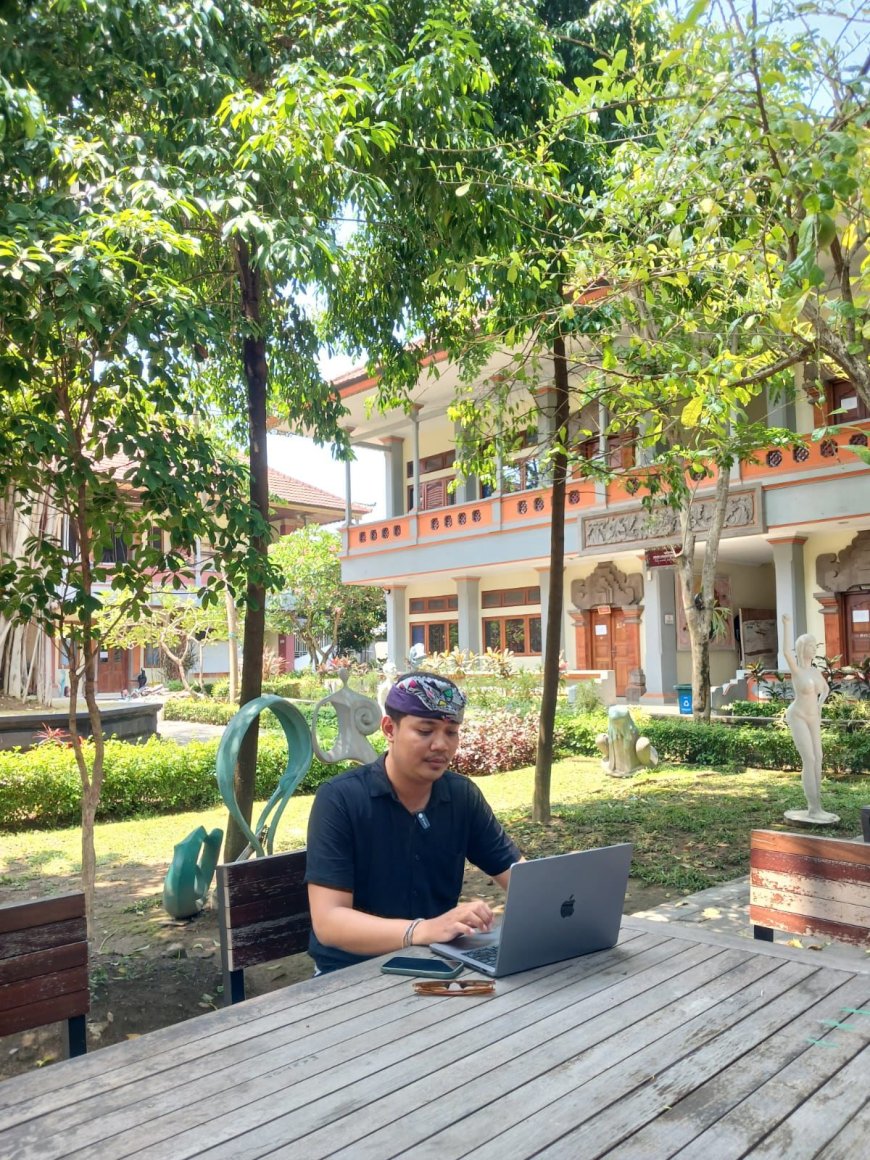
I Wayan Agus Mahardika, S.Kom., M.Sn. (Photo Source: Personal Collection)
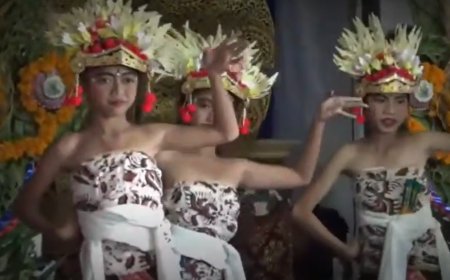
The students are taught not only the basic dance techniques such as agem, tandang, tangkep, and tangkis, but are also guided to understand the meaning behind every movement. They learn that Balinese dance is a language one that conveys stories, emotions, and life philosophies. Every glance, every hand gesture, and every step holds a deep significance within Balinese cosmology. Through this approach, the studio succeeds in building the understanding that art is not merely a skill, but a form of identity and cultural selfhood.
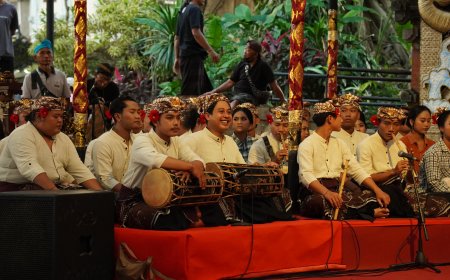
Beyond dance, the studio also actively develops the art of Balinese drumming (tabuh), an essential element in the presentation of Balinese dance. The rhythm of the gamelan is understood not just as accompaniment, but as the heart that gives life to the dance. By studying both tabuh and dance simultaneously, students learn that Balinese art is a unity of sound and movement, a harmony between body and rhythm.
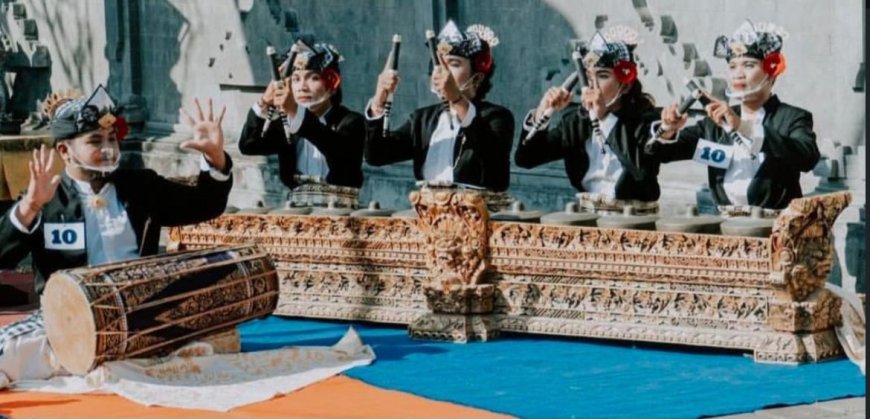
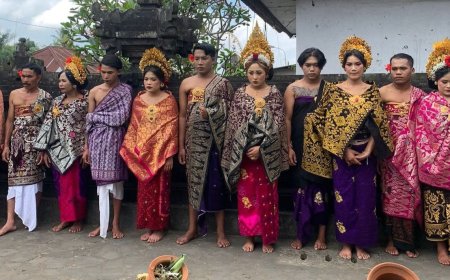
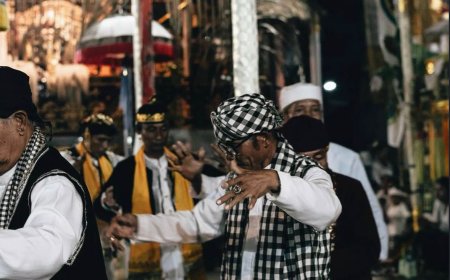
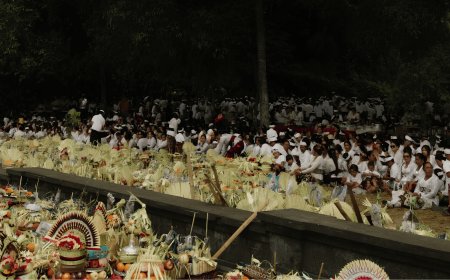
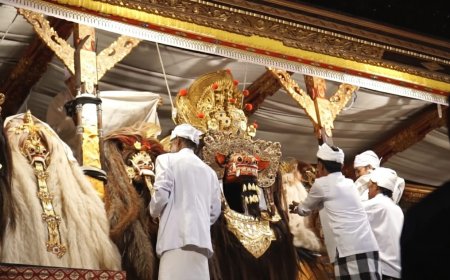
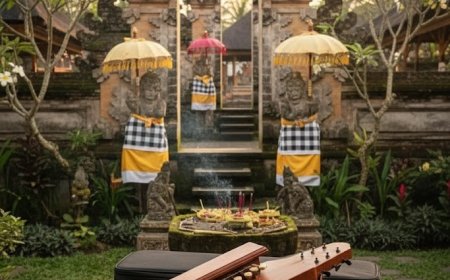
In addition to regular training activities, Sanggar Siddhi Loka Budaya also frequently participates in various traditional ceremonies, rituals, and cultural performances. These performance experiences give a significant impact on the participants not only in terms of artistic skills, but also in building their confidence and stage presence. They learn how to perform in front of an audience, work as a team, manage nervousness, and understand that what they learn carries meaning and value for the wider community.
One of the sanggar’s greatest contributions is its ability to serve as a social space for young generations. In a world dominated by gadgets and screens, the sanggar becomes a place where children can return to real, face to face interaction. They learn discipline, cooperation, mutual respect, and the importance of supporting each other. The warm and inclusive environment within the sanggar creates a sense of togetherness that helps shape the participants’ character.
Sanggar Siddhi Loka Budaya also welcomes anyone who wishes to learn, regardless of age or background. This inclusive approach makes the sanggar a space that brings different generations together with a shared purpose: preserving the cultural heritage of Balinese arts. Here, art truly becomes a bridge that unites the community, as well as a place for individuals to grow through tradition and culture.
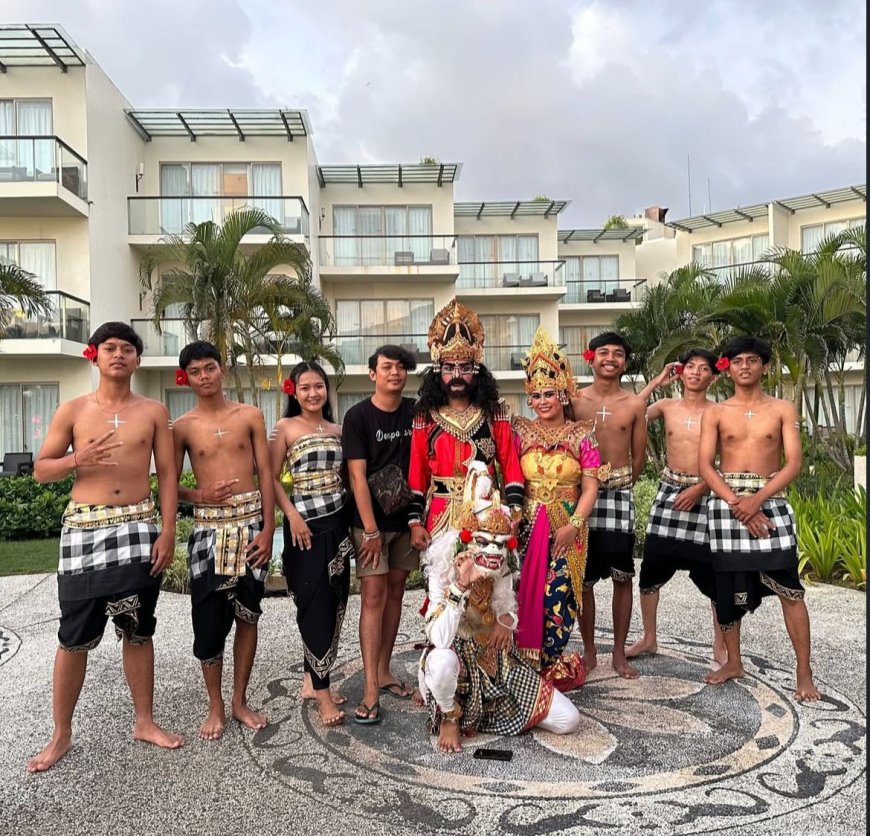
The presence of a sanggar like this has become increasingly important in today’s complex modern era. Many young people are now more familiar with foreign cultures than with their own traditional arts. Without a place like Siddhi Loka Budaya, Balinese dance and percussion might slowly be pushed aside. It is this sanggar that ensures cultural heritage remains alive, continues to be studied, and continues to be loved.
In the end, Sanggar Siddhi Loka Budaya is not merely a place to practice dance and percussion. It is a space for growth, a learning space, a gathering space, and a place that revitalizes cultural identity. Here, every movement is not just motion it is meaning passed down through generations. Every note of percussion is not just sound it is a heartbeat that keeps culture alive.
Through its journey since 2015, the sanggar has proven that traditional arts will not disappear as long as there are people who care. With the dedication of its instructors, the enthusiasm of its participants, and the support of the community, the sanggar continues to be living proof that culture can be revived from generation to generation, from movement into meaning.