








The Breath of Taksu in Nusa Dua: From the Rhythms of Tabuh to the Craft of Penjor at Sanggar Jaya Art
Sanggar Jaya Art is a traditional art studio located in Nusa Dua that actively preserves Balinese culture through dance, gamelan music, and the making of penjor and ceremonial crafts. Founded by a small family with a shared passion for the arts, the studio has grown into a community space for children and youth. Through consistent practice and strong community involvement, Sanggar Jaya Art continues to keep the taksu of Balinese art alive amid modern influences.

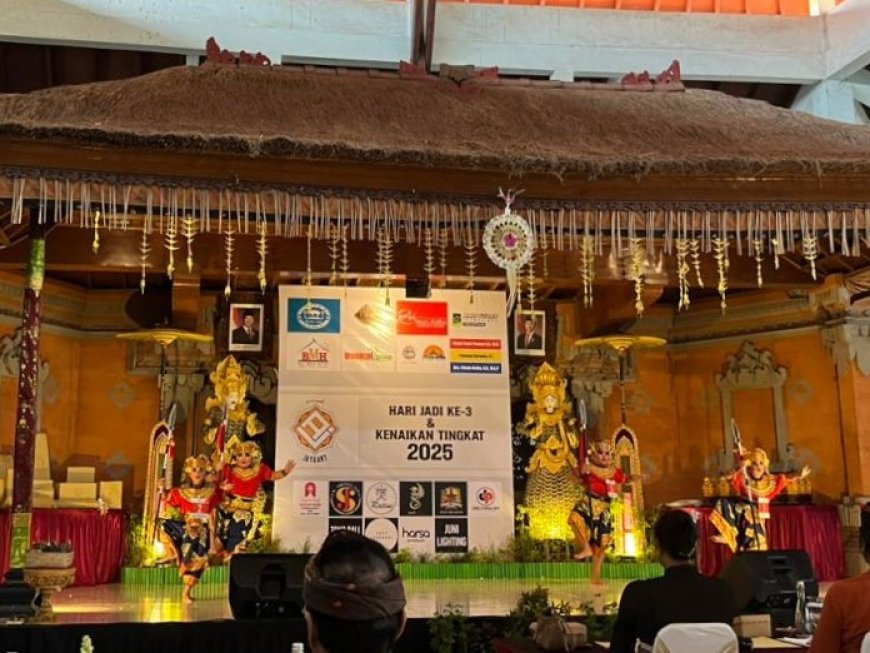
Nusa Dua is widely known as a tourism area filled with luxury hotels and beautiful beaches. However, behind the busy tourism activities, Balinese cultural life continues to thrive and be preserved. One clear example is Sanggar Jaya Art, an art studio that remains actively engaged in developing and preserving traditional Balinese arts amid changing times.
Through activities such as gamelan music (tabuh), traditional dance, and the making of penjor and ceremonial crafts, Sanggar Jaya Art continues to keep taksu alive—the spiritual essence of Balinese art that grows from sincerity, togetherness, and a long, dedicated creative process.
The Meaning of “JAYA”: A Sustainable Hope
The name Jaya Art is more than just an identity. The word Jaya means winner, champion, and continuity. This meaning reflects the studio’s hope to produce skilled dancers and musicians, while ensuring that Balinese art and culture remain alive and are passed down from one generation to the next.
This hope is not only expressed through the name, but also realized through regular training, involvement in religious and traditional ceremonies, and a consistent learning process that is open to the younger generation.
Growing Together with the Nusa Dua Community
Located in the Nusa Dua area, Sanggar Jaya Art grows alongside the local community. The studio serves as a space for gathering, learning, and creating, especially for children and teenagers who are interested in traditional Balinese arts.
The studio’s activities are not limited to one art form. In addition to dance, Sanggar Jaya Art actively develops karawitan (gamelan music). The studio also produces penjor, various bamboo-based ceremonial crafts, and accepts orders for ogoh-ogoh, especially ahead of Nyepi Day. This wide range of activities keeps the studio closely connected to traditional life and community needs.
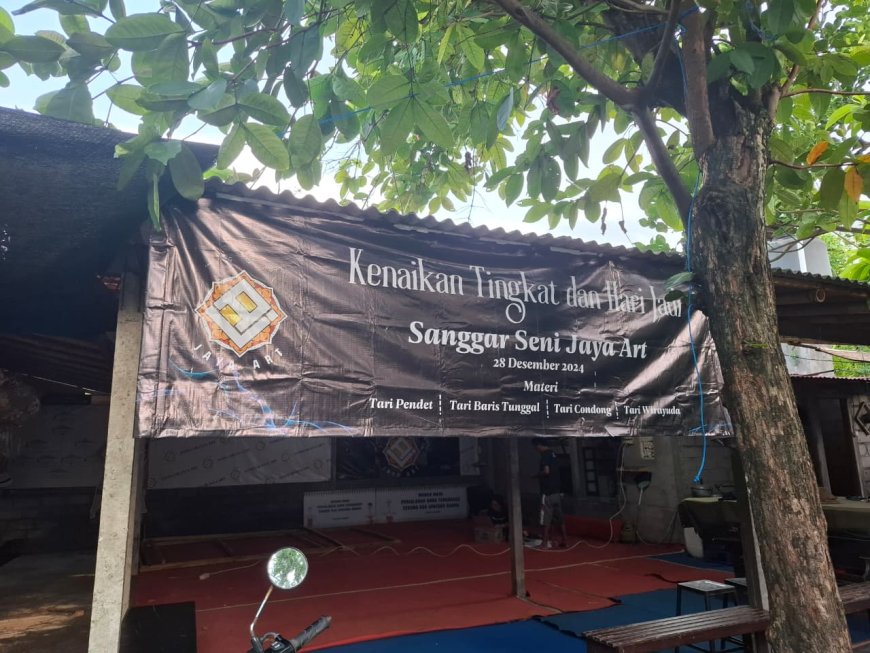
The Beginning of Sanggar Jaya Art
Sanggar Jaya Art began around five years ago, before the Covid-19 pandemic. It started within a small family environment where members often gathered because they shared the same hobbies—playing gamelan and dancing.
The training sessions were simple and full of a family atmosphere. One family member was a graduate of a dance arts program, who became the main driving force in teaching and guiding others. From these regular gatherings came the idea of creating a larger art space that would be open to the community.
After a long process, the studio was officially established about three years ago under the name Sanggar Jaya Art. Since then, dance and gamelan practices, as well as the making of ceremonial items, have been carried out more regularly and have involved more children and teenagers in the Nusa Dua area.
The People Behind Sanggar Jaya Art
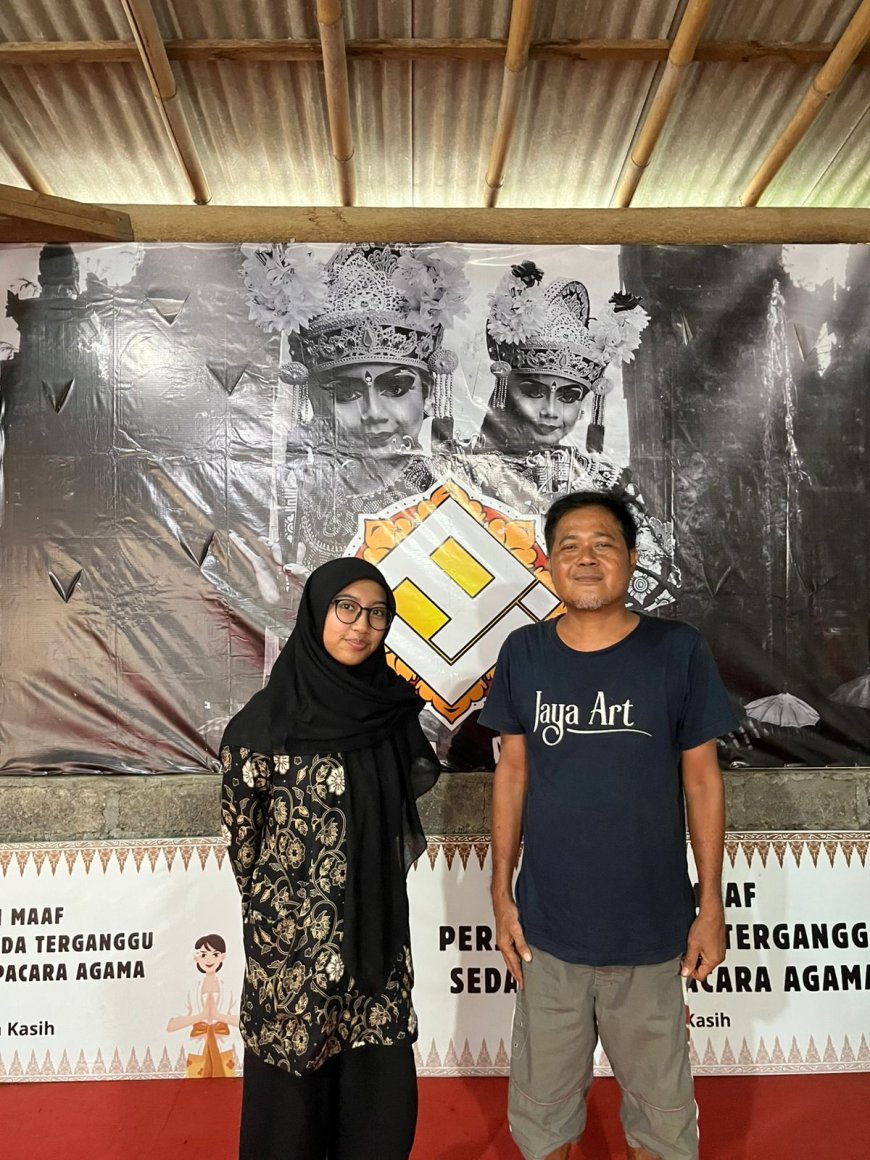
Sanggar Jaya Art is managed by its head, I Nyoman Widnyana, who is familiarly known as Mang Lejug, along with two instructors. Most of the studio members are children and teenagers who are introduced to traditional Balinese arts from an early age.
According to Mang Lejug, the studio was formed as a positive space for young people. Here, they do not only learn dance or gamelan techniques, but also values such as discipline, togetherness, responsibility, and mutual respect through art.
Learning Dance: Movement, Feeling, and Process
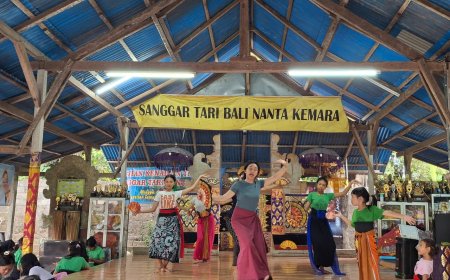
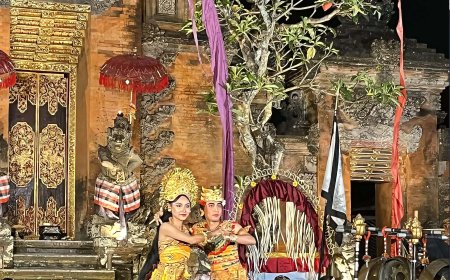
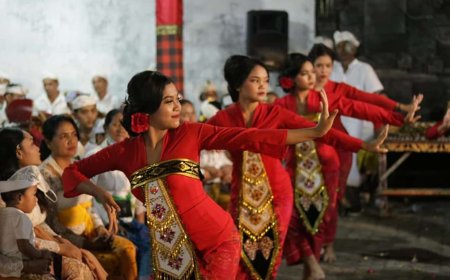
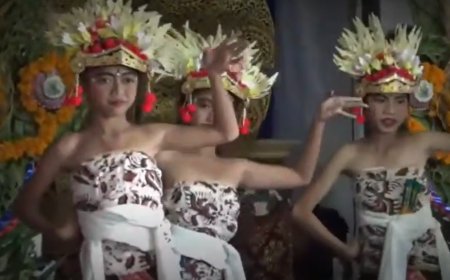
Traditional Balinese dance training is one of the main activities at Sanggar Jaya Art. The learning process begins with basic movements, body posture, and gradually moves toward understanding expression and feeling in dance. Each member is trained step by step according to their abilities.
The training atmosphere is relaxed yet disciplined, allowing children to feel comfortable and enjoy the learning process. Through dance practice, members not only master movements but also learn confidence, focus, and appreciation for the learning journey.
The Sounds of Gamelan that Bring People Together
Besides dance, gamelan practice is an important part of daily life at the studio. The sound of gamelan instruments marks ongoing training activities. Learning tabuh is done gradually, starting from recognizing the instruments to playing compositions used in ceremonies and performances.
Each player has a specific role. Gamelan music can only sound harmonious when played together in unity. Through this process, values of togetherness and cooperation naturally grow among the members.
Bamboo Carving and Penjor Making
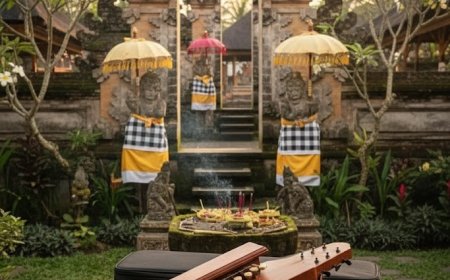
Sanggar Jaya Art is also actively involved in making penjor and ceremonial crafts. The process includes carving bamboo, arranging decorations, and assembling penjor ready for use during religious celebrations.
These activities become more intense ahead of major religious days. Members are directly involved in every stage, helping them understand that Balinese art is not only performed on stage, but is also an important part of ceremonial life filled with meaning.
Ongoing Activities
Activities at Sanggar Jaya Art are carried out regularly and continuously. Training schedules are adjusted to the availability of members, especially those who are still in school. In addition to routine practice, the studio is active during performances, traditional ceremonies, and orders for penjor and ogoh-ogoh. This consistency is the key to sustaining art and culture.
As an art learning space, Sanggar Jaya Art has the following regular training schedule:
Saturday: 10:00 a.m. – 1:00 p.m.
Sunday: 3:00 p.m. – 6:00 p.m.
Keeping the Younger Generation Interested
Mang Lejug realizes that the biggest challenge today is maintaining young people’s interest amid the influence of technology and modern entertainment. However, with a relaxed, enjoyable approach and by directly involving members in traditional activities, traditional arts can still be appreciated and practiced with enthusiasm.
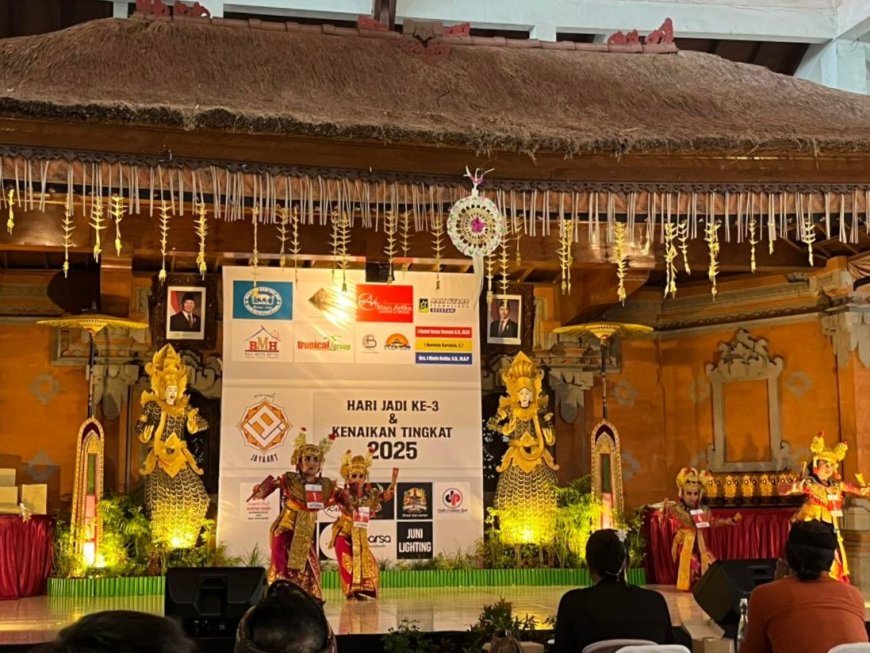
Taksu That Continues to Live
Sanggar Jaya Art is not just a place to practice art, but also a space to preserve Balinese cultural values. From the sound of gamelan, dance training, to carving bamboo for penjor, everything is done with sincerity and togetherness.
Amid the rapid development of Nusa Dua as a tourism destination, Sanggar Jaya Art stands firm as a guardian of traditional arts. As long as there are young people willing to learn, play gamelan, dance, and carve bamboo for penjor, the taksu of Balinese art will continue to live and be passed down sustainably—just as reflected in the meaning of the word Jaya, the name of this studio.