














Goddess Yamuna: The Tale of the River Goddess Who Forges Love and Life on Earth
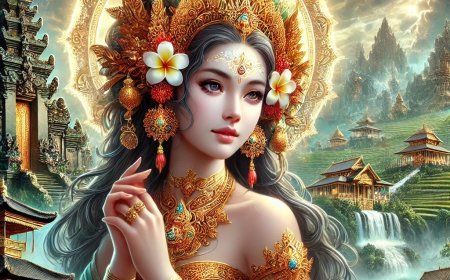
Goddess Yamuna, daughter of Lord Surya and Goddess Saranyu, sacrificed her life in heaven to become a sacred river that brings blessings and purification to mankind. With the power of her waters, she cleanses sins and gives new life. Her story of sacrifice and love makes her an immortal and revered goddess in Hindu mythology.

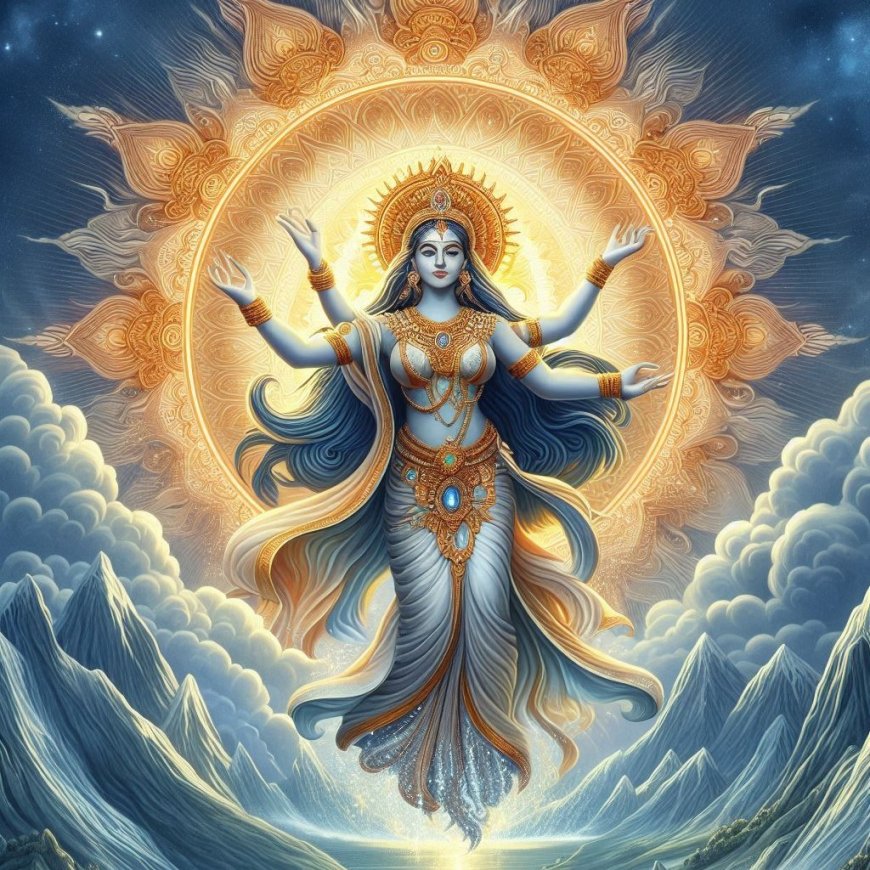
Goddess Yamuna is the daughter of Surya, the sun god, and Saranyu (or Sanjna), who is the daughter of Vishwakarma, the god of architecture. Saranyu is the wife of Surya, but unable to endure the intense heat radiated by her husband, she fled from him after giving birth to their children. Before leaving, Saranyu left her shadow, Goddess Chhaya, to take her place as Surya’s wife, without his knowledge. From the union of Surya and Saranyu, Yamuna and her twin brother Yama were born, with Yama later becoming the god of death. Yamuna’s birth holds significant meaning in Hindu mythology. Coming from a family of gods, Yamuna was destined to play a major role in maintaining the balance of life on earth.
From the beginning of her life, Goddess Yamuna exhibited beauty and strength inherited from her father, Surya. Like sunlight that brings life, Yamuna carried a pure energy that flowed gently, becoming a source of life for the beings around her. However, from a young age, Yamuna grew up without the presence of her mother, who chose to leave her husband and children. Despite her efforts to be a good mother, Goddess Chhaya could not replace the lost affection of a biological mother.
As the daughter of the sun god, Goddess Yamuna grew up in the heavenly realm, filled with beauty and happiness. She enjoyed her childhood there, surrounded by other gods and goddesses, and received divine education on cosmic values and her responsibilities as a goddess. Even so, Yamuna felt an emotional distance from her biological parents, particularly her mother, Saranyu. Saranyu’s departure to escape Surya’s intense heat left an emptiness in Yamuna’s heart. Goddess Chhaya, who replaced Saranyu as her mother, had a limited love for Yamuna. This sense of loss shaped Yamuna's character, leading her to seek peace beyond her own world.
In her daily life in heaven, Goddess Yamuna had a close relationship with her twin brother, Yama. They often played together, shared experiences, and formed a very strong bond. Yama greatly protected Yamuna, whom he saw as the embodiment of purity and tranquility. Yamuna also frequently reflected on the role she was meant to play in the cosmos, particularly regarding water, the element she identified as a part of herself. In Hindu mythology, water is considered a primordial element that sustains life, and Yamuna understood that one day she would bring this element to the earthly realm, helping to maintain the balance of life on earth.
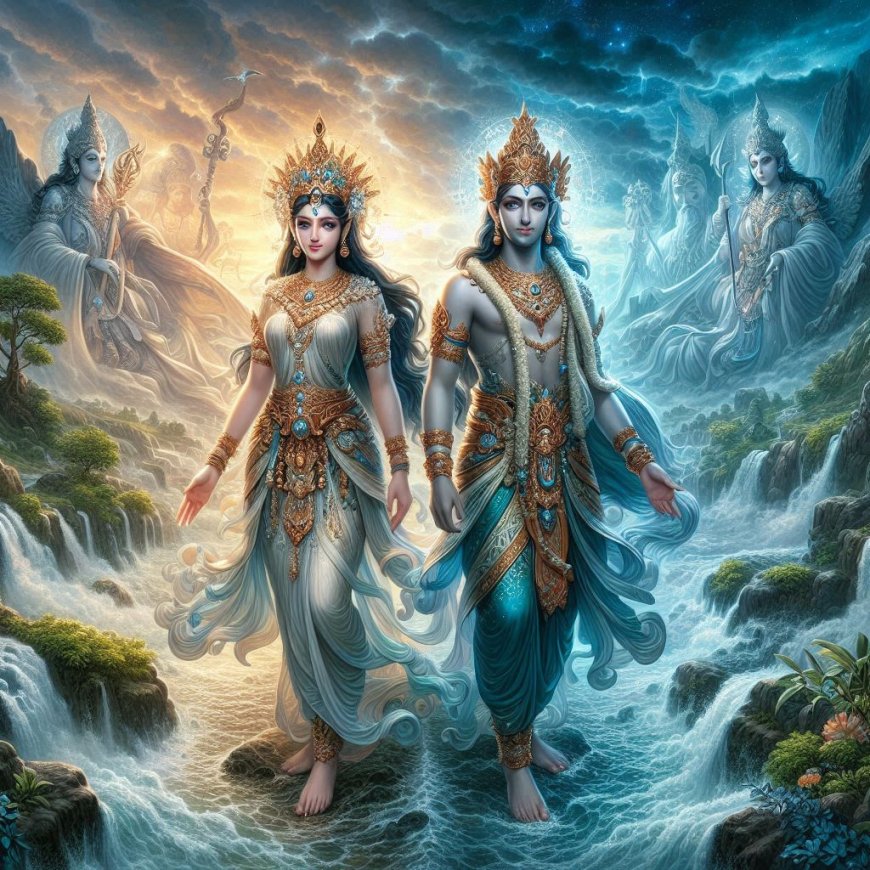
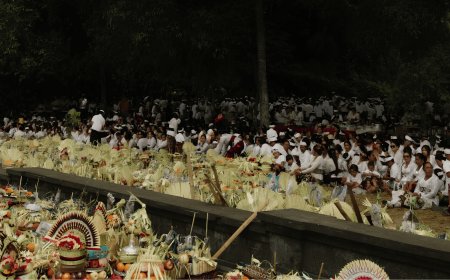
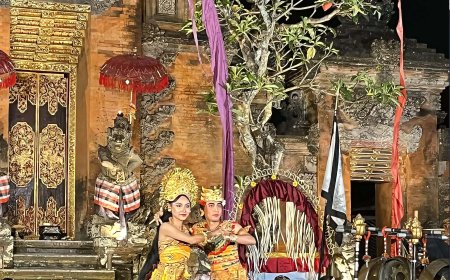
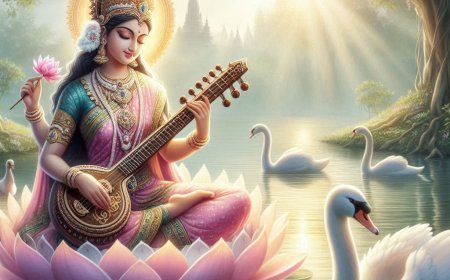
The Close Bond between Goddess Yamuna and God Yama (Source: Personal Collection)
Yamuna and Yama shared a deep bond since childhood. As twins, they had a strong emotional connection. Yama, destined to become the god of death, was prepared to play a crucial role in the cycle of life and death, while Yamuna, as the embodiment of holy water, was destined to give life and purification. Despite their different cosmic roles, they supported each other wholeheartedly. Yamuna saw Yama as a protector and dependable figure, while Yama deeply respected his sister as the symbol of purity.
At one point in their lives, Yamuna invited Yama to her heavenly abode. Yamuna lovingly prepared a grand feast for Yama, showing her affection as a sister. Impressed by her care, Yama granted his sister a blessing. He promised that anyone who honored his sister on the same day every year (a day later known as Bhai Dooj or Yama Dwitiya) would be blessed with long life and happiness. This celebration became an important ritual in Hindu tradition, where sisters pray for their brothers' safety and well-being.
Despite being surrounded by her twin brother’s love and Chhaya’s care, Yamuna still felt an emptiness in her life. The loss of affection from her biological mother, Saranyu, left a deep emotional wound. Yamuna often reflected on this and felt detached from the realm of gods, even though she physically resided in heaven. Chhaya, acting as a stepmother, couldn’t provide the warmth and care Yamuna needed. Life in heaven became cold and rigid for her, even though she was recognized as a powerful and influential goddess.
In her search for love and peace, Yamuna began to view the Earth with compassion. She witnessed the suffering of living beings, who faced lives full of sin and hardship. Yamuna’s desire to give love and compassion grew stronger, and she decided to do something for the human world. Yamuna felt called to descend to Earth and use her power as a water goddess to help people purify themselves from their sins. This transformation of personal sorrow marked the beginning of Yamuna’s decision to leave the heavens and venture into the mortal world.
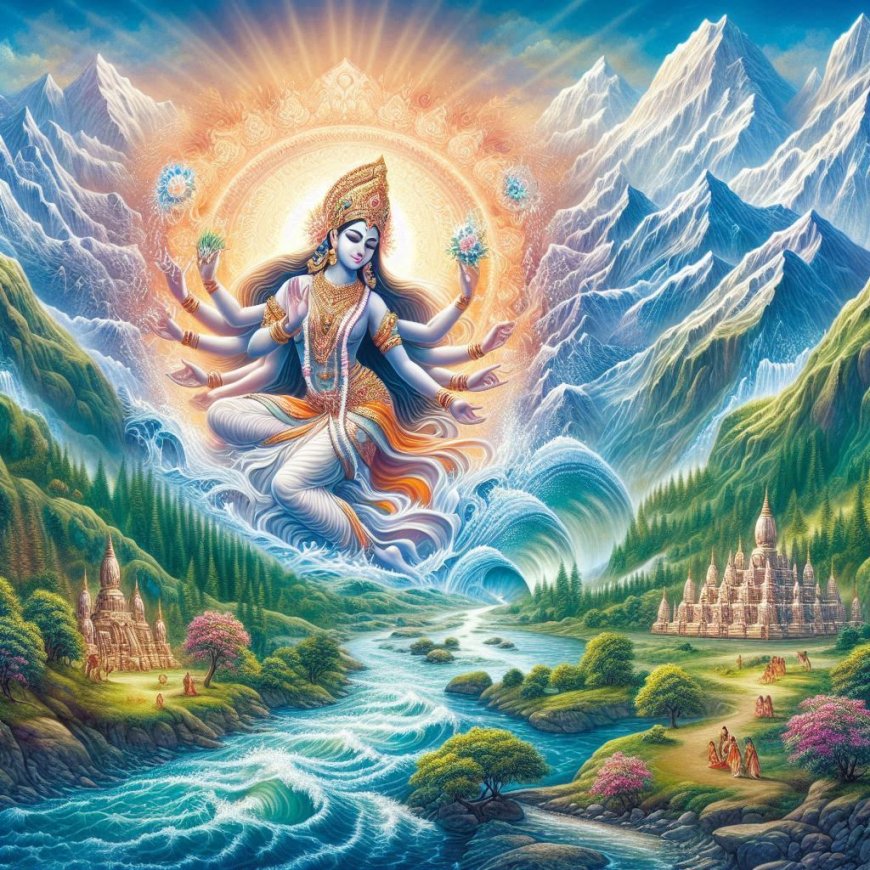
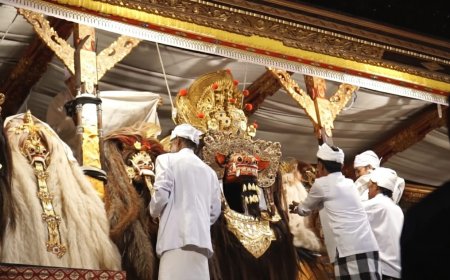
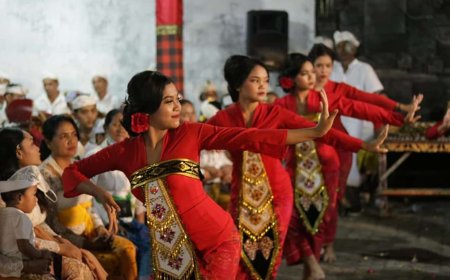
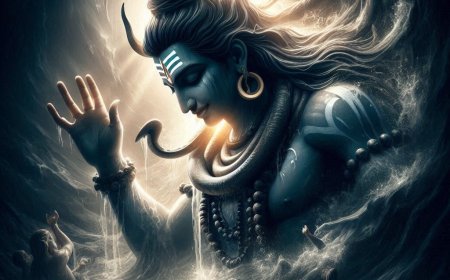
Goddess Yamuna Descends as a Sacred River (Source: Personal Collection)
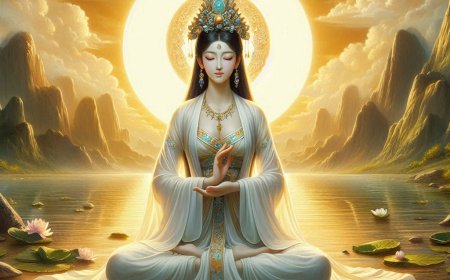
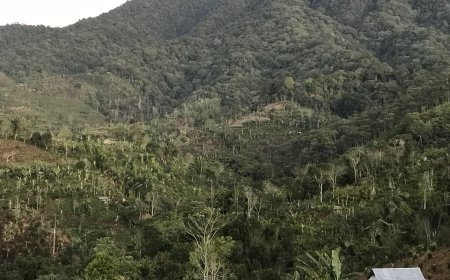
Yamuna eventually decided to descend to Earth and manifest as a sacred river. The Yamuna River flows from the Himalayas, passing through various regions of India, bringing blessings and life to those around it. As a river goddess, Yamuna provided pure water believed to have purifying powers. The Yamuna River’s water was thought to cleanse the sins of those who bathed in it, making it one of the most revered rivers in Hinduism. Yamuna’s decision to descend as a sacred river was an act of sacrifice and love for humanity.
As a river, Yamuna played a vital role in the ecosystem and spirituality of the people around it. Its water became a source of life for plants, animals, and humans, and was central to various religious rituals and ceremonies. Her presence as a river allowed humans to experience divine connection in everyday life. The Yamuna River was not only a physical source of pure water but also a spiritual symbol that cleansed hearts and souls from wrongdoing. Yamuna chose to live among humans, offering love, forgiveness, and purification to those who sought her.
In her earthly journey as a sacred river, Yamuna encountered Lord Krishna, an incarnation of Vishnu. Krishna frequently bathed in the Yamuna River with the gopis (milkmaids), and this interaction became one of the most famous stories in Hindu mythology. Yamuna felt deeply honored that her river’s waters were touched by Krishna, and in various stories, she is depicted as one of Krishna’s devoted followers. Some tales even suggest that Yamuna had feelings of love for Krishna, although this love was unrequited in a romantic sense.
Krishna respected Yamuna as the sacred river goddess and often bathed in her waters to purify himself. The interaction between Yamuna and Krishna symbolizes the relationship between humanity and nature, where both give and receive. Yamuna offered her waters as a form of service to Krishna and humanity, while Krishna, with his wisdom and love, taught the values of sacrifice and divine love to all who touched her waters. This meeting solidified the Yamuna River’s importance as not just a physical, but a spiritual river.
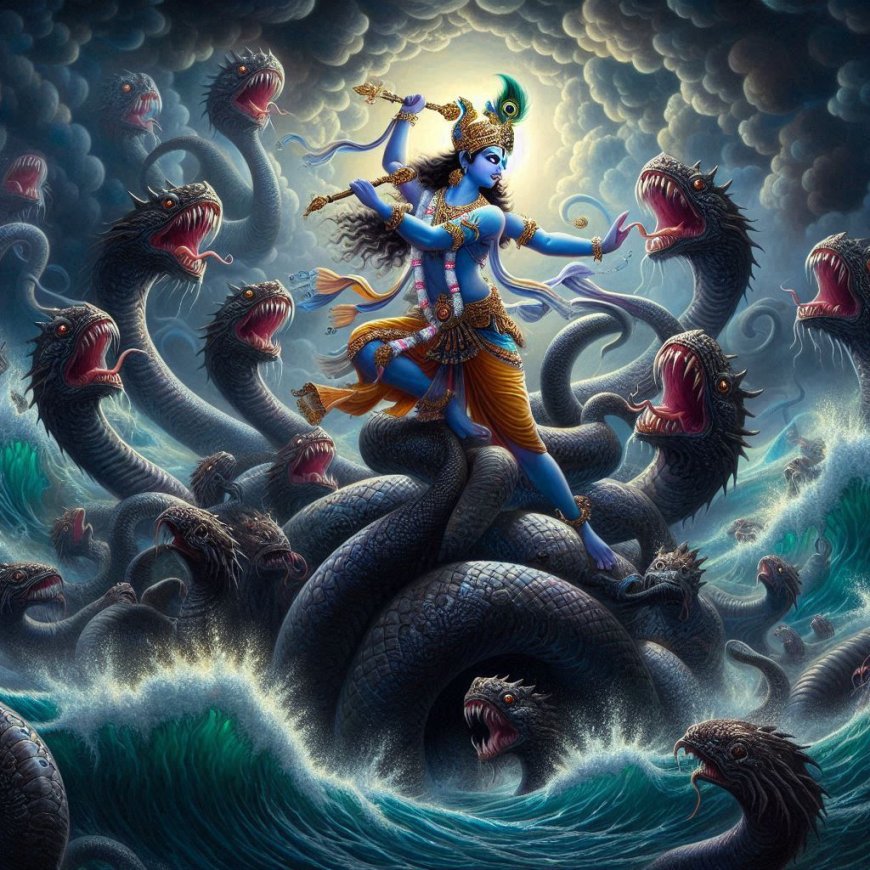
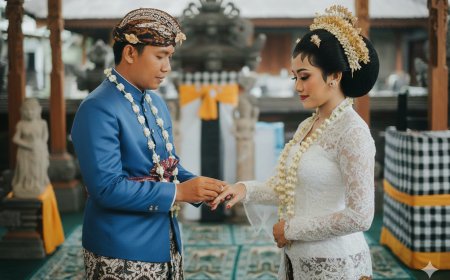
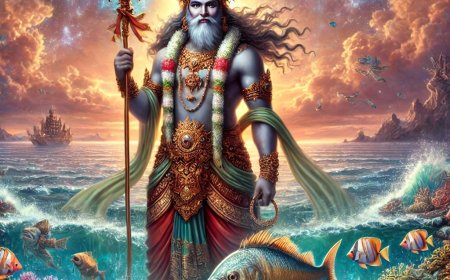
Illustration of the Battle between Lord Krishna and Kaliya (Source: Personal Collection)
One day, Yamuna faced a great challenge when a giant serpent named Kaliya poisoned her waters. Kaliya chose the Yamuna River as his home, and his venomous body made the river’s water dangerous for all living creatures. The poison not only contaminated the river physically but also threatened the spiritual life Yamuna offered. The creatures depending on the river began to suffer, and Yamuna felt powerless against this threat.
Yamuna then prayed to Lord Krishna to save her from Kaliya’s menace. Krishna, who always helped those who called upon him, immediately came to the Yamuna River and fought Kaliya. After a fierce battle, Krishna subdued Kaliya and commanded him to leave, restoring the river’s purity. This story illustrates Yamuna’s strength as a goddess who, despite her gentle and loving nature, could overcome great challenges with divine assistance. The Yamuna River once again became a source of purification and life for those who revered her.
After overcoming the trial of Kaliya, Yamuna was further revered as a goddess who brought love and forgiveness to humanity. Many temples were built along the Yamuna River to honor this goddess, and thousands of pilgrims came daily to its banks to bathe, pray, and seek blessings. Yamuna became a symbol of unconditional love and endless sacrifice, always ready to offer purification and life to those in need. Her presence on Earth represented the connection between the divine and the mortal world, where love and kindness flowed endlessly.
Yamuna’s stories are widely told in various sacred Hindu texts, including the Puranas and the Mahabharata. As a goddess directly connected to the daily lives of humans, Yamuna is always considered a protective figure, ready to help those who pray with sincerity. Her honor lies not only in her ability to grant physical blessings but also in her spiritual power to help humans find inner peace. Yamuna became one of the most beloved and revered goddesses in Hindu tradition.
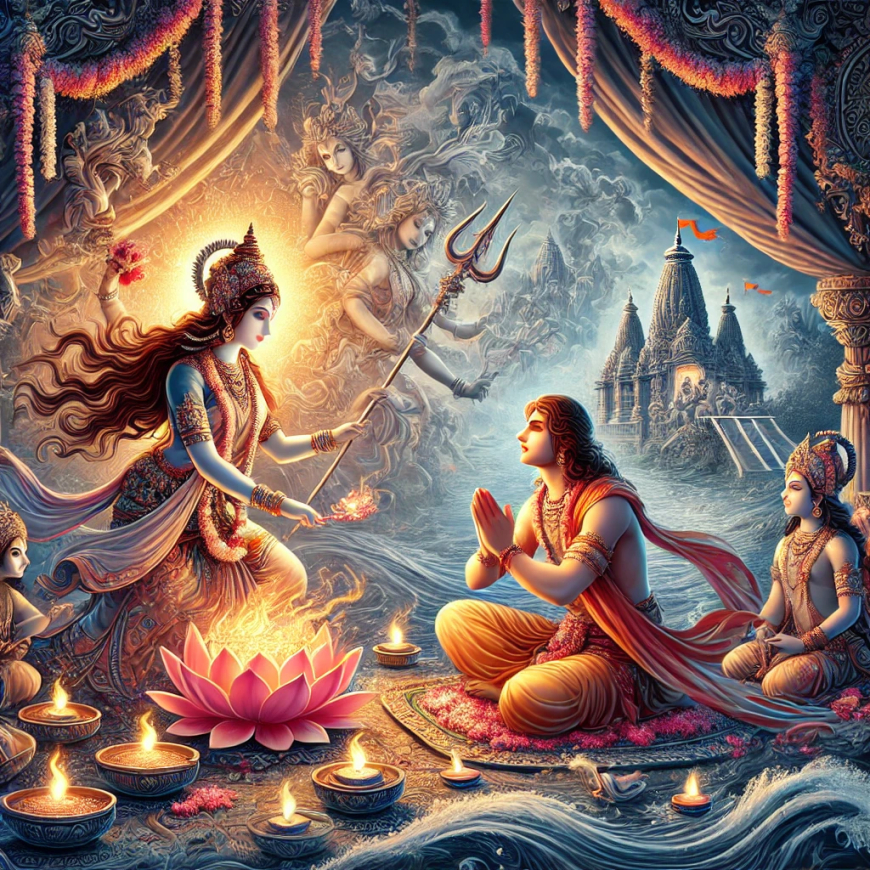
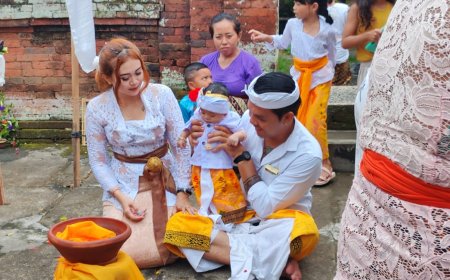
Illustration of the Bhai Dooj Ritual (Source: Personal Collection)
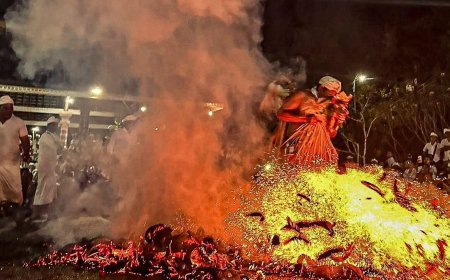
The Bhai Dooj festival, which is part of the Diwali celebrations, is one example of how Yamuna is honored in Hindu tradition. This festival commemorates the bond between brothers and sisters, with its origins tracing back to the story of Yamuna and Yama. During Bhai Dooj, sisters offer prayers and gifts to their brothers, asking Yama to bless them with long life and happiness. As part of the celebration, many also bathe in the Yamuna River to cleanse themselves of sins and seek blessings for their families.
Aside from Bhai Dooj, the Yamuna River plays an important role in other rituals, especially in northern India, where the river flows. The Yamuna River is an integral part of the spiritual and social lives of the people in these regions. It represents not only a goddess’s love and forgiveness but also the essence of life itself. Just as Yamuna chose to live among humans and offer her water for their purification, her stories inspire people to live lives filled with love, forgiveness, and selflessness.
Goddess Yamuna reached immortality as a goddess after going through various challenges, sacrifices, and service to humanity. Although she descended to Earth as a sacred river, her presence transcends the physical form. Goddess Yamuna is ever-present in the prayers, rituals, and beliefs of millions who rely on her for purification and blessings. Her life as a goddess who interacts with the human world shows how love and devotion can flow endlessly, bringing life and purity wherever she goes.
The Yamuna River itself may one day dry up or change its course due to natural changes, but Goddess Yamuna, as a divine goddess, will always live in the hearts of those who honor her. She is a symbol of eternal divine compassion, always giving selflessly, and serves as a reminder that life, despite its challenges, can always be renewed through love and forgiveness. To this day, Goddess Yamuna remains one of the most important goddesses in Hindu mythology, where her presence continues to offer hope, strength, and peace to humanity.