









Sri Kresna Kepakisan and the Beginning of a New Dynasty in 14th-Century Bali
This article discusses the role of Sri Kresna Kepakisan as the first ruler of the Kepakisan Dynasty in 14th-century Bali after the Majapahit conquest. His appointment by Majapahit marked the birth of a new dynasty in Bali, which brought significant changes to the island’s political, social, cultural, and religious structures. From his administrative center in Samprangan, Gianyar, he successfully created political stability while preserving local traditions.

The history of Bali cannot be separated from the political and cultural dynamics that developed in the Indonesian archipelago. During the Bali Kuna period, kings such as Udayana Warmadewa and Anak Wungsu brought Bali to a period of prosperity. However, in the 13th to early 14th century, Bali faced division and weakening power. The rule of King Bedahulu declined, small rulers emerged, and internal conflicts often occurred. This unstable situation opened the way for the Majapahit Kingdom from Java to expand its influence to Bali.
The Majapahit military expedition to Bali was led by Mahapatih Gajah Mada in 1343, during the reign of King Hayam Wuruk. The resistance of the last Bali Kuna king, known as Bedahulu, was eventually defeated. This victory marked the end of the independent Bali Kuna kingdom. However, Majapahit did not govern Bali directly; instead, it appointed a Javanese nobleman as the local ruler. This figure was Sri Kresna Kepakisan, who later became the founder of a new dynasty in Bali.
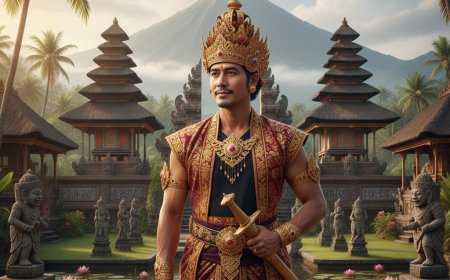
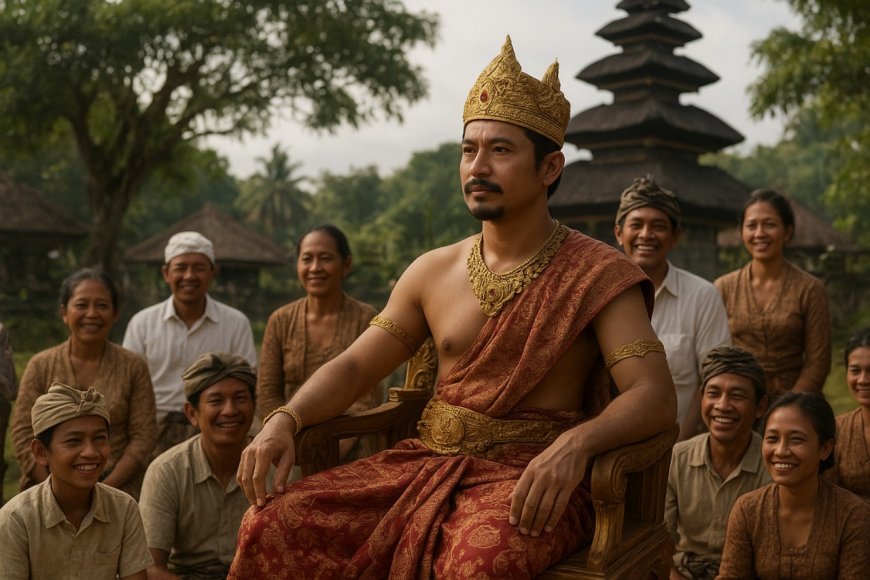
Sri Kresna Kepakisan (also known as Sri Aji Kresna Kepakisan, Ida Dalem Wawu Rauh, or Dalem Tegal Besung) became an important figure in Balinese history. Under his rule, a new dynasty called the Kepakisan Dynasty was formed. He was officially appointed as king by Majapahit in 1352 CE to restore order and manage Bali’s government. Although he ruled in the 14th century, this dynasty continued through his descendants until 1908, when the Kingdom of Klungkung was conquered by the Dutch in Bali.
Sri Kresna Kepakisan was chosen by Majapahit to lead Bali because he was considered capable of maintaining stability and loyal to Majapahit. He was placed in Samprangan, Gianyar, as the first center of the Kepakisan Dynasty’s rule, which later gave birth to major kingdoms such as Gelgel and Klungkung. From Samprangan, Sri Kresna Kepakisan arranged a more organized system of government, combining Majapahit regulations with Balinese traditions. This marked a new political era for Bali. Power that had once been divided across regions was reunited. Although under Majapahit authority, Bali was still allowed to maintain its own customs, religion, and culture. The Kepakisan Dynasty developed into one of Bali’s most powerful noble families. From his descendants came local rulers who later formed smaller kingdoms across Bali after Majapahit’s decline.
The presence of Sri Kresna Kepakisan had a great impact on Balinese society. In politics, he created stability after years of conflict. Bali became part of the Majapahit system while still preserving its local wisdom. In social and cultural aspects, the arrival of nobles and officials from Java encouraged acculturation. This was seen in temple architecture, literary works, and religious ceremonies that reflected a blend of Balinese traditions and Javanese Majapahit influence. In religion, Hindu-Balinese practices became more deeply rooted. Teachings from Java were combined with local traditions, creating a unique Balinese Hindu system that still exists today. The Kepakisan Dynasty also produced descendants who spread across Bali. From them came rulers who later established kingdoms such as Klungkung, Buleleng, and Karangasem.
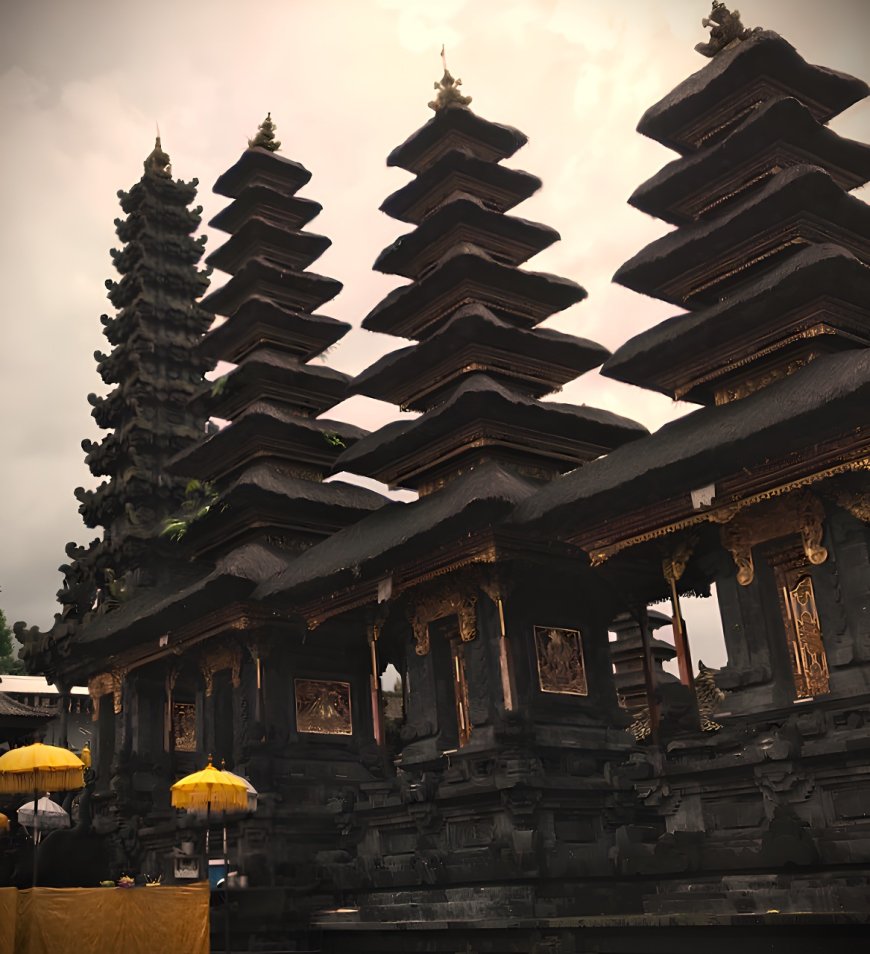
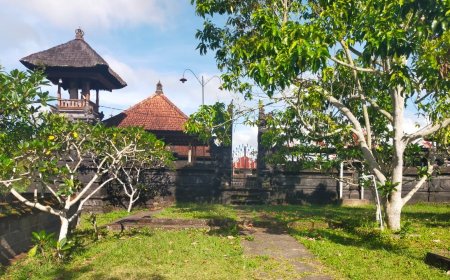
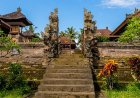
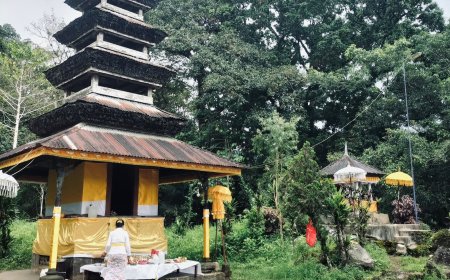
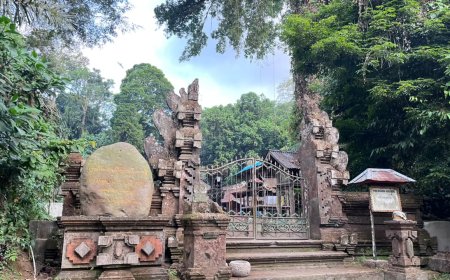
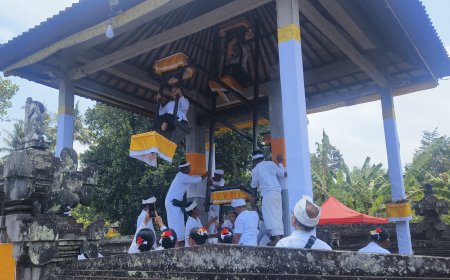
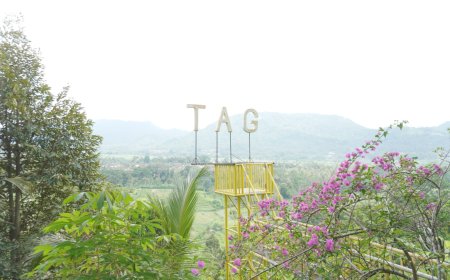
Pura Pedharman Sri Aji Kresna Kepakisan (Photo Source: Private Collection)
Samprangan was the first center of Sri Kresna Kepakisan’s rule. In this area, there are several sacred places connected to the Kepakisan Dynasty. One of them is Pura Pedharman Sri Aji Kresna Kepakisan located in the Besakih Temple complex, the largest and most sacred temple in Bali. This temple is believed to be the resting place of Sri Kresna Kepakisan and is an important point in Balinese spiritual tradition.
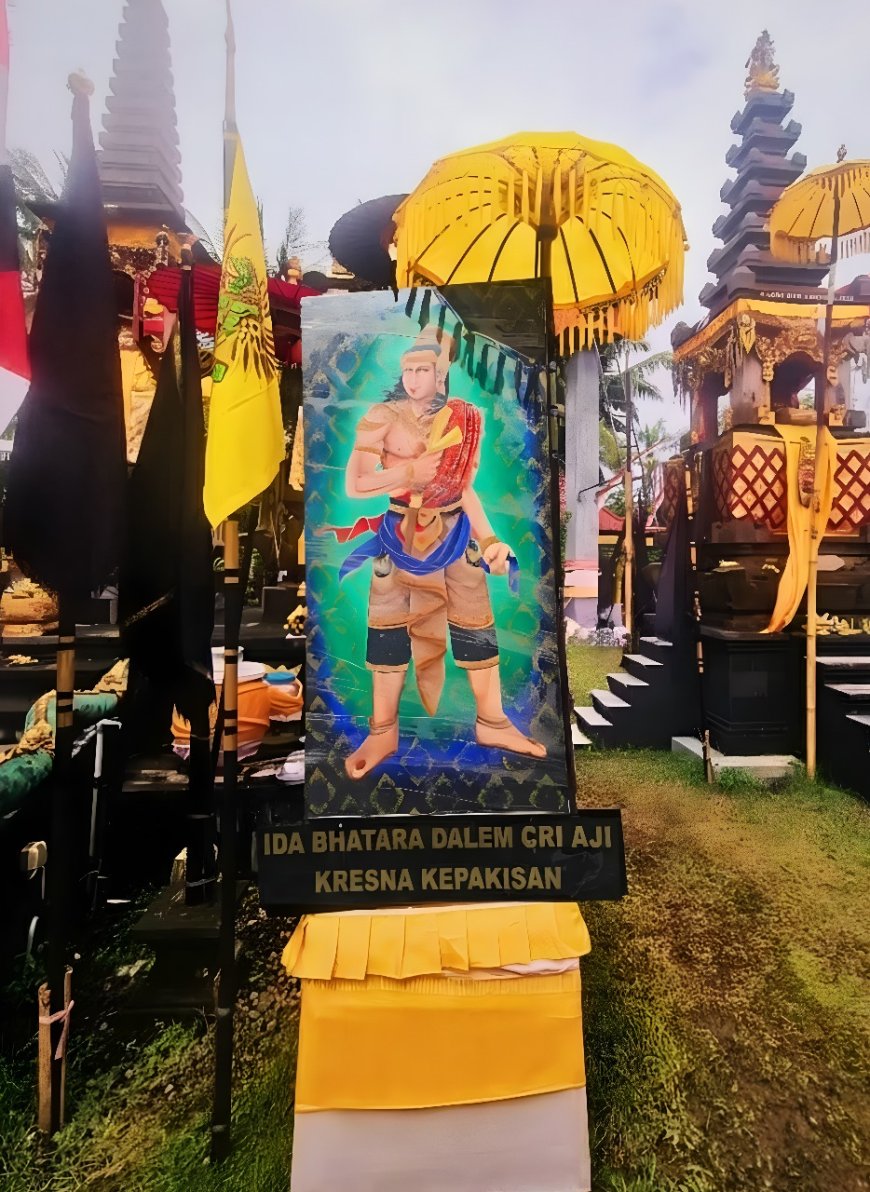
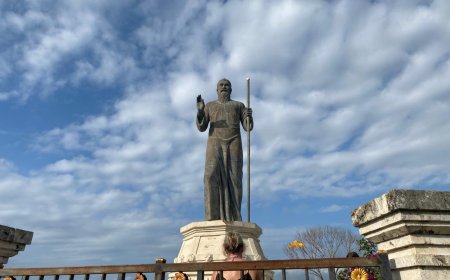
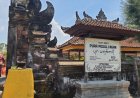
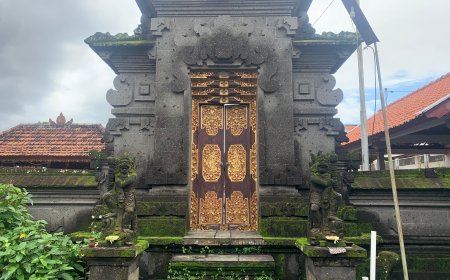
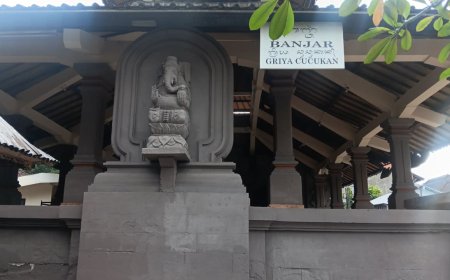
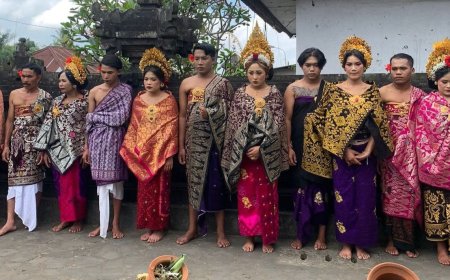
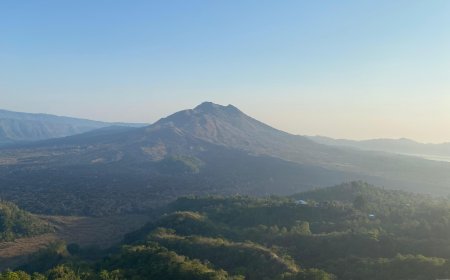
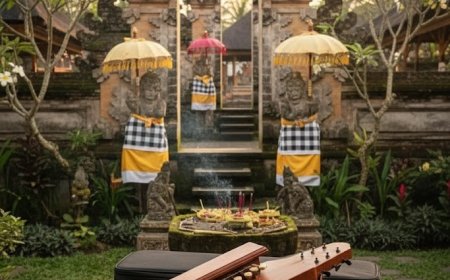
Pura Prasada Lingga (Photo Source: Private Collection)
Another sacred site is Pura Prasada Lingga, which symbolizes the beginning of rule and the new power of the Kepakisan Dynasty in Bali.
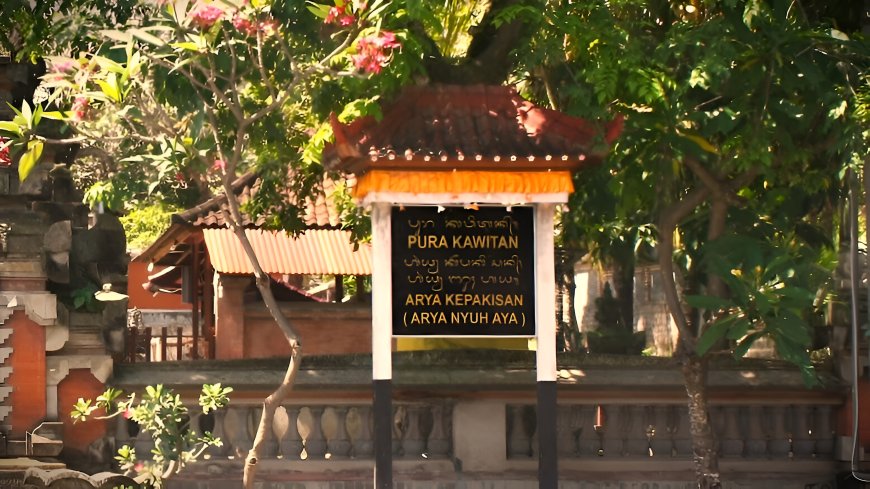
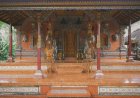
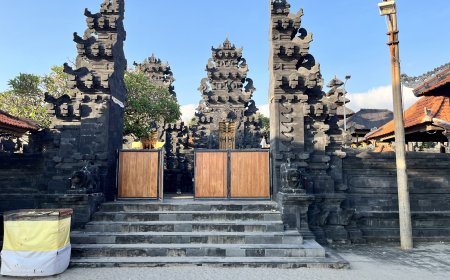
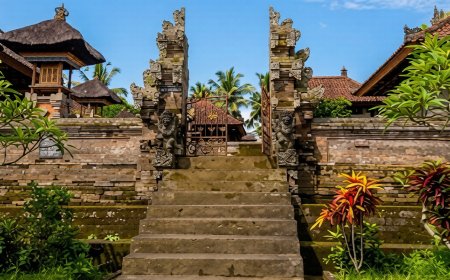
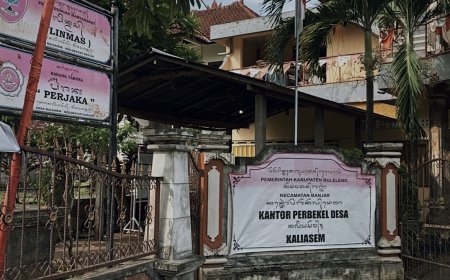
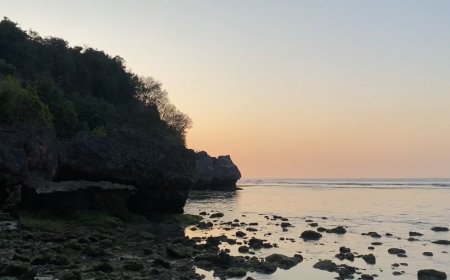
Pura Kawitan Arya Kepakisan (Photo Source: Private Collection)
Evidence of the dynasty also appears in Pura Kawitan Arya Kepakisan in Nyuh Aya Village, Klungkung. A kawitan temple is a family ancestral temple, built for a specific lineage. In this case, it serves as the ancestral worship place for the descendants of Sri Kresna Kepakisan and as a center of kinship identity that is still preserved today.
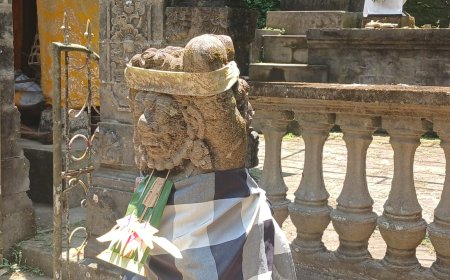
Therefore, these temples are not only sacred places but also historical sites that show the continuity of the Kepakisan Dynasty from the 14th century until today.
References
Ardika, I Wayan, et al. Sejarah Bali: Dari Prasejarah hingga Modern. 2013. Udayana University Press.
Pemerintah Kabupaten Karangasem. Sejarah Sri Kresna Kepakisan. 2021. Karangasemkab.go.id.
Wijaya, I Wayan Kandi; Rai, Anak Agung Gede; and Nityasa, NPN. Manajemen dan Kepemimpinan Karya Agung Memungkah pada Pura Pedharman Dalem Sri Aji Kresna Kepakisan Besakih Kabupaten Karangasem Bali. 2021. Mudra Jurnal Seni Budaya, Vol. 36 No. 3.
Alit, Dewa Made. Strategi Politik Majapahit Menaklukan Kerajaan Bali 1352–1380 M. 2019. Social Studies, Vol. 10 No. 2.