





The Legacy of Mpu Ghana: Guardian of Spiritual Order in the Island of Dewata (1000 AD)
Mpu Ghana was one of the Panca Pandita who arrived in Bali around the year 1000 AD during the reign of King Udayana Warmadewa. Mpu Ghana followed the Ghanapatya teachings and lived as a sukla brahmacari. His place of worship is located at Pura Dasar Buana Gelgel, Klungkung, Bali. Together with other Mpu, Mpu Ghana played an important role in reorganizing religious life in Bali, including formulating the concept of Kahyangan Tiga. For his contributions in maintaining the balance between custom and religion, he is remembered as the “Guardian of Spiritual Order” in Bali.

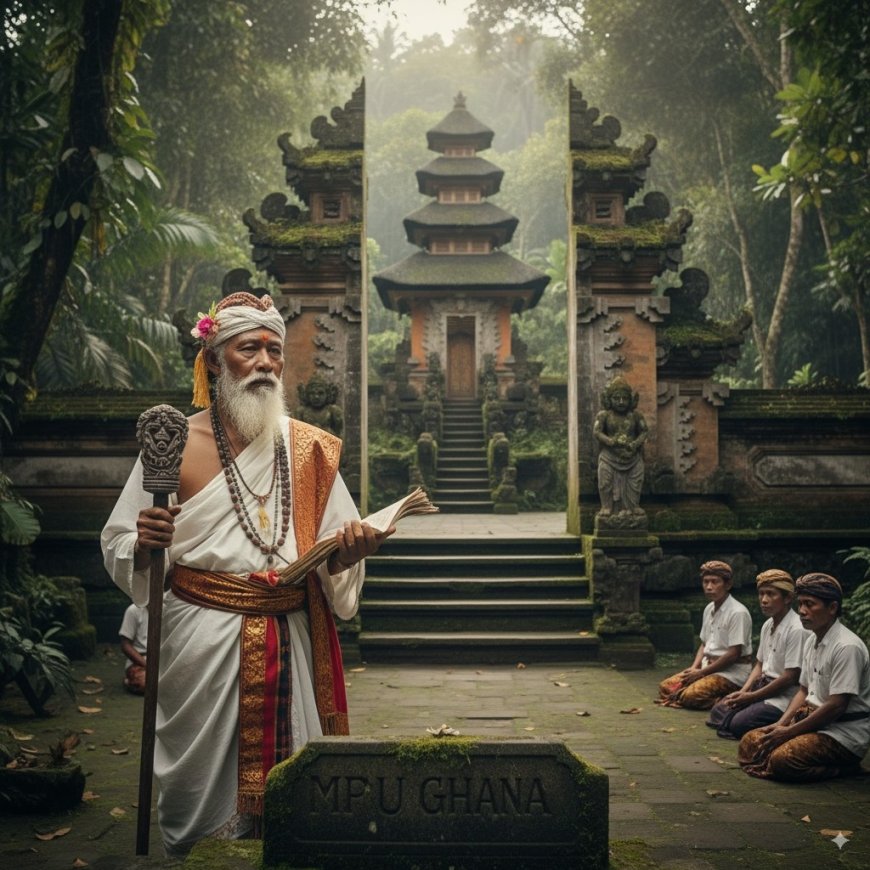
Bali is an island that is not only known for its natural beauty, but also for its rich traditions and spirituality. One of the figures who played an important role in the cultural history of Bali and is still remembered today is Mpu Ghana. He was a spiritual figure who had a vital role in maintaining Bali’s spiritual order. Mpu Ghana was part of the Panca Pandita. His legacy can be found not only in ancient chronicles (babad), but also in the temples (pura) and religious practices that still exist today.

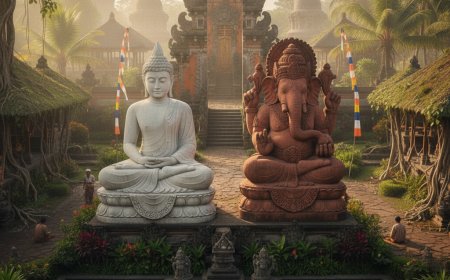
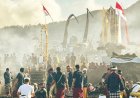
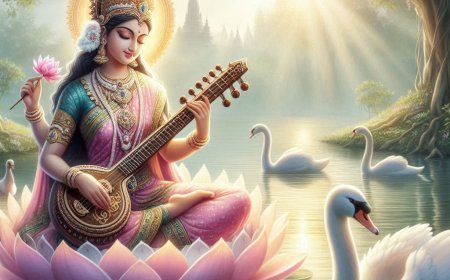
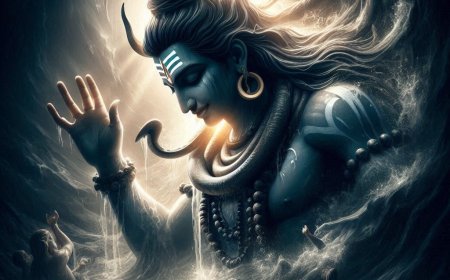
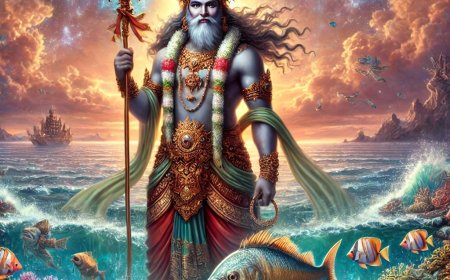
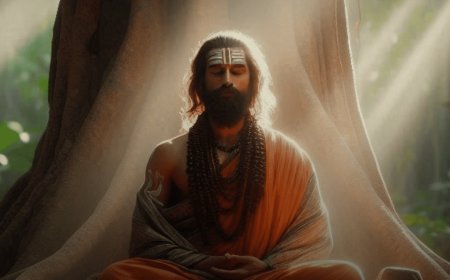
Illustration AI Panca Pandita (Source: Personal Collection)
The holy figure Mpu Ghana is closely associated with five related figures known as the Panca Pandita or Panca Tirtha. These sacred figures consist of Mpu Gnijaya, Mpu Semeru, Mpu Ghana, Mpu Kuturan, and Mpu Bharadah. The five of them were deeply connected with the establishment of many sacred temples in Bali. They played an important role in developing the teachings of Siwa-Buddha and Hindu Dharma, which became the unifying foundation of the island of Bali.
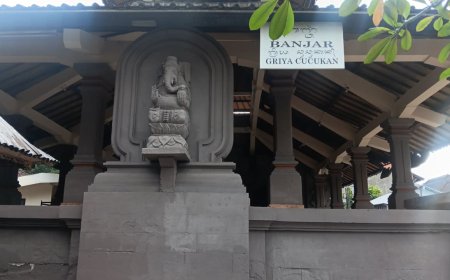
Mpu Ghana came to Bali around the year 1000 AD, during the reign of King Udayana Warmadewa and Gunapriya Dharmapatni. He originated from East Java and settled in Pura Dasar Buana Gelgel, Klungkung. He followed the Ghanapatya sect, a spiritual path centered on the worship of Lord Ganesha. In addition, Mpu Ghana practiced sukla brahmacari throughout his life, meaning he lived in celibacy and spiritual devotion. This shows that he was a model Brahmana, known for his austerity (tapa brata) and self-discipline.
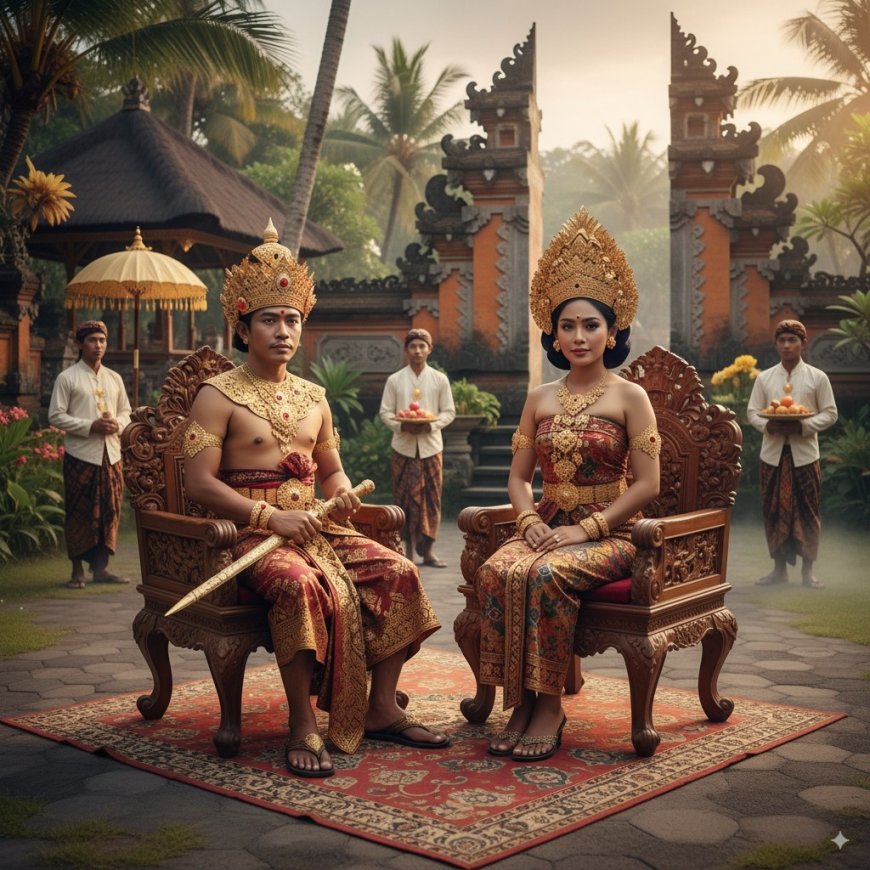
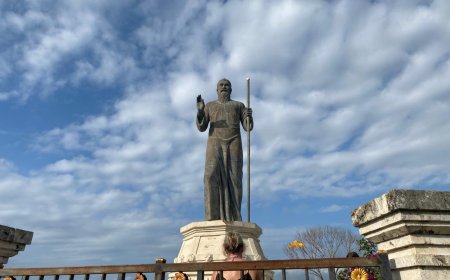
Illustration AI King Udayana Warmadewa and Gunapriya Dharmapatni (Source: Personal Collection)
Mpu Ghana is known as the “Guardian of Spiritual Order” for several reasons. Together with other Mpu, he helped reorganize the religious structure of Bali. The Kahyangan Tiga system (pura desa, pura puseh, and pura dalem), which remains the foundation of Balinese traditional life to this day, originated from the ideas of the Panca Pandita, especially Mpu Kuturan, with the support of Mpu Ghana and the other Mpu. During that time, the Balinese kingdom was under strong Javanese cultural influence. The presence of Mpu Ghana helped harmonize Javanese Hindu teachings with Balinese traditions, allowing the people to embrace change without losing their local cultural roots.
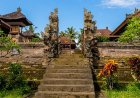
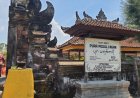
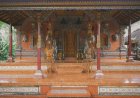
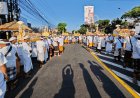
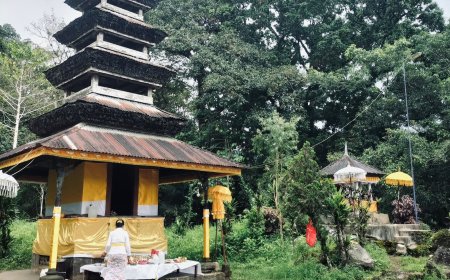
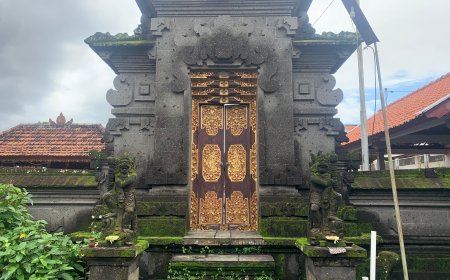
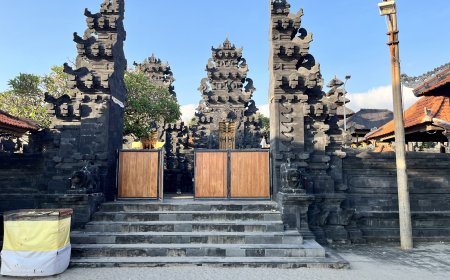
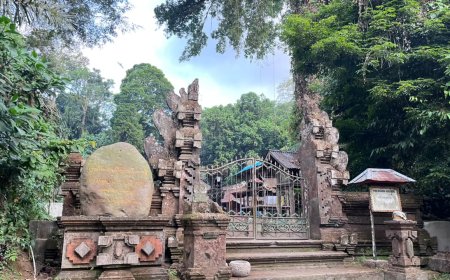
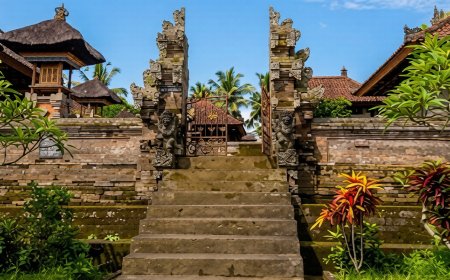
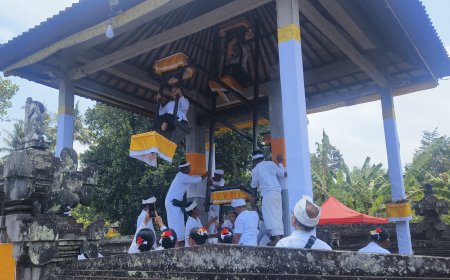
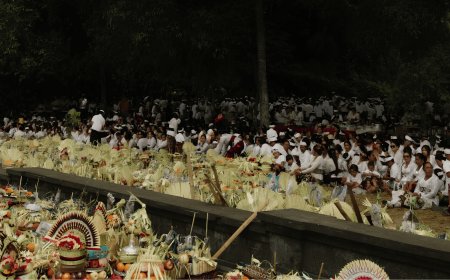
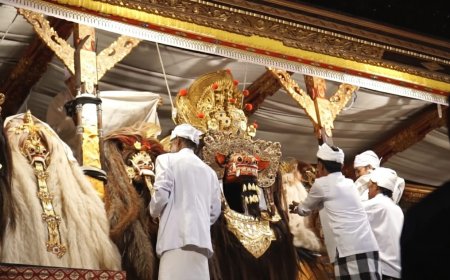
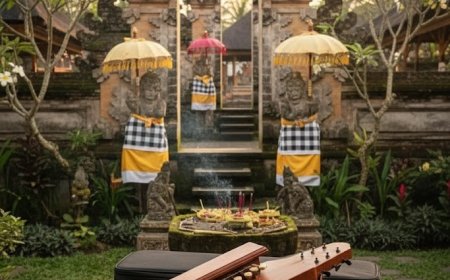
The physical legacy of Mpu Ghana can be found at Pura Dasar Buana, located in Gelgel, Klungkung, Bali. This temple stands on a site believed to be where Mpu Ghana meditated. Later, Mpu Dwijaksara built the temple in 1267 AD as a tribute to Mpu Ghana. Today, Pura Dasar Buana is regarded as a Pura Dang Hyang Kahyangan Jagat, revered by Hindus from all over Bali. Every six months, a piodalan ceremony is held at Pura Dasar Buana Gelgel, which falls on Soma Kliwon Kuningan. In addition, during Purnama Kapat, a grand ceremony called Ngusaba Kapat is celebrated as an expression of gratitude for divine blessings and the abundance of nature. This tradition represents the teachings of Mpu Ghana about the harmony between nature, humanity, and Sang Hyang Widhi (God Almighty).
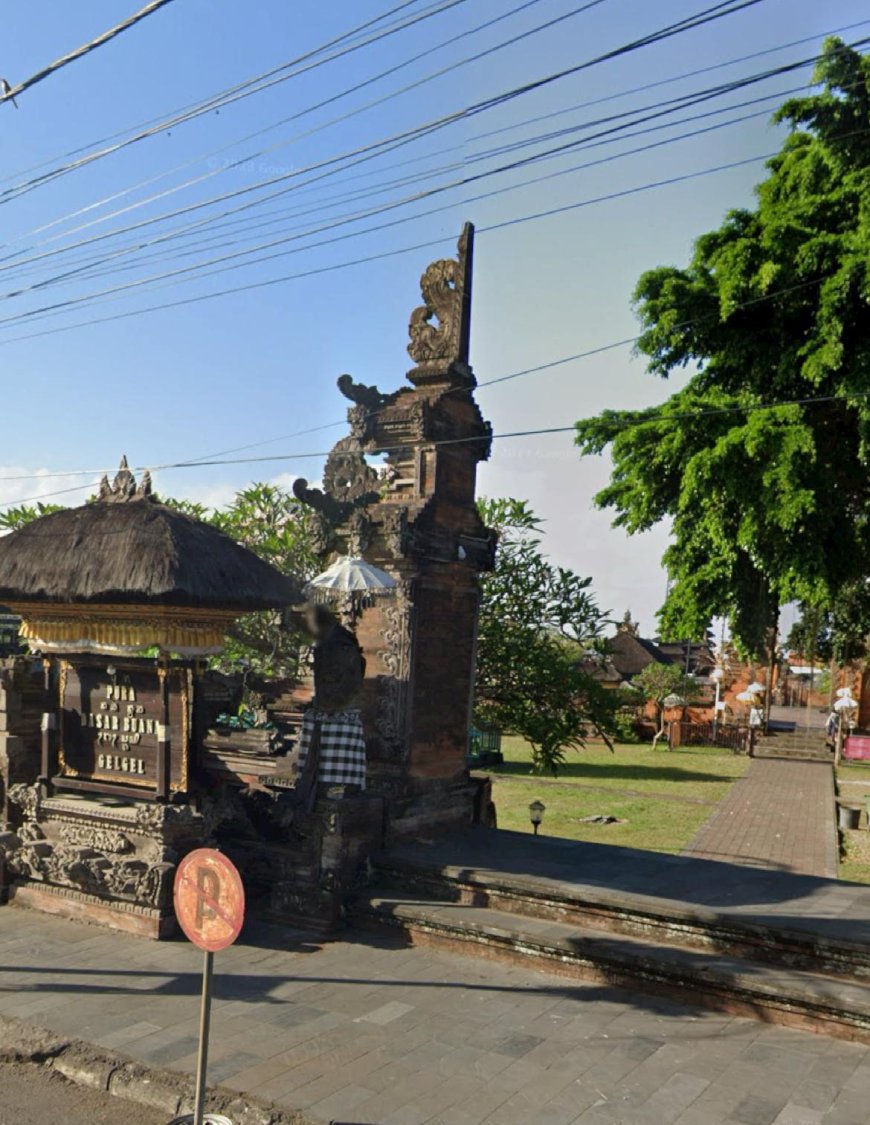
Pura Dasar Buana (Source: Personal Collection)
When Balinese Hindus perform prayers at Pura Dasar Buana or mention the name Mpu Ghana in stories, they are, in essence, preserving their collective memory. This revered figure taught that religion and tradition are not opposing forces, but can instead blend together in harmony.
The legacy of Mpu Ghana affirms that Balinese spirituality did not emerge instantly, but is the result of a long process of dialogue, organization, and dedication by sacred figures of the past. This is what makes Bali still known today as the Island of the Gods — not merely because of its magnificent temples, but because of the spiritual order that has been preserved for over a thousand years.
Source of Reference :
Mas, R. B. D. M., & Gingsir, I. N. D. (2000). Series of Babad Brahmana. Jakarta: Yayasan Diah Tantri.
Sukawana Village Government. (2018, October 29). The history of Sukawana Village. Retrieved September 23, 2025, from https://sukawana.desa.id/index.php/artikel/2018/10/29/sejarah-adanya-desa-sukawana
Soebandi, J. M. G. K. (2004). Babad of the Brahmana Community: Pandita Sakti Wawu Rauh (The Origins, Legacy, and Descendants of Danghyang Nirartha). Denpasar: PT Pustaka Manikgeni.