




Anak Wungsu: The Longest-Reigning Ruler and Guardian of the Warmadewa Legacy in the Island of the Gods
King Anak Wungsu was a ruler of Ancient Bali from the Warmadewa Dynasty who reigned for 28 years, from Saka 971 (1049 AD) to Saka 999 (1077 AD), with his seat of government in Tampaksiring, Gianyar. He was the youngest son of King Udayana and Sri Gunapriya Dharmapatni, and the younger brother of Airlangga and Marakata Pangkaja. His reign is regarded as the golden age of Ancient Bali, as it brought significant progress in political, social, economic, and cultural aspects.

King Anak Wungsu was one of the rulers of Ancient Bali from the Warmadewa Dynasty who reigned for a relatively long period, from Saka 971 (1049 CE) until Saka 999 (1077 CE). During his 28-year reign, Anak Wungsu successfully led Bali into a period of prosperity, excelling in politics, society, economy, and culture. His seat of government was located in Tampaksiring, Gianyar, which at that time became one of the important centers of the Balinese kingdom. His reign is considered one of the longest periods in the history of Ancient Balinese kingdoms, leaving behind a valuable legacy for the development of Balinese culture and civilization.
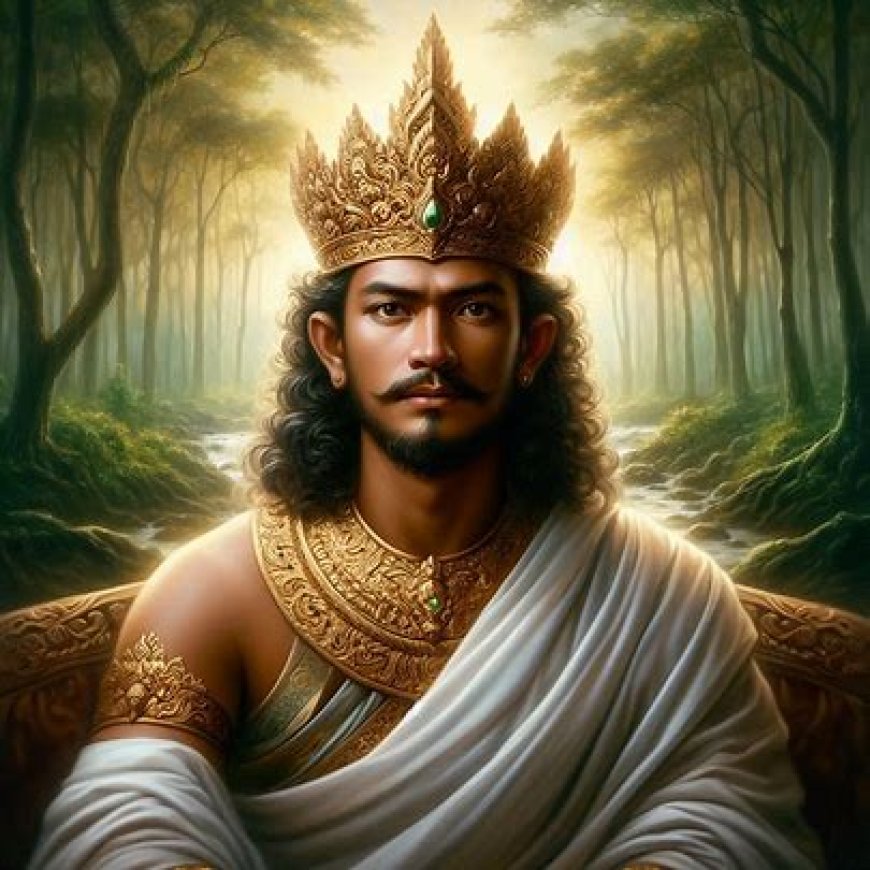
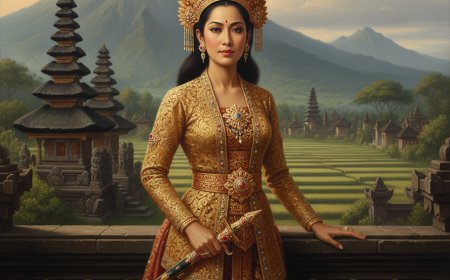
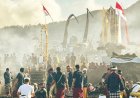
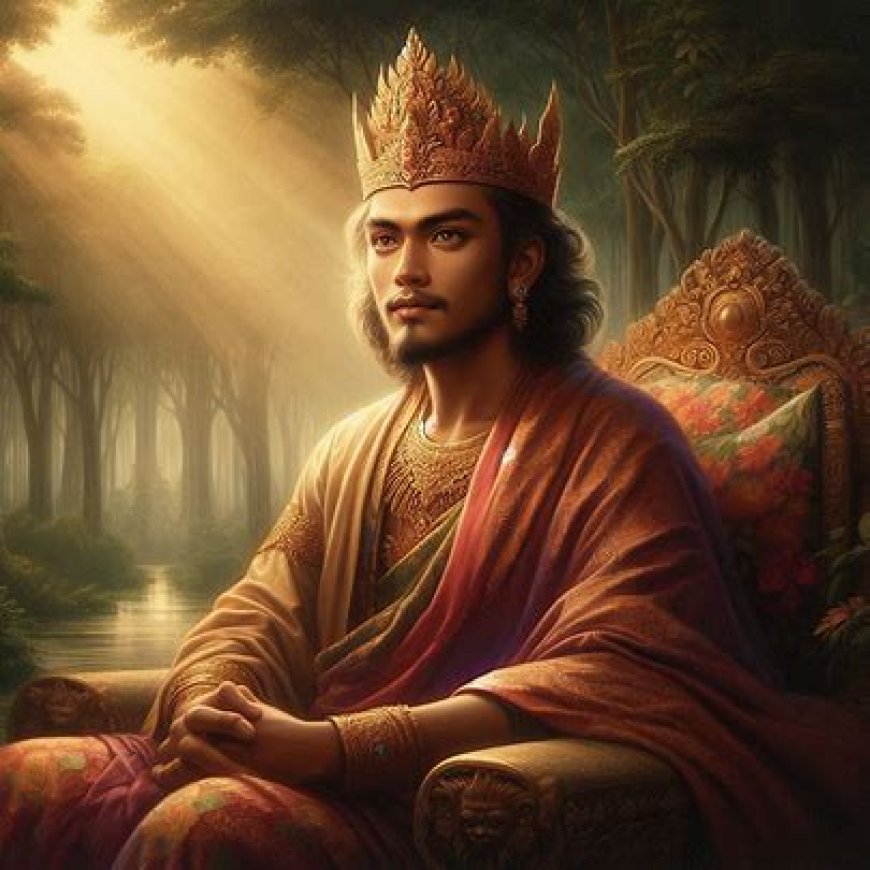
AI Illustration King Anak Wungsu (Source: Personal Collection)
Anak Wungsu was the youngest son of King Udayana of the Warmadewa Dynasty and his queen, Sri Gunapriya Dharmapatni, who came from the Isyana Dynasty in East Java. From this marriage, three sons were born: Airlangga, Marakata Pangkaja, and Anak Wungsu. Airlangga later became a great king in East Java, succeeding his father-in-law King Dharmawangsa Teguh, while Marakata Pangkaja ascended the throne in Bali after Udayana’s death. After Marakata passed away, Anak Wungsu was then appointed king with the title Paduka Haji Anak Wungsu. Several inscriptions refer to him as “anak wungsunira kalih Bhatari lumah i Buruan, Batara lumah i Banu Weka”, confirming that he was the youngest son of Sri Gunapriya Dharmapatni and Udayana.
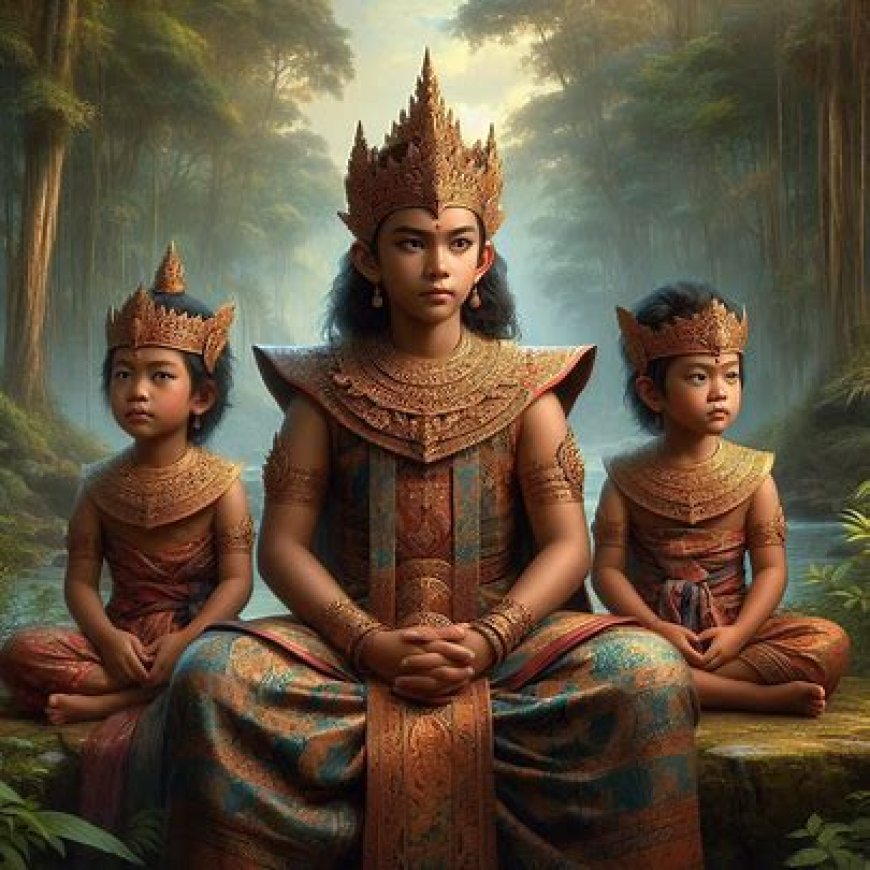
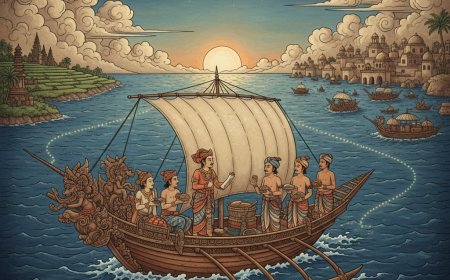
AI Illustration Anak Wungsu, Airlangga, and Marakata Pangkaja (Source: Personal Collection)
In governing, Anak Wungsu maintained a well-structured hierarchy of power. At the top level, the king held the highest authority as the supreme ruler of the kingdom. Below him were royal advisors consisting of relatives and officials skilled in matters of governance, who were given the title samgat or senapati. Beneath the advisory group were royal officials responsible for specific sectors. At the village level, there were the rama or village heads, whose authority was limited to their local areas. The general populace consisted of farmers, artisans, and landowning villagers, who formed the backbone of the kingdom’s economy. At the lowest level were the hulun or slaves, whose status arose from various circumstances such as prisoners of war, debtors unable to repay their obligations, or individuals who had violated the law.
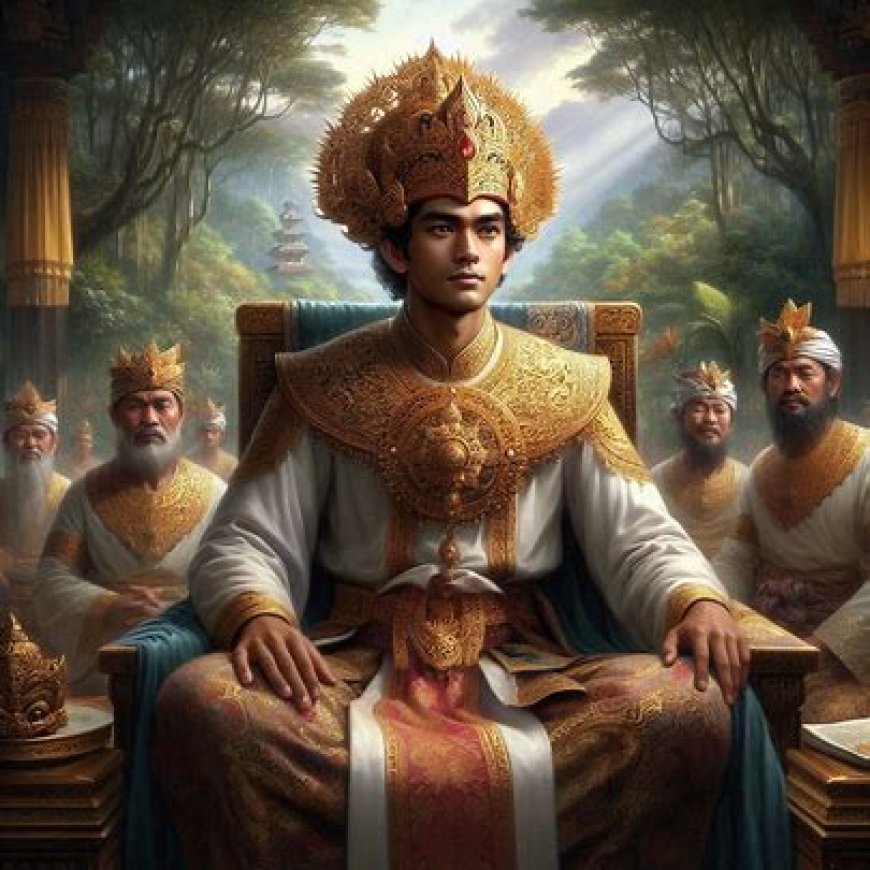
AI illustration King Anak Wungu with The King’s Advisors (Source: Personal Collection)
The Balinese economy during Anak Wungsu’s reign was primarily based on agriculture. Rice, secondary crops, and upland rice (padi gaga), adapted to seasonal cycles, were the main food sources. In addition to farming, trade also developed. Commodities traded included not only agricultural and plantation products but also handicrafts. Textiles and metalwork held significant value, especially for religious ceremonies, highlighting the close link between the economy and spiritual rituals.
In social life, Balinese society was still bound by the Catur Warna system, which divided people into four groups: Brahmana, Ksatria, Waisya, and Sudra. Intergroup relations were strictly regulated, particularly in matters of marriage. For example, men from lower classes were prohibited from marrying women of the Brahmana class unless they paid a fine or pamucuk. Such rules show how tightly the social structure was maintained to preserve harmony and order in society.
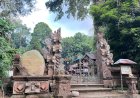
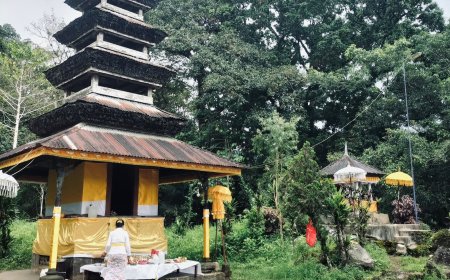
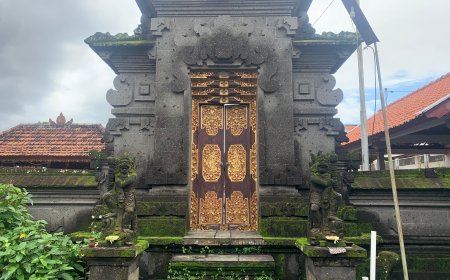
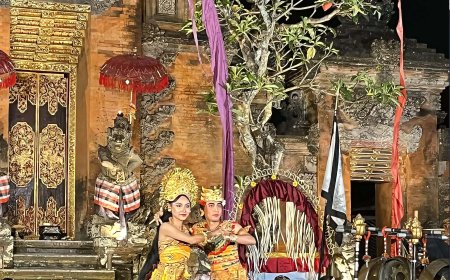
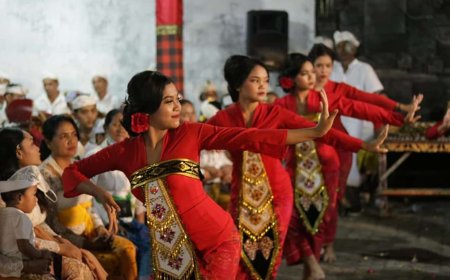
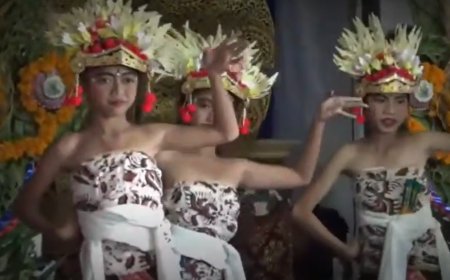
Cultural development under the Warmadewa Dynasty, particularly from King Udayana to Anak Wungsu, reached its peak. Bali experienced a golden age in the growth of Hindu-Buddhist-inspired arts. Various forms of art flourished, including dance, drama, and theater, which became integral parts of performance art, as well as traditional music such as gamelan or karawitan. Visual arts also thrived, reflected in temple reliefs and architecture, such as the rock-cut shrines of Gunung Kawi Temple, which still stand today. These cultural and artistic legacies formed the foundation of Balinese identity, which has endured even into the modern era.
In addition to artistic and cultural achievements, Anak Wungsu’s most important legacy was the numerous inscriptions scattered across southern, central, and northern Bali. To date, around 28 inscriptions linked to his reign have been found, 18 of which explicitly mention Anak Wungsu by name. These inscriptions are spread across regions such as Trunyan, Bebetin, Sukawana, Batunya, Sangsit, Sembiran, and Klungkung. Their contents not only address administrative matters and community life but also portray Anak Wungsu’s character as a king. Several inscriptions describe him as compassionate and wise, even regarded as a manifestation of dharma, always mindful of his people’s welfare.
Some notable inscriptions include: Trunyan (Saka 971 / 1049 CE), Bebetin (Saka 972 / 1050 CE), Dawan (Saka 975 / 1053 CE), Sukawana (Saka 976 / 1054 CE), Batunya (Saka 977 / 1055 CE), Sangsit (Saka 980 / 1058 CE), Dausa (Saka 983 / 1061 CE), Sawan Blantih (Saka 987 / 1065 CE), Sembiran (Saka 987 / 1065 CE), Serai (Saka 989 / 1067 CE), Pengotan (Saka 991 / 1069 CE), Manikliyu (no date), Pandak (Saka 993 / 1071 CE), Sawan (Saka 995 / 1073 CE), and three inscriptions from Klungkung dated Saka 995 (1073 CE).
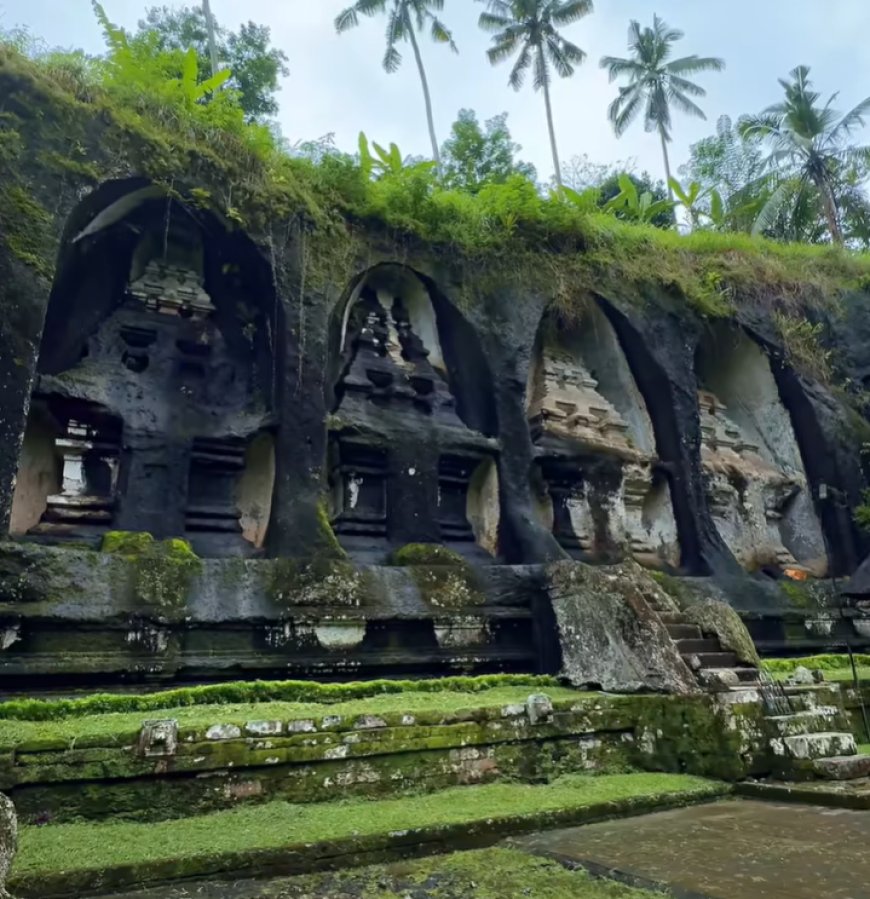
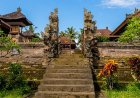
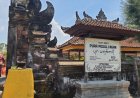
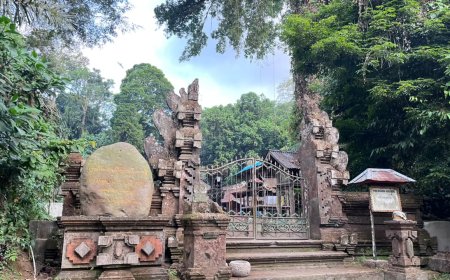
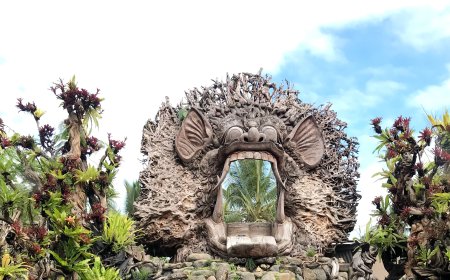
Gunung Kawi Temple (Source: Personal Collection)
King Anak Wungsu passed away in 1077 CE. After his death, he was deified at the rock-cut temple complex of Gunung Kawi in Tampaksiring, Gianyar, a site that still stands majestically today as a silent witness to Ancient Bali’s glory. With Anak Wungsu’s passing, the golden age of the Warmadewa Dynasty in Bali came to an end. Nevertheless, the inscriptions, governance system, and cultural heritage he left behind remain lasting evidence of Bali’s past greatness, as well as a reminder of the crucial role Anak Wungsu played in the island’s history during the 11th century.
Prihatmoko, H., & Wahyudi, W. R. (1926). Representasi Anak Wungsu Sebagai Penguasa Kerajaan Bali Kuno. Sang, 2. https://pdfs.semanticscholar.org/4a01/3beb91a35638726ff173f8a9a187c4db5180.pdf
Santosa, H. N. H. K. R. M., & Kustiyanti, D. (2017). Seni Pertunjukan Bali Pada Masa Dinasti Warmadewa. MUDRA Jurnal Seni Budaya, 32(1), 81-91. https://www.academia.edu/74499171/Seni_Pertunjukan_Bali_Pada_Masa_Dinasti_Warmadewa
AA Gede, R. R., I Gusti Ngurah, S., Ida Bagus, S., & I Kadek, D. N. (2021). Seni dan Prinsip Estetika Jaman Bali Kuno: Masa Pemerintahan Raja Udayana Sampai Anak Wungsu (989-1077 M). https://repo.isi-dps.ac.id/4595/1/Penelitian%201%20-%20Seni%20dan%20Prinsip%20Estetika%20Jaman%20Bali%20Kuno_compressed%20%281%29.pdf