











































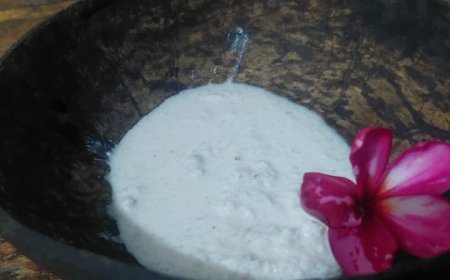


Taro Satay: A Rare Culinary Delight Made from Taro with a Distinctive Flavor from the Ancient Village of Pedawa
Taro Satay is a traditional dish from the ancient village of Pedawa, Bali, made from locally sourced taro. With its soft texture and rich flavors of traditional spices such as turmeric, galangal, and lemongrass, this dish reflects local wisdom, the creativity of the community, and the cultural heritage passed down through generations. Perfect for enjoying an authentic and unique culinary experience!


In the midst of the rapid development of modern cuisine, the ancient village of Pedawa in Buleleng Regency, Bali, holds a culinary treasure rich in tradition and cultural values: Taro Satay. This dish not only serves as a symbol of the village's cultural heritage but also as proof of the natural wealth and creativity of the local community in processing local ingredients. Made from taro, a tuber crop abundant in this village, Taro Satay has become a culinary icon that captures the attention of traditional food enthusiasts both domestically and internationally.

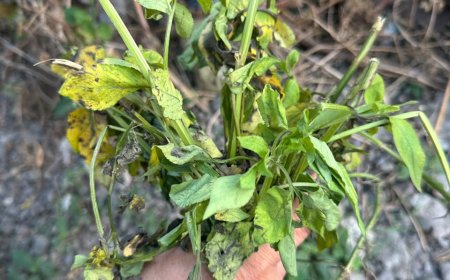
The Main Ingredient of Taro Satay (Photo Source: Personal Collection)
Taro Satay was created and is preserved by the people of Pedawa Village, especially by housewives skilled in traditional cooking. The recipe has been passed down from generation to generation, making it a symbol of local wisdom and community pride. The choice of taro as the main ingredient for Taro Satay is not without reason. Taro, a locally grown tuber crop, thrives in Pedawa’s nutrient-rich soil and favorable climate. Moreover, taro develops a soft texture when processed, making it an ideal base for creating the satay-like dish. This culinary tradition has been known since the ancestors of Pedawa's villagers.
Taro Satay can be found in Pedawa Village, located in Buleleng Regency, Bali. This village is known as one of Bali's ancient villages that still holds firmly to its ancestral traditions. To savor authentic Taro Satay, visitors typically have to come directly to this village, as the dish is rarely sold elsewhere. This makes enjoying Taro Satay part of a cultural tourism experience, where visitors can immerse themselves in the unique atmosphere of a Balinese rural village while tasting its culinary delights.

The Making Process of Taro Satay (Photo Source: Personal Collection)
The uniqueness of Taro Satay lies in its main ingredient, taro, which is processed in a special way to achieve a soft and enjoyable texture. Furthermore, the spices used are a blend of local herbs, such as turmeric, galangal, lemongrass, and chili, which give it a distinctive flavor. In addition to being delicious, Taro Satay is also considered healthy because it uses natural ingredients with minimal preservatives.
The process of making Taro Satay begins with selecting the best quality taro, which is then steamed until tender. Afterward, the taro is mashed and mixed with grated coconut, traditional spices, and a small amount of flour as a binder. This mixture is then shaped into satay-like forms, skewered onto bamboo sticks, and grilled over charcoal until perfectly cooked. The aroma produced during the grilling process further enhances the appeal of Taro Satay.
Taro Satay is not just a dish; it is part of the cultural heritage of Pedawa Village. This dish reflects the rich traditions and creativity of the village community in transforming local ingredients into a special delicacy. With its distinctive flavor, unique preparation process, and deep cultural values, Taro Satay deserves to be a source of pride for the local community. If you are looking for a unique culinary experience, Taro Satay is a must-try when visiting Bali.