










The Relocation of the Royal Palace to Gelgel and the Rise of Sweca Linggarsa Pura (1401 AD)
A historical study of the relocation of Bali’s royal palace from Samprangan to Gelgel in 1401 AD, marking the beginning of the golden age of Sweca Linggarsa Pura. This article explores the political background, key historical figures, and the cultural influence of Hindu Bali, based on bibliographic sources from official national institutions.

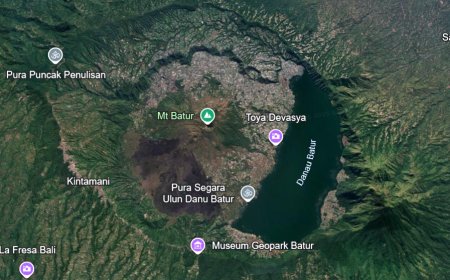
In the early 15th century, Bali underwent a major transformation marked by the relocation of its political center from Samprangan to Gelgel. This event was not merely a physical move of the royal palace, but the beginning of the rise of Sweca Linggarsa Pura. a palace that became the center of power, spirituality, and Hindu-Balinese culture. The year 1401 AD stands as a pivotal moment in shaping Bali’s enduring political and cultural identity.
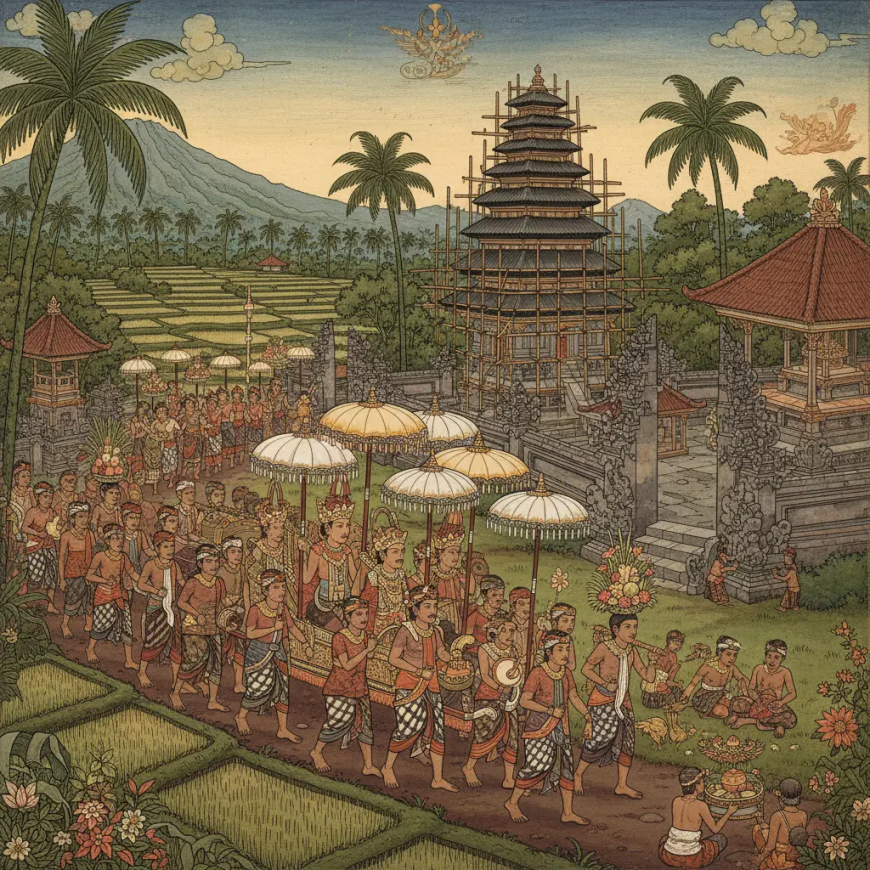
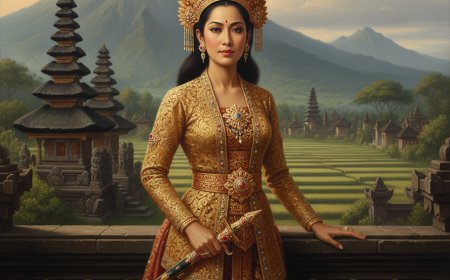
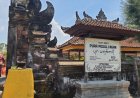
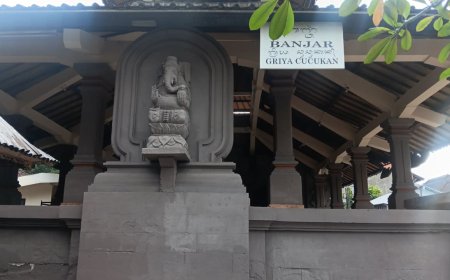
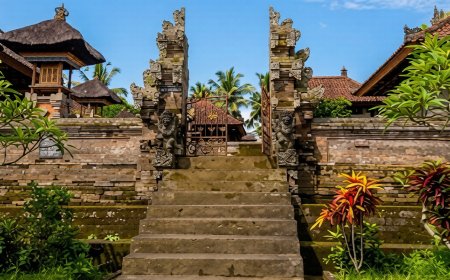
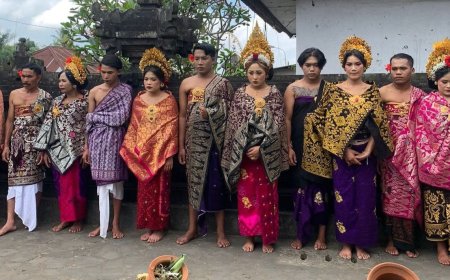
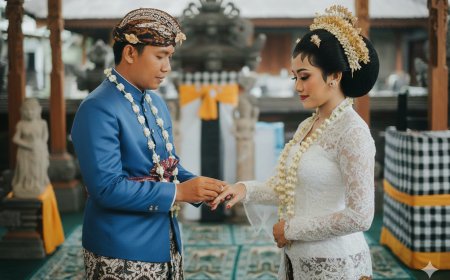
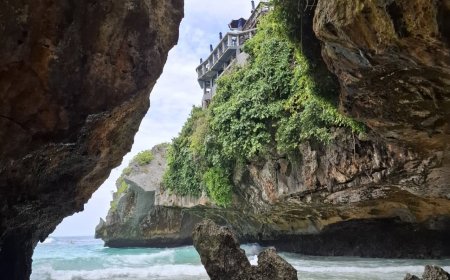
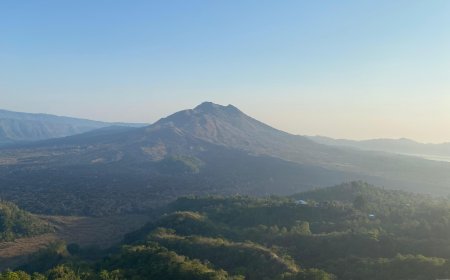
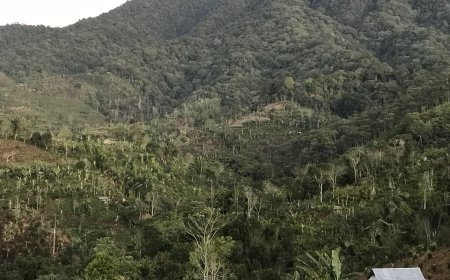
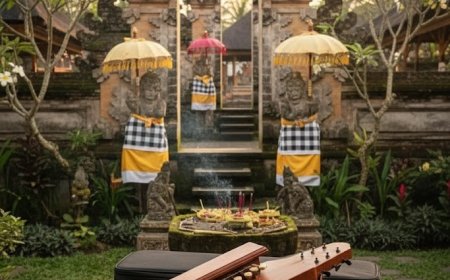
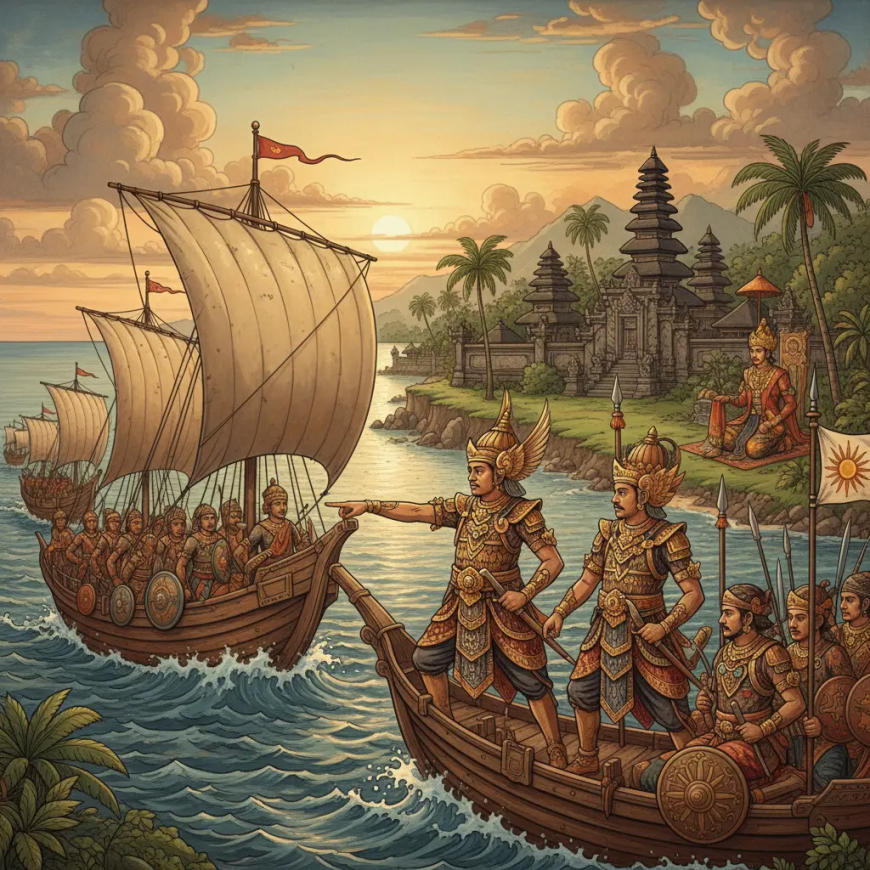
AI Illustration Image Relocation of the Gelgel Palace (Source: Private Collection)
Following the Majapahit expedition to Bali in 1343 AD, led by Gajah Mada and Arya Damar, Bali came under Majapahit’s influence. As part of its consolidation strategy, Majapahit appointed Sri Aji Kresna Kepakisan as the ruler of Bali. He governed from Samprangan and established a Hindu-Javanese administrative structure.
However, after the death of Sri Aji Kresna Kepakisan, his eldest son Dalem Samprangan was deemed ineffective as a leader. Dissatisfaction among nobles and traditional leaders led to the proposal of relocating the seat of power to a more strategic and spiritually significant location: Gelgel.
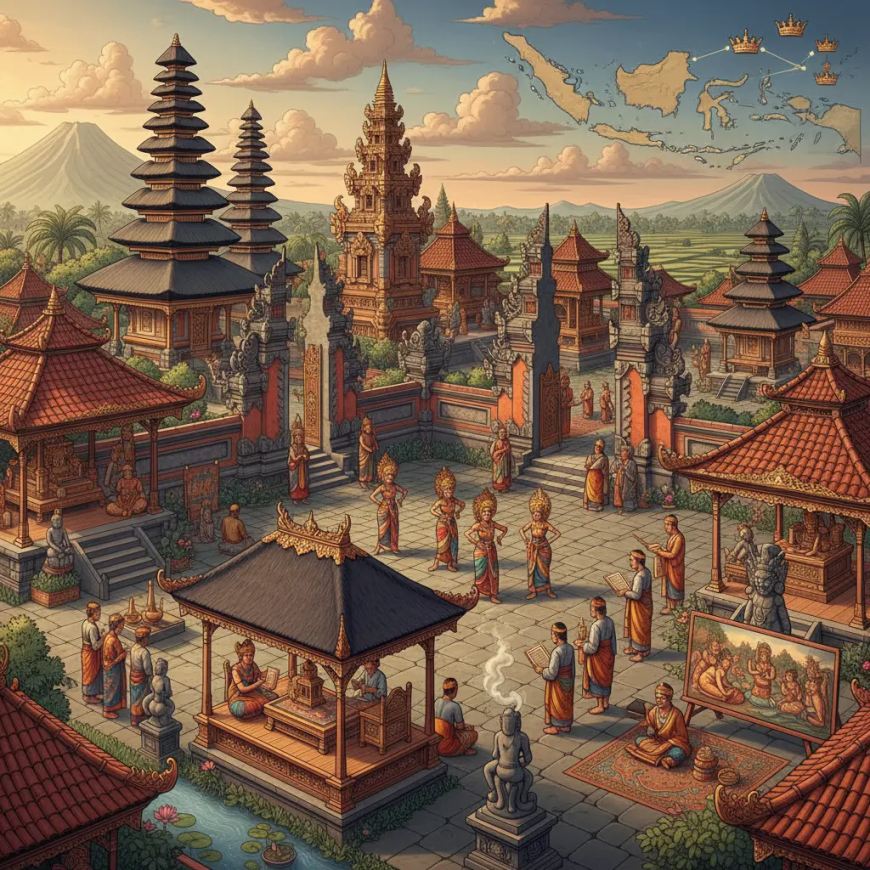
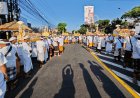
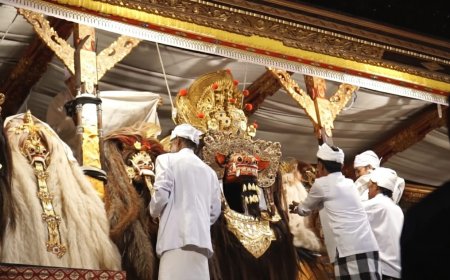
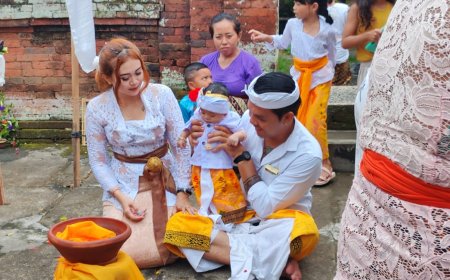
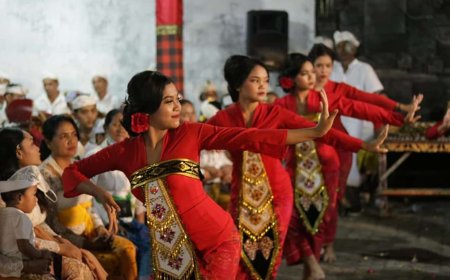
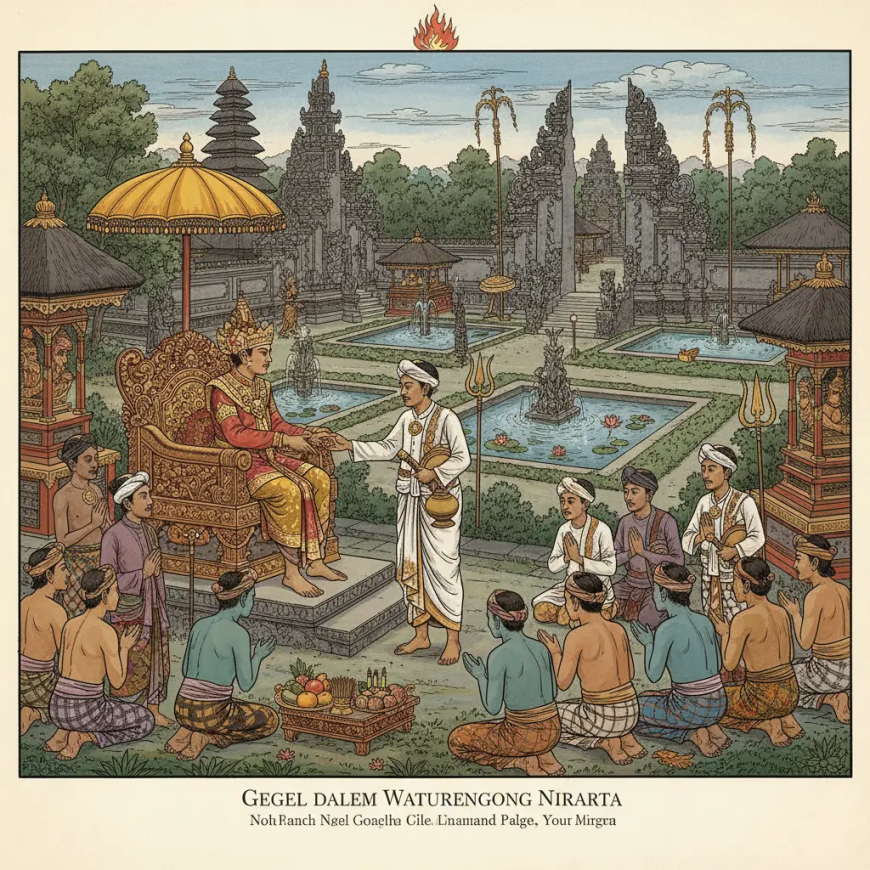
AI Illustration Image Dalem Waturenggong and Danghyang Nirartha (Source: Private Collection)
The relocation of the palace to Gelgel was led by I Dewa Ketut Smara Kepakisan, the youngest son of Sri Aji Kresna Kepakisan. He was crowned King of Bali and established a new palace known as Sweca Linggarsa Pura. The name carries deep spiritual meaning: “Sweca” means sacred, “Linggarsa” refers to the center of power, and “Pura” denotes a palace or holy place.
The Gelgel palace was built with spatial arrangements reflecting Hindu-Balinese cosmology, integrating governance, spirituality, and culture. This relocation marked the beginning of the consolidation of the Kepakisan dynasty and laid the foundation for Bali’s golden age that lasted for over two centuries.
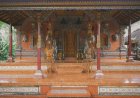
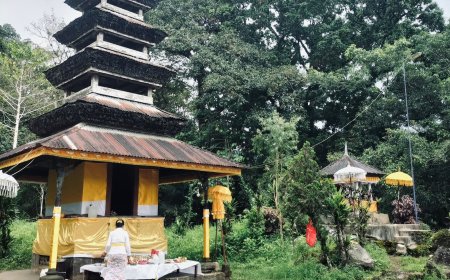
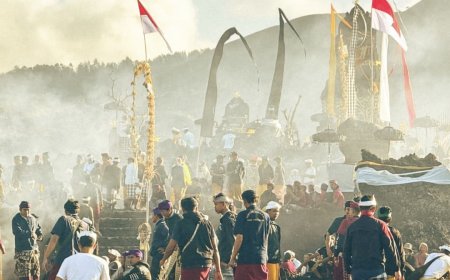
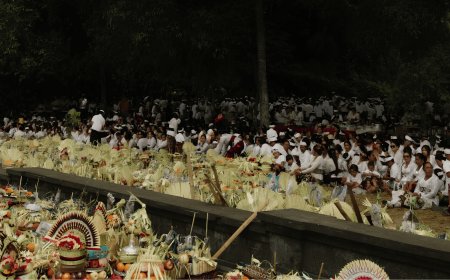
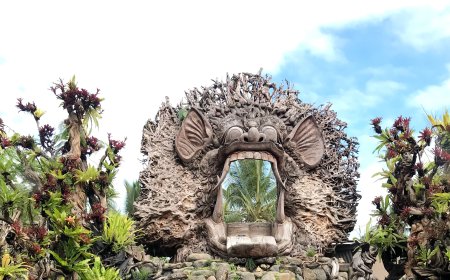
AI Illustration Image the Glory of Sweca Linggarsa Pura (Source: Private Collection)
Under the leadership of Dalem Ketut and his successors, the Gelgel Kingdom flourished. Its influence extended to Lombok and Sumbawa, and it established relations with kingdoms in East Java and the Lesser Sunda Islands.
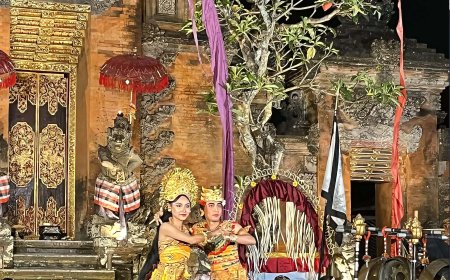
Sweca Linggarsa Pura became the cultural heart of Hindu Bali, nurturing dance, literature, architecture, and religious rituals. During the reign of Dalem Waturenggong (mid-16th century), Gelgel reached its peak. The arrival of Danghyang Nirartha from Java brought spiritual renewal and strengthened the Siwa-Buddha teachings in Bali.
The relocation of the royal palace to Gelgel in 1401 AD was not merely a political event—it was a cultural and spiritual transformation. Sweca Linggarsa Pura became a symbol of Bali’s greatness, uniting power, tradition, and religion into a single legacy. This heritage continues to shape the social and cultural fabric of Balinese society today.
Perpustakaan Nasional Republik Indonesia, Khastara: Portal Naskah Kuno dan Warisan Dokumenter Nusantara, 2025, Perpusnas RI https://khastara.perpusnas.go.id/
Kementerian Pendidikan dan Kebudayaan RI, Keraton Yogyakarta dan Arsitektur Kerajaan Nusantara, 2024, Direktorat Jenderal Kebudayaan https://repositori.kemendikdasmen.go.id/32175/