


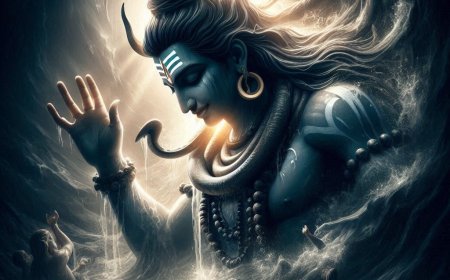

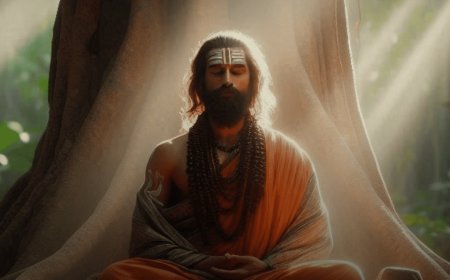





The Traces of Balinese Sculpture in the Life of Ancient Balinese Society
Balinese sculpture since ancient times has held not only aesthetic value but also sacred and symbolic significance. Evidence of this heritage can be seen in the statue of Batara Da Tonta in Trunyan and the statues at Pura Puseh in Gianyar. Despite external influences and its development into the modern era, Balinese sculpture continues to preserve traditional techniques and spiritual values as part of its cultural identity.

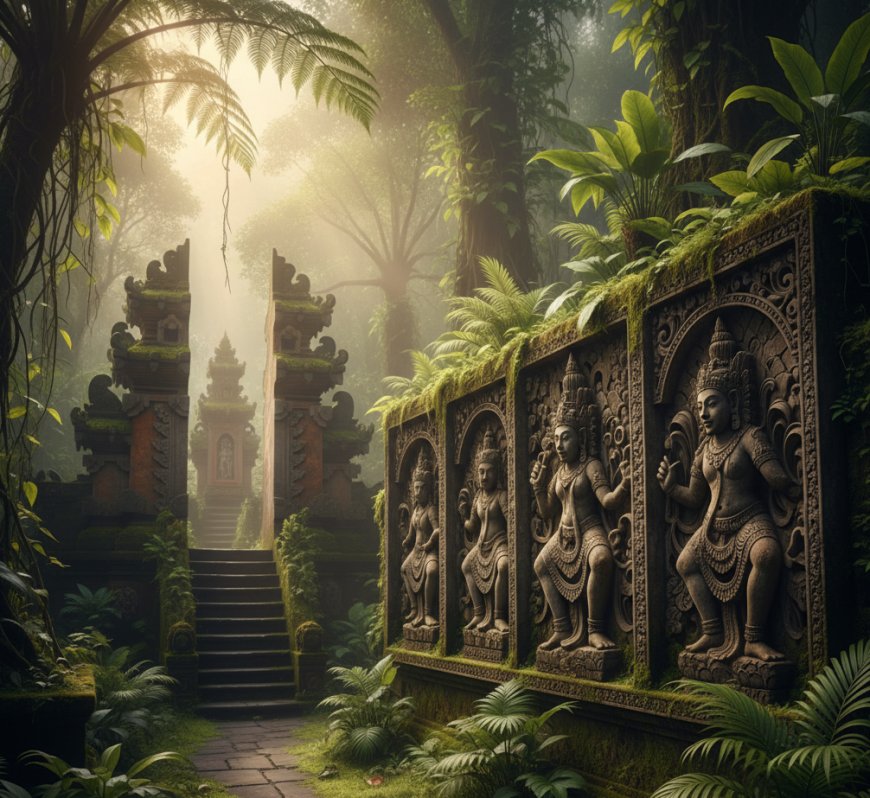
Art has always been an integral part of life in Bali since ancient times. From early periods, art was considered essential. In Bali, artistic works are not merely associated with aesthetic expression but are also deeply connected to religious and social life. One of the most prominent and highly recognized forms of art is sculpture. During the ancient Balinese period, carvings were regarded not only as beautiful creations but also as sacred and symbolic works closely tied to community traditions. The surviving remains of sculpture in Bali provide important evidence of the role of art and its use in shaping the cultural identity of Balinese society.
The arrival of Hindu-Buddhist traditions in Bali had a positive impact on the development of sculpture. Ancient Balinese statues were enriched not only by external influences but also by pre-existing beliefs, such as ancestor worship and animistic traditions. Later, concepts of deities and mythological beings gave rise to sculptures with strong spiritual and cultural significance.
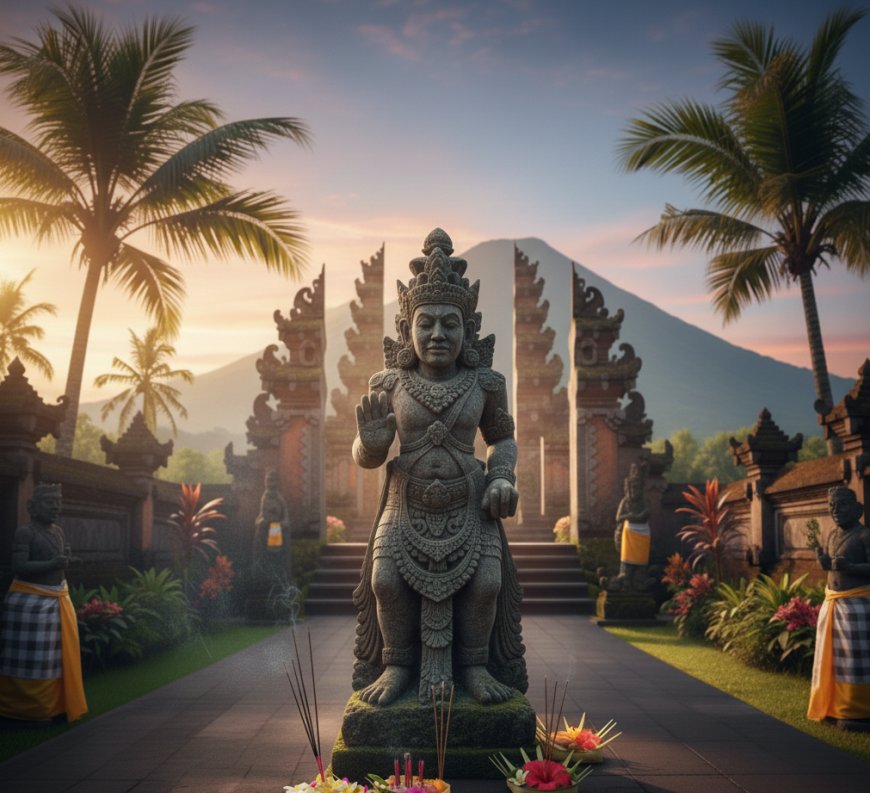
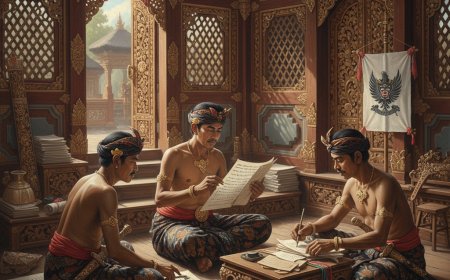
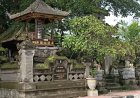
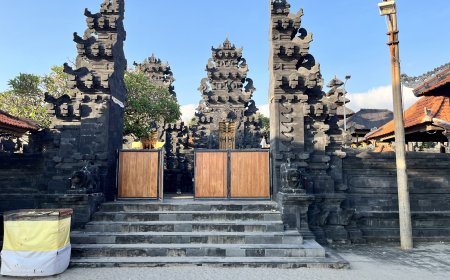
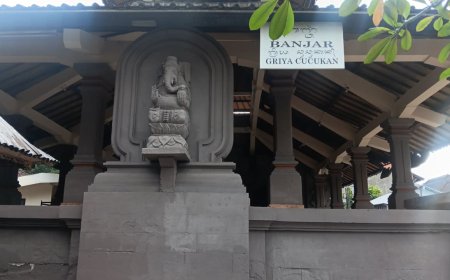
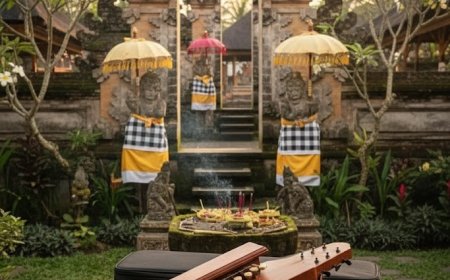
AI Illustration Ancient Balinese Sculpture (Source: Private Collection)
Balinese sculpture originated from ancestor worship practices in prehistoric times and developed further with the spread of Hindu-Buddhist education and Chinese cultural influences. Initially, statues functioned as symbols of divine protection in Hindu tradition and were typically placed in temples. Traditional Balinese sculptures, with their distinctive forms and styles, emerged as the product of this cultural journey.
Sculptures were carved from ancient Balinese stone, which was rarely distributed, as well as from other local materials. Many archaeological finds in Bali demonstrate the profound influence and craftsmanship of local sculptors. The intricate detailing on stone carvings and the varied use of materials highlight the artistic skills of the time. These works, valued highly in Balinese society, reflect both cultural prestige and spiritual devotion.
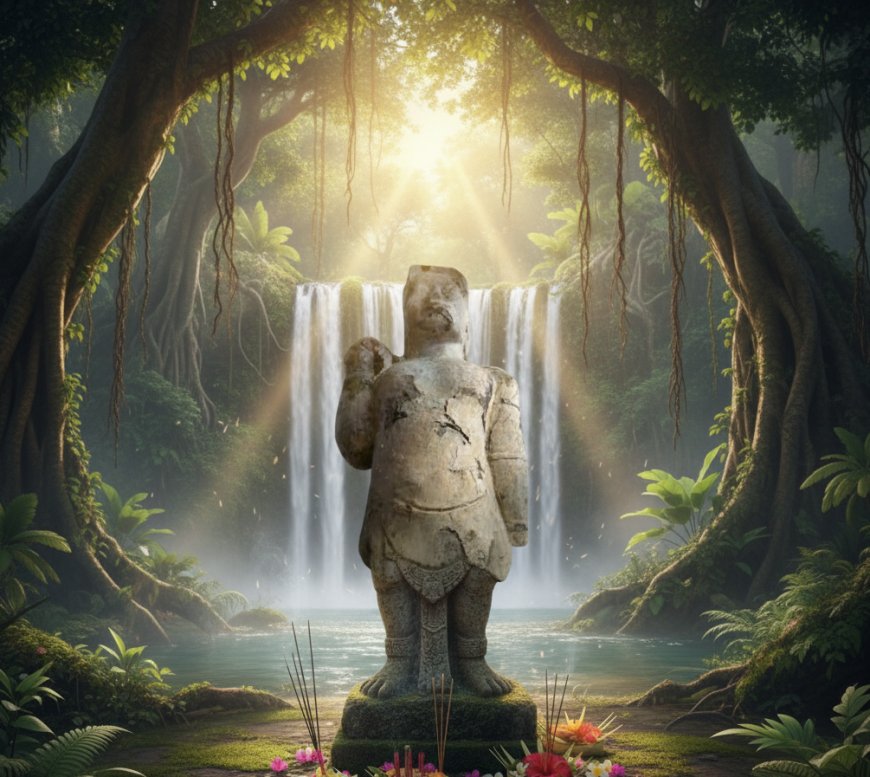
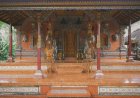
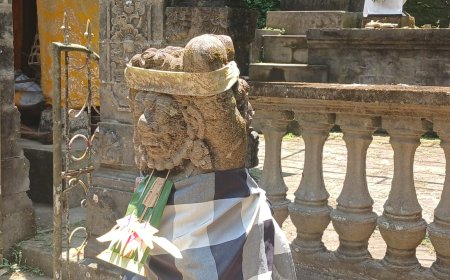
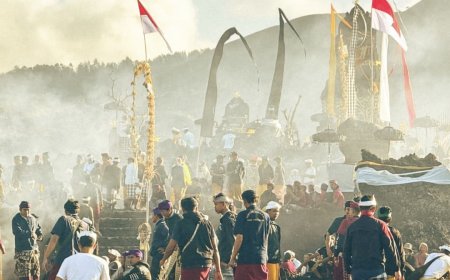
Statue of Batara Da Tonta (Source: Private Collection)
Sculpture in Bali, also known as carving, originated from offerings to ancestors in prehistoric times and underwent significant transformation with the influence of Hindu-Buddhist and Chinese traditions. A notable example often mentioned in research is the statue of Batara Da Tonta, located in Trunyan, Kintamani. An inscription dated Saka 971 serves as evidence that the traditional practice of sculpture has endured throughout Balinese history. Such statues not only reflect the religious practices of the people but also emphasize aesthetic values in ancient Bali. Carvings on stone and wood, often depicting temples and shrines, reveal unique motifs shaped by local cosmology.
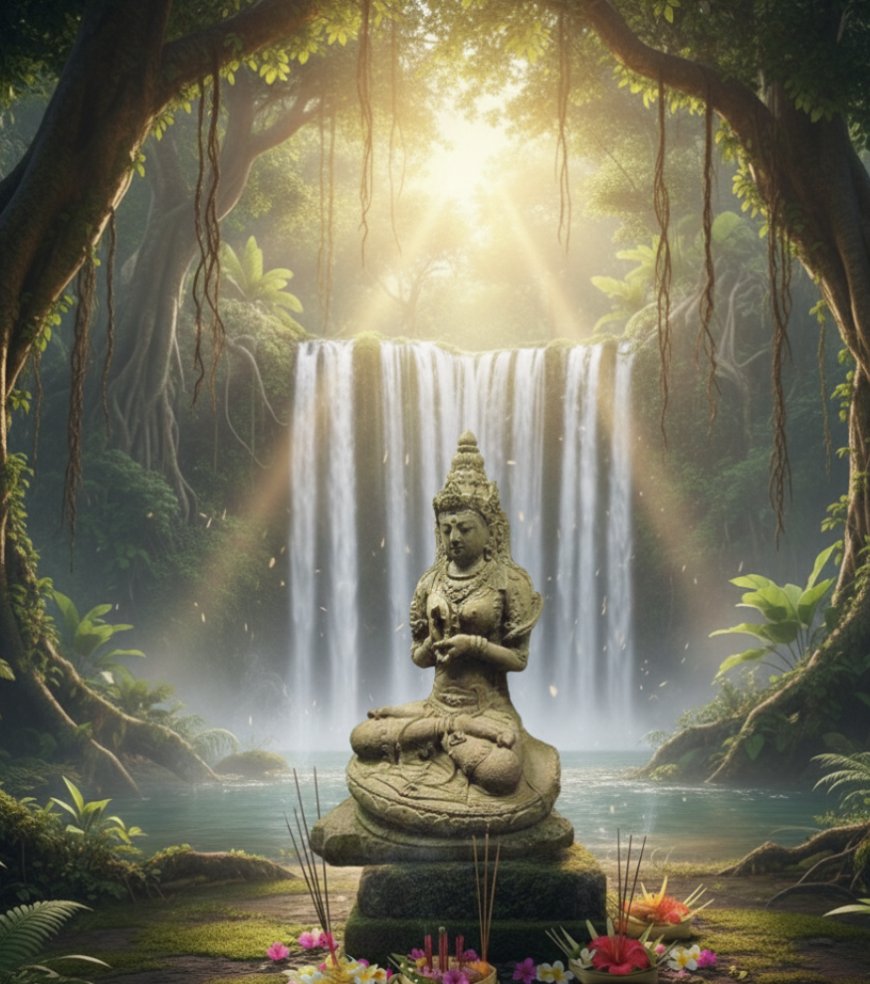
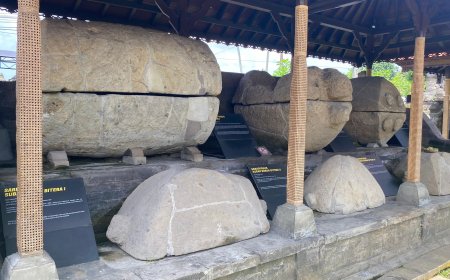
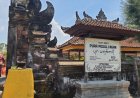
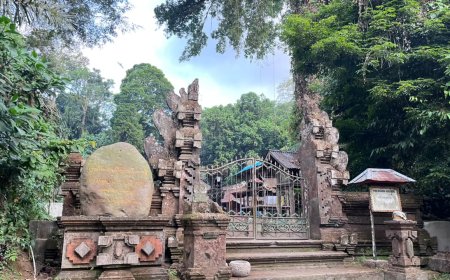
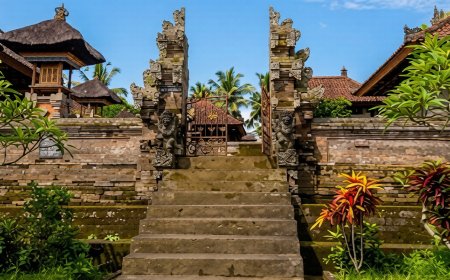
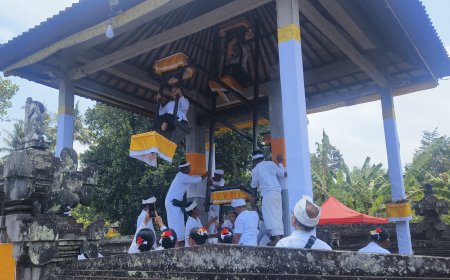
Pura Puseh Statue (Source: Private Collection)
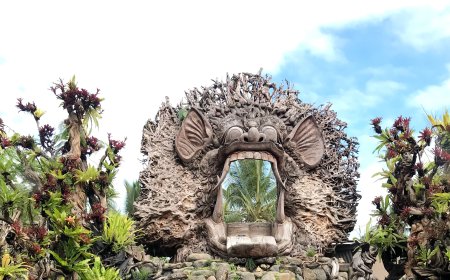
Another important example is the discovery of statues at Pura Puseh in Desa Bale Agung, Bukian, Payangan, Gianyar, which reflect the development of Balinese sculpture from the 8th to the 16th century CE. Even before the arrival of Hindu influences, Indonesian societies were already familiar with various forms of art, including batik, wayang, and sculpture. In sculpture, early works were often simple in form and ornamentation, reflecting the artisans’ skill at the time. Other prehistoric relics, such as dolmens, sarcophagi, menhirs, and terraced sanctuaries, functioned as media of communication with ancestral spirits. In this context, statues were seen as symbols or embodiments of the ancestors.
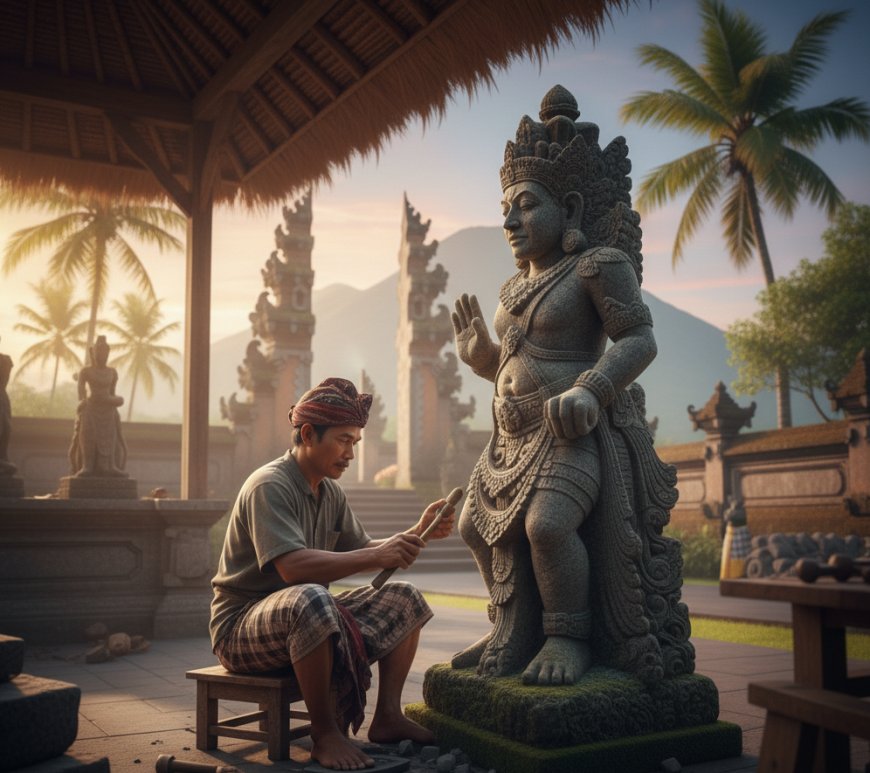
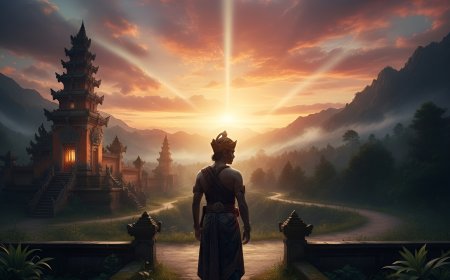
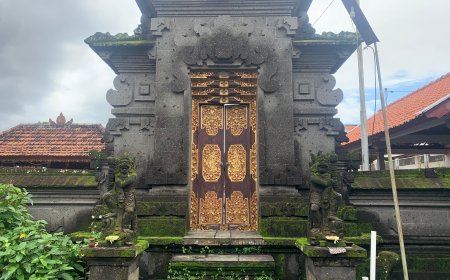
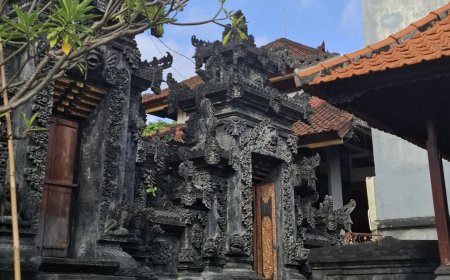
AI Illustration Ancient Balinese Sculpture (Source: Private Collection)
Although Balinese sculpture has been influenced by external traditions from Java, India, China, as well as modern tourism, its aesthetic and sacred essence has remained intact. In the modern era, new forms of sculptural expression have emerged, including contemporary works and commercial products intended for tourists. Nevertheless, many artists continue to preserve traditional techniques and iconography. A deeper analysis of aesthetic values and transformations in craftsmanship shows that Balinese sculpture has been able to adapt to changing times while maintaining its roots in ritual tradition.
REFERENCES
Parta, I. W. S. TRANSFORMASI SENI TIGA DIMENSIONAL BALI. 2010. PRASI, 6(11).
Dewi, I. A. M. K., Aryana, A. G., & Titasari, C. P. Tinggalan Arca di Pura Puseh Desa Bale Agung Bukian, Payangan, Gianyar. 2019. Jurnal Humanis, Fakultas Ilmu Budaya Unud.
Sujana, I. M., & Karsana, I. P. SENI PATUNG BALI MODERN KONTEMPORER: SUATU KAJIAN ESTETIKA. 2020. Stilistika: Jurnal Pendidikan Bahasa dan Seni, 11(1), 183-200.
Setiawan, M. A., Purnawati, D. M. O., & Maryati, T. (2014). Arca Megalitik di Pura Sibi Agung, Desa Pakraman Kesian, Gianyar, Bali, dan Potensinya Sebagai Sumber Belajar Sejarah di SMA Berdasarkan Kurikulum 2013. Widya Winayata: Jurnal Pendidikan Sejarah, 2(2).
Buda, I. K. (2013). PENGARUH POLA-POLA AKADEMIK DALAM PERKEMBANGAN PATUNG MODERN DI KECAMATAN UBUD. Imaji: Jurnal Seni dan Pendidikan Seni, 11(2).