


The Legacy of Mpu Semeru : Pioneer of Parahyangan at Besakih Temple
Mpu Semeru, also known as Mpu Mahameru, was a sacred brahmana from East Java. In Balinese Hindu tradition, he is remembered as a spiritual figure who lived a life of deep asceticism and had a significant influence on the development of Hinduism in Bali.

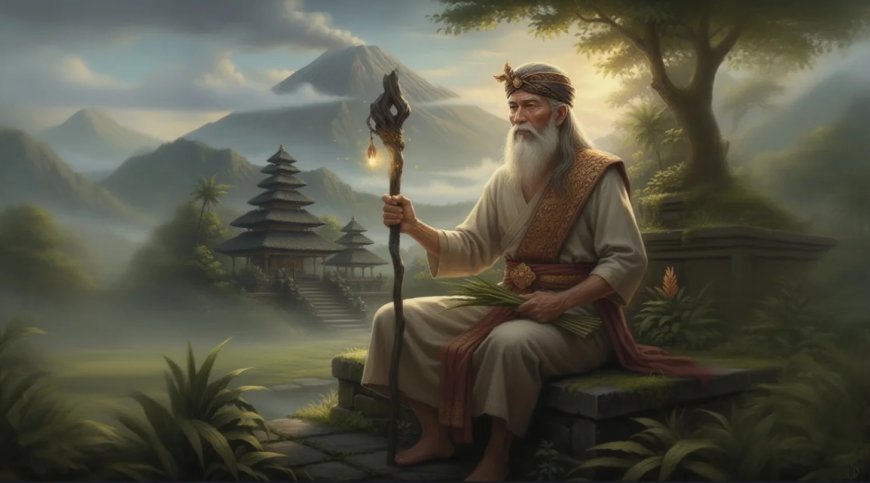
Mpu Semeru arrived in Bali in 999 AD or Saka 921, precisely on Friday Kliwon Wuku Pujut during Purnamaning Kawolu. He traveled alone from Java, crossed into Bali, and followed the mountain routes. Along his journey, he stopped in Kuntulaga (Kedisan), Tampurhyang (Songan), and the Batur area before finally settling to carry out his spiritual mission.
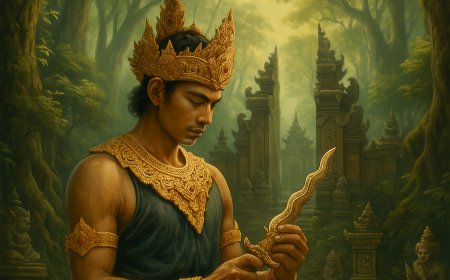
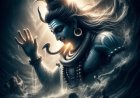
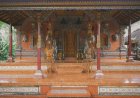
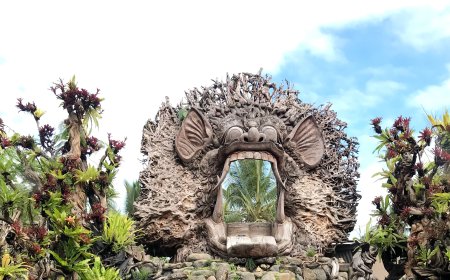
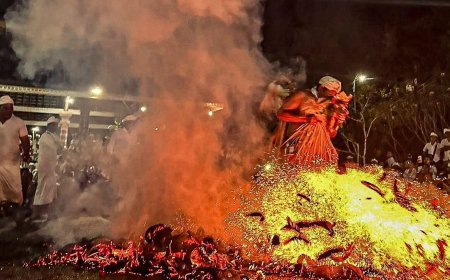
During this journey, a sacred event widely known in tradition occurred. It is told that Mpu Semeru discovered a celagi wood post, blackened by fire. With the power of his ascetic practices and sacred knowledge, Mpu Semeru channeled his spiritual energy until the wood came to life and transformed into a human figure. The being immediately bowed before Mpu Semeru, admitting that he could not repay such a great gift, as his origin was merely from wood, not a true human.

AI Illustration of the Celagi Wood Post Encountered by Mpu Semeru (Photo Source : Personal Collection)
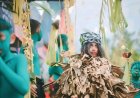
This being displayed humility and complete surrender to Mpu Semeru, asking for guidance so that his life might have meaning. Although at first Mpu Semeru refused, considering his unusual origin, because of the sincerity of his request, he finally relented and accepted him as a disciple. The being born from wood was then given the name Mpu Kamareka, also known as Mpu Dryakah, who later became his loyal follower and main disciple in teaching dharma. This story not only affirms his authority as a great rsi, but also reveals the extraordinary spiritual power he possessed.
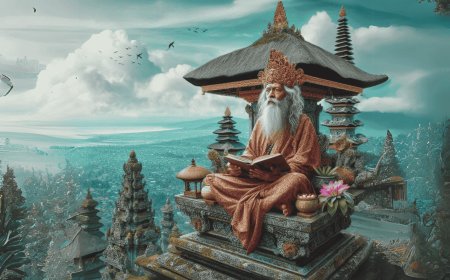
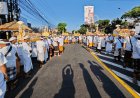
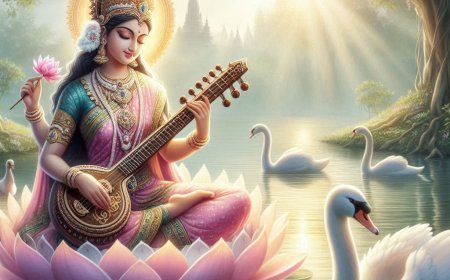
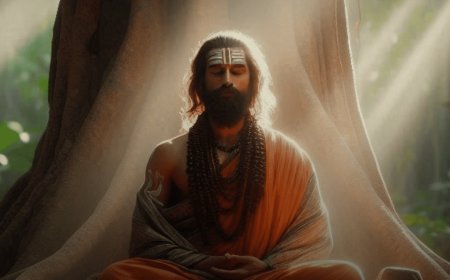
The arrival of Mpu Semeru in Bali brought significant changes, especially in the structure of parahyangan and in strengthening harmony among various religious streams that had previously walked separately. During his time in Bali, he taught the concept of harmonizing Siwa-Buddha teachings, affirmed the rules of parahyangan, and introduced ritual systems capable of uniting the people. From this was born religious harmony that continues to be preserved to this day and has become one of the foundations of Bali’s spiritual integration.
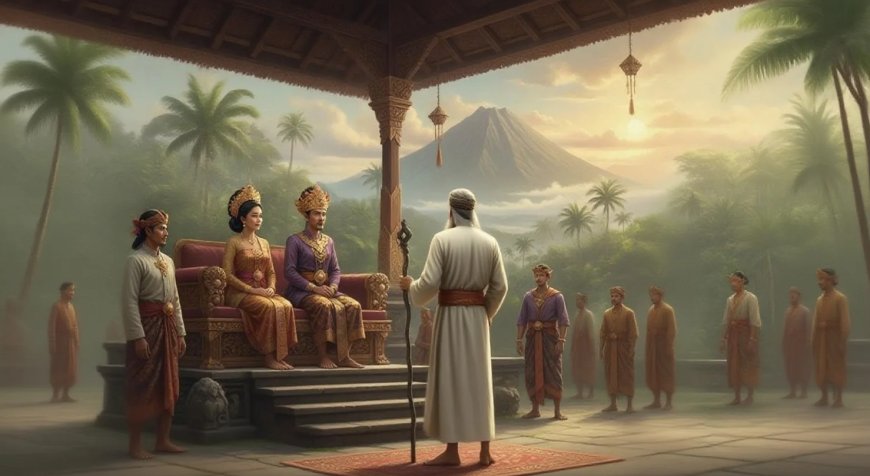
AI Illustration of Mpu Semeru Teaching the People in Bali (Photo Source : Personal Collection)
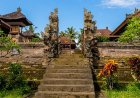
The relationship between Mpu Semeru and Besakih Temple is very profound. He is regarded as the pioneer of parahyangan construction (a place for yoga semadhi) at Penataran Agung Besakih Temple, the largest and most important temple in Bali. This parahyangan was consecrated through a great ceremony known as Karya Agung Pengenteg Linggih, held on Soma (Monday) Umanis, Wara Tolu, led by Mpu Gni Jaya and Mpu Withadharma. The parahyangan of Mpu Semeru later became known as Catur Lawa Ida Ratu Pasek Temple. Through this role, Besakih Temple was organized into the central place of worship, embracing the Siwa-Buddha concept, making it the highest spiritual center in Bali. Tradition also states that other temples in Bali derive their legitimacy and spiritual strength through the parahyangan established at Besakih, ensuring that the legacy of Mpu Semeru remains the spiritual core of Bali to this day.
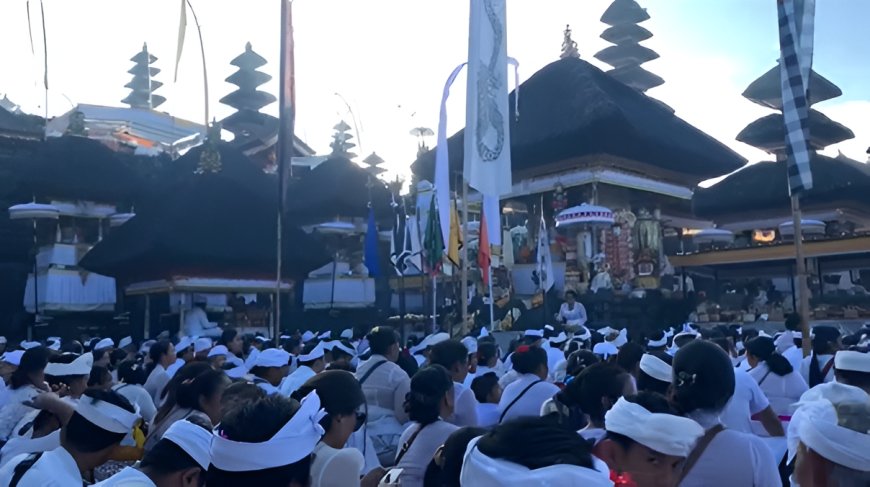
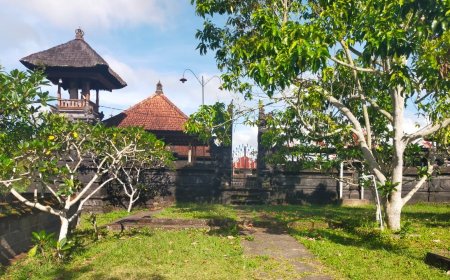
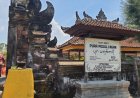
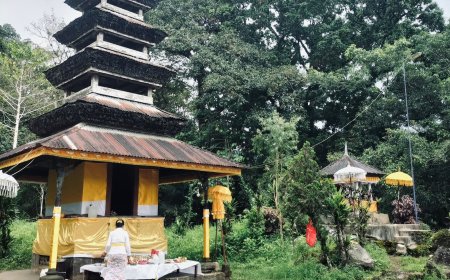
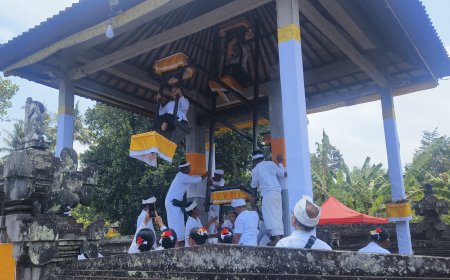
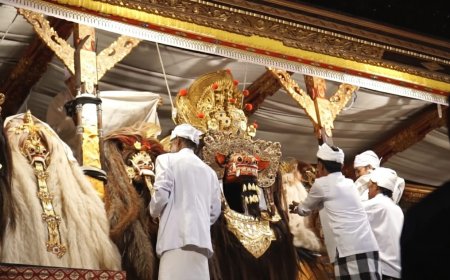
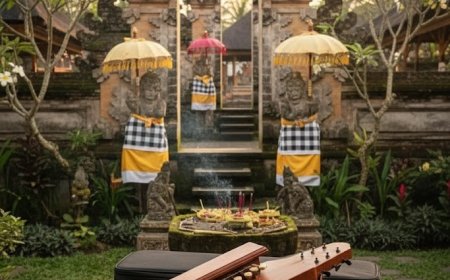
Catur Lawa Ida Pasek Temple (Photo Source : TikTok dobelss)
Catur Lawa Ida Ratu Pasek Temple itself holds a special position in the Besakih Temple complex. This temple is symbolized by the color white as the seat of Ida Bhatara Iswara and is located on the eastern side of Penataran Agung Temple. Its main piodalan (temple festival) is held every Purnama Sasih Kawolu, while the grand pujawali is celebrated during Purnama Sasih Kadasa, coinciding with the Karya Ida Bhatara Turun Kabeh. In addition, several other rituals are regularly performed, such as Aci Usaba Pasek, Caru Penyaag Tilem Sasih Kanem, and Purnama Sasih Kadasa. Interestingly, Catur Lawa Ida Ratu Pasek Temple is under the management of the Provincial Government of Bali, ensuring that its ceremonies and preservation are well maintained today. This illustrates the continuity between the ancestral legacy brought by Mpu Semeru and the role of the modern government in safeguarding Besakih Temple as Bali’s spiritual center.
References
Badan Pengelola Fasilitas Kawasan Suci Pura Agung Besakih, Pura Catur Lawa Ida Ratu Pasek, 2025, besakih.org
Bayu Riswandono, Upacara Piodalan Di Dukuh Pasekan Kecamatan Karangpandan Kabupaten Karanganyar (Studi Kasus Terhadap Upacara Tradisi di Petilasan Kyai I Gusti Ageng Pemacekan Dan Parhyangan Sapta Pandita), 2013, digilib.uns.ac.id
I Wayan Titra Gunawijaya, Esensi Ajaran Bhujangga dalam Tradisi Ritual Masyarakat Batur (Kajian Teologi Hindu), 2025, Jurnal Penelitian Agama Hindu
I Wayan Wardha, Babad Kayu Selem, 1989, Departemen Pendidikan dan Kebudayaan Jakarta