















King Udayana and Queen Mahendradatta Brought Bedahulu into a Golden Age (989 CE)
King Udayana, a descendant of Sri Kesari Warmadewa, is known in inscriptions as Dharmodayana Warmadewa and was born around 963 AD. He married Queen Mahendradatta of the Medang Kingdom, who was renowned for her beauty and was titled Gunapriya Dharmapatni. Together, they ruled the Kingdom of Bedahulu starting in 989 AD and led Bali into a golden age through cultural and governmental reforms, as well as the religious structuring introduced by Mpu Kuturan with the Tri Kahyangan concept. From their marriage were born three sons: Airlangga, who became a great king in East Java, and Marakata Pangkaja and Anak Wungsu, who continued the throne in Bali. After her death, Mahendradatta was enshrined at Pura Bukit Dharma Kutri in the form of a Durga Mahisasuramardini statue, while Udayana was enshrined at Banu Wka.

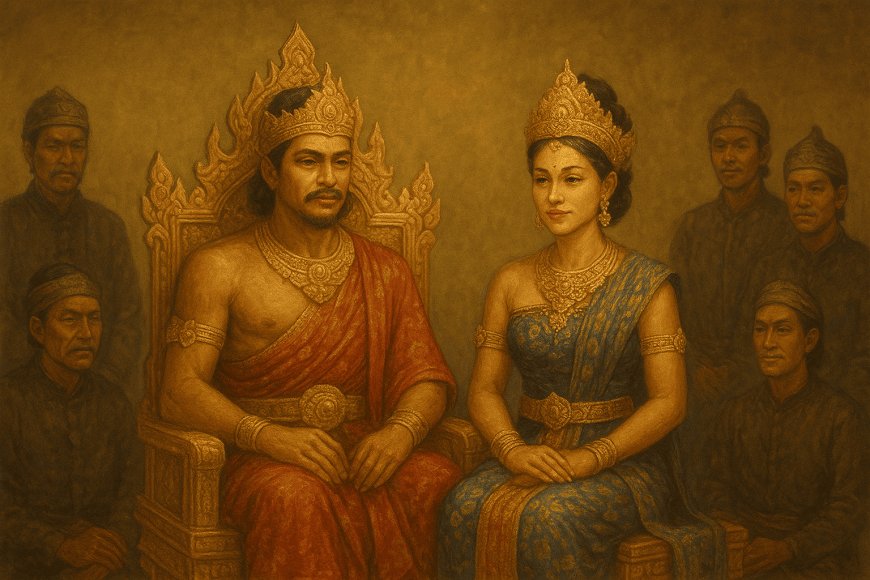
The Kingdom of Bedahulu or Bedulu, located in Pejeng, Gianyar, Bali, reached its golden age at the end of the 10th century CE. This occurred when the government was led by the royal couple King Udayana and Queen Mahendradatta. They began their reign in 989 CE and brought many changes to Balinese society, in the fields of governance, culture, and religion. Their leadership not only continued the traditions of the Warmadewa dynasty, but also created a new synergy between the political powers of Bali and East Java.

Illustration of AI a 10th-century traditional market with merchants and people engaging in harmonious activities (Source: Personal Collection)
King Udayana is known in inscriptions as Dharmodayana Warmadewa. He was a descendant of King Sri Kesari Warmadewa and is estimated to have been born in 963 CE. The Calcutta Inscription mentions that Udayana came from a royal family of high standing. He is remembered as a wise and prudent king, capable of organizing the lives of the Balinese people during his era.
Queen Mahendradatta was a descendant of the Medang or Ancient Mataram Kingdom in East Java. She was the daughter of Makutawangsawardhana and the granddaughter of King Mpu Sindok. In inscriptions, she is given the title Gunapriya Dharmapatni, while the Calcutta Inscription describes her as a princess renowned for her beauty. Her presence in Bali not only strengthened political ties between Bali and Java, but also introduced a significant influence of East Javanese culture to Balinese society.
From the marriage of Udayana and Mahendradatta were born three children: Airlangga, Marakata Pangkaja, and Anak Wungsu. Airlangga later became one of the great kings of East Java and greatly influenced the cultural development of society there. Marakata Pangkaja and Anak Wungsu continued the throne in Bali, ensuring the continuity of the Warmadewa dynasty. Thus, this royal couple not only contributed during their lifetime but also produced successors who played vital roles in the history of the Indonesian archipelago.
The reign of King Udayana and Queen Mahendradatta brought many changes to Bali. One of the most prominent was their policy in the field of written culture. Previously, Old Balinese was used in inscriptions, but during their reign, Old Javanese or Kawi began to be adopted. There are five inscriptions from the time of King Udayana, four of which were issued together with Queen Mahendradatta. This shows the queen’s active involvement in governmental affairs.
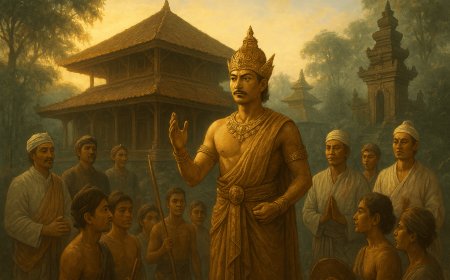
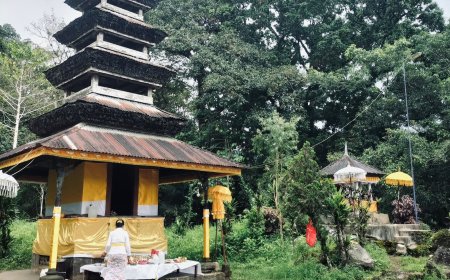
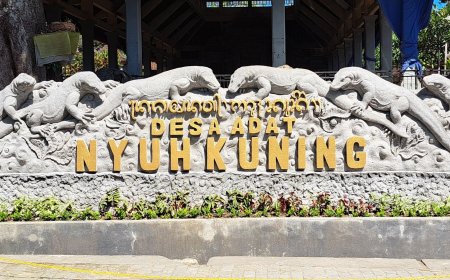
Another significant policy was the invitation of sages (maharsi) to Bali, one of whom was Mpu Kuturan. His arrival greatly influenced the structuring of Balinese society. He reintroduced the Tri Kahyangan concept, which is still practiced today. In this system, each traditional village (desa adat) must have three main temples: Pura Desa to worship Lord Brahma as the creator, Pura Puseh to worship Lord Vishnu as the preserver, and Pura Dalem to worship Lord Shiva and Goddess Durga as the destroyer. This system became the spiritual foundation of Balinese society up to the present.
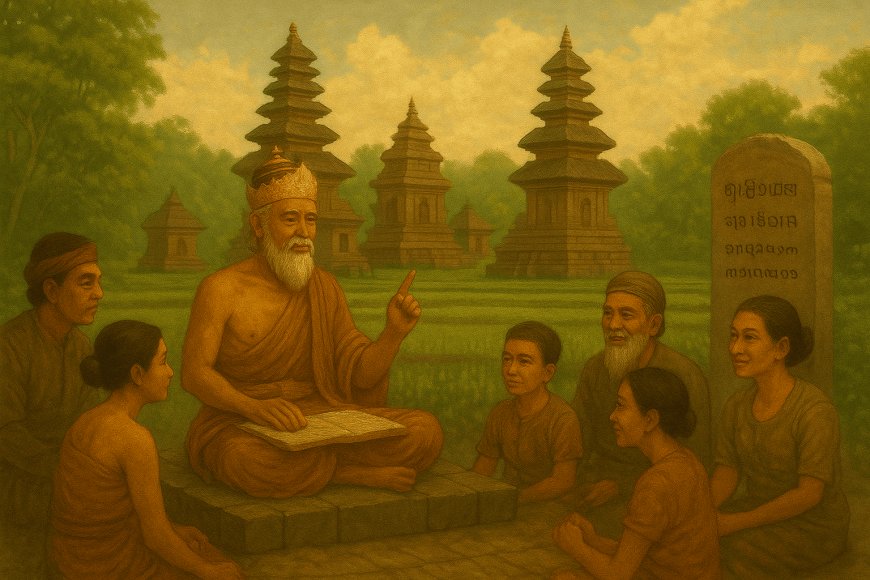
Illustration of AI Mpu Kuturan teaching in front of the community (Source: Personal Collection)
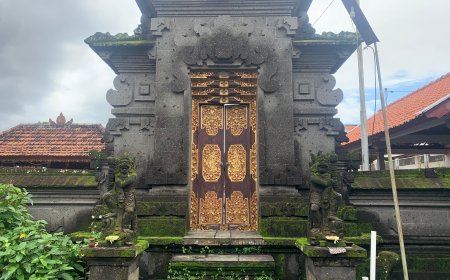
Queen Mahendradatta herself held an important role in the development of Balinese culture. Aside from being queen consort, she also left a spiritual influence. After her death, she was enshrined at Pura Bukit Dharma Kutri in Buruan village, Bali. There stands her statue in the form of Durgamahisasuramardini, the manifestation of Goddess Durga defeating the buffalo-headed demon Mahisasura. This indicates the deep reverence Balinese people had for her, as well as her association with the worship of Goddess Durga.
Meanwhile, King Udayana, after his death, was enshrined at Banu-wka. Although its exact location remains unknown, this record shows the great respect people had for him. As a king, Udayana left behind an important legacy in the form of a more organized system of governance and a well-preserved culture.
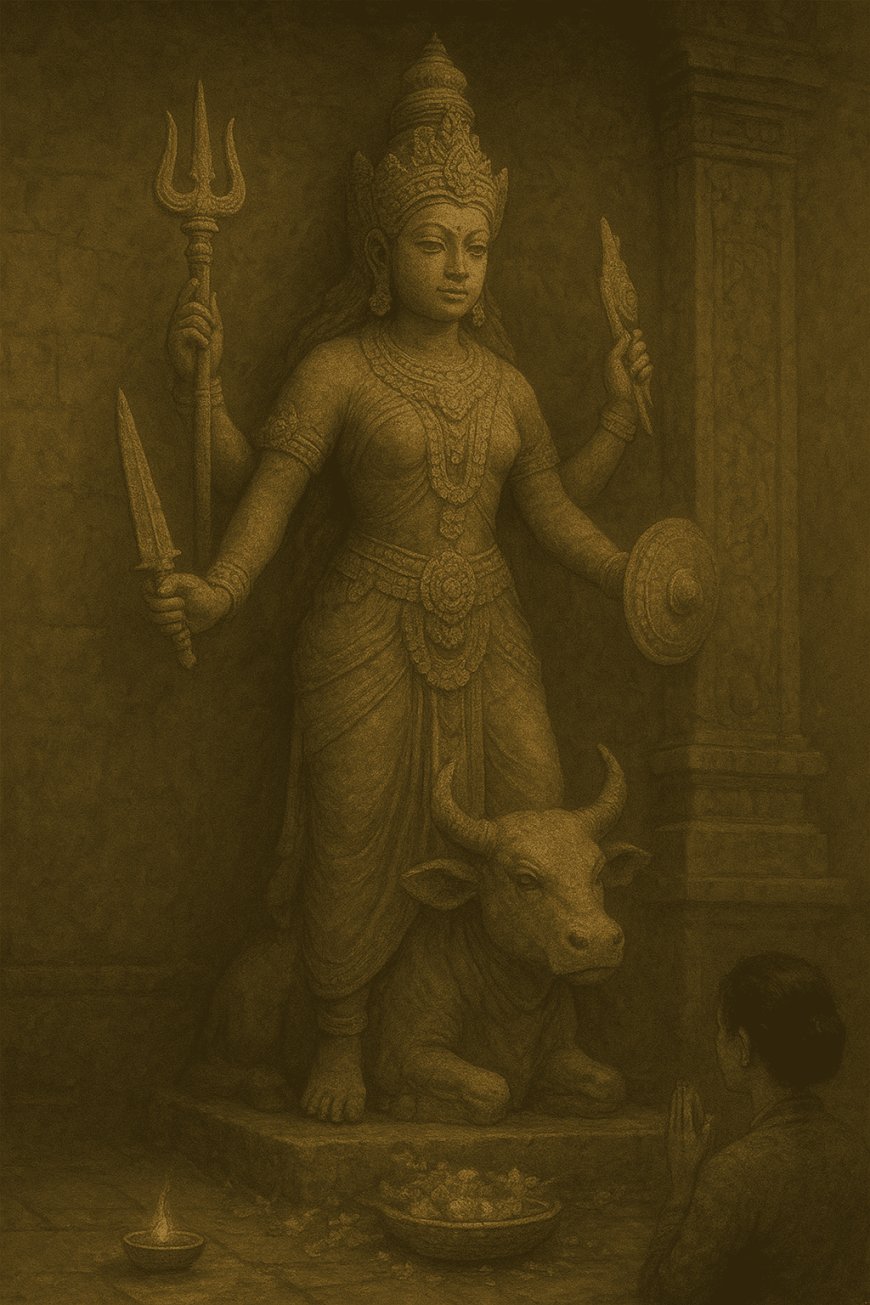
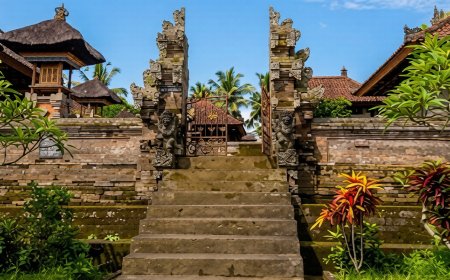
Illustration of AI view of a temple and the Durga Mahisasuramardini statue at Pura Bukit Dharma Kutri for Queen Mahendradatta (Source: Personal Collection)
Life after Udayana and Mahendradatta also reflected the continuity of their influence. Airlangga, who became king in East Java, brought his own glory beyond Bali. Meanwhile, in their homeland, Marakata Pangkaja and Anak Wungsu continued their rule peacefully. Anak Wungsu, in particular, left many inscriptions that reveal the stability of Bali during his reign—a direct legacy of the foundation laid by his parents.
Thus, the reign of King Udayana and Queen Mahendradatta can rightly be called the golden age of Bedahulu. The changes they brought were not only administrative but also cultural and spiritual, with lasting impact up to the present. The Tri Kahyangan system, the adoption of the Kawi language, and archaeological remains such as inscriptions and temples are concrete evidence of their achievements.
This golden age also marked the importance of synergy between Bali and Java. Through political and cultural marriage, a period emerged in which the Balinese people could live in greater order, harmony, and adherence to strong religious values. That legacy has now become an irreplaceable part of Balinese cultural identity.
Source:
Team Penyusun Naskah dan Pengadaan Buku Sejarah Bali, Sejarah Bali, 1980, Pemda Propinsi Daerah Tingkat I Bali.
Ni Wayan Sartini, Rekam Jejak Prabu Udayana dalam Folklor Masyarakat Jawa Timur, 2014, Pustaka Larasan.
Narendra Dev Pandit Shastri, Sejarah Bali Dwipa, 1963, Yayasan Bhuvana Saraswati.