




























The Bali Aga Rebellion: Rejection of the Majapahit Domination of Bali (1343 AD)
Bali Aga, the indigenous people of Bali, preserve ancestral traditions, culture, and kinship systems that existed before the Majapahit era. In the 14th century, Majapahit launched a military expedition to conquer Bali and successfully took control of the central power, but the Bali Aga, who lived in the mountains, resisted this domination through sustained physical and symbolic resistance via customary rituals to maintain their social and cultural sovereignty. In response, Majapahit appointed Sri Aji Krishna Kepakisan, a descendant of native Balinese, as ruler, employing cultural diplomacy that successfully reduced conflict and integrated the Bali Aga into the new administration without erasing their cultural identity, thereby creating stability in Bali’s governance during that period.


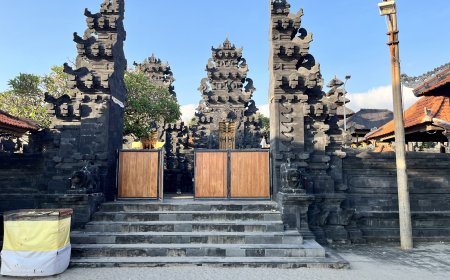
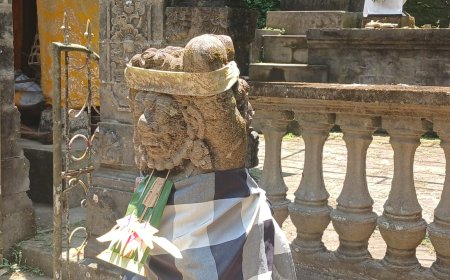
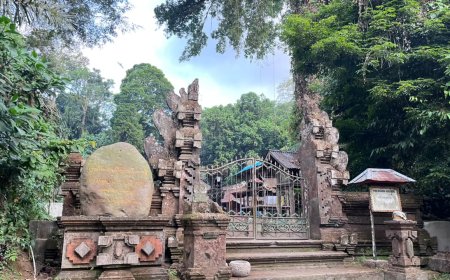
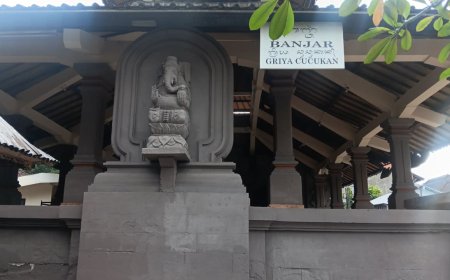
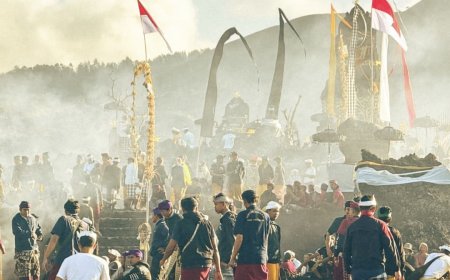
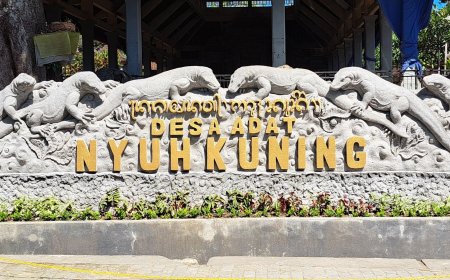
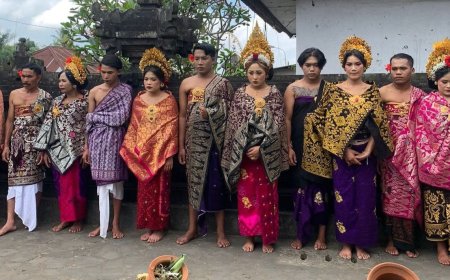
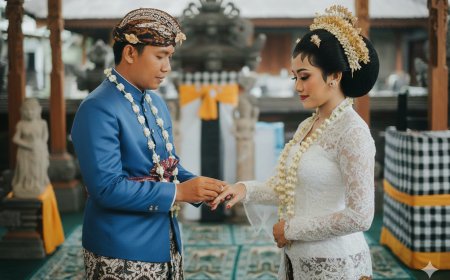
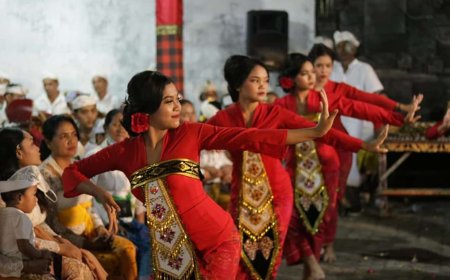
The Bali Aga community inhabits the mountainous regions of Bali, where customs, traditions, and kinship systems predate the Majapahit period and continue to be preserved. This group sustains cultural autonomy, practicing distinctive social and religious customs that represent an authentic form of Balinese culture grounded in ancestral beliefs.
 AI Illustration Bali Aga Residents (Source : Private Collection)
Typically residing in isolated traditional villages, these communities have social structures markedly different from lowland Balinese villages that were influenced by the Majapahit Hindu-Buddhist kingdom. Their rituals and democratic leadership roles are central to their identity and distinguish them from populations shaped by Majapahit culture.

In the 14th century, Majapahit launched a military expedition to Bali after an initial failed attack, led by Mahapatih Gajah Mada in 1343 AD. The mission aimed to conquer the Balinese kingdom then ruled by King Astasura Ratna Bhumi Banten. The second expedition succeeded in overpowering the kingdom with a larger and more organized army.
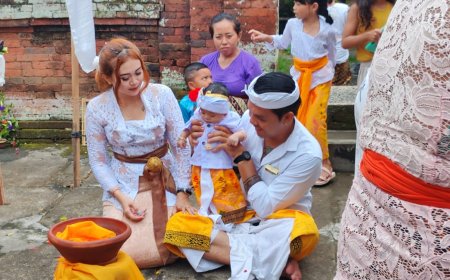
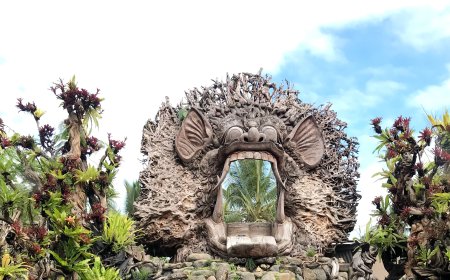
Although the center of power of the Balinese kingdom fell into Majapahit's hands, the Bali Aga people living in the mountainous areas resisted the domination. This resistance from the community disrupted the stability of the new government, resulting in Majapahit's power not being fully accepted by all layers of Balinese society.
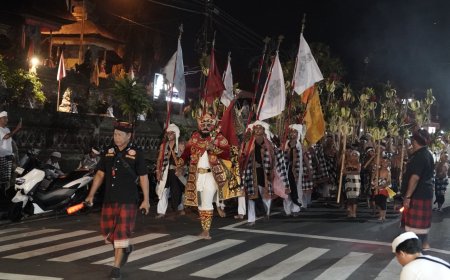
 AI Illustration Bali Aga Community’s Resistance (Source : Private Collection)
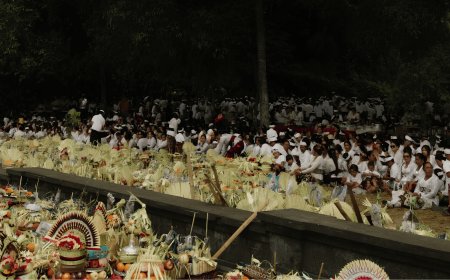
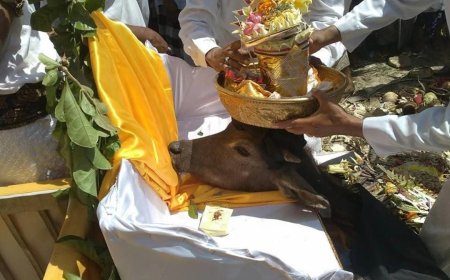
The Bali Aga community maintained continuous resistance against Majapahit's efforts to control the entire Bali, especially through rebellions in mountainous regions. Their ancestral lands and traditions were protected through rejection of Majapahit's policies perceived as threats to their native cultural existence.
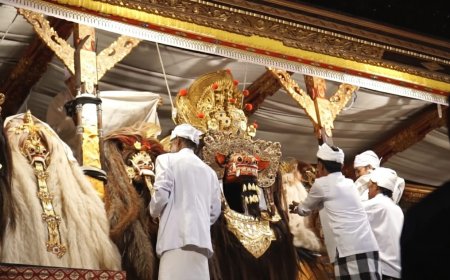
The resistance was not only physical conflict but also symbolic reinforcement through customary rituals that safeguarded social sovereignty and belief systems distinct from communities influenced by Majapahit in the lowland villages. This conflict posed a significant challenge to the overall consolidation of Majapahit in Bali.
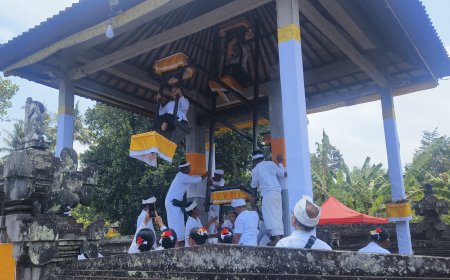
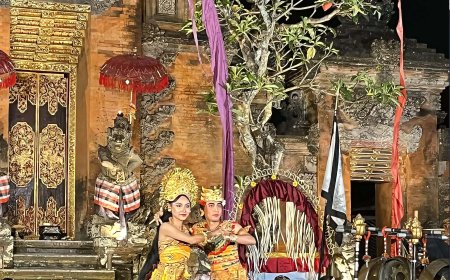
 AI Illustration Shri Aji Krisna Kepakisan Discussing with Bali Aga Elders (Source : Private Collection)
Majapahit responded by appointing King Sri Aji Krishna Kepakisan, who had indigenous Balinese lineage, as the regional ruler. This approach combined political power with cultural diplomacy that respected Bali Aga customs and sacred sites to ease tensions.
This strategy successfully minimized conflicts and integrated the Bali Aga community into the new government without erasing their cultural identity. The policy brought stability to Majapahit's administration in Bali and was accepted by the Bali Aga people.
Bibliography:
Alit, Dewa Made. “Political Strategy of Majapahit to Conquer the Kingdom of Bali 1352-1380 AD.” 2018, Journal of History Education, History Education Study Program FPIPS IKIP PGRI Bali.
Subawa, I. B. G. “Hindu Religion and Balinese Culture: The Noble Heritage in the Bali Aga Community.” 2024, Kamaya Journal.
Sapta Jaya, I. B. “Chronology of Gajah Mada's Conquest of Bali.” 2018, Indonesian History Journal.
Liefrinck, M. “Bali Aga Traditions.” 1989, in Bali: Studies in Life, Thought, and Ritual.
Soebandi, I. “History of Bali's Conquest by Majapahit.” 2003.