






The Spiritual Legacy of Dang Hyang Nirartha: A Sacred Priest and Spiritual Guide of Balinese Hinduism
Dang Hyang Nirartha (also known as Mpu Nirartha / Dang Hyang Dwijendra) was a Hindu Śaiva priest from Java during the fall of Majapahit. He undertook a dharmayatra to Bali in the late 15th century, introduced the padmasana as a symbol of direct worship to Ida Sang Hyang Widhi Wasa, and founded many important temples such as Uluwatu and Tanah Lot. His teachings and legacy remain the spiritual foundation of Balinese Hinduism today.

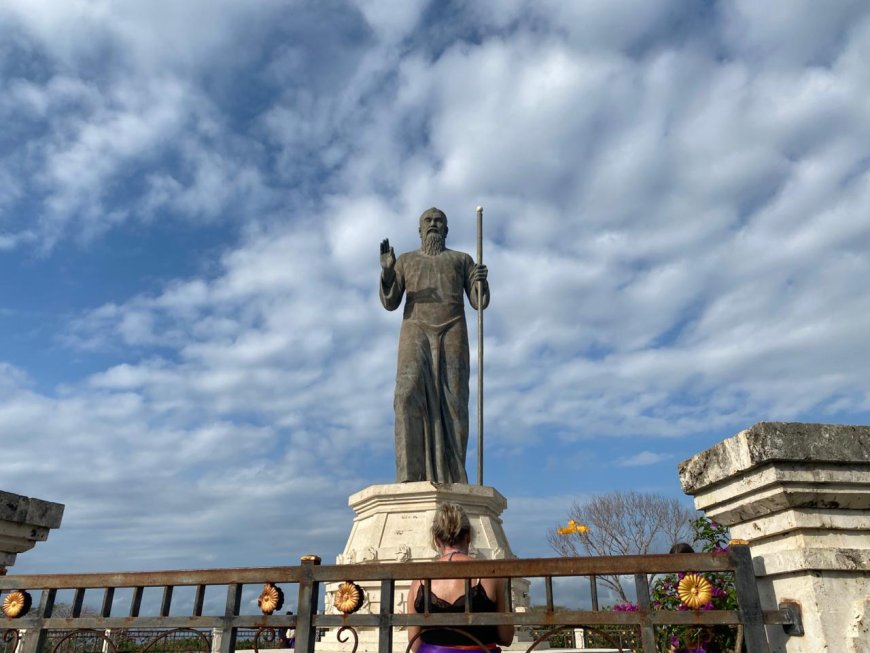
Dang Hyang Nirartha also known by various names such as Ida Pedanda Sakti Wawu Rauh, Mpu Nirartha, and Dang Hyang Dwijendra was recognized as Pangeran Sangupati in Lombok and Tuan Guru Semeru in Sumbawa. He was a Hindu Śaiva priest born in Java during the final period of the Majapahit Kingdom and spent much of his later life in Bali. Through his teachings and actions, Nirartha successfully integrated Śaiva theology with the spiritual practices of Balinese society, which had previously been strongly influenced by Javanese-Hindu traditions.
This figure came from Daha (Kediri), East Java, and was educated as a Śaiva Brahmin. He later embarked on a religious journey (dharmayatra) to Bali in the late 15th century, precisely when the Majapahit Kingdom collapsed due to civil wars and attacks by the Islamic Demak Sultanate (Astara, 2016). At that time, many Hindus migrated to other regions, while nobles and clergy chose Bali, where Hindu traditions remained strong. In Balinese tradition, Nirartha is regarded as the ancestor of the Śaiva priests, and his spiritual legacy continues to be inherited by the Balinese Brahmin community to this day (Dwijendra Tattwa, n.d.).
In the late 15th century, the collapse of Majapahit weakened Hindu influence in Java. Many Hindus relocated to regions such as Pasuruan, Blambangan, Banyuwangi, or mountainous areas like Tengger and Bromo, while nobles and priests moved to Bali, which still upheld Hindu traditions. One of these priests was Dang Hyang Nirartha, who, in 1489, arrived in Bali during the reign of King Sri Dalem Waturenggong for a dharmayatra.

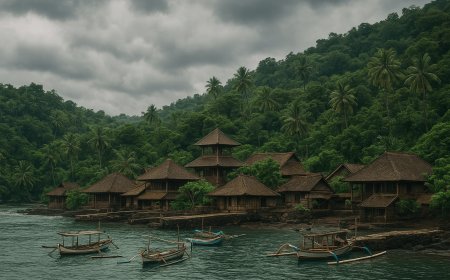
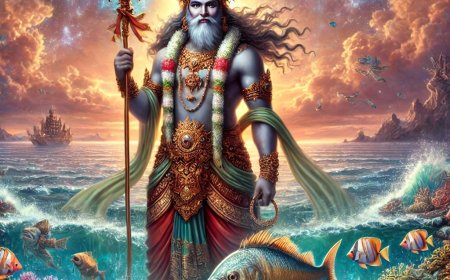
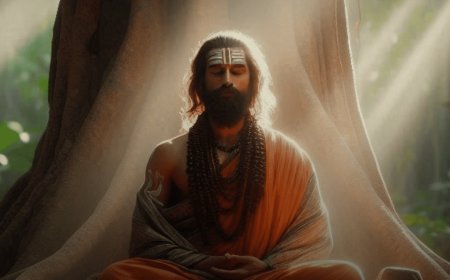
AI Illustration Dharmayatra of Dang Hyang Nirartha (Source: Personal Collection)
Although he briefly studied Islam, Nirartha remained steadfast as a Śaiva Hindu, particularly adhering to Śaiva Siddhānta, with an emphasis on the worship of Sadasiwa. One of his most important reforms was the introduction of the padmasana, an altar in the form of an empty throne symbolizing direct worship of Ida Sang Hyang Widhi Wasa (Cokorda Putra & Wardani, n.d.). Since then, the padmasana has become a hallmark of Balinese temples, reaffirming the focus of Hindu worship on the Supreme God.

AI Illustration Padmasana Altar (Source: Personal Collection)
During his spiritual journey, Dang Hyang Nirartha established many temples in Bali, especially in the south, such as Pura Rambut Siwi, Pura Petitenget, and Pura Melanting known as Pura Dang Kahyangan (Ardiyasa, 2020). He also undertook dharmayatra to Lombok and Sumbawa, where he was known by various titles. In Bali, Nirartha settled in Desa Mas, married, and had descendants whom he ordained as priests. He left two important bhisama (sacred instructions) for his descendants: not to worship pratima (statues) and to pray only at temples that had a padmasana (Budihardjo, n.d.). His life came to an end at Pura Luhur Uluwatu, where he attained moksha. To this day, Nirartha’s teachings and legacy endure through the presence of temples and padmasana in Bali.
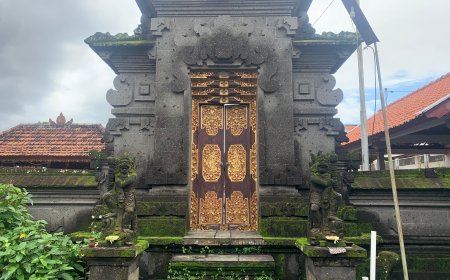
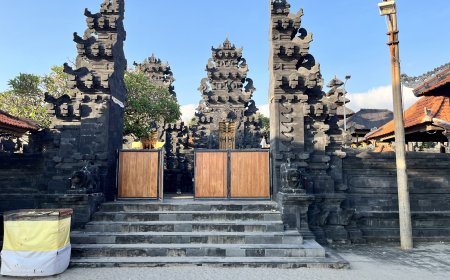
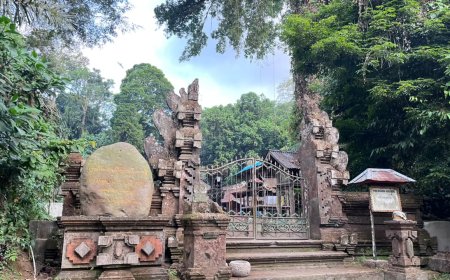
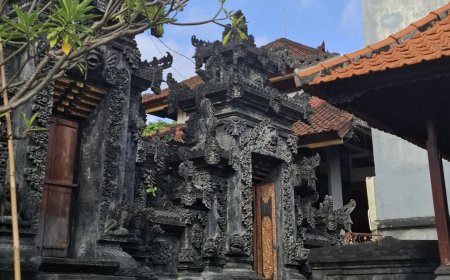
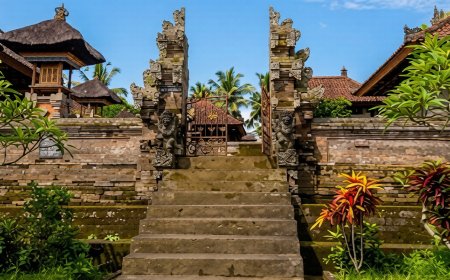
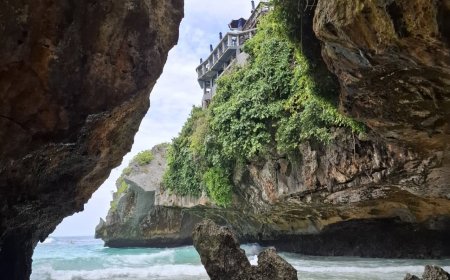
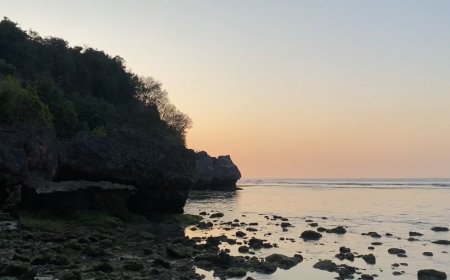
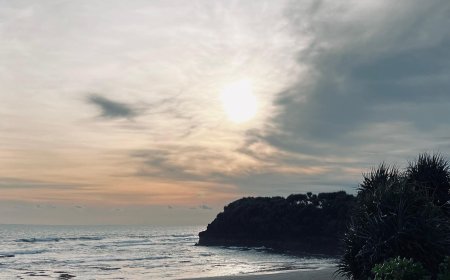
Nirartha’s spiritual footprints are preserved in several important sites in Bali, including: Pura Luhur Uluwatu, believed to be the place where he attained moksha (Ardiyasa, 2020). Pura Tanah Lot, believed to have been founded by him after a conflict with the local ruler. Various coastal temples and Kahyangan Tiga shrines whose structures he strengthened during his religious journey. These sites today serve not only as centers of worship but also as destinations for religious and cultural tourism.
The main purpose of Nirartha’s journey to Bali was to carry out a dharmayatra or sacred pilgrimage. This mission also became a spiritual endeavor to strengthen Hindu Śaiva teachings and reorganize the priesthood system in Bali. His reforms were significant, as Balinese society at the time needed spiritual revitalization after the fall of Majapahit. Among his reforms was the introduction of the padmasana, an empty throne altar symbolizing the Supreme God, which encouraged Balinese Hindus to focus their worship directly on Ida Sang Hyang Widhi Wasa (Astara, 2019).

AI Illustration Legacy of Dang Hyang Nirartha (Source: Personal Collection)
Nirartha’s reforms and teachings were realized through his travels across Bali, temple construction, the introduction of the padmasana, restructuring the Kahyangan Tiga system, and strengthening the Śaiva priesthood. He also emphasized the teaching of moksha, or liberation from the cycle of samsara, which remains central to Balinese Hindu spirituality. Folklore further enriches his spiritual legacy, such as the story of Nirartha arriving on a giant gourd and attaining moksha at Uluwatu. Though mythological in nature, these stories reinforce his sacred status and the reverence accorded to him across generations.
Reference:
- Ardiyasa, I. N. S. (2020). Tracing the journey of Dang Hyang Nirartha in Bali. Sanjiwani: Journal of Philosophy, 9(2). Hindu State University I Gusti Bagus Sugriwa Denpasar.
- Cokorda Putra, & Wardani, A. A. A. C. (n.d.). Typology and form of Padmasana shrine structures. Widya Teknik, 12(1). Indonesian Hindu University.
- Astara, I. W., Mardika, M., & Sujaya, N. (2016). The construction of local wisdom values in the journey of Dang Hyang Nirartha in Tuban Village and Denpasar City. Wicaksana, 25(2).
- Budihardjo, R. (n.d.). The influence of monarchical governance on Balinese architecture. NALARs, 11(2).
- Dwijendra Tattwa. (n.d.). Traditional Balinese Lontar manuscript on Dang Hyang Nirartha.