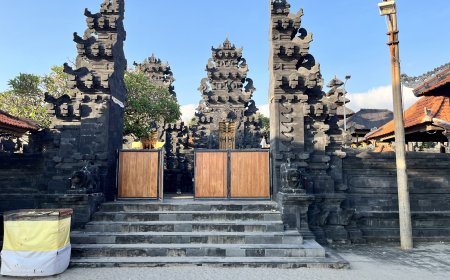
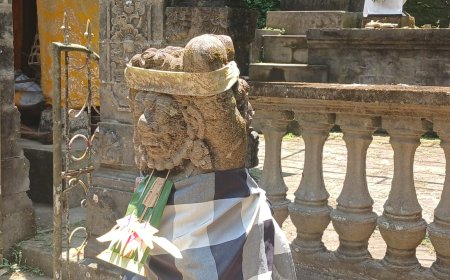
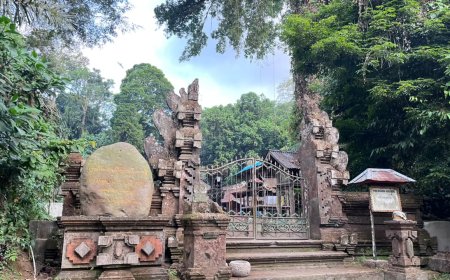
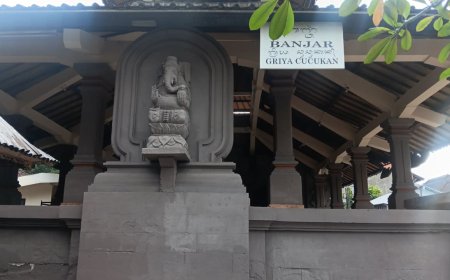














The Traces of the Baturan Inscription: The Journey of Batuan Village into an Art Village
Batuan Village, located in Sukawati, Gianyar, is renowned as an art village with a long history and rich traditions. During the reign of Paduka Haji Sri Dharmawangsa Wardana Marakata Pangkaja Stanottunggadewa, a copper inscription was engraved, signifying the relationship and regulations of the ancient Batuan community concerning traditional arts in Bali. This inscription, known as the Baturan Inscription, has been preserved to this day.

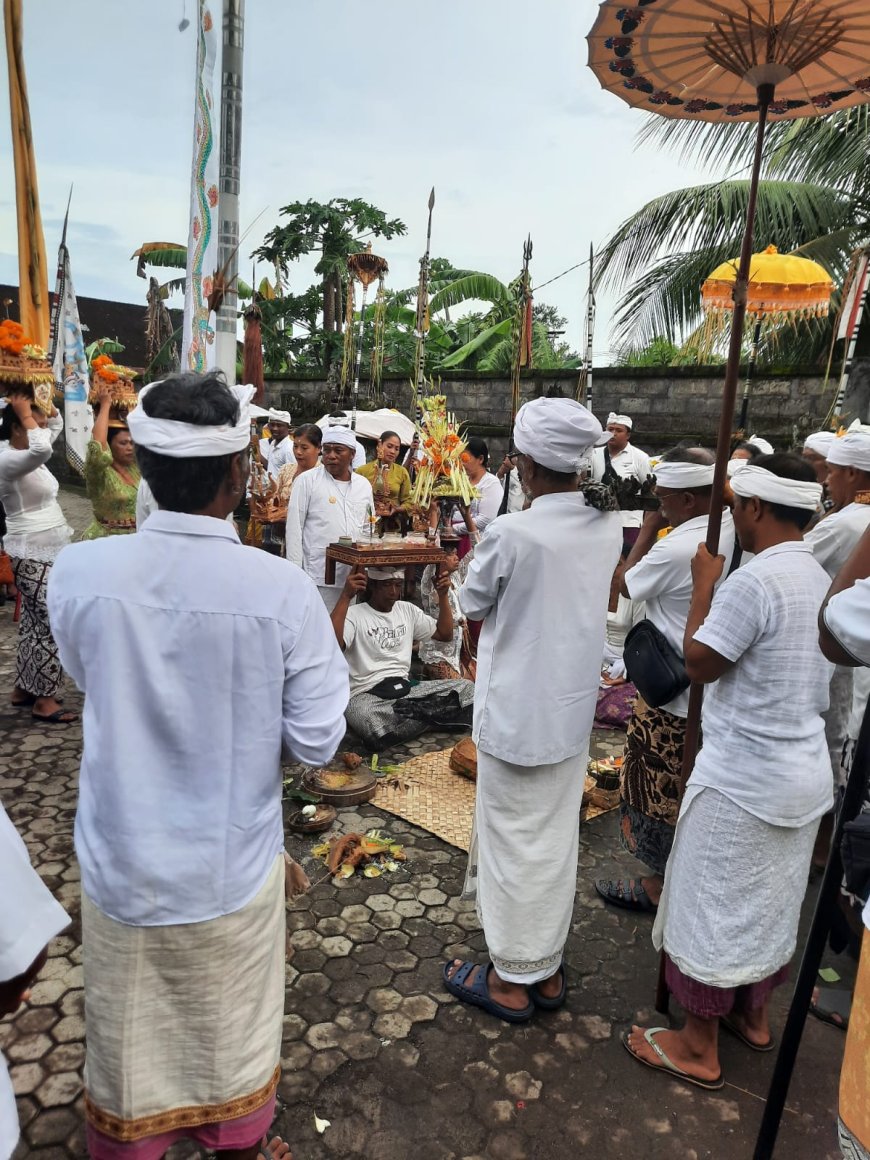
Bali is one of the greatest cultural centers in Indonesia, where almost every region has its own distinctive traditions and the sacred value of taksu passed down through generations. One such place is Batuan Village in Sukawati District, Gianyar. This village holds strong historical potential while also being known as a living space for various traditional arts that remain preserved to this day.
During the reign of the Warmadewa Dynasty, the village was known as Baturan. Over time, the name shifted to Batuan, derived from the word batu (stone). This name reflects the rocky condition of the village’s landscape. The everyday use of the name gradually transformed Baturan into Batuan, a name that continues to be used today.
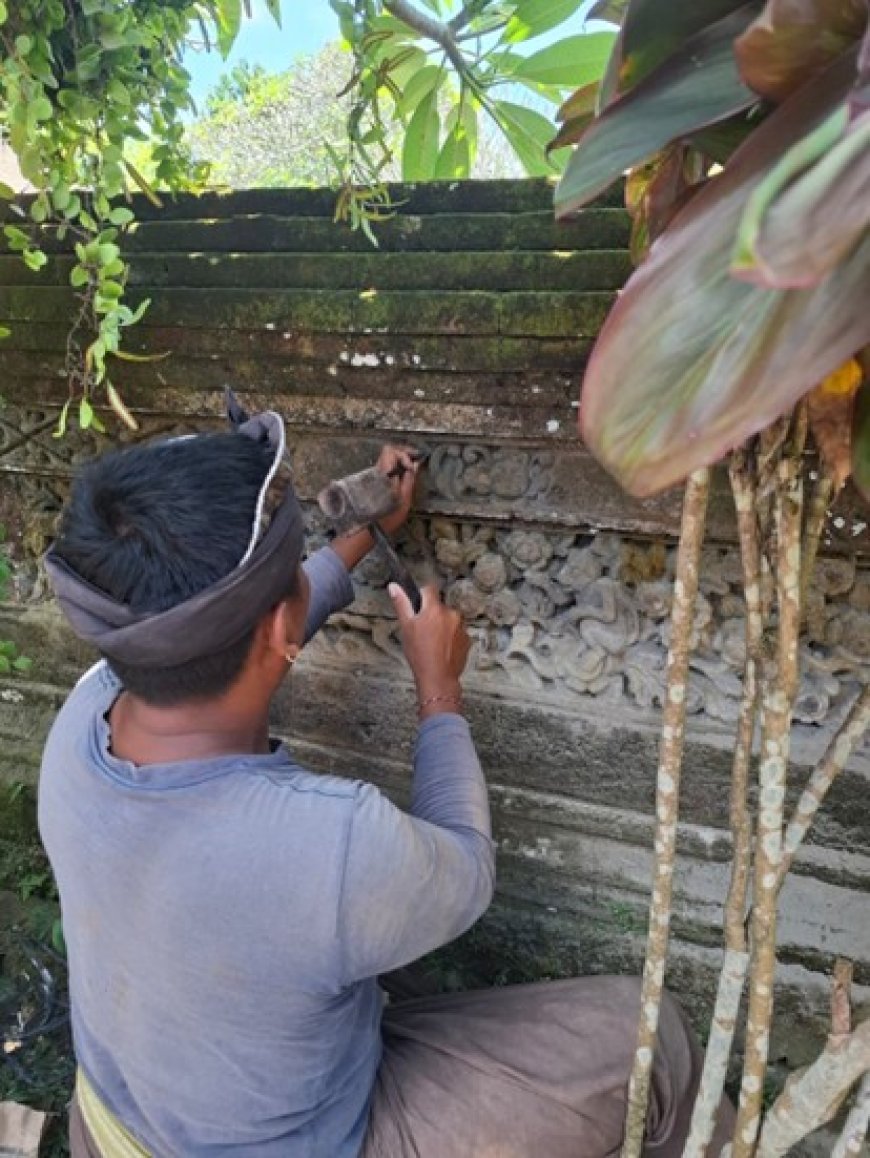
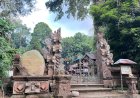
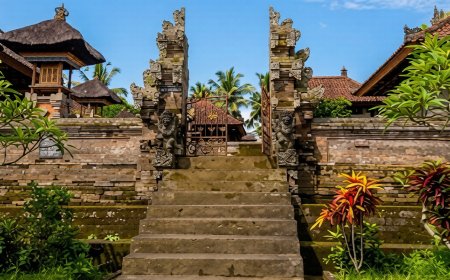
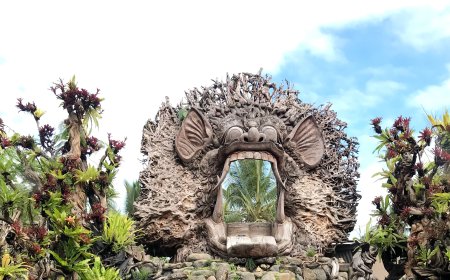
Stone-Carving Art Still Preserved To This Day (Source: Author Collection)
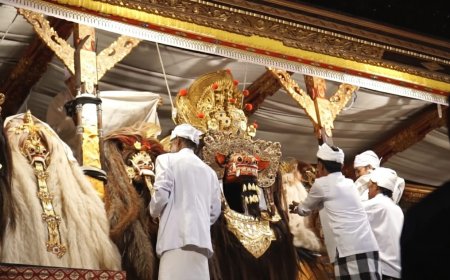
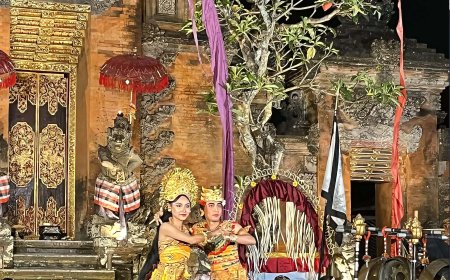
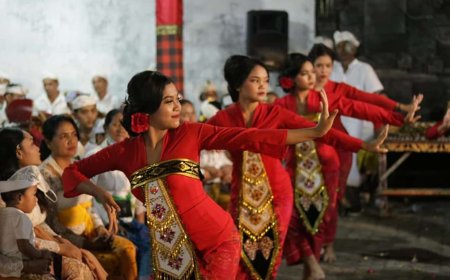
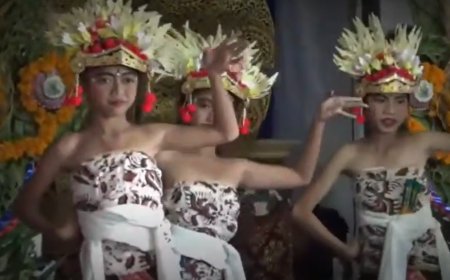
Batuan Village is often referred to as gumi seni (the land of art), and this title is not without reason. Various art forms are still preserved and passed down through generations. In Banjar Puaya and Peninjoan, traditions of crafting barong, rangda, wayang kulit, masks, and dance headdresses (gelungan tari) are still maintained. Meanwhile, Banjar Jeleka is known for its craftsmanship of kris, spears, staffs, and flutes. Painting flourishes in Pekandelan, Banjar Griya, and Banjar Dlotunon, also known as Citrakara. Wood carving and script-painting (lukis tulis) continue to live in Banjar Tegeha, Bucuan, Penataran, and Dentiyis. These artistic traditions form the identity of Batuan and are continuously passed down from one generation to the next.
The continuity of art in Batuan Village cannot be separated from the existence of the Baturan Inscription. This copper inscription is dated to the Saka year 944, or December 26, 1022 AD, making it more than a thousand years old. The inscription was engraved during the reign of Paduka Haji Sri Dharmawangsa Wardana Marakata Pangkaja Stanottunggadewa, known briefly as King Marakata. In terms of content, the Baturan Inscription affirms the relationship and arrangements of karaman i baturan, which include the presence of art and culture in ancient Bali. This record simultaneously serves as evidence of royal recognition toward local professional artists and cultural figures. It is no wonder that the Baturan Inscription is crowned as the oldest art inscription in Bali, marking the long journey of art on the island.
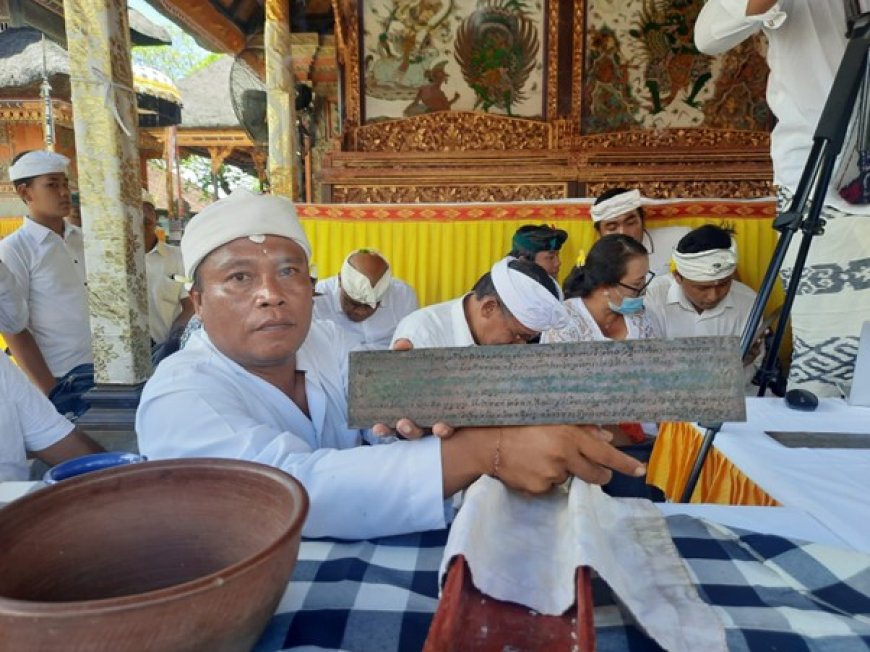
One Of The Copper Plates Of The Baturan Inscription (Source: Author Collection)
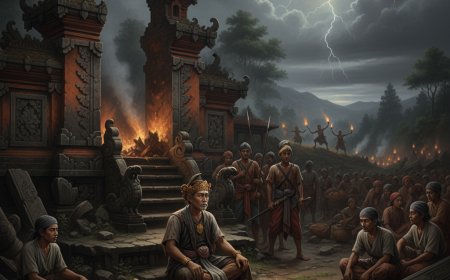
The Baturan Inscription was born from a request of the people. On December 26, 1022, the villagers of Batuan Sepaksutani, led by Bhiksu Widiya as the hermit, Bhiksu Sukaji as the village head, and Mamudri Gawan as the village scribe, appeared before King Marakata. They were accompanied by a Shaivite priest named Mpu Gupit from Nguda Laya. Their purpose was to request relief from the burden of ayah-ayahan or harvest taxes, which were considered heavy by the community at that time.
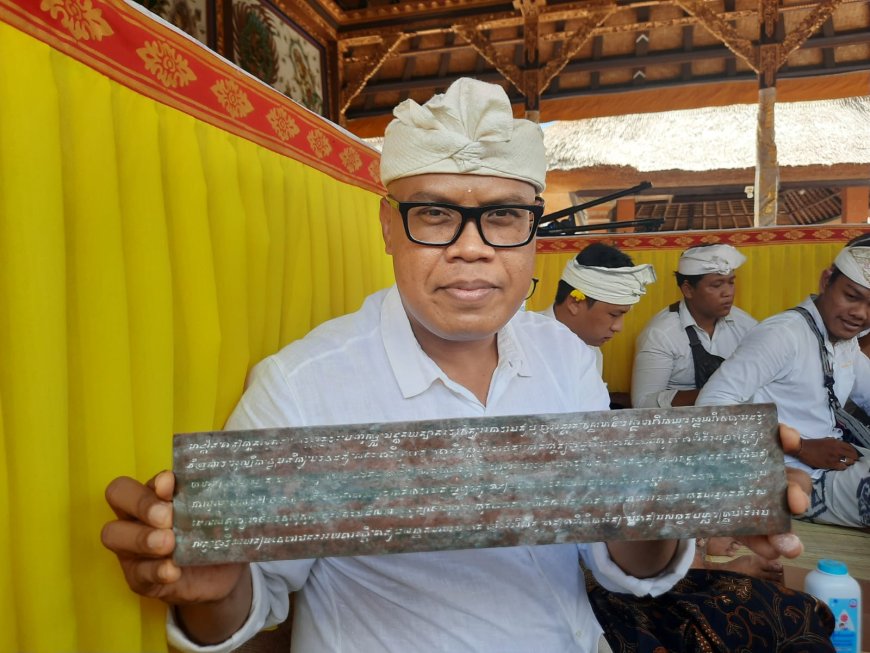
Inscription Plate of Baturan 1b (Source: Author Collection)
1. ⚬Iᶇ śaka 944 posyamasa, tithi pratipāda śuklapakṣa, ma, wa, bu wara wukir, ⚬irikā diwasa nikaᶇ karāmān ⚬i baturan sapasu
2. k thāni, hulu kayu maṅaran bhikṣu widya, manurataᶇ tambĕḥ, mamudri gawan, rāma kabayan bhikṣu sukaji, mwaᶇ wanotara, sandugaᶇ, mana, bahi⚬ḷᶇ manambaḥ
3. ⚬i pāduka haji śri dharmmawaṅśawardhanamarakatapaṅkajasthānottuṅgadewa, makasopāna mpuṅku riᶇ ṅudayalaya, ḍaṅacaryya tikṣĕṇa, mwaᶇ samgat nā
4. yakanāsba pu gupit, makasambanḍa, majarakĕn bhara ni buñcaᶇ hajinya makmitan kebwan pāduka haji saᶇ siddha dewata lumaḥ riᶇ ṅer wka, ⚬iᶇ ṅer paku, binaba
5. danya ⚬aṅkĕn pratipāda sukla, ⚬atĕhĕr makabuñcaᶇhaji ⚬ikanaᶇ paṅudwan bhaṭara ⚬i baturan, maᶇhanakĕn caru pamujā, yan hana pakon pāduka haji, ⚬anĕ
6. hĕr niᶇ mikul ⚬ikaᶇ palbur mare japura, maṅkana rasa ni panambaḥ nikaᶇ karāmān ⚬i baturan sapasuk thani, kunaᶇ pwa saṅka ri kadharmmeṣṭan pāduka hal
Translation
1. In the year Saka 944, in the month of Posya, on the first day of the bright fortnight, on Maulu (Sadwara), Wage (Pancawara), Wednesday (Saptawara), Ukir (Wuku), that was the time when the entire region of Batuan Village,
2. represented by the forestry official named Bhiksu Widya, the village secretary named Tambeh, Mamudri named Gawan, the customary leaders named Bhiksu Sukaji, Wanotara, and Sandung, appeared
3. before His Majesty King Sri Dharmawangsa Wardhana Marakata Pangkajasthanottunggadewa, through the mediation of the priest at Udayalaya named Dang Acaryya Tiksena, and the Samgat Nayakan Asba
4. named Pu Gupit. The reason they came before the king was to express their objection regarding the work of guarding the royal gardens of His Majesty, who had become a deified ancestor enshrined at Air Wka and Air Paku,
5. on every first day of the bright fortnight (sukla paksa), as well as various corvée labor obligations (ngayah) during ceremonies of worship to the deities at Baturan, which involved caru rituals at the king’s command,
6. and likewise concerning the obligations in Japura. Such was the petition of the people of Baturan Village and its surrounding region. Yet, because of the majesty and authority of His Majesty the King…
The petition contained three main requests: exemption from ngayah rodi or forced labor, elimination of responsibility for certain taxes, and cessation of the obligation to provide offerings or penangu to royal officials. However, the community remained obliged to present offerings and maintain worship at the Kahyangan Tiga temples, which are the spiritual centers of the village. This request reflected the aspirations of the people to live more prosperously without being overly burdened, while still upholding their religious duties.
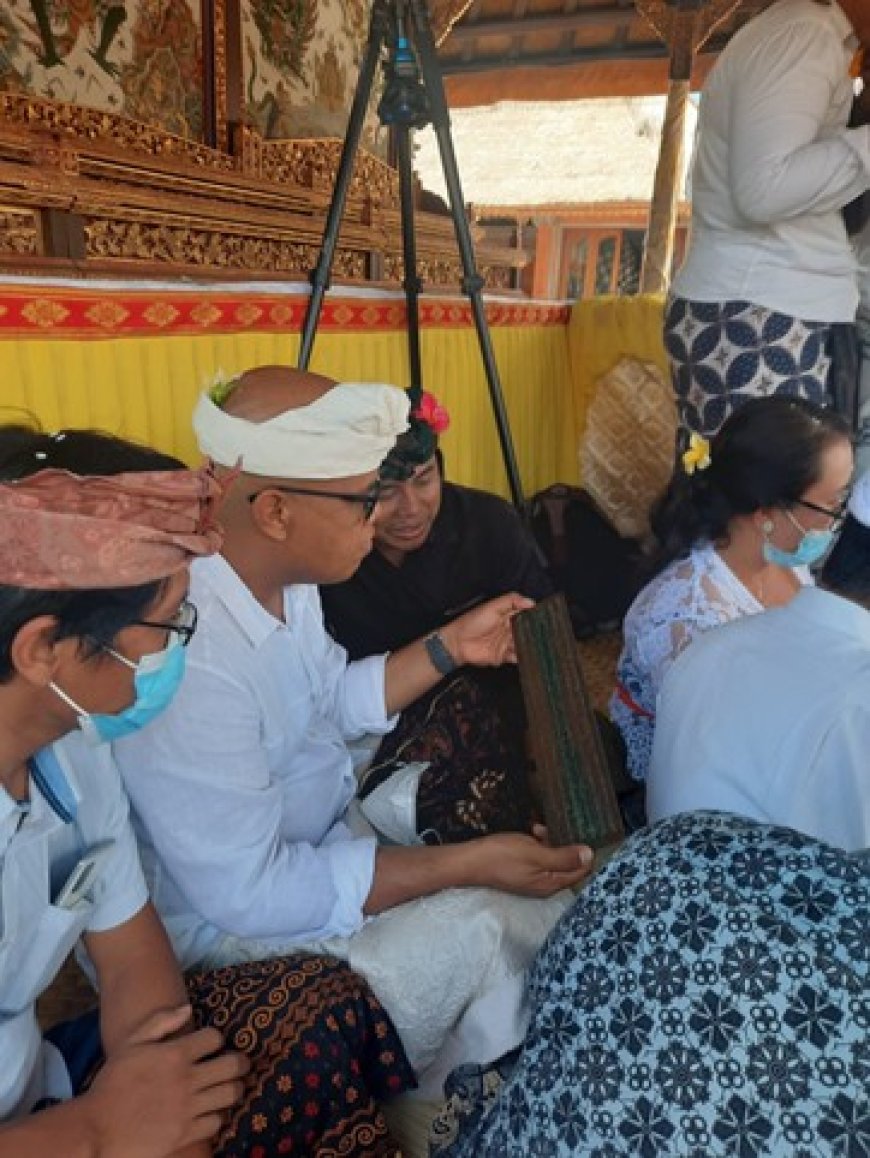
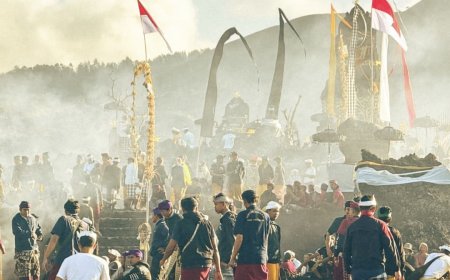
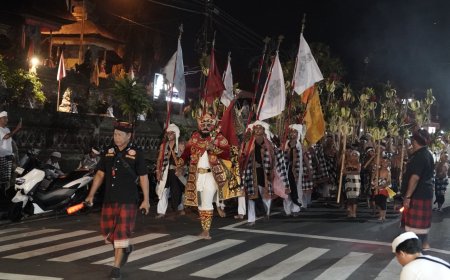
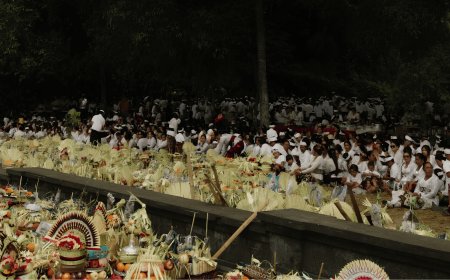
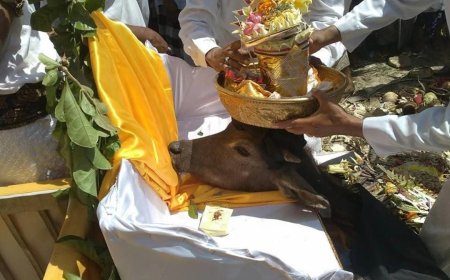
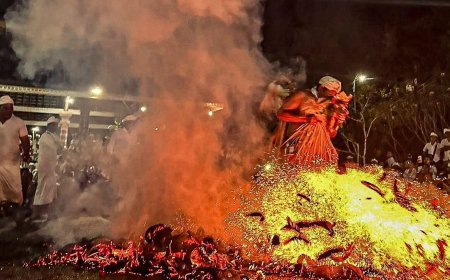
Recitation Of The Baturan Inscription On Saraswati Day (Source: Author Collection)
Hearing this petition, King Marakata displayed his wisdom. He expressed concern for the people of Batuan, and out of compassion and remembrance of ancestral blessings, he granted their request. This important decision was then immortalized in the inscription dated to the Saka year 944, which still stands as tangible proof of the bond between king and people, as well as recognition of the village’s existence as a center of art and culture.
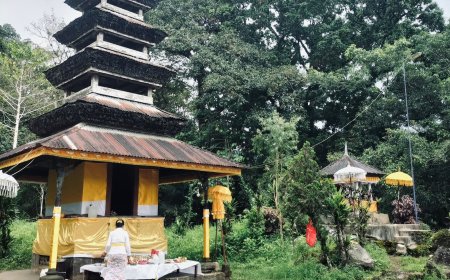
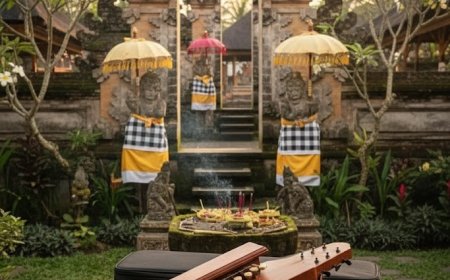
To this day, the Baturan Inscription is not only regarded as a historical document but is also revered religiously by the community. It is worshiped under the name Ida Sanghyang Aji Saraswati, which is philosophically believed to be the protector of Batuan villagers and the surrounding areas. The piodalan, or special commemoration of the inscription, falls on Saturday Umanis Watugunung, and is celebrated with profound spiritual significance by the villagers.
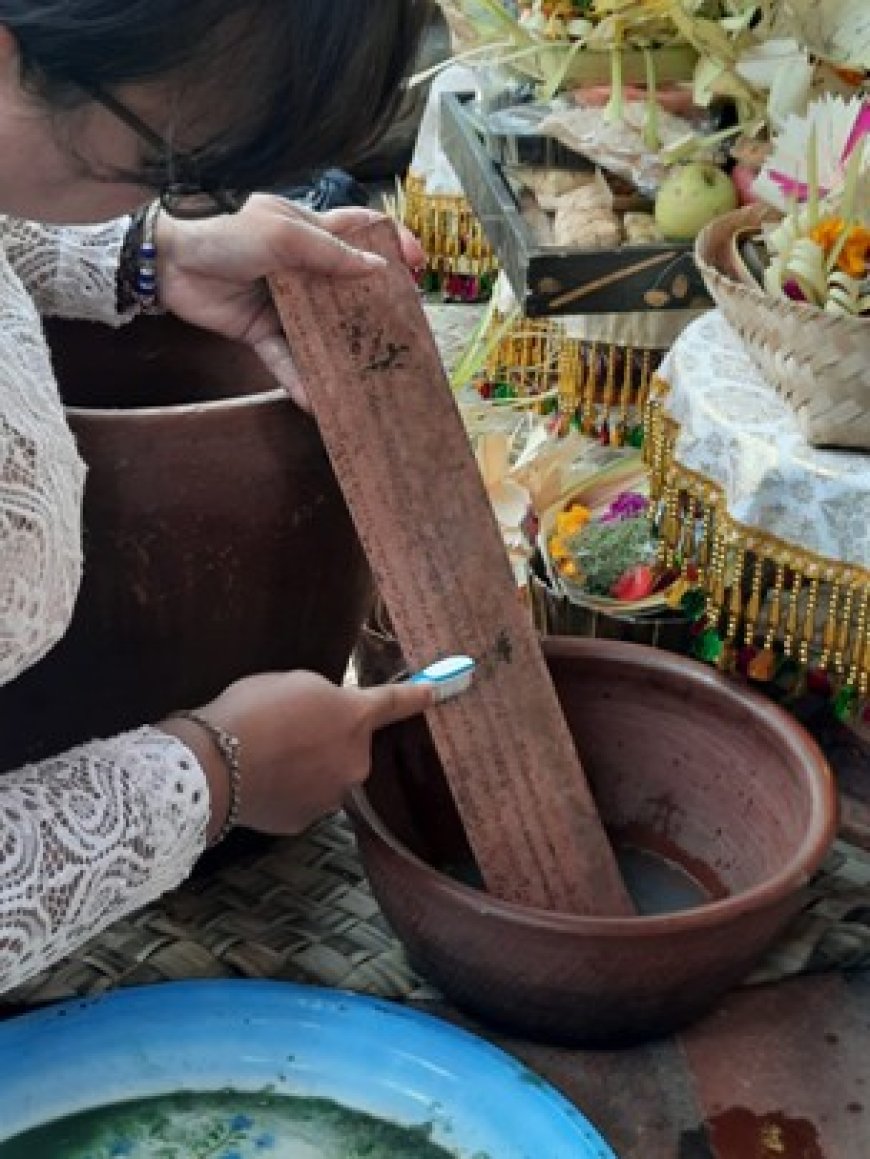
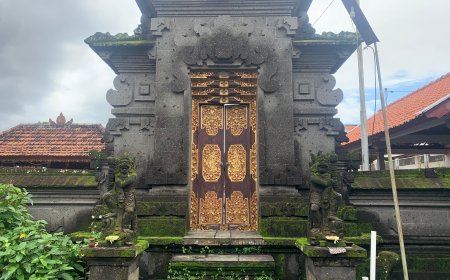
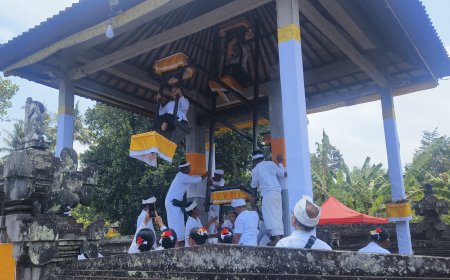
Careful Preservation Of The Baturan Inscription By The Community (Source: Author Collection)
More than just a historical relic, the Baturan Inscription is an important symbol of recognition of Balinese art and culture since ancient times. Its existence affirms the identity of Batuan Village as an art village and stands as a witness to the long journey of traditions that remain alive and thriving to this day.
References
Bandem, I. M. (1996). Etnologi Tari bali. Yogyakarta: Kanisius.
Budiarsa, I. W. (2022). Pengkajian Seni Dramatari: Nilai Pendidikan Pada Tokoh Potret Dalam Pertunjukan Dramatari Gambuh Gaya Desa Batuan Gianyar . Widyadharma 1, Inovasi Pembelajaran Pendidikan Seni Drama, Tari dan Musik.
Formaggia, M. C. (2000). Gambuh Drama Tari Bali, Wujud Seni Pertunjukan Gambuh Desa Batuan dan Desa pedungan Jilid 2. Jakarta: Yayasan Lontar.
Penyusun, T. (2021, September 13). Profil Perkembangan Desa Batuan. Retrieved from Batuan.id: https://www.batuan.desa.id