






When Balinese Traditional Art Finds Its Way to a Wider Stage: Wahyu Giri Swara Studio
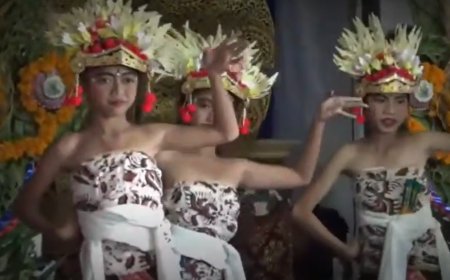
Starting as a training center for Balinese dance and percussion, Sanggar Wahyu Giri Swara has evolved into a cultural preservation platform that actively collaborates across performance spaces. Through its tiered training system and extensive performance experience, the studio plays a vital role in nurturing the next generation of Balinese traditional arts practitioners.

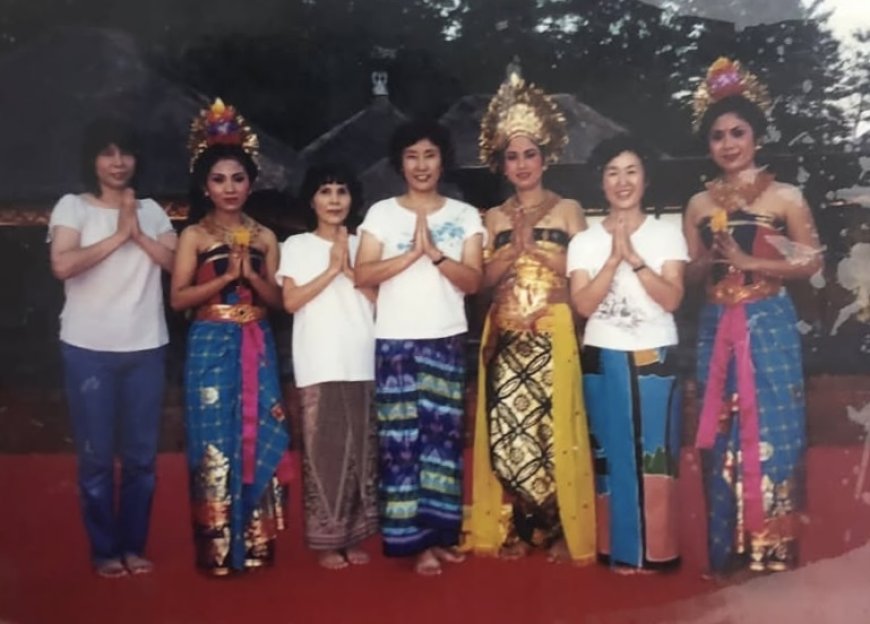
Sanggar Tari dan Tabuh Wahyu Giri Swara is an arts training institution that aims to provide a space for the younger generation to learn and preserve Balinese arts. The name Wahyu Giri Swara means a great blessing that is hoped to bestow grace upon every student in the process of learning the arts. This studio was established based on the leader’s aspiration to sustain Balinese art and culture amid the developments of modern times.
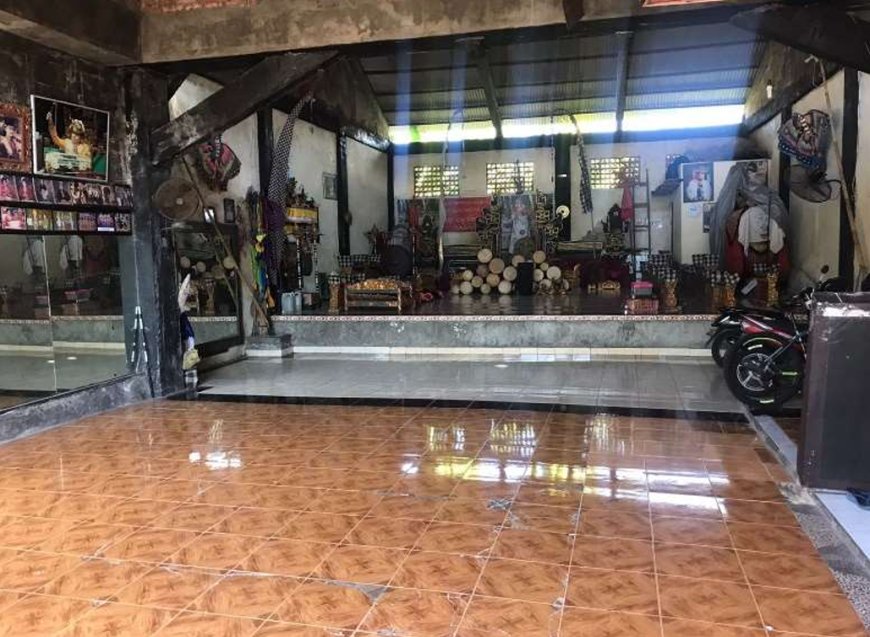
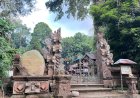
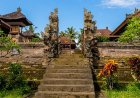
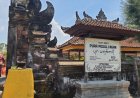
Wahyu Giri Swara Studio Venue (Photo Source: Studio Collection)
Initially, the studio was founded in 1993 and located in Tanjung Benoa Village under the name Lingga Sempurna. Over time, the founder settled permanently at Perumahan Taman Jimbaran III No. B/86, Jimbaran Village, which led to the relocation of the studio to that address. The studio later became known as Sanggar Tari dan Tabuh Lang-Lang Bhuana IV, a branch of Sanggar Tari Lang-Lang Bhuana in Denpasar, before officially changing its name in 2019 to Sanggar Tari dan Tabuh Wahyu Giri Swara for government licensing purposes.
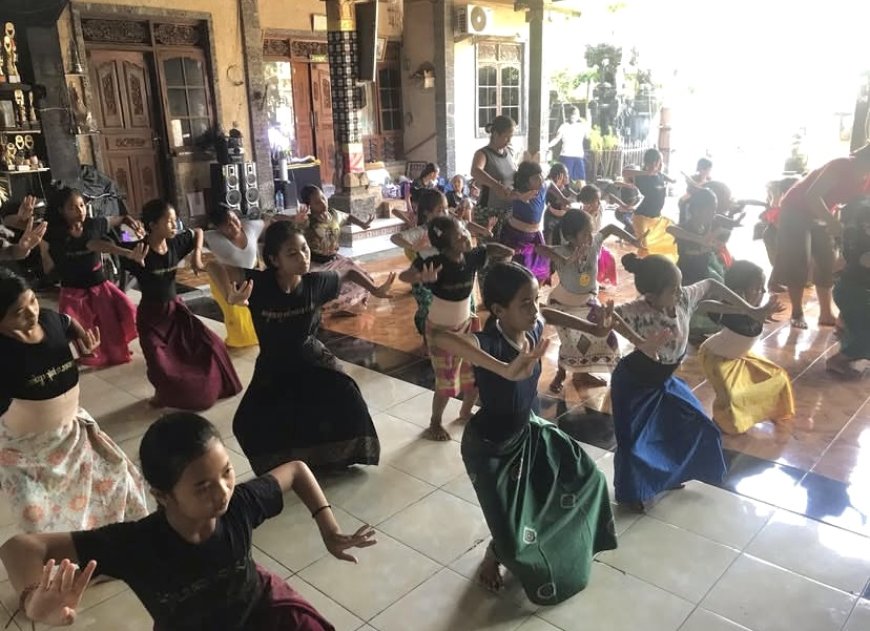
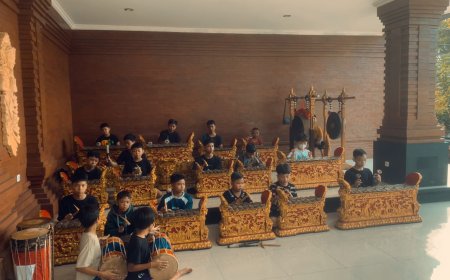
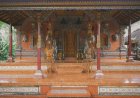
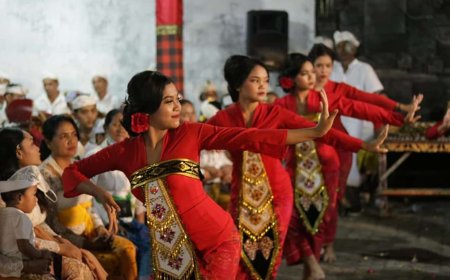
Children Practicing Pance at The Wahyu Giri Swara Studio (Photo Source: Studio Collection)
Sanggar Tari dan Tabuh Wahyu Giri Swara is chaired by I Ketut Sudiarta, S.Skar., and in its early years focused solely on Balinese dance training, with most of its students being children. As public interest increased, particularly in the South Kuta area, the studio began to expand its activities by offering traditional music (tabuh) training starting in 2005. To date, the studio accommodates approximately 100 active students of dance and tabuh from various regions.
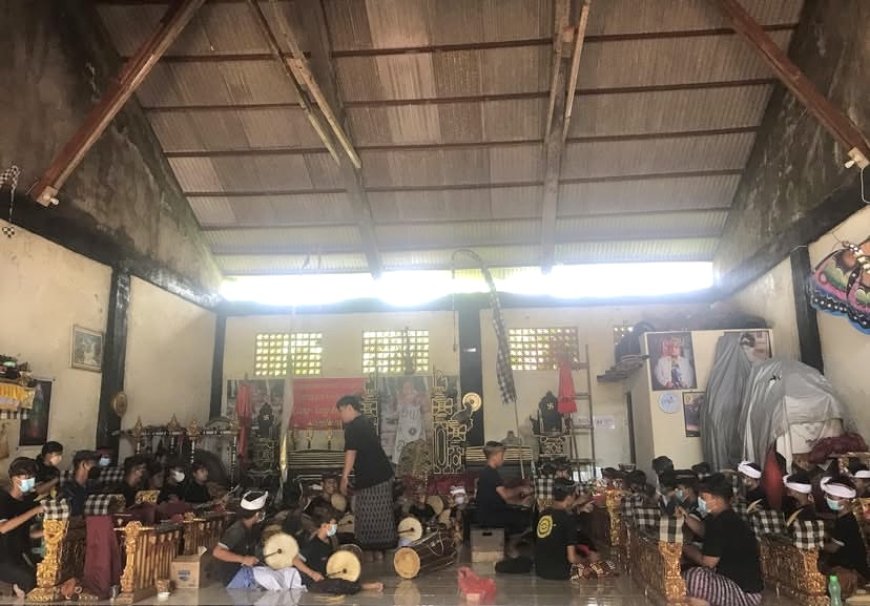
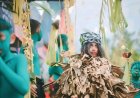
Children Practicing Percussion at The Wahyu Giri Swara Studio (Photo Source: Studio Collection)
The training programs at Sanggar Wahyu Giri Swara include dance and megambel (Balinese music) practices conducted once a week. Training sessions begin with megambel from 9:00 a.m. to 1:00 p.m. WITA, followed by dance practice from 3:00 p.m. to 6:00 p.m. WITA, with students grouped into tiered classes ranging from level 0 for beginners to level 5 according to their abilities. The tabuh training applies the meguru kuping method, which emphasizes learning by listening and directly imitating the teacher’s performance in 30-minute rotating sessions with assistance from senior students, while dance training begins with specific warm-up exercises and uses music as a rhythmic reference to unify movement.
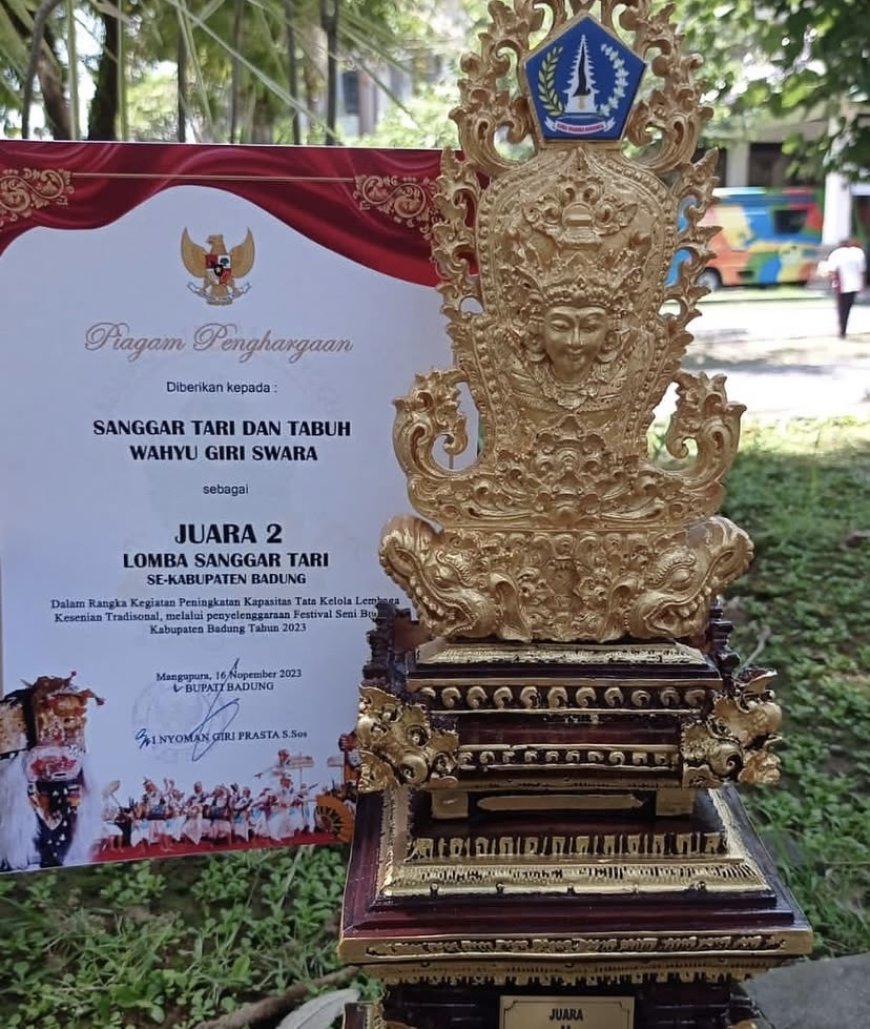
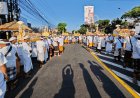
Achievements Obtained by the Wahyu Giri Swara Studio (Photo Source: Studio Collection)
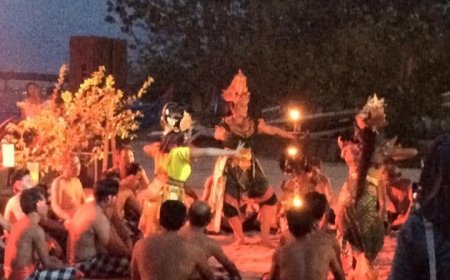
The studio’s location near hotel areas provides opportunities for students to gain direct performance experience. Sanggar Tari dan Tabuh Wahyu Giri Swara actively presents Balinese dance performances in hotels located in the Nusa Dua area and regularly participates in religious ceremonies or ngayah. In addition, the studio has achieved various accomplishments, including representing Bangli Regency at the Bali Arts Festival in 2005 and frequently winning awards in dance and karawitan competitions. From 2002 to 2004, the studio also engaged in international collaboration through performances and the teaching of Balinese dance in Japan, before these activities were temporarily halted due to the outbreak of swine flu.