





















Young Guardians of Taksu: The Role of Sanggar Sadha Waringin in Preserving Balinese Dance for the Younger Generation
Amid the currents of modernization, the presence of art studios serves as an important space for the younger generation to become familiar with and develop an appreciation for traditional Balinese arts. Sanggar Tari Sadha Waringin functions as a nurturing platform for children to learn fundamental Balinese dances that are rich in cultural, spiritual, and aesthetic values. Through regular training sessions, consistent guidance, and active involvement in religious and cultural activities, the studio plays a vital role in sustaining Balinese dance while instilling cultural identity in future generations.

Bali possesses a rich heritage of arts and culture that has been passed down from generation to generation, one of which is embodied in traditional dance. Balinese dance not only serves as a form of entertainment but also plays an important role in the social and religious life of the community. However, the progression of time and changing interests among younger generations present challenges in maintaining the sustainability of traditional dance. Therefore, the existence of art studios becomes crucial as spaces for learning, cultural transmission, and preservation.
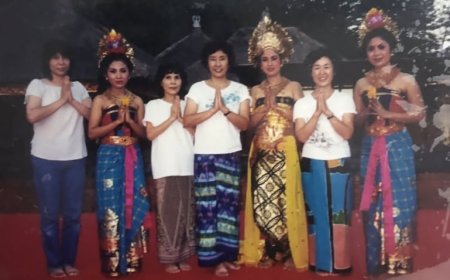
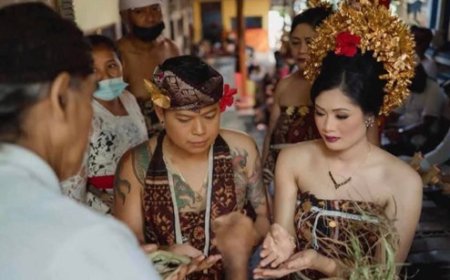
Sanggar Tari Sadha Waringin was established in 2022 and founded by Mr. I Wayan Wardia, who also serves as the pengelingsir or elder of the studio. The studio was founded with the aim of nurturing children so that they can recognize, learn, and develop a love for Balinese dance from an early age. Its establishment is driven by a concern for the continuity of traditional arts so that they remain alive and can be passed on to future generations.

Mr. I Wayan Wardia as the founder and pengelingsir of Sanggar Tari Sadha Waringin (Photo Source: Art Studio Collection)
As the founder and elder of the studio, Mr. I Wayan Wardia plays an important role in guiding the direction of training and maintaining the values taught at Sanggar Tari Sadha Waringin. The role of a pengelingsir is not limited to managing the studio, but also includes safeguarding cultural values, ethics, and the taksu the spiritual essence of Balinese dance, which are transmitted to students through the learning process at the studio.
As a center for artistic training, Sanggar Tari Sadha Waringin focuses its instruction on existing traditional Balinese dances, particularly basic dances. Some of the dances taught include Pendet, Puspanjali, Condong, Margapati, as well as other foundational dances. The teaching of these basic dances aims to build a strong foundation in movement technique, posture, and expressive embodiment of dance for children, so that they not only master the movements but also understand the meanings and values embedded within them.
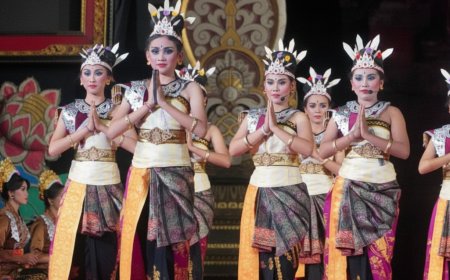
Training activities at Sanggar Tari Sadha Waringin are conducted regularly twice a week, every Saturday and Sunday. These routine practices serve as an important means of fostering discipline, responsibility, and consistency among children in practicing dance. With a structured training schedule, the learning process can take place gradually and sustainably.

The atmosphere of routine basic dance practice at Sanggar Tari Sadha Waringin (Photo Source: Art Studio Collection)
In the learning process, Sanggar Tari Sadha Waringin is supported by one active instructor. Despite the limited number of instructors, the teaching experience in guiding children is considered very positive. This is reflected in the students’ development in terms of dance technique, self-confidence, and attitude during training. The close relationship between the instructor and the students also creates a comfortable learning environment that supports the overall training process.
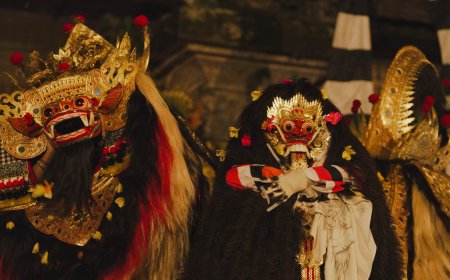
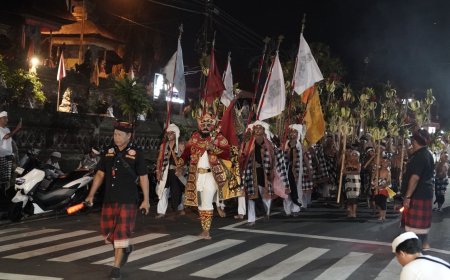
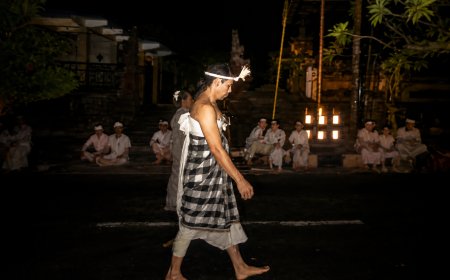
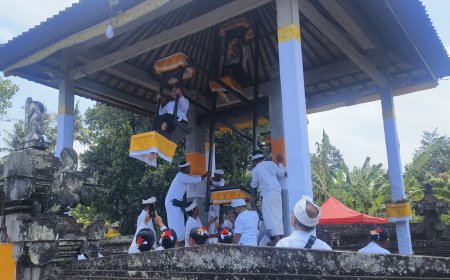
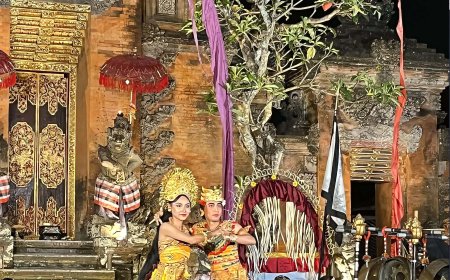
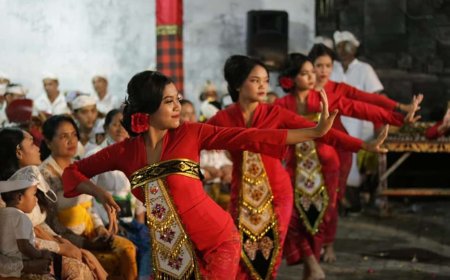
In addition to serving as a place of learning, Sanggar Tari Sadha Waringin also plays an active role in the preservation of local culture. The studio regularly participates in ngayah activities during various religious ceremonies as a form of artistic service to the community. Through these activities, children not only learn to dance but also gain an understanding of the function and meaning of dance in the customary and spiritual life of the Balinese people.

Performance by dancers of Sanggar Sadha Waringin in a religious ceremony (Photo Source: Art Studio Collection)
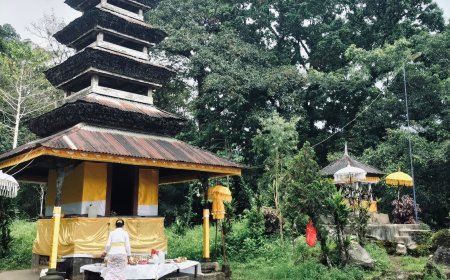
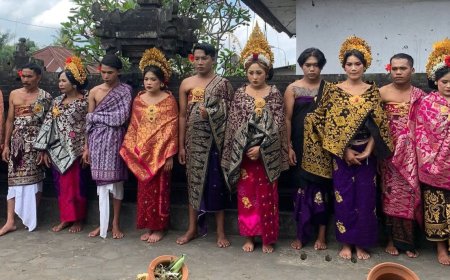
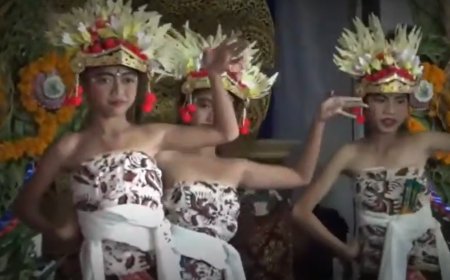
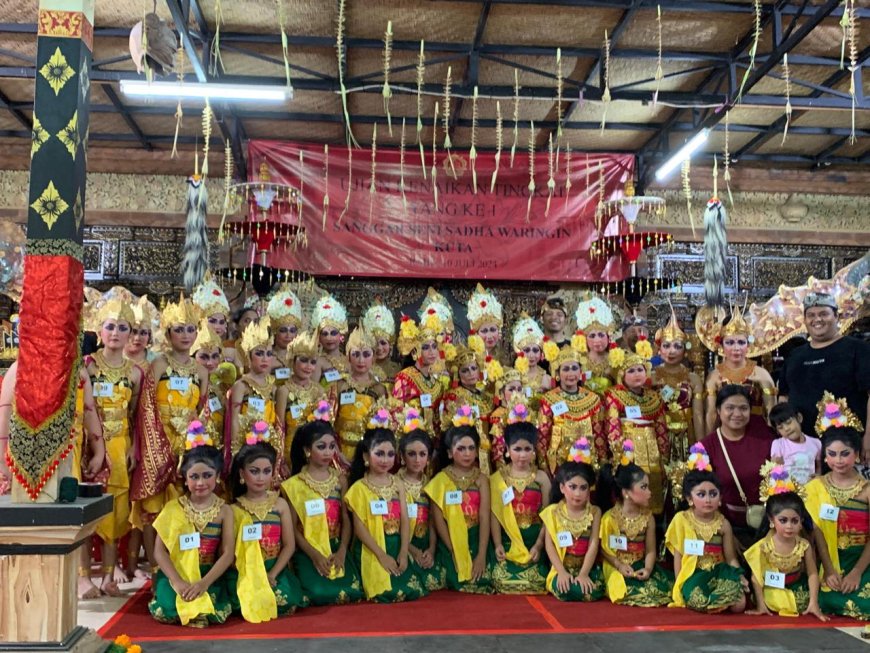
As part of the training process, Sanggar Tari Sadha Waringin also organizes an annual level advancement program. This activity aims to evaluate the development of students’ abilities while also motivating them to continuously improve their skills and deepen their love for Balinese dance. The level advancement serves as an important milestone that marks the learning process and achievements of children in pursuing the art of dance.

Level advancement activity at Sanggar Sadha Waringin (Photo Source: Art Studio Collection)
The presence of art studios such as Sanggar Tari Sadha Waringin holds significant meaning for the community. The studio serves as a space for preserving the identity and heritage of Balinese dance while also functioning as a platform for developing the creativity of the younger generation. Through the studio, children are encouraged to develop aesthetic skills, engage in artistic creation, and generate innovation without abandoning traditional values.
Through its roles and activities, Sanggar Tari Sadha Waringin demonstrates that cultural preservation can begin within small communities through consistent guidance and training. From this studio emerge young guardians of taksu, who are expected to continue and safeguard the sustainability of Balinese dance for future generations.