

Pura Agung Puri Sulang: The History of the Arya Wang Bang Pinatih Ancestral Temple
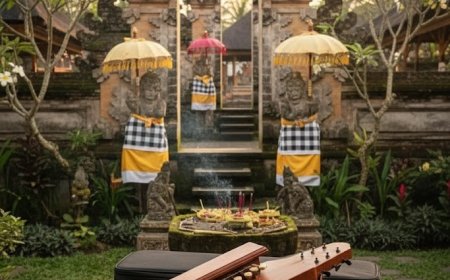
Pura Agung Puri Sulang is a historic ancestral temple (Pura Kawitan) that reflects the loyalty of the Arya Wang Bang Pinatih clan toward the Klungkung Kingdom. This temple is not only a place of worship for Bhatara Kyai Agung Pinatih Resi as the clan's ancestor, but also a spiritual center that instills values of devotion and preserves the family lineage from Java to Bali. Standing firmly on the land of Sulang Village, this temple has become a symbol of Balinese-Hindu heritage as well as the history and identity of the Arya Wang Bang Pinatih clan.

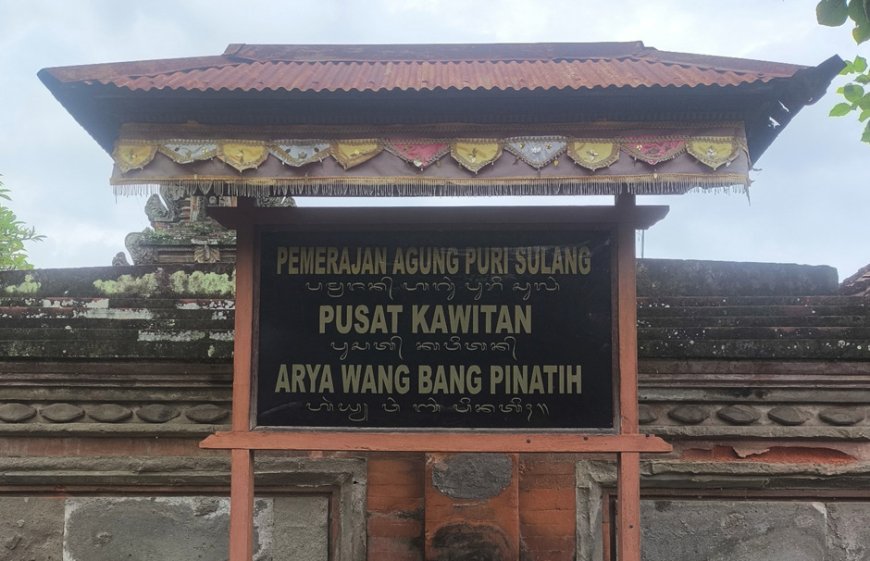
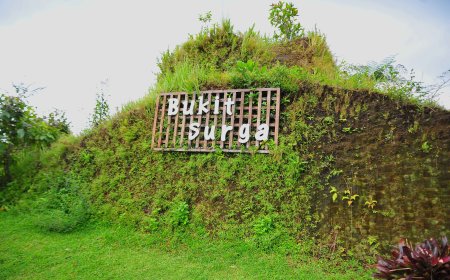
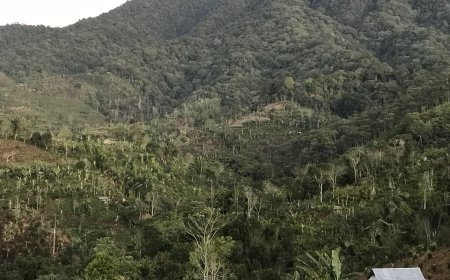
Pura Agung Puri Sulang is a temple located in Sulang Village, Dawan District, Klungkung Regency, Bali. This temple is estimated to have existed since the 14th century and stands strong on the land of Sulang Village. In the past, this village was a field of tall grass named Bukit Mekar, where human Skeletons and Remains were often found. This was because, at that time, the area was used to secure people who had committed "werat pati" (murder) during the era of the Klungkung Kingdom.

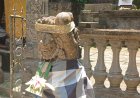
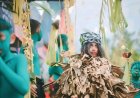
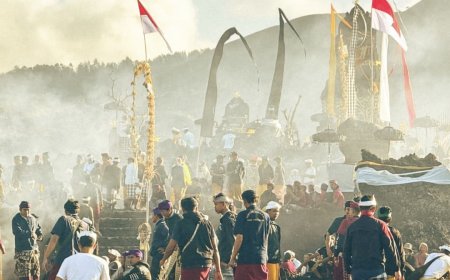
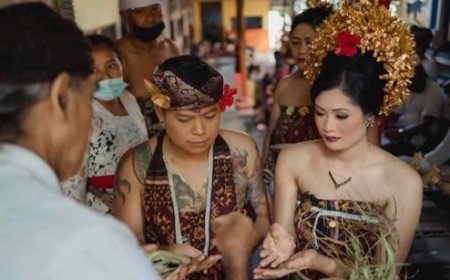
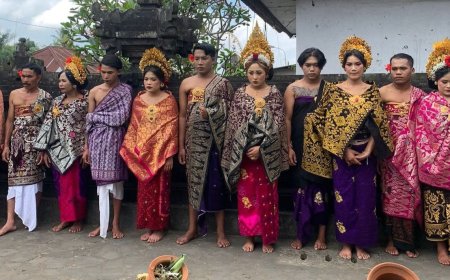
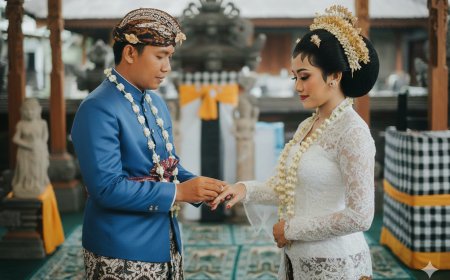
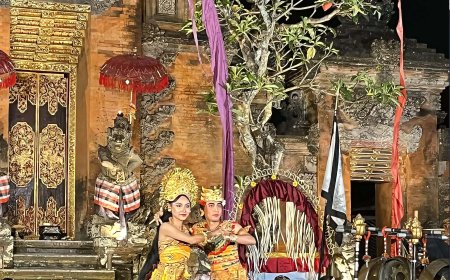
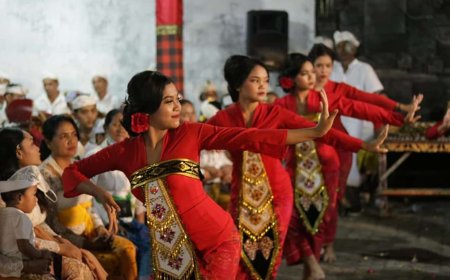
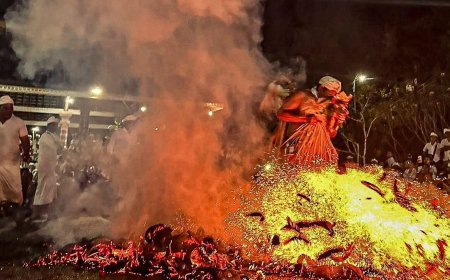
Performing the Natab Rituals at Pura Agung Puri Sulang (Photo Source: Personal Collection)
Pura Agung Puri Sulang serves as the main ancestral center for the descendants of the Arya Wang Bang Pinatih clan, with Bhatara Kyai Agung Pinatih Resi as the ancestor who is specifically worshipped at the Merajan Agung. Kyai Agung Pinatih Resi was the son of Kyai Pinatih Mantera (also known as Kyai Anglurah Pinatih Mantra), a high official under Dalem Ketut Kresna Kepakisan who migrated from East Java around 1350 AD by order of the Majapahit Empire.

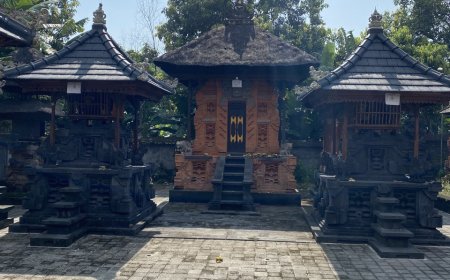
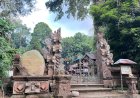
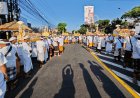
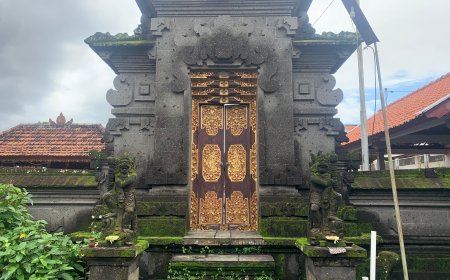
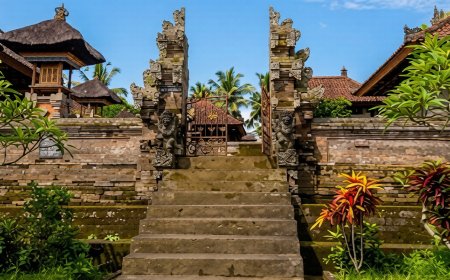
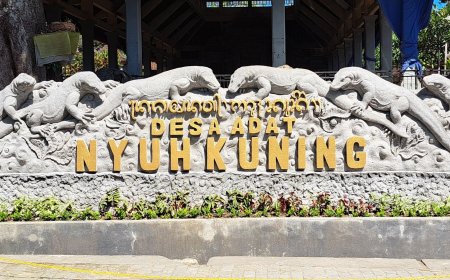
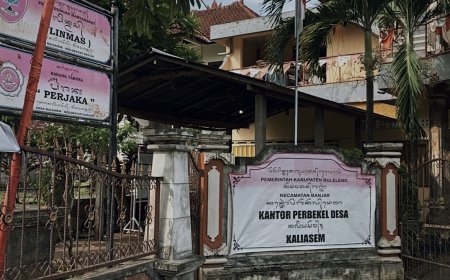
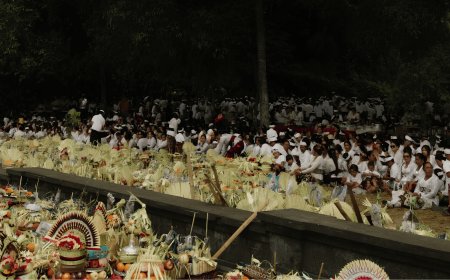
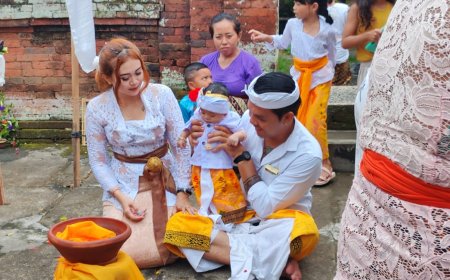
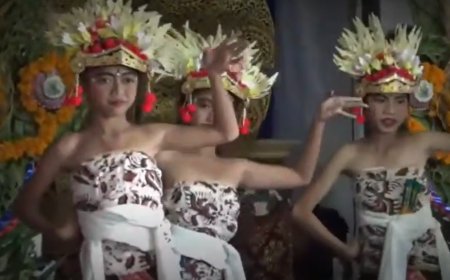
Pura Agung Puri Sulang (Photo Source: Personal Collection)
During the temporary reign of Dewa Agung Panji in Kusamba, Kyai Agung Pinatih Resi was called to guard the eastern border of the Klungkung Kingdom during a conflict against the Karangasem Kingdom. Based on the advice of Ida Tjokorda Satra (who served as an advisor or guardian to the King), he moved all his troops from Kertalangu and Tolikup to Bukit Mekar. There, he formed a village named Sulang Village, which means: SU (Noble) and LANG (Eternal), the name symbolizes eternal devotion to the King of Klungkung. As a reward for that loyalty, the residents of Sulang are exempted from land tax (pajak panjing) until the present day, which is a customary right recorded in the village history.
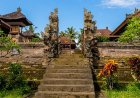
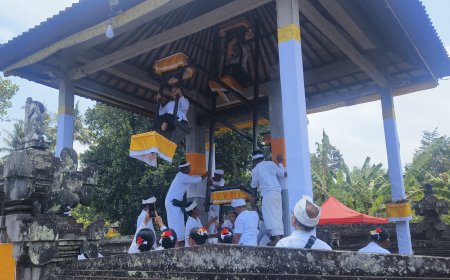
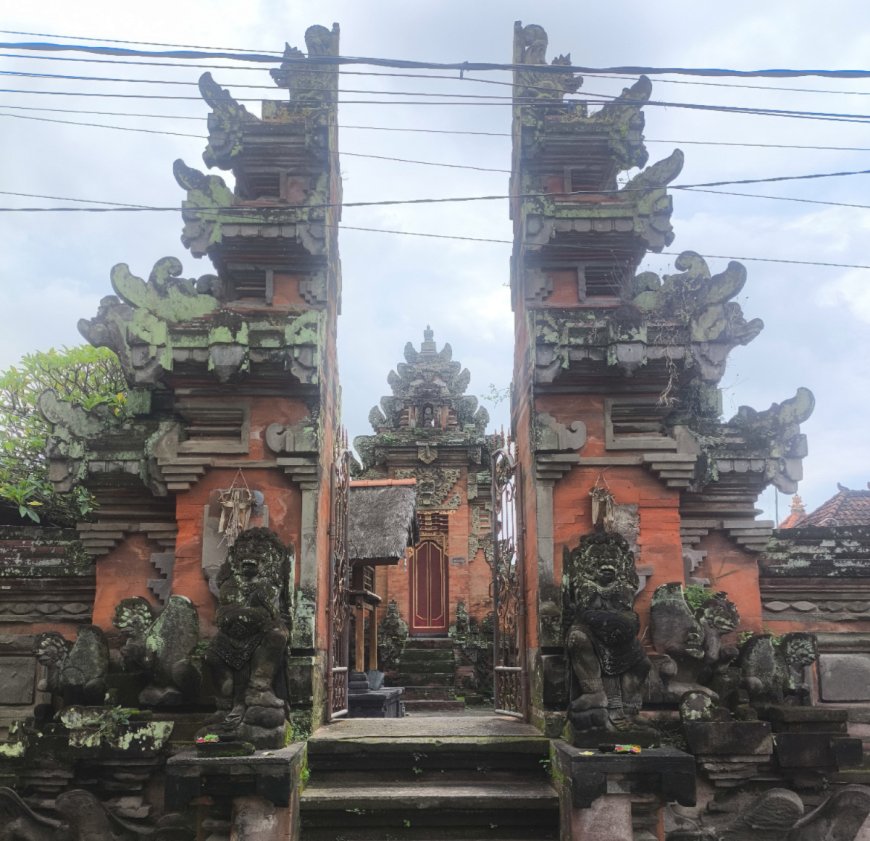
The structure of this temple is not much different from other temples in Bali. It has the Jaba Sisi or Nista Mandala (the outermost part), the Jaba Tengah or Madya Mandala, and the Utama Mandala as the most sacred area for religious ceremonies and prayers. However, when we exit the Utama Mandala, we will find a place called the Gedong. Usually, after praying in the Utama Mandala, people will also pray here.

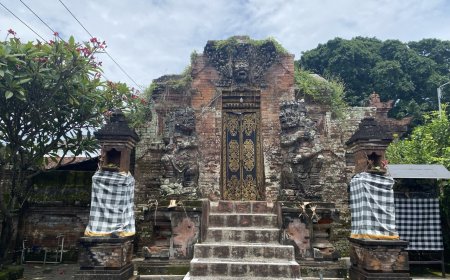
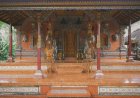
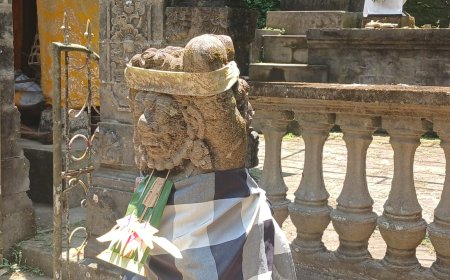
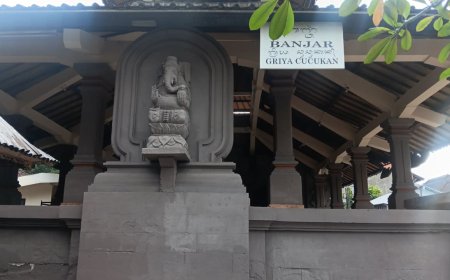
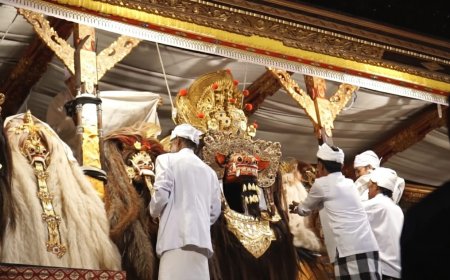
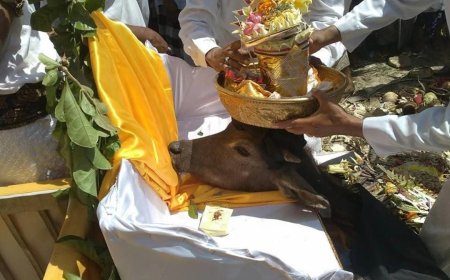
The Gedong Building at Pura Agung Puri Sulang (Photo Source: Personal Collection)
The Gedong is a sacred building that functions as a place to store holy heirlooms. Unlike in the Utama Mandala, where everyone is allowed to pray and ask for holy water (nunas tirta), the rules at the Gedong are different. While everyone can pray there, only men are permitted to request holy water. This is because the Gedong is a sacred place used to store heirlooms like the Keris (traditional dagger), which symbolizes "Purusa" or masculinity and strength.

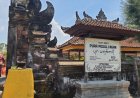
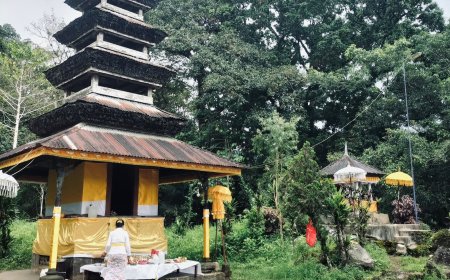
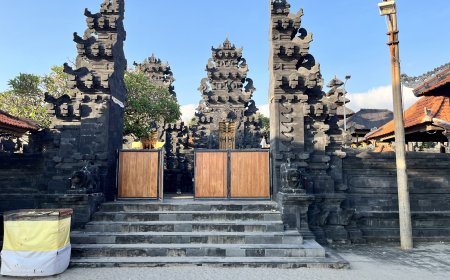
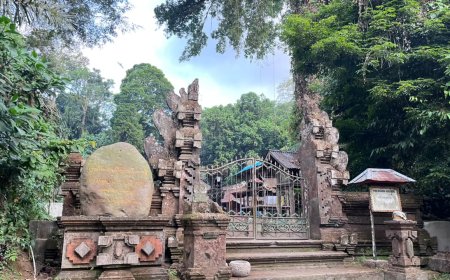
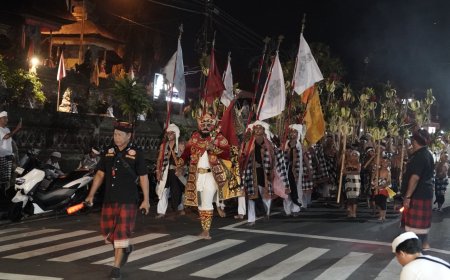
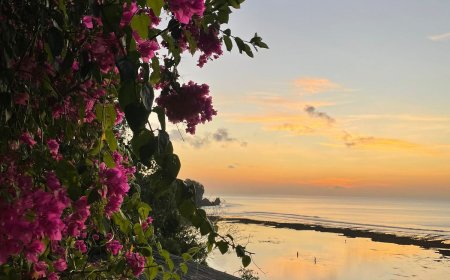
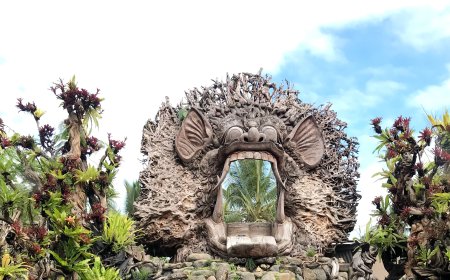
Pura Agung Puri Sulang (Photo Source: Personal Collection)
This temple still stands firmly today. Although some parts of the buildings are old or damaged by age, renovations continue to be carried out, and the site is well-maintained by the management and local residents. Thus, this ancestral temple will continue to exist and serve as a gathering place for the Arya Wang Bang Pinatih family for generations to come.