











Art on the Verge of Departure, Values Preserved: Museum Rudana and the Effort to Safeguard Indonesian Artistic Heritage in Bali
Rudana Museum is located in Ubud, Bali, and was established in 1995 by I Nyoman Rudana as an expression of concern for the sustainability of Indonesian fine art. The museum was built on the philosophy of preserving cultural values and national identity amid the currents of modernization. With a collection of artworks spanning generations and distributed across three floors, Rudana Museum functions not only as an exhibition space but also as a center for art education and reflection. The various awards it has received serve as evidence of its role in safeguarding and developing Indonesian art and culture.

Amid the rapid currents of globalization and technological advancement that have brought significant changes to nearly every aspect of life, traditional arts and culture face considerable challenges. Modernization often goes hand in hand with shifts in values, including how society perceives and appreciates art. Works created by local artists are gradually being pushed aside by popular culture, instant visual trends, and the dominance of commercial art products. In such circumstances, the existence of spaces dedicated to art preservation becomes increasingly important.
In Ubud, a region long recognized as a center of art and culture, the Rudana Museum stands as one of the institutions striving to ensure that Indonesian fine art does not lose its meaning and relevance. With an entrance fee of IDR 100,000 per person, visitors can access all areas of the museum and enjoy a comprehensive art appreciation experience. The museum can be visited directly to view the collections, document exhibition spaces, and experience an atmosphere rich in cultural values.
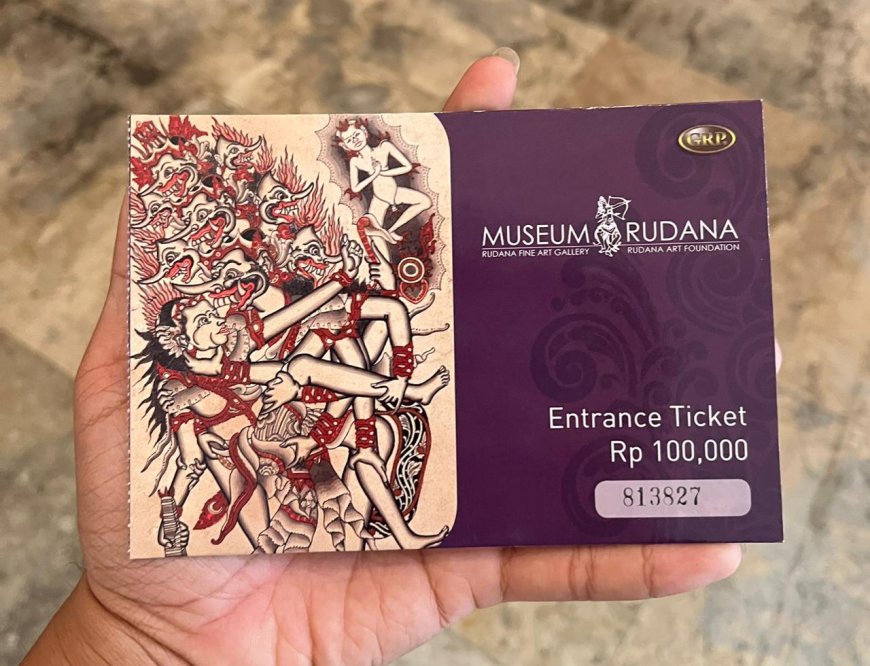
Museum Rudana Entrance Ticket (Source: Personal Collection)
The Rudana Museum was founded by Nyoman Rudana, an artist, collector, and cultural figure from Bali. The idea of establishing the museum arose from his personal concern over the lack of proper space and recognition for Indonesian artists in their own country. At certain times, foreign artworks were more highly valued, while works by local artists were often overlooked. In fact, Indonesian fine art possesses a wealth of expression, philosophy, and cultural values that are no less significant than those of other countries. From this concern, the Rudana Museum was officially opened in 1995 as a commitment to protect, preserve, and develop Indonesian fine art.
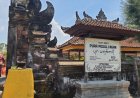
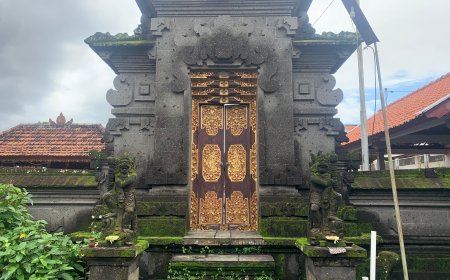
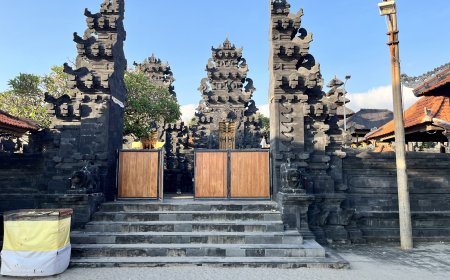
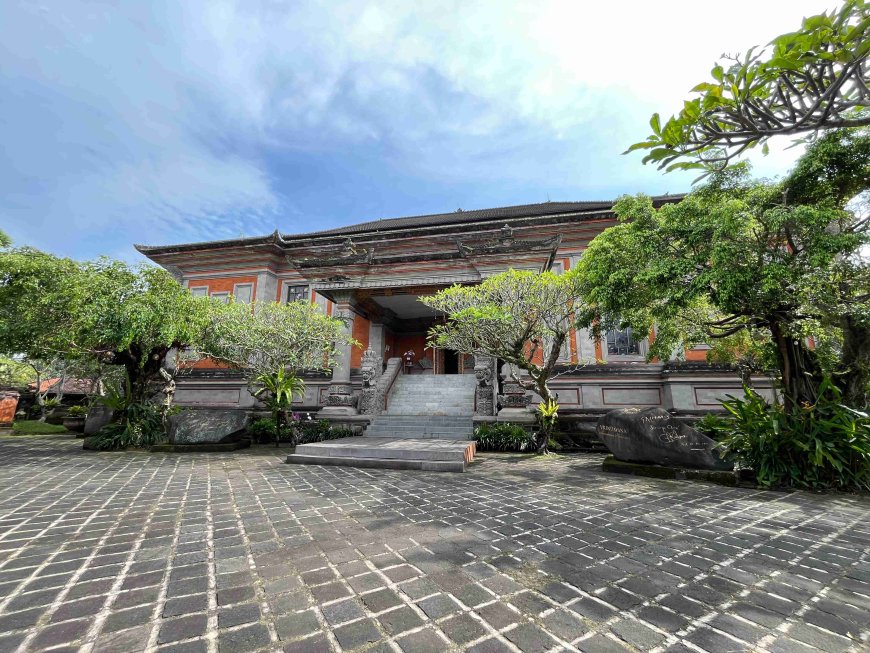
Museum Rudana Building (Source: Personal Collection)
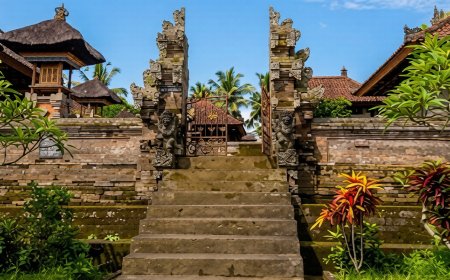
The Rudana Museum building was not designed merely as a functional space, but also as a representation of Balinese cultural values. Its architecture adopts principles of Balinese cosmology that emphasize balance between humans, nature, and spirituality. The concept of Tri Hita Karana is harmony between humans and God, among fellow humans, and between humans and nature, is reflected in the spatial arrangement of the museum, from the courtyard to the exhibition rooms on each floor.
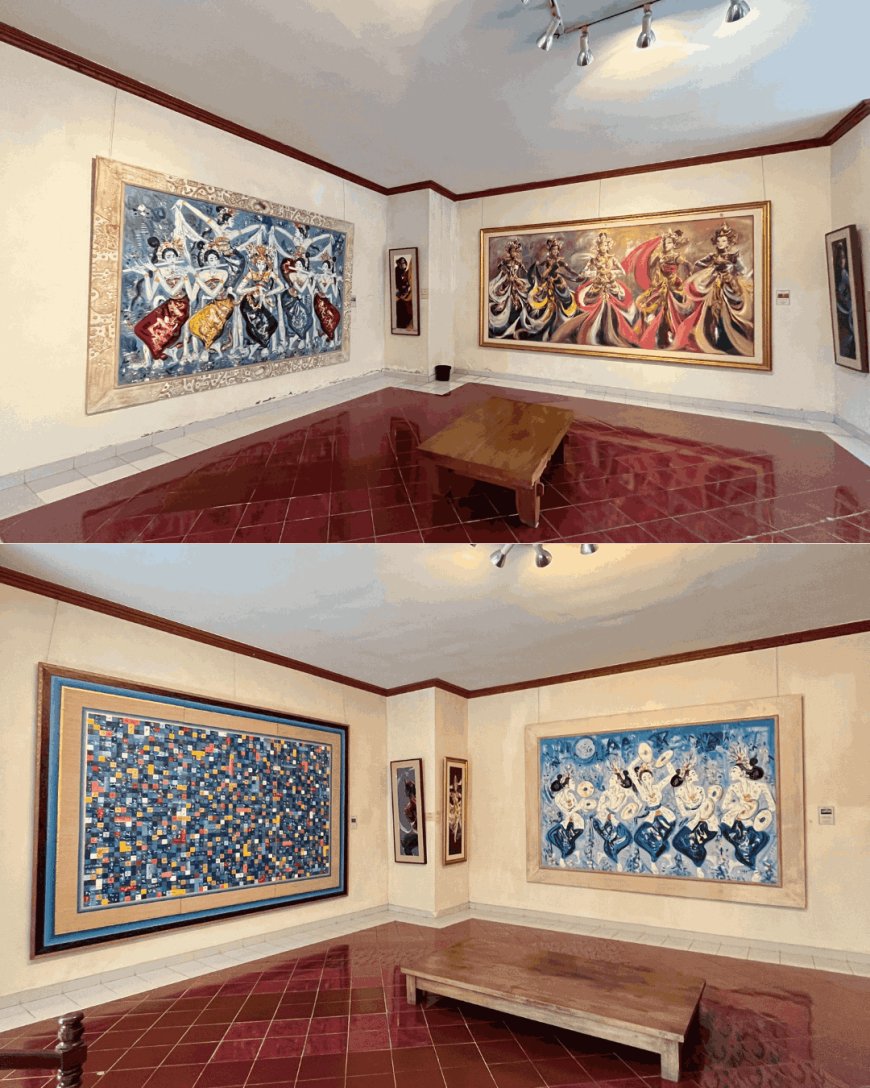
Several Paintings on the First Floor of Museum Rudana (Source: Personal Collection)
The museum is divided into three floors, each with its own distinct character. The first floor is dominated by modern-style paintings that explore form, color, and contemporary ideas. These works illustrate how Indonesian artists respond to the development of the times through freer and more expressive visual approaches. The second floor presents a more diverse collection, featuring many abstract works rich in meaning that invite visitors to interpret the messages personally. The paintings on this floor may not be easily understood at first glance, but they instead offer space for contemplation.
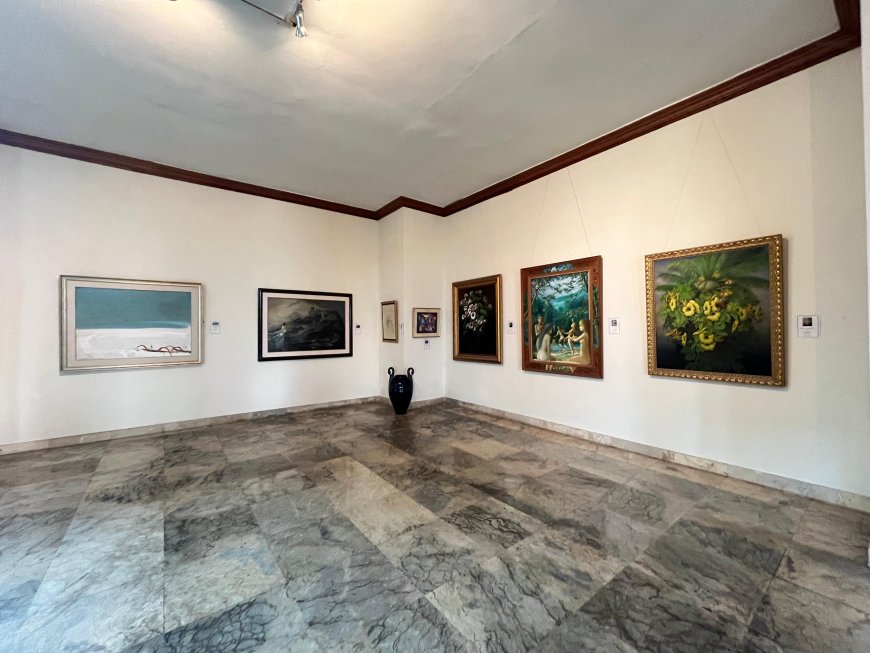
Several Paintings on the Second Floor of Museum Rudana (Source: Personal Collection)
Meanwhile, the third floor presents a different atmosphere. On this floor, visitors are presented with works depicting history, stories from the past, and Balinese culture. Many paintings feature traditional themes and wayang, representing noble values, mythology, and the journey of Balinese society through time. On the same floor, various awards received by the Rudana Museum are also displayed, serving as markers of recognition for its contributions to the world of art and culture.
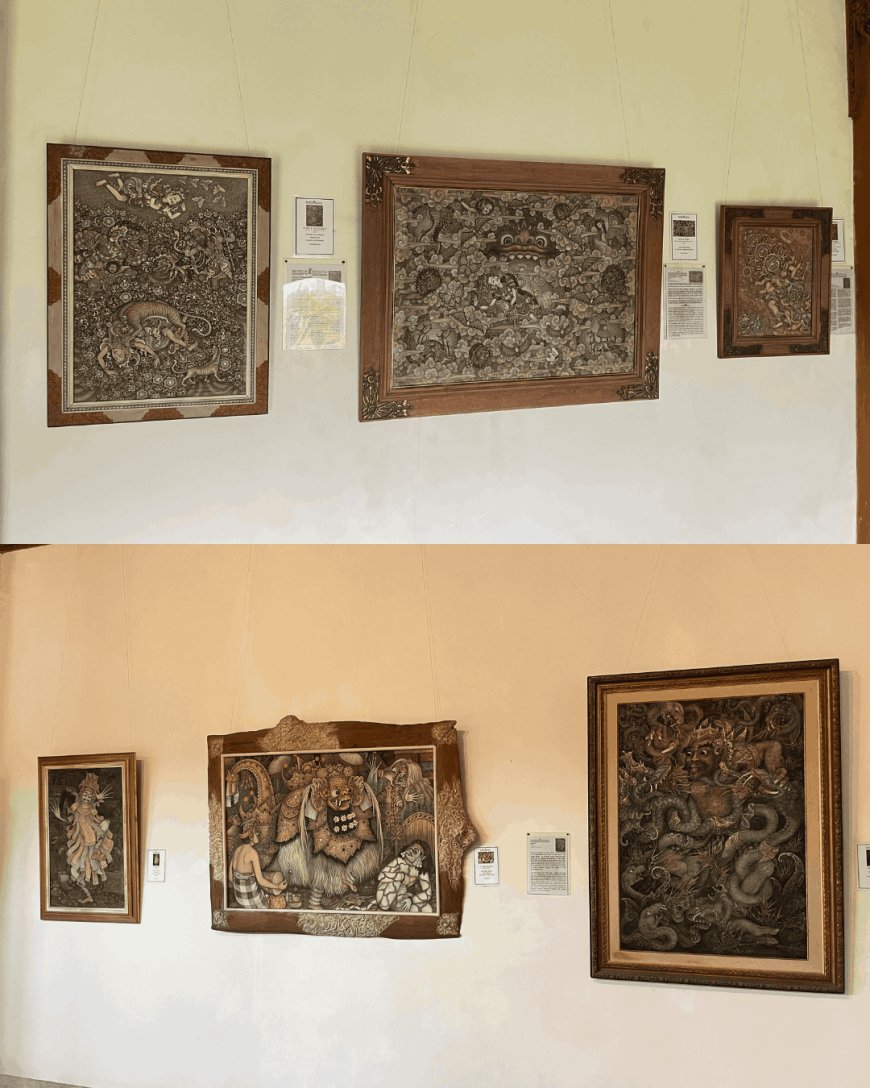
Several Paintings on the Third Floor of Museum Rudana (Source: Personal Collection)
The dedication of the Rudana Museum to preserving art and culture is reflected in the numerous awards it has received. Among them are the K. Nadha Nugraha Award in 2010, the Upakarti Award Certificate from the Minister of Industry of the Republic of Indonesia awarded to I Nyoman Rudana in the category of service in 1994, and the Abdibudayan Nusantara Certificate from the Indonesian Museums Association in 2019. These awards serve as evidence of the museum’s consistency in safeguarding and developing Indonesian fine art. In addition, the Rudana Museum also received the Bali–Desipantara Nata Kerthi Nugraha Award from the Indonesian Institute of the Arts (ISI) Bali in 2025, along with many other accolades that further strengthen its position as an important cultural institution.
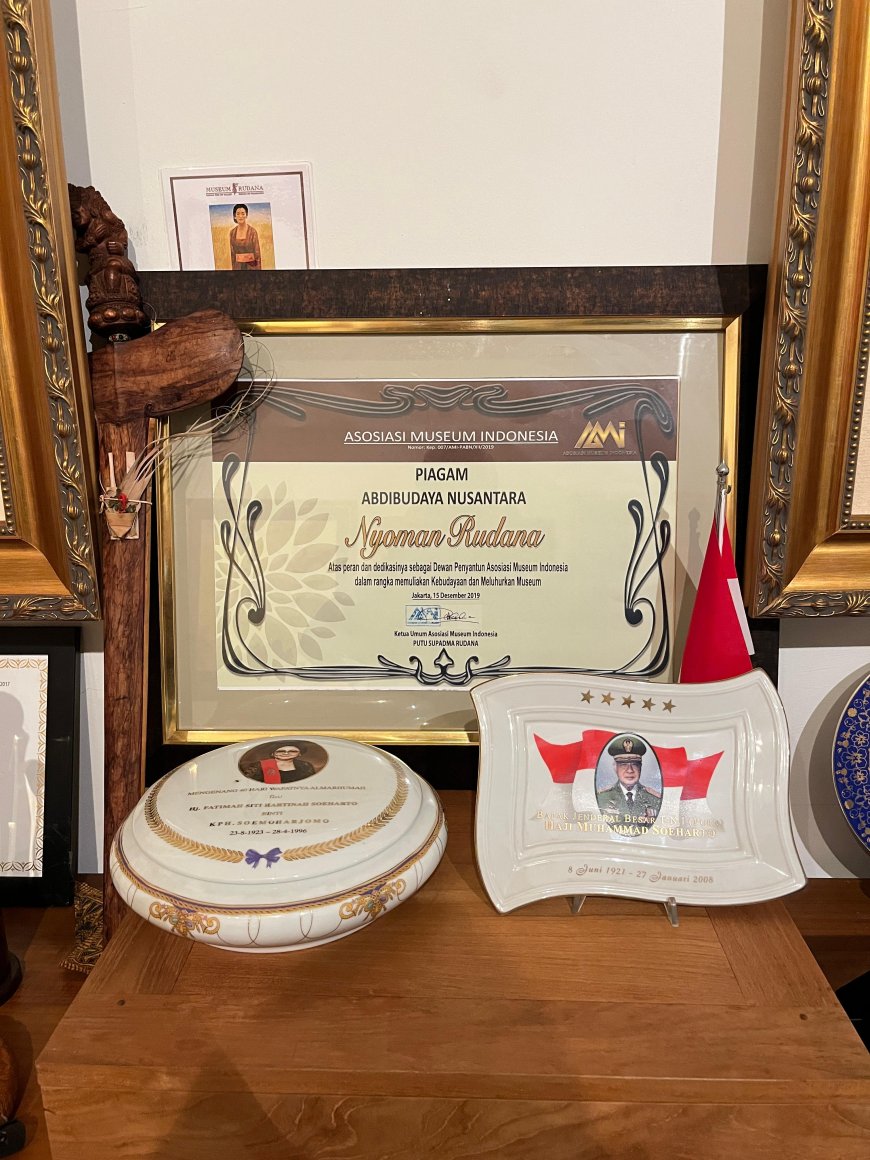
Abdidaya Nusantara Certificate Awarded to Museum Rudana by the Indonesian Museum Association (Source: Personal Collection)
Beyond serving as an exhibition space, the Rudana Museum also functions as an educational venue. It frequently becomes a destination for students, university scholars, researchers, and art observers. Through the collections and narratives presented, visitors are invited to understand Indonesian fine art more comprehensively—not only from a visual perspective, but also in terms of its social, cultural, and historical contexts.
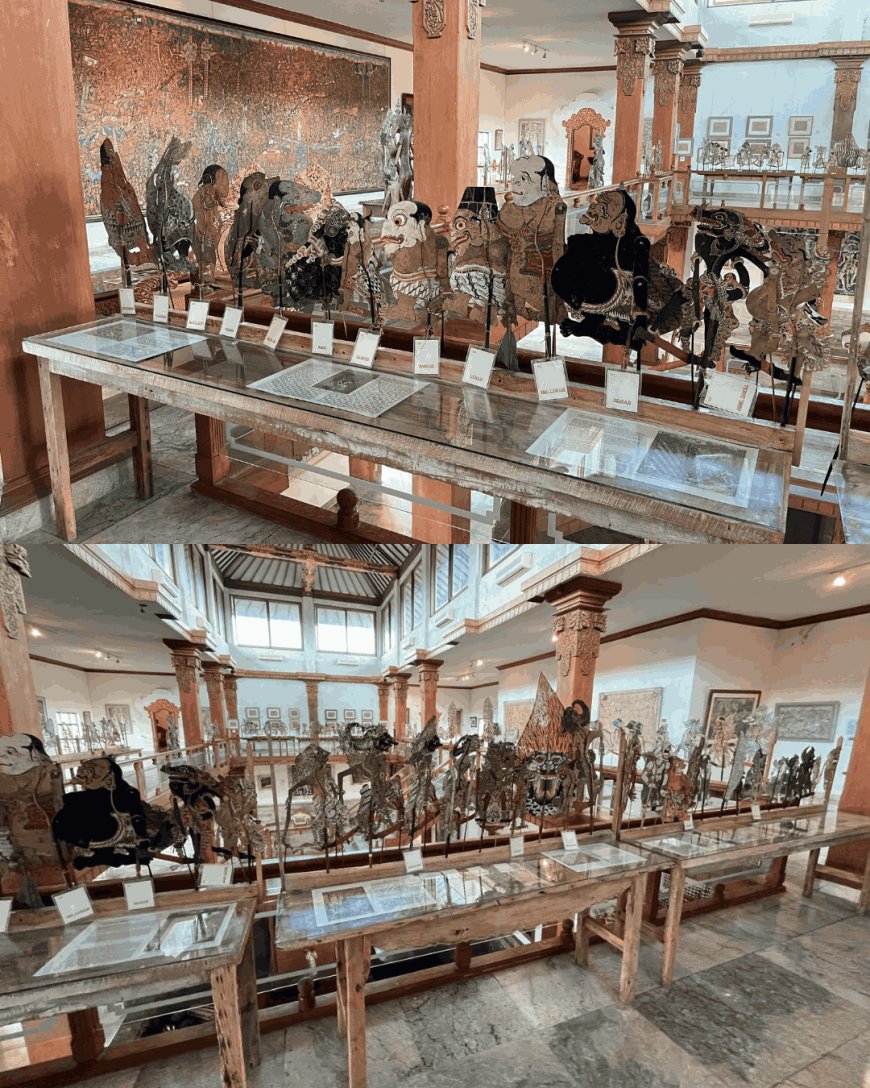
Several Wayang Collections at Museum Rudana (Source: Personal Collection)
The presence of the Rudana Museum also offers hope for the regeneration of young artists. By seeing the works of previous generations treated with respect and preserved with care, a belief emerges that art has a future. The museum serves as a reminder that artistic practice is not a futile path, but an essential part of shaping cultural awareness and national identity.
Art that is on the verge of fading does not always end in loss. Through the Rudana Museum, works by Indonesian artists find space to endure and continue speaking to future generations. In a constantly changing world, the Rudana Museum reminds us that art is not merely a legacy of the past, but an integral part of the nation’s journey. The values contained within it deserve to be preserved, nurtured, and passed on, so that Indonesian art does not truly disappear.