













Discovering the Sacred Heritage of Pura Beji Batan Gatep: Three Holy Water Spouts and a Purification Cave Along the Penet River
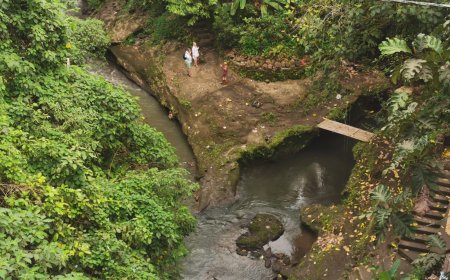
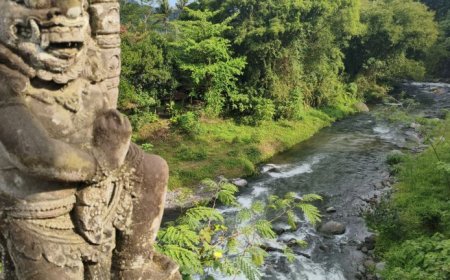
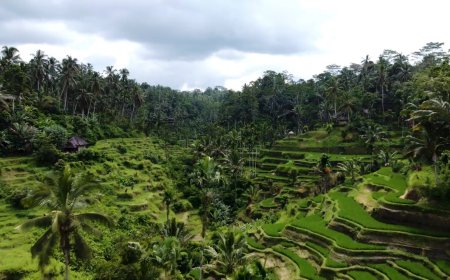
Bali preserves not only natural beauty that is immediately visible, but also quiet spaces where spirituality and tradition grow in harmony with the natural world. Hidden within lush landscapes and along the flow of the Yeh Penet River, Pura Beji Batan Gatep emerges as a sacred beji, revered as a source of spiritual purification. Water that rises from deep within the earth transforms this place into more than a site of worship, becoming a space of encounter between humanity, nature, and belief. The stillness of the surroundings, the holy water spouts, and moss-covered stones together shape a sacred landscape that invites every pamedek to step away from worldly distractions. Here, sacredness is understood through the simplicity of nature and rituals passed down through generations.

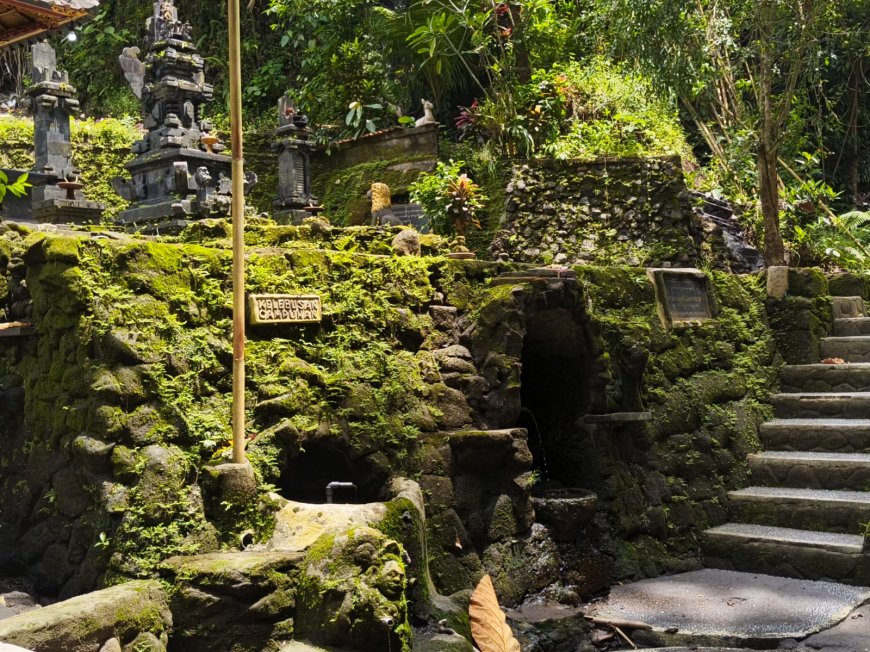
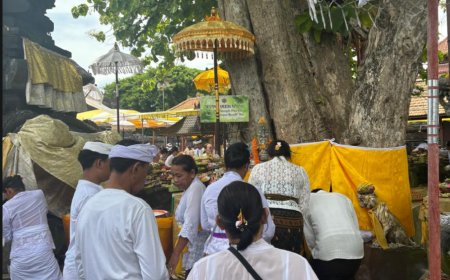
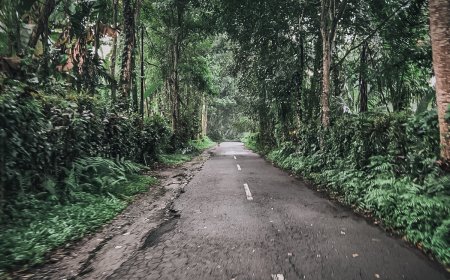
Pura Beji Batan Gatep is one of the spiritual and cultural Hindu sites in Bali, located in Desa Adat Kapal, Mengwi District, Badung Regency. Its proximity to the Yeh Penet River has made it not only a place of worship for the local community, but also a destination for malukat, a Balinese ritual of self-purification through holy water. The temple can be reached by descending Menuh Road, Banjar Tambak Sari, Desa Adat Kapal, an area situated close to the riverbank.
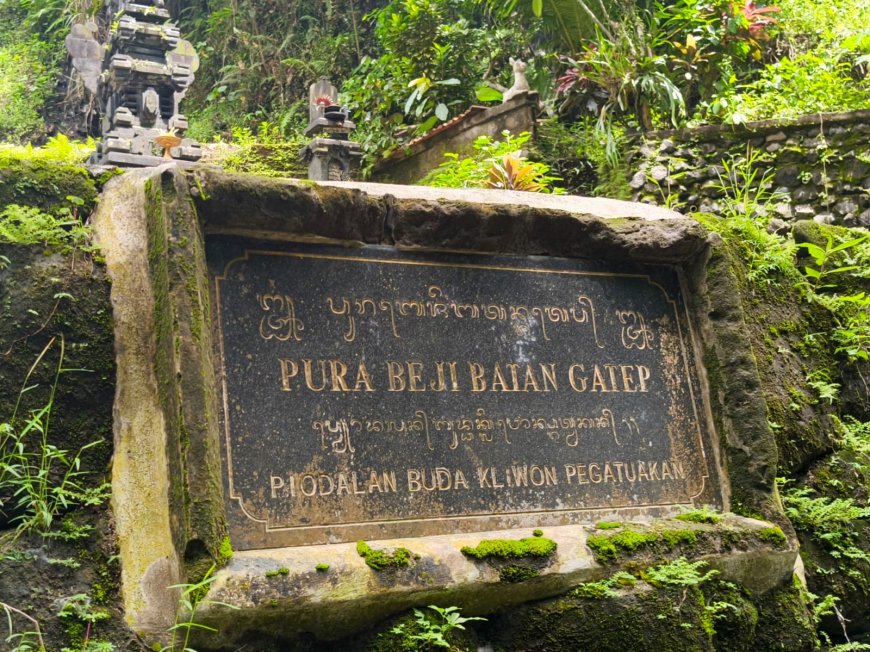
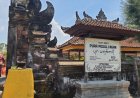
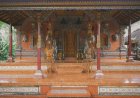
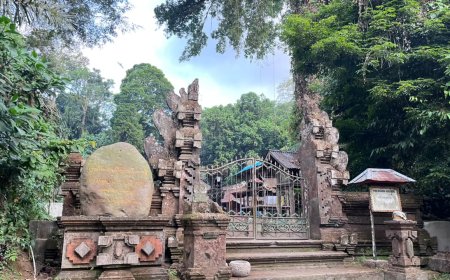
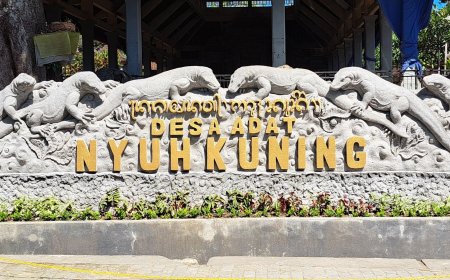
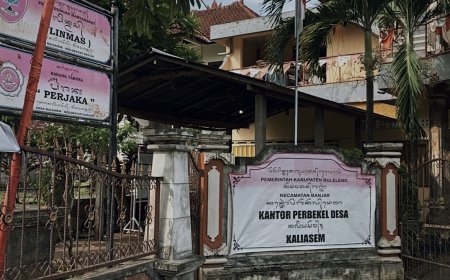
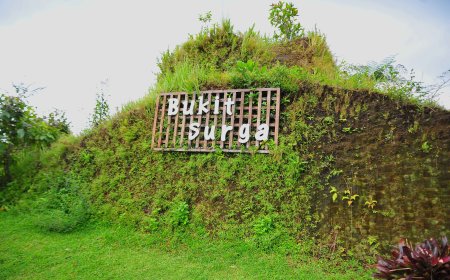
Name Inscription of Pura Beji Batan Gatep (Source: Editorial Collection)
Local accounts and purana narratives suggest that the existence of Pura Beji Batan Gatep is closely linked to the spiritual meditation practices of revered figures in this area. The rituals and the sacred site originated from a kelebutan, a natural spring that continues to flow to this day. Over time, the Balinese Hindu community constructed pelinggih and other sacred structures around it, shaping the area into a deeply spiritual space. In several sources, the temple is also referred to as Pura Wataning Gatep, meaning the dwelling place of a particular divine aspect or sacred power revered by pamedek (Balinese Hindus). The water emerging from the underground cave is regarded as a symbol of purity and a bearer of blessings.
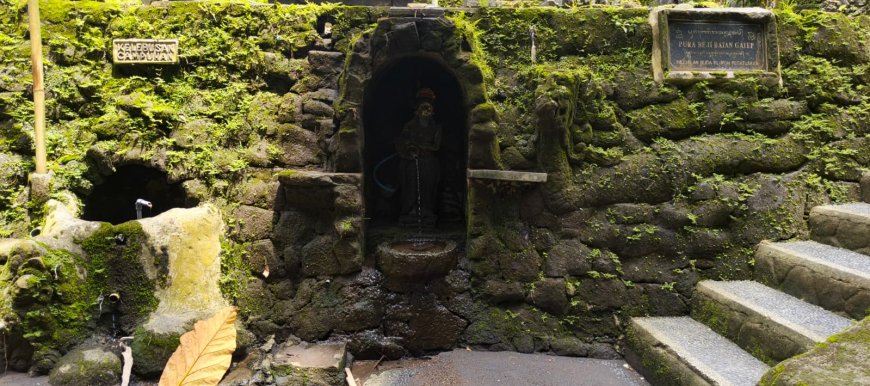
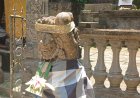
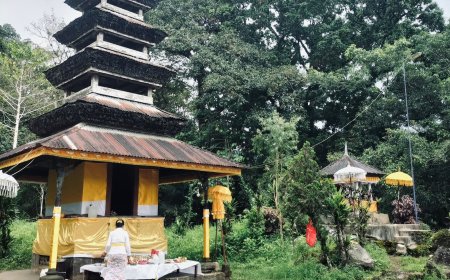
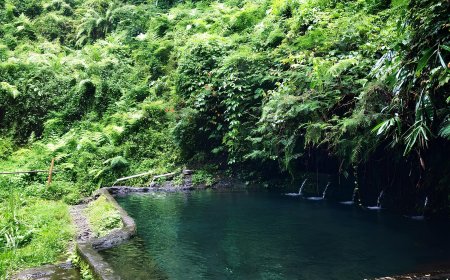
Three Pancoran of Pura Beji Batan Gatep (Source: Editorial Collection)
The defining feature of Pura Beji Batan Gatep lies in the presence of three holy water spouts that flow naturally from underground sources. These three spouts are not merely physical elements within the temple layout, but function as spiritual media with distinct roles in Balinese Hindu ritual practices. Each spout is understood to possess its own character, purpose, and meaning, and therefore cannot be used interchangeably. The three spouts are:
- Pancoran Toya Ning, traditionally used in various customary and religious ceremonies. Water from this spout is generally employed for initial purification, both for individuals and ritual implements, before entering more sacred stages of a ceremony. It is regarded as purifying water that prepares the body and mind to align with the sanctity of the ritual to be undertaken.
- Kelebusan Capuhan, which serves a more specific function as a medium for melukat. This spout is associated with a comprehensive process of self-cleansing, not only from physical impurities, but also from emotional burdens, past transgressions, and energies believed to disturb spiritual balance. The act of melukat at Kelebusan Capuhan is interpreted as an effort to restore harmony between mind, body, and soul, in accordance with the principle of balance in Balinese Hindu teachings.
- Pancoran Sudamala, whose use is closely related to the ritual of mebayuh. Water from this spout is believed to have the power to neutralize negative influences attached to a person, whether arising from personal experiences or specific conditions thought to bring disharmony.
The layered functions and meanings of these three spouts represent a worldview in which water is not merely a natural element, but a sacred medium that connects humans with the spiritual dimension.
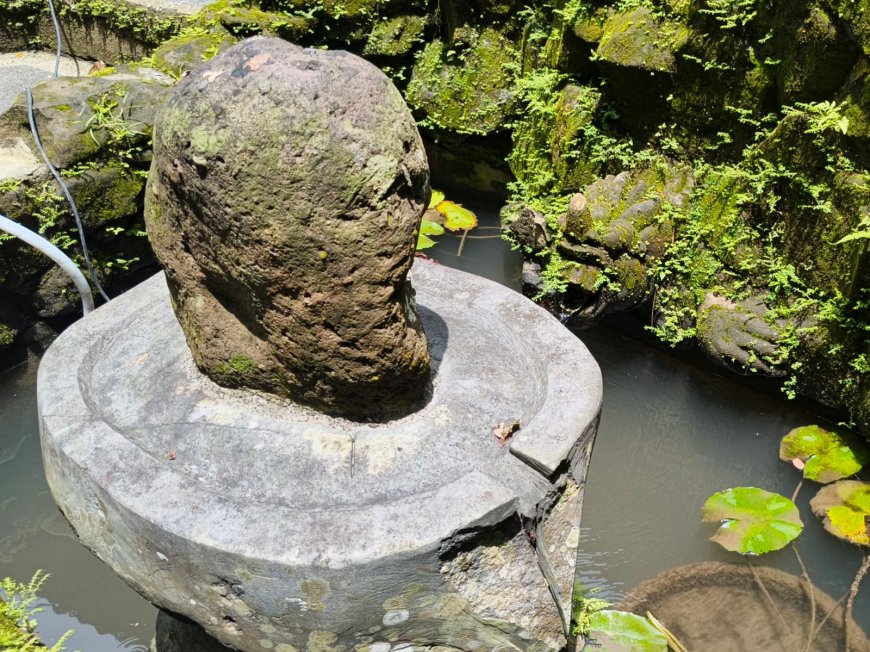
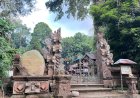
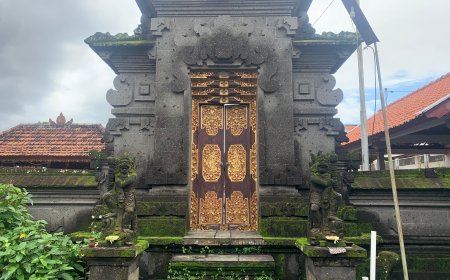
Water Cave at Pura Beji Batan Gatep (Source: Editorial Collection)
Another element that forms the center of sacredness at Pura Beji Batan Gatep is an underground water cave discovered after excavation in parts of the temple area. Measuring approximately one meter, this cave serves as the primary source of the holy water flowing to the spouts. Within the cave stands an octagonal lingga positioned at the center of the water basin, an important symbol in Shaivism representing cosmic principles and creation. This lingga has become a focal point for meditation and abhyang performed by pamedek seeking spiritual purification.
Pura Beji Batan Gatep is not merely a place of purification, but also a preferred site for those who practice Shaivism in a more profound manner. The ritual of abhishekam—the ceremonial bathing of the lingga-yoni with sacred substances such as milk and honey—is part of the rites performed on specific days in the Balinese ritual calendar, particularly approaching Tilem, the dark moon phase.
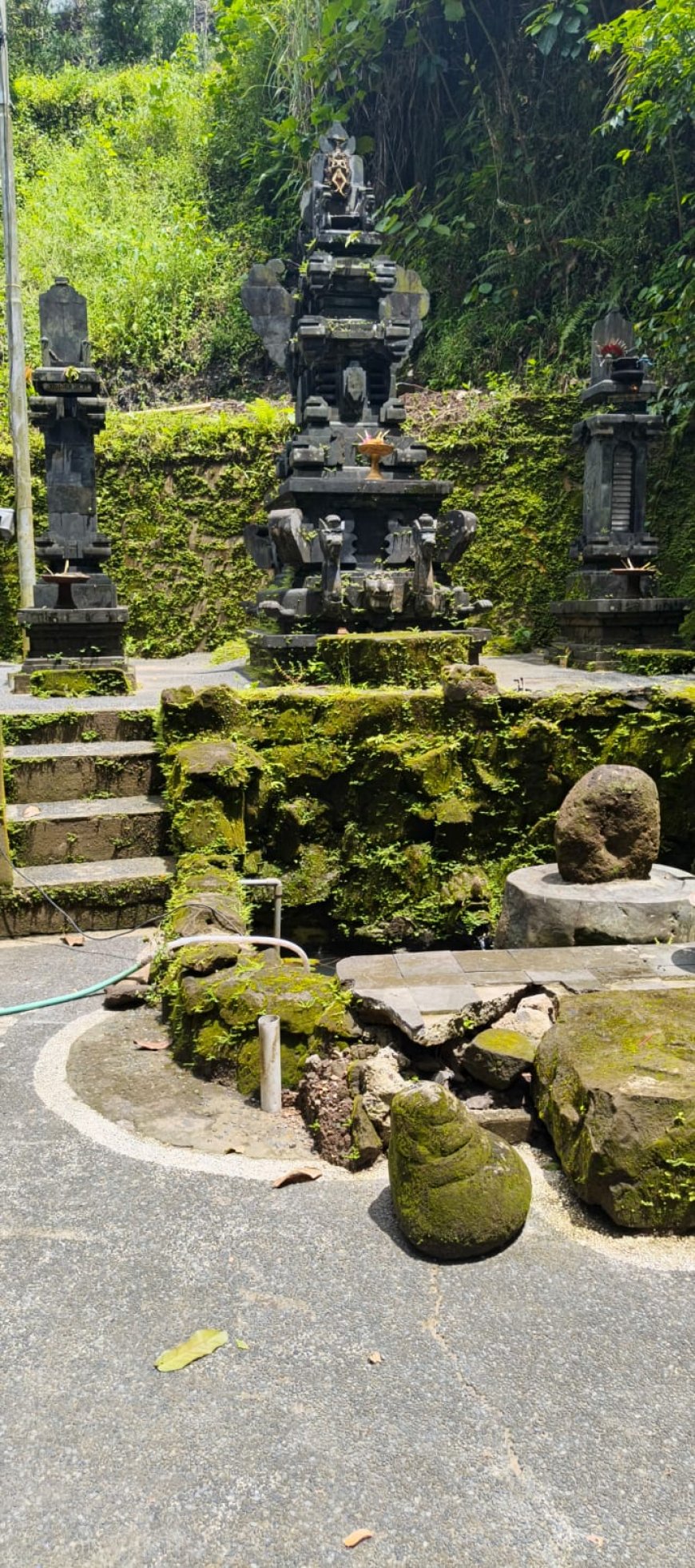
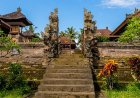
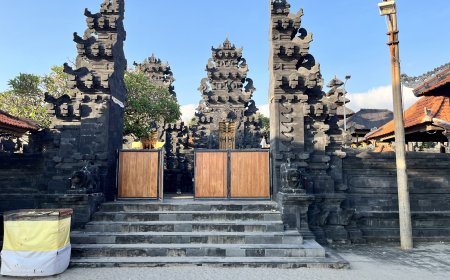
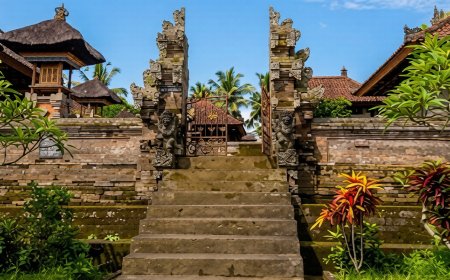
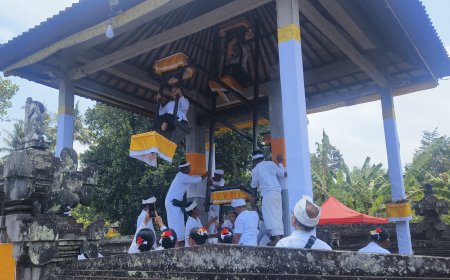
Three Shrines in Pura Beji Batan Gatep (Source: Editorial Collection)
For the local community, Pura Beji Batan Gatep is an inseparable part of spiritual life. Visits to the three water spouts and the water cave are not merely physical rituals, but serve as a means of restoring inner balance and strengthening the relationship between humans and the universe. These rituals reflect the principle that water is an essential medium of purification in Balinese Hindu tradition, in line with purification concepts found in many water temples across Bali. With its three spouts, each bearing a distinct ritual function, the sacred water cave as a center of spiritual energy, and the convergence of Shaivite teachings in devotional practice, this temple becomes more than a place of worship—it stands as a meeting point of cultural tradition, spiritual belief, and communal life in Bali